Skip to content
Acrylic splashbacks reduce kitchen cleaning time by as much as 50%. These color panels look great and are functional as well. They also come in different colors and patterns that would suit your kitchen. Being lightweight and unbreakable, acrylic is significantly different from window glass. Installation is simple, too.

Understanding Acrylic Splashbacks
What Are Acrylic Splashbacks?
A typical example is an acrylic splashback, which you also install at the back of a stovetop or sink to protect your wall from water drops and grease. It is constructed from acrylic material, making it durable, easy to clean, and available in different colors with designs that can fit well with any kitchen decor. Acrylic splashbacks are one of the popular choices for contemporary kitchens, thanks to their price, versatility, and glossy styling.
Key Features
There are some significant advantages to acrylic splashbacks. Their stronger impact resistance means you are less likely to smash them than glass. This makes it essential in active kitchens.
Another benefit is UV resistance. Also, acrylic never yellows and has looked shiny and new for many years.
Acrylic is easy to fabricate, making it great for a range of various designs in size and shape.
Common Uses
Acrylic is most often used for kitchen splashbacks. They can add color to a room while protecting walls.
Acrylic also makes for beautiful signage and displays. It does well to catch the eye with its attractive visuals.
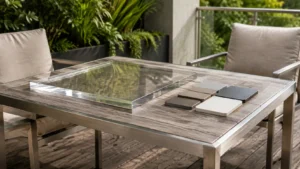
Additionally, high-gloss acrylic splashbacks are widely used in furniture design. They add functionality and aesthetic appeal to pieces such as tables or cabinets.
Color Options
Acrylic splashbacks are available in a variety of different colors. Homeowners can select from bold to muted colors.
It comes with custom color options for matching décor in specific rooms. This versatility results in a unique appearance.
There are no limits when designing patterns and gradients with acrylic before paints touch your spaces.
Benefits of Acrylic vs. Glass
Durability
Acrylic panels are famous for their scratchproof features, making them a better option than glass, which can be easily scratched. Acrylic is also heat and moisture-resistant, making it perfect for kitchens. It produces a much longer lifespan than other materials, saving money in consumer pockets over the long haul.
Maintenance
They Are Quite Easy To Clean! Ordinary cleaning is suitable with regular soap and water. Avoid using abrasive cleaners, as they will damage the surface. This ensures that your acrylic will always look great and last for years. If you keep it clean, the splashback will last for years.
Aesthetic Flexibility
Acrylic can be a valuable resource here because it comes in many different looks—like glass or stone—and adds versatility to kitchen interiors. Suitable for a range of interior styles, from modern to traditional, it improves the visual appearance and offers a smooth installation of airport scuff guards required for good finishing properties.
Cost Comparison
Generally, acrylic can be more cost-effective than traditional materials such as glass and tiles. Initial costs will vary, but lower long-term utility expenditures are ultimately achieved with less—and proper—maintenance. While customization will increase cost, it gives more value to your space. It can be a prudent financial decision to go with acrylics.
Installation Guidance
Measuring Tips
Before acquiring any acrylic, one must take precise measurements. Measure the height and width of your splashback space.
Take note of any outlets or fixtures that may affect dimensions. They may affect how much acrylic is needed, so measure again and avoid costly mistakes later!
Cutting Techniques
A fine-toothed saw is suitable when needing cleaner acrylic sheets. This will prevent chipping and leave a smooth edge.
If the acrylic panels are thinner, consider scoring and snapping methods. Use proper safety equipment while cutting if you want to take your work seriously, and use quick and effective techniques.
Fitting Instructions
Surface and Wall Prep: Make sure you clean the surface so it is free of dust and grease.
Place adhesive on the underside of the acrylic for secure attachment. Installing spacers can assist with this and protect an even 5mm gap throughout for a seamless look.
Recommended Thickness
Kitchen splashbacks can be 3mm to 6mm or more thick. The right thickness is essential for durability and insulation properties.
Choose the appropriate thickness and location of the plate. Generally, thicker panels are stronger, while thinner ones are easier to handle and better suited for certain applications.

Maintenance Tips
Cleaning Methods
Use a soft cloth to wipe your acrylic splashback. This helps prevent scratches. Ammonia-based products will damage the acrylic, so use a mild cleaner instead. The best cloth is a microfiber, which will clean the surface streak-free and pick up dirt without smudging.
Polishing Edges
Sanding around the edges gives your splashback a fine finish. For the best results, begin by using fine-grit sandpaper over all edges. Apply a polishing compound after sanding, which returns the shine and makes it look brand new. Polishing it regularly will keep the finish looking fine.
Repairing Scratches
Use an acrylic surface scratch removal kit. Kits commonly contain all that is required for minor repairs. Use a soft cloth to buff out little scratches so they do not appear as much. In case of deeper scratches, a change in the panel might be needed. Other times, the damage is beyond repair.

Final Remarks
Even so, acrylic splashbacks will occupy less space in your living quarters. This makes them popular for kitchens and bathrooms because they add to the style and serve practical purposes. You now know all the advantages, how to introduce them, and how to keep them looking new. The way the platform simplifies your life—with a tinge of style, that’s it.
Well, now is the time to do something about that. Stop hesitating if you consider installing an acrylic splashback in your house. Analyze, choose, and start that project today. Your walls will thank you!