Skip to content

Ever walked down a bustling street and been instantly drawn to a vibrant sign? That's the allure of acrylic in signage boards. I’ve always admired how acrylic transforms ordinary signs into eye-catching displays that seem to leap out and grab your attention.
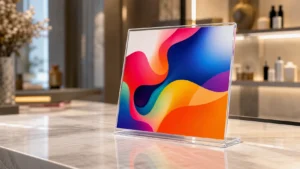
Acrylic enhances signage boards by offering exceptional clarity, durability, and versatility. Its glass-like appearance combined with lightweight strength makes it ideal for creating vivid, long-lasting signs that captivate viewers both indoors and outdoors.
But what exactly makes acrylic stand out in the world of signage?
What is acrylic material for signage?
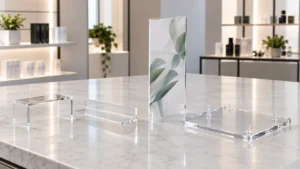
When I first started exploring signage options, I discovered that acrylic is a transparent thermoplastic known scientifically as polymethyl methacrylate (PMMA). It's cherished for its glass-like clarity and resistance to shattering. This material can be molded into virtually any shape, making it perfect for custom signs that reflect a brand's unique identity.
Acrylic material for signage is a clear, durable plastic that mimics the look of glass without the fragility. Its ease of customization and high-quality finish make it a popular choice for businesses aiming to create impactful visual displays.

The Magic of Customization
One of the things I love about acrylic is how it embraces creativity. Whether you need intricate designs or bold, oversized letters, acrylic can bring those ideas to life with precision and elegance.
Is acrylic paint good for signs?
I've painted a fair share of signs, and acrylic paint has always been my go-to. It adheres beautifully to surfaces, dries quickly, and offers vibrant colors that withstand the test of time.
Absolutely, acrylic paint is excellent for signs because it provides strong adhesion, rich pigmentation, and durability. It's resistant to fading and cracking, making it suitable for creating signs that remain bright and appealing over time.
Benefits That Stand Out
- Vivid Colors: Acrylic paint offers a spectrum of colors that pop.
- Weather Resistance: It holds up well against the elements.
- Versatility: Suitable for various surfaces and techniques.
Why is acrylic used for illuminated signs?
There's something enchanting about illuminated signs glowing against the night sky. Acrylic is often used here because it diffuses light evenly, creating a consistent and appealing illumination without hotspots or shadows.
Acrylic is ideal for illuminated signs due to its excellent light diffusion properties. It allows light to pass through smoothly, resulting in bright, evenly lit signs that are hard to miss, especially in the dark.

Lighting Up the Night
Using acrylic in illuminated signs not only enhances visibility but also adds a touch of sophistication. It's a perfect blend of form and function that helps businesses stand out after sunset.
Are acrylic signs weather resistant?
Living in an area where the weather can be unpredictable, I've seen how some materials falter under harsh conditions. Acrylic signs, however, have impressed me with their ability to withstand rain, wind, and sunlight without losing their luster.
Yes, acrylic signs are weather resistant. They are designed to endure various environmental factors like UV rays, moisture, and temperature changes, ensuring longevity and consistent appearance over time.
Built to Last
This resilience means fewer worries about wear and tear. Your sign continues to represent your brand effectively, come rain or shine.
How long do acrylic signs last?
You might be curious about the lifespan of these signs. From my experience and what I've observed, acrylic signs can last anywhere from 5 to 10 years, depending on exposure and maintenance.
Acrylic signs typically have a lifespan of 5 to 10 years. Proper care and minimal exposure to extreme conditions can extend their durability, offering a long-term signage solution for businesses.

Tips for Longevity
- Regular Cleaning: Gently clean to prevent dirt buildup.
- Protective Measures: Use UV-resistant coatings if exposed to direct sunlight.
- Professional Installation: Ensure it's securely mounted to avoid damage.
What are the disadvantages of acrylic?
While acrylic has many advantages, it's only fair to mention some drawbacks. Acrylic can scratch more easily than glass, and if not handled carefully, it may crack under pressure.
The disadvantages of acrylic include its susceptibility to scratching and potential to crack if mishandled. It's also generally more expensive than other plastics, which might be a consideration for budget-conscious projects.

Overcoming the Challenges
- Protective Coatings: Apply scratch-resistant layers to preserve the surface.
- Careful Handling: Train staff on proper maintenance procedures.
- Cost vs. Value: Consider the long-term benefits that may offset the initial investment.
Conclusion
Acrylic brings a unique blend of beauty and practicality to signage boards. Its advantages in clarity, durability, and versatility make it a standout choice for businesses looking to make a lasting impression.