Skip to content
A clear panel can fool people very easily.
It looks thick. It looks solid. It looks expensive. So a buyer, an architect, or even a project manager starts to feel safe before the real safety question has even been answered. I have seen that happen more than once. Someone asks for bulletproof glass. Someone else suggests acrylic. Then the whole conversation slides toward sheet price, thickness, and lead time, as if those three things can tell the full story.
They cannot.
I have worked around custom acrylic products long enough to know that clear materials create a strange kind of confidence. When people can see through a panel, they often think they understand it. But transparent materials are tricky. Two sheets can look similar on a table and behave very differently under force, repeated impact, weather, daily wear, and real risk.
The cost mistake usually starts in a very ordinary way. A buyer compares one quote for laminated ballistic glass with another quote for acrylic, sees a large price gap, and feels tempted to save money. That reaction is human. I understand it. Every purchasing team has pressure on cost. Every designer has a target. Every project has a budget line that keeps staring back at you.
The trouble starts when price per sheet becomes the main filter.
That is where people stop comparing protection level and start comparing material labels. And that is where safety problems begin to grow quietly. Not dramatically at first. Quietly. The wrong panel may still arrive. It may still install. It may still look clean in the final build. But if the material does not match the threat level, then the project is already sitting on weak logic.
I do not judge these decisions by how polished the sample looks on day one. I judge them by what happens when the material faces real pressure, real use, and real consequences.
This article is about that gap.
It is about why buyers confuse bulletproof glass and acrylic, why the cheaper-looking option can become the more expensive mistake, and why this is never just a budget question. It is a safety question first.

A lot of mistakes in material selection begin with one loose word. So before I compare cost, I want to slow down and ask a more basic question: what are we really talking about when we say bulletproof glass?
What is bulletproof glass and how is it actually constructed?
People often say bulletproof glass as if it were one clean, simple sheet. It is not. The name sounds neat. The structure is not.
What many people call bulletproof glass is usually a layered security glazing system. It can include glass, polycarbonate, interlayers, and bonded layers designed to absorb and spread impact energy. So when I hear someone say, “We just need thicker glass,” I already know the conversation needs more detail.
The material is doing much more than looking hard.
One thing I weigh early is whether the buyer is using “glass” as a casual label or actually understands the full laminated build, because that small language gap often leads to the wrong quote request.
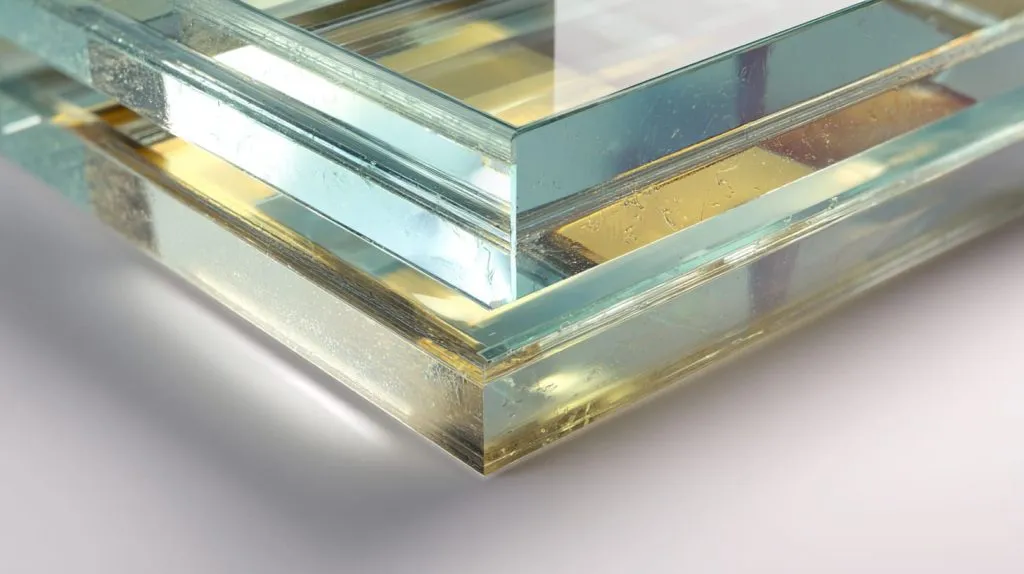
It is not “glass” alone
A ballistic glass assembly is built to manage force in stages. That is the key idea.
The outer hard layers help resist penetration and break up the incoming force. The softer inner layers help catch fragments, reduce spall, and absorb energy. This is why a ballistic transparent panel is not just “a tough piece of glass.” It is more like a system.
I like to explain it this way: one layer takes the hit, another layer manages the mess, and another layer helps keep the barrier from failing completely.
A basic view of the layered structure
| Layer Type | Main Job | Why It Matters |
|---|---|---|
| Glass layers | Add hardness and surface durability | Help resist impact and wear |
| Polycarbonate layers | Add toughness and flexibility | Help absorb force and reduce fragment release |
| Interlayers/bonding films | Hold the build together | Help manage cracking and energy spread |
| Total thickness build | Increases with performance need | Higher threat usually means more material |
This layered design matters because each part of the build plays a different role. If a buyer compares this kind of system against a plain acrylic sheet just because both are clear, the comparison is already weak.
Why thickness keeps increasing
Threat level changes everything.
As the required protection level rises, the glazing system usually becomes thicker and heavier. That is not because suppliers enjoy making things harder to install. It is because stopping more severe ballistic threats takes more structure and more energy management.
I have seen buyers get frustrated when a higher-rated panel suddenly becomes much thicker than expected. But that thickness is not random. It is tied to the job it needs to do.
Thickness is not just a design annoyance
| Threat Demand | Typical Effect on Build |
|---|---|
| Lower ballistic threat | Thinner overall construction may be possible |
| Higher ballistic threat | More layers, more thickness, more weight |
| Multi-hit requirement | Stronger build logic and better energy control needed |
| Public-use installation | Surface durability and long-term appearance matter more |
The point is simple: bullet-resistant glazing is engineered from function first.
How ballistic ratings define performance
This is where I see many real project conversations get messy.
A buyer asks for “bulletproof glass.” A supplier asks, “What level?” Then the buyer pauses. That pause matters. Because the word bulletproof sounds absolute, but real-world ballistic products are usually defined by tested standards and rating levels, not by dramatic marketing language.
UL 752 and why it matters
In the US market, UL 752 is one of the common standards people refer to for bullet-resistant equipment. The levels move upward based on test conditions and expected ballistic performance.
I do not need every buyer to memorize each level. I do think every buyer should understand this: a level-based system is far more useful than a material nickname.
EN 1063 and BR levels
In Europe and many international discussions, EN 1063 often appears. This standard uses BR classifications for bullet-resistant glazing. The naming system is different, but the principle is similar. Performance is defined through testing, not through wishful thinking.
Why the rating matters more than the name
| Question | Weak Buying Logic | Better Buying Logic |
|---|---|---|
| “Do I need bulletproof glass?” | Focus on material label | Focus on tested protection level |
| “Can acrylic do this job?” | Compare by appearance | Compare by certified performance |
| “Why is this quote more expensive?” | Assume supplier markup | Check rating, build, thickness, and service life |
I have learned to trust standards more than sales language. Material names can sound clear and still hide too much.
What I ask before I even compare prices
- What ballistic standard is required?
- What test level are we designing for?
- Is multi-hit resistance important?
- Is spall protection important?
- Is the panel for indoor or outdoor use?
- Will the panel face daily abuse, cleaning, or public contact?
Those questions save time. They also save people from making fake comparisons.
A lot of buyers start out thinking the real puzzle is glass. Then they look at acrylic and feel both curious and confused. That makes sense, because acrylic can be strong, clear, and useful, but only when people understand what kind of acrylic they are actually talking about.
What is acrylic and how does it behave under impact?
Acrylic gets misunderstood in two opposite ways.
Some people trust it too much because it looks thick and modern. Other people dismiss it too quickly because they think it is just a cheap plastic. I do not agree with either extreme. Acrylic is a serious material. But it has to be judged honestly.
I work with acrylic all the time in custom manufacturing. I know how useful it can be. I also know how dangerous it is when buyers assume that all acrylic sheets behave the same under force.
That is where trouble starts.
My own rule here is simple: I never let the word “acrylic” stand alone in a safety discussion, because standard acrylic and ballistic-grade acrylic do not belong in the same mental box.
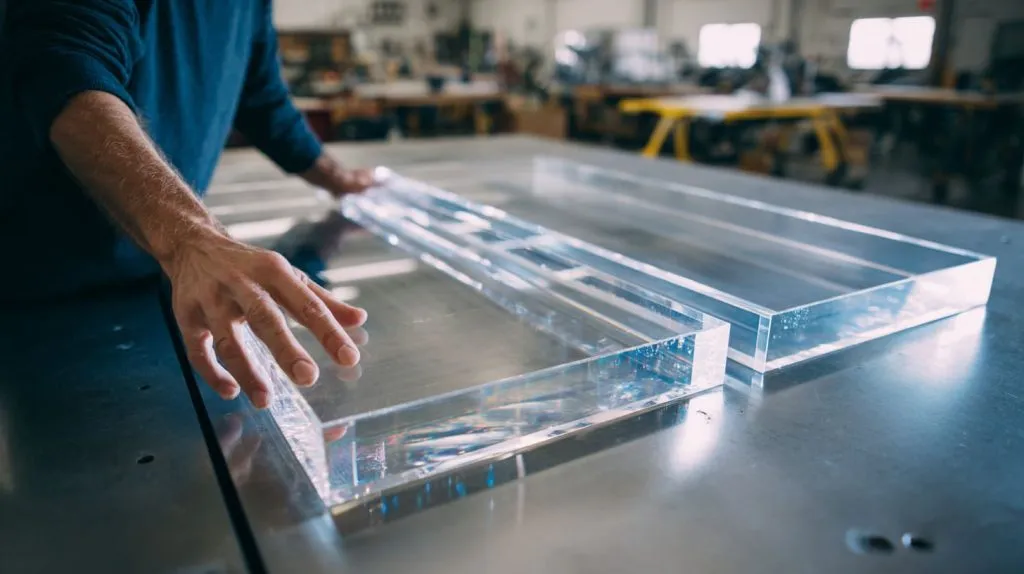
Standard acrylic vs ballistic acrylic
Standard acrylic is mostly chosen for clarity, appearance, fabrication ease, and general impact resistance compared with ordinary glass. It works well in displays, boxes, protective covers, retail fixtures, and many custom applications. But that does not make it bullet-resistant.
Ballistic acrylic is a different conversation.
It is usually engineered for specific protective use, made thicker, and tested under defined conditions. So when someone says, “Acrylic is bulletproof too, right?” my answer is always careful: some ballistic acrylic products can resist certain threats under certain standards, but standard acrylic should not be treated that way.
That difference is huge.
A quick comparison
| Acrylic Type | Main Use | Impact Behavior | Bullet Resistance |
|---|---|---|---|
| Standard acrylic | Displays, covers, retail fixtures | Good general impact resistance | No, not in the normal safety sense |
| Ballistic acrylic | Protective glazing applications | Engineered for higher force resistance | Only when specially designed and tested |
Why people mix them up
The confusion often comes from surface logic.
A thick clear acrylic sheet looks strong. A ballistic acrylic panel is also clear. So some people begin to think the only difference is thickness. That is not true. Material grade, design intent, and testing all matter.
I have seen purchasing teams ask for “20 mm acrylic” as if that number alone solves the problem. It does not. A thick sheet with the wrong design purpose is still the wrong sheet.
Strength characteristics of acrylic
Acrylic has some real strengths, and I do not think buyers should ignore them.
It offers excellent optical clarity. It is lighter than many laminated ballistic glass systems. It can be easier to machine, cut, polish, and shape. For certain lower-risk security or protective uses, those benefits matter a lot.
What acrylic does well
| Property | Why Buyers Like It |
|---|---|
| Optical clarity | Clean visual presentation |
| Lower weight | Easier handling and lower structural load |
| Fabrication flexibility | Easier to cut, machine, and customize |
| Cleaner look | Popular in modern commercial design |
In many B2B projects, these are not minor advantages. They change freight cost, mounting design, installation labor, and even how fast a prototype can move.
But impact behavior is not the whole story
Acrylic reacts differently from laminated glass systems during failure. A hard hit may crack it. Under the wrong conditions, it may lose protective value fast. Surface scratching is another issue. In public-facing use, scratches build up. Cleaning methods matter. Daily abuse matters. Long-term appearance matters.
That is why I never evaluate acrylic with one flattering sample in perfect light. A material has to survive handling, maintenance, and user behavior too.
Acrylic failure behavior matters
| Issue | Ballistic Acrylic Concern |
|---|---|
| Surface scratching | Can reduce appearance faster |
| Repeated abuse | May age poorly in rough public use |
| Misapplied threat level | Can fail if used above intended rating |
| Assumption of “plastic toughness” | Can create false confidence |
The practical way I think about acrylic
I respect acrylic most when people use it with discipline.
If the threat level is lower, if weight matters, if clarity matters, if fabrication flexibility matters, and if the product has been properly designed and rated, then acrylic can be smart. Very smart.
But if the discussion is vague, if the threat level is uncertain, or if the buyer is mainly chasing a lower quote, then acrylic becomes risky because people start asking it to do a job it was never meant to do.
That leads directly to the next question, and it is the one buyers usually care about most: what is the real difference between bulletproof glass and acrylic when both are sitting on the quote sheet?
What is the real difference between bulletproof glass and acrylic?
When buyers compare bulletproof glass and acrylic, they often compare the wrong things first.
They look at thickness. They look at price. They look at shipping weight. Those things matter, yes. But the deeper difference starts in how the material system is built and how it handles force, wear, and long-term use.
I have sat in enough product discussions to know that two transparent panels can create a very misleading sense of similarity. They look related because they are both clear. They are not equal just because they share transparency.
The real difference sits inside the build, inside the failure pattern, and inside the use case.
If I sense that two options are being treated as interchangeable too early, I stop the meeting and force the team to compare behavior, not appearance.
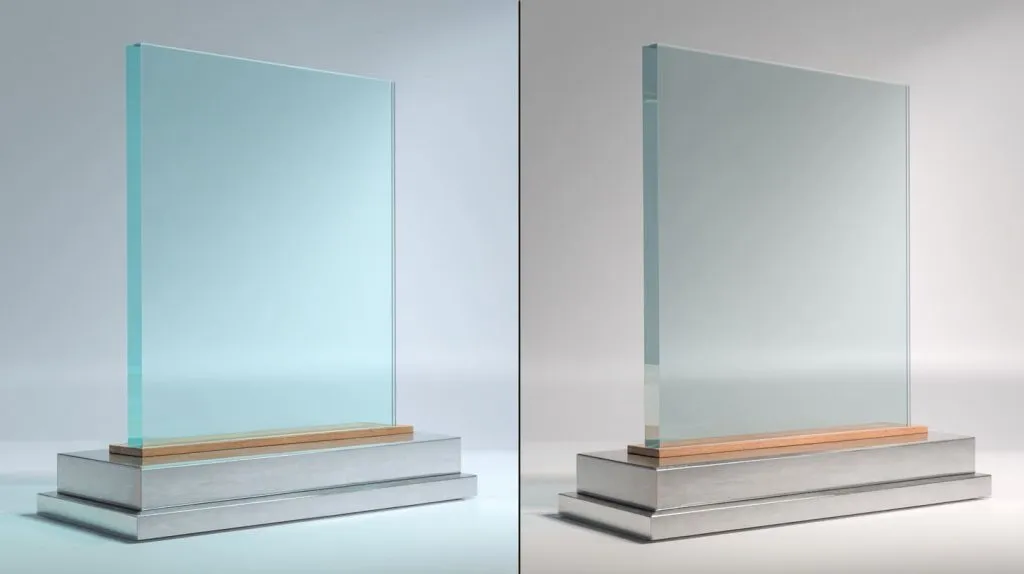
Structural differences
Ballistic glass systems use a layered logic. They combine hardness and energy absorption through multiple materials. Ballistic acrylic is more monolithic in nature. It may be engineered for protection, but it does not behave like a laminated glass-polycarbonate system.
That difference changes everything from weight to failure style.
Hardness and flexibility are balanced differently
Glass-based ballistic laminates often rely on the hard outer sections to resist and disrupt the incoming force, while softer or tougher internal layers help absorb energy and control fragments.
Acrylic does not copy that system in the same way. It brings clarity and lighter weight, but its structure is different, so its strengths and limits are different too.
Performance comparison table
| Factor | Bulletproof Glass | Ballistic Acrylic |
|---|---|---|
| Weight | Heavy | Much lighter |
| Thickness | Moderate to high | Usually thicker for equivalent lower-level applications |
| Optical clarity | Good | Excellent |
| Scratch resistance | High | Lower |
| Upfront cost | Higher | Lower |
| Surface durability | Better in public wear | More vulnerable to scratching |
| Structural load impact | Higher | Lower |
| Fabrication ease | More complex | Easier |
This table helps, but I do not like stopping at tables. Tables can flatten judgment. In real projects, trade-offs are not neat.
Where bulletproof glass usually performs better
Bulletproof glass often fits better in higher-threat settings, public-facing areas, or projects where repeated abuse, surface wear, and stronger long-term durability matter. Banks, checkpoints, higher-risk service windows, and settings that expect harder use often push me toward laminated glass systems.
Where ballistic acrylic can make more sense
Ballistic acrylic often works better where the threat level is lower, weight is a major concern, and fabrication flexibility matters. Portable systems, lighter structures, some retail barriers, and projects where optical clarity matters a lot can lean toward acrylic.
A real-world style comparison
| Situation | Material I would examine first | Why |
|---|---|---|
| High-risk transaction point | Ballistic glass system | Better fit for harder-use security need |
| Portable clear shield | Ballistic acrylic | Lower weight helps a lot |
| Public counter with rough daily wear | Ballistic glass system | Better scratch and surface durability |
| Custom-sized light structure | Ballistic acrylic | Easier handling and fabrication |
The trap buyers fall into
The trap is simple: they compare the nice parts of acrylic against the difficult parts of glass.
They say acrylic is lighter. True.
They say acrylic is clearer. Often true.
They say acrylic is cheaper. Sometimes true.
But then they quietly ignore scratch resistance, long-term public wear, rating limits, and repeated impact needs. That is not a balanced comparison. That is selective thinking.
Why this difference matters so much
I have seen projects where the acrylic option looked brilliant in a sample room and weak six months later in real use. I have also seen glass-based options look expensive upfront and then prove far more stable over time.
That does not make one material good and the other bad. It just means the wrong comparison method can fool smart people.
A project rarely fails because someone was too curious. It usually fails because someone simplified the comparison too early.
And that brings us to the money problem. Not the budget itself, but the way buyers often use cost as their first filter and accidentally create a much bigger risk.
Why do buyers make cost-based mistakes?
I do not think most buyers make these mistakes because they are careless. I think they make them because the wrong numbers show up first.
A quote arrives. One option is much cheaper. Another is much heavier and harder to install. The cheaper one looks clear, clean, and “good enough.” That phrase—good enough—has caused a lot of damage in material decisions.
The problem is not that cost matters. Cost always matters.
The problem is when buyers compare a clear sheet to another clear sheet without checking whether they are buying the same level of protection, durability, and performance logic.
When a quote looks surprisingly attractive, I do not get excited first. I get suspicious, because low cost often means someone removed a requirement without saying it clearly.

The “price per sheet” trap
This is the most common mistake I see.
A buyer compares price per panel. A supplier gives a cheaper acrylic option. The buyer thinks the project has found efficiency. But the comparison is weak if the two materials are not matched at the same ballistic standard or intended use level.
That is like comparing a raincoat to a fire jacket because both are coats.
Why the cheap quote feels convincing
- The panel is transparent
- The thickness sounds substantial
- The freight cost looks better
- The handling looks easier
- The budget line gets relief fast
That is why the trap works. It gives quick emotional comfort.
But this is what often gets ignored
| Ignored Factor | Why It Hurts Later |
|---|---|
| Ballistic rating mismatch | The panel may not meet real safety need |
| Multi-hit requirement | Lower-cost option may fail under repeated force |
| Surface durability | Replacement or ugly wear may show up fast |
| Maintenance cost | Cleaning and scratching can shorten useful life |
| Structural use case | Wrong material may force redesign later |
Misunderstanding thickness and performance
Another cost mistake comes from treating thickness like a magic answer.
I hear this logic a lot: “If we use thicker acrylic, won’t that solve it?”
Not necessarily.
Thickness helps, but thickness alone does not create equivalent ballistic performance. Structure matters. Material system matters. Testing matters.
Thicker does not always mean safer
| Assumption | Reality |
|---|---|
| Thicker acrylic equals laminated ballistic glass | No, structure and tested design differ |
| More material always means better protection | Not unless the build is engineered for the threat |
| Thick-looking panel feels safe | Visual impression is not a performance standard |
This is one of those points that frustrates people because it feels unfair. They want one visible clue. They want to look at thickness and know the answer. I understand that instinct. But clear protective materials do not reward that kind of shortcut.
Overlooking lifecycle costs
Upfront price is only one part of the real cost.
Acrylic can save money at the beginning. That may be smart in the right application. But if the panel scratches fast, clouds visually, needs replacement sooner, or creates public-use maintenance issues, then the cheap option may not stay cheap for long.
I care a lot about lifecycle cost because I have seen buyers celebrate an early savings number and then spend that savings later in replacement, complaint handling, or retrofit work.
Cost does not end at the purchase order
| Cost Type | Bulletproof Glass | Ballistic Acrylic |
|---|---|---|
| Initial panel cost | Higher | Lower |
| Freight/handling cost | Higher | Lower |
| Surface wear risk | Lower | Higher |
| Replacement frequency risk | Lower in rough public use | Higher in rough public use |
| Visual maintenance concern | Moderate | Higher if scratched badly |
Where cost thinking should change
I think buyers should ask a harder question:
What am I really paying to avoid?
- A failed safety expectation?
- A wrong threat-level match?
- A fast replacement cycle?
- A bad public-facing appearance?
- A structure that becomes too heavy?
- An install process that gets too expensive?
That question is much better than asking, “Which sheet is cheaper?”
Because the money mistake is usually not about overspending. It is about spending in the wrong order.
And once a material is chosen for the wrong reason, the safety risks begin to move from theory into real project exposure.
What safety risks come from choosing the wrong material?
Safety risks do not always announce themselves dramatically in the early phase.
A clear panel can arrive on time. It can look clean. It can pass visual approval. The mounting can fit. The client can smile. And still, the real risk can remain hidden because the material was never right for the actual threat.
That is why this topic matters so much to me. A cost mistake in normal decorative acrylic work is frustrating. A cost mistake in protective glazing is much more serious.
I treat vague safety language as a warning sign, because once a project starts using words like “probably enough” around ballistic protection, the decision quality is already dropping.
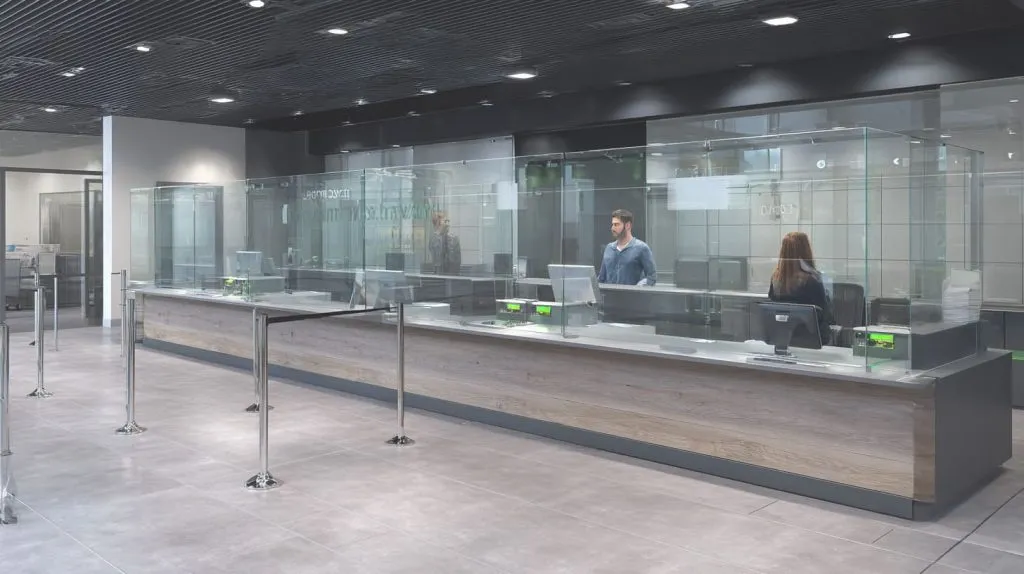
Underestimating threat levels
This is the first major risk.
A buyer may choose acrylic for a project that actually needs stronger multi-hit resistance or higher-level ballistic protection. On paper, the panel still sounds protective. In reality, it may not be built for the actual demand.
This mismatch is dangerous because it feels invisible before failure.
The problem with “low chance” thinking
I have seen teams say things like:
- “The risk is probably low.”
- “This is just a front counter.”
- “We only need basic protection.”
- “The customer mainly wants visual reassurance.”
Those statements can all be partly true. They can also all lead to underbuilt protection if nobody defines the real threat level properly.
Incorrect application scenarios
Not every security setting asks the same thing from a transparent panel.
A retail security counter is not the same as a high-risk security checkpoint. An indoor office screen is not the same as a public-facing transaction barrier in a rough environment. An installation protected from weather is not the same as one exposed to sun, cleaning, and daily contact.
Application context changes the risk
| Application | Main Risk If Wrong Material Is Chosen |
|---|---|
| Retail counter | False sense of security |
| Public-facing service window | Fast scratching and reduced visibility |
| High-risk facility | Insufficient ballistic performance |
| Outdoor or exposed site | Long-term wear and performance loss |
| Portable shield | Overweight design or unstable structure |
This is why I do not like material decisions made by category alone. “Retail.” “Security.” “Office.” Those labels are too broad. The details matter.
Real-world failure patterns
The way a material fails matters almost as much as the way it performs when new.
Acrylic may crack or lose integrity in ways that make it unsuitable for higher-demand uses. Laminated glass systems can also fail, of course, but they are designed differently and often manage fragmentation and energy in a different way.
The point is not that one material is failure-proof. The point is that each failure mode carries different consequences.
Common failure concerns
| Material | Failure Concern |
|---|---|
| Acrylic | Cracking, penetration risk if misapplied, surface damage |
| Laminated ballistic glass | Delamination over time in poor conditions, spall concerns depending on build |
| Both | Wrong specification can make any material unsafe |
Sometimes the biggest safety risk is not the panel itself. It is the confidence built around it.
A wrong material can create a stronger visual promise than it can actually support. That is dangerous. People behave differently when they believe a barrier is protective. Staff stand differently. Customers feel differently. Operators trust the installation differently.
That psychological layer matters.
Safety is not only about the hit itself
It is also about:
- user behavior
- daily reliance
- maintenance discipline
- visibility over time
- confidence built into the environment
That is why I say this topic is not a simple materials lesson. It is a decision lesson.
And once the risks are clear, the next step gets easier. We stop asking which material sounds better and start asking how buyers should actually choose the right one.
How should buyers choose the right material?
I think buyers make better decisions when they stop starting with the material name.
Do not begin with “Should I use acrylic?” or “Should I use bulletproof glass?” That feels natural, but it is backwards. Start with the protection need, the use environment, and the practical limits of the project. Then let the material follow.
That one shift can save a lot of trouble.
I have had many talks where the answer became obvious only after the team stopped defending its favorite material and started defining the real job.
What changes my decision fastest is not the panel quote. It is the moment I understand who will stand behind it, who will touch it every day, and what kind of threat we are honestly designing against.

Start with threat level, not material
This is the first filter. Always.
If the project needs a certain ballistic rating, that requirement should narrow the options immediately. It gives the team something objective to work with. It also stops emotional guessing.
Good buying sequence
- Define the threat level
- Identify the standard or certification target
- Check if multi-hit performance matters
- Review the real installation environment
- Compare qualified material options
- Review lifecycle cost and maintenance
That is a much stronger sequence than starting with sheet price.
Match material to certified standards
A product should not be chosen because someone believes it is “strong enough.” It should be chosen because it meets the needed standard for the application.
Standard-first thinking reduces bad assumptions
| Decision Step | Weak Approach | Better Approach |
|---|---|---|
| Threat definition | Vague language | Clear rating target |
| Material selection | Choose by familiarity | Choose by certified fit |
| Cost review | Compare quoted numbers only | Compare qualified options only |
| Final approval | Approve by sample feel | Approve by performance logic |
Evaluate application environment
This part gets ignored too often.
A panel in a private, controlled area may live a very different life from one in a rough public-facing setting. Weight, mounting style, user contact, cleaning frequency, UV exposure, and risk of scratching all matter.
Questions I like to ask here
- Is the panel indoors or outdoors?
- Will staff clean it daily?
- Will customers touch it often?
- Is the frame strong enough for heavier glazing?
- Does the structure need a lighter option?
- Is long-term optical appearance critical?
Those questions can move the answer quickly.
Balance cost vs risk
This is where judgment matters most.
Acrylic can be enough in some applications. Bullet-resistant glass systems can be necessary in others. Neither choice is “better” in all cases. The right choice depends on what risk you are paying to reduce and what trade-off you can live with.
A balanced decision table
| Priority | Acrylic May Fit Better | Bulletproof Glass May Fit Better |
|---|---|---|
| Lower weight | Yes | No |
| Higher scratch resistance | No | Yes |
| Lower upfront budget | Often yes | Often no |
| Higher-risk protection need | Limited by rating/application | Often stronger fit |
| Public-facing long-term wear | Weaker fit | Better fit |
| Custom machining flexibility | Better | Harder |
I do not trust the cheapest solution or the heaviest solution by default. I trust the one that makes the fewest dangerous compromises for the actual job.
Once that logic is in place, the decision becomes much more practical. It also becomes easier to see why acrylic is sometimes the smarter choice and why that choice is not always a downgrade.
When is acrylic the smarter choice?
I like acrylic most when the project respects what acrylic is good at and does not ask it to play a role beyond that.
That sounds obvious, but it is where many good decisions actually begin. Acrylic is not a “cheap substitute” in every case. Sometimes it is the cleaner, lighter, more useful answer. The key is knowing where that answer holds up.
I have seen acrylic solve problems very elegantly when the threat level is lower, the structure cannot carry too much weight, and the project needs custom fabrication without dragging the whole timeline.
I start leaning toward acrylic when the use case asks for agility more than brute resistance, and when the protection goal stays inside the product’s tested comfort zone.
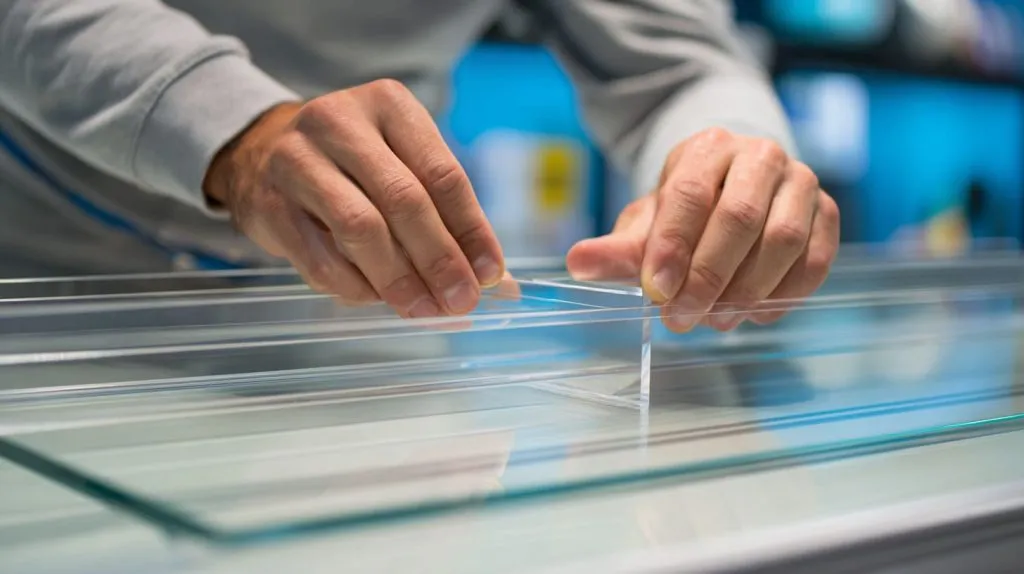
Low to medium threat environments
Acrylic can be a smart fit in lower-risk protective settings where weight, clarity, and ease of use matter more than the hardest ballistic demand.
Retail counters are one example. Some display protection systems are another. In these cases, the project may still care about barrier function and safety presence, but it may not require the heavier logic of a higher-risk glass laminate system.
Typical situations where acrylic may work well
| Use Case | Why Acrylic Can Help |
|---|---|
| Retail service counter | Lighter and easier to handle |
| Display protection | Clear and visually clean |
| Controlled indoor environment | Lower wear stress than rough public space |
| Lower-structure load projects | Reduced weight helps installation |
Weight-sensitive designs
This advantage is real.
Heavier glazing changes frames, mounts, freight, labor, and sometimes building constraints. A lighter acrylic solution can simplify the whole project chain. That is not a small detail. It can change whether a design is practical at all.
Where lighter weight becomes a major plus
- Wall-mounted protective systems
- Portable or transportable barriers
- Temporary installations
- Structures with limited support strength
- Retrofits where frame redesign is expensive
I have seen a material decision flip entirely when the installation team realized the heavier option would force a stronger support system and raise the total project cost far beyond the panel price itself.
Custom fabrication advantages
This is another reason acrylic often earns serious attention.
Acrylic is easier to cut, shape, polish, route, and customize than many laminated ballistic glass assemblies. For B2B projects with unusual sizes, branded layouts, custom openings, or faster iteration needs, that flexibility can matter a lot.
Fabrication comparison
| Factor | Acrylic | Bulletproof Glass |
|---|---|---|
| Cutting/custom shaping | Easier | More difficult |
| Prototype speed | Faster | Slower |
| Handling during fabrication | Easier | Harder |
| Weight during assembly | Lower | Higher |
But smart choice does not mean blind choice
I do not recommend acrylic just because it is easier to work with. That would be lazy.
I recommend it when:
- the threat level fits
- the rating requirement fits
- the use environment fits
- the maintenance reality fits
- the structural logic fits
That is the difference between a smart acrylic choice and a risky acrylic shortcut.
And once you see where acrylic works well, it becomes much easier to understand the opposite side too. There are projects where bulletproof glass is not just the premium option. It is the more responsible one.
When is bulletproof glass the better investment?
Some projects ask for more than clarity and lighter weight. They ask for stronger long-term resistance, harder public-use durability, and a better fit for higher-risk environments. That is where bulletproof glass often becomes the stronger answer, even when the quote hurts more at first glance.
I do not love telling buyers to spend more money without a good reason. But I dislike false economy even more. A project can save money early and still lose badly later if the material choice cannot support the real use condition.
I turn more serious very quickly when the installation sits in a harder-use setting, because public abuse, repeated contact, and higher threat expectations punish optimistic material choices fast.

High-risk environments
Banks, government buildings, secure checkpoints, and other higher-risk sites often push the decision toward laminated ballistic glass systems. In these places, the cost of getting the material wrong is too high.
This is not only about stopping one event. It is also about designing for stronger performance logic, better durability, and more disciplined risk control.
Why higher-risk settings change the math
| Environment | Why Bulletproof Glass Often Wins |
|---|---|
| Banks | Higher expectation of strong protection |
| Government buildings | Security standards are often stricter |
| Checkpoints | Public use and repeated stress matter |
| High-risk service windows | Stronger performance margin is often needed |
Multi-hit and higher caliber protection
This is where laminated systems often justify their cost more clearly.
Higher-rated systems are built to handle more serious ballistic demands. If the requirement includes stronger resistance or repeated impact concerns, then lighter and cheaper options usually stop looking attractive very fast.
What I watch closely here
- Required protection level
- Multi-hit expectations
- Spall control
- Surface durability in rough public use
- Long-term reliability under repeated cleaning and contact
Those issues add weight to the glass option, both literally and logically.
Surface durability requirements
This part gets less attention than it should.
Even if a project does not face the highest ballistic threat, it may still face constant scratching, wiping, touching, impact from objects, and rough daily treatment. In those cases, a harder surface can protect not only safety performance but also visibility and professional appearance over time.
Long-term durability is a budget issue too
| Long-Term Concern | Bulletproof Glass | Acrylic |
|---|---|---|
| Scratch resistance | Stronger | Weaker |
| Public-use appearance retention | Better | Riskier |
| Heavy-use maintenance burden | Lower in many cases | Higher in many cases |
| Upfront cost | Higher | Lower |
This is why I sometimes tell buyers that the expensive option is actually the calmer option. It asks for more money now, yes. But it may ask for fewer apologies, fewer replacements, and fewer compromises later.
That does not mean bulletproof glass belongs everywhere. It does mean some environments punish the cheaper choice so badly that the expensive one becomes the practical answer.
So the final question is not emotional anymore. It is operational: how do buyers avoid this common cost mistake when they source these materials in the real B2B world?
How to avoid the common cost mistake in B2B sourcing?
By the time a project reaches sourcing, many decisions already feel half-made. A team has a budget. A designer has a sketch. A buyer has timing pressure. A supplier has a quote template ready. That is exactly why mistakes happen here. Everyone wants speed.
I understand that pressure. I live close to manufacturing timelines. But when a protective material gets sourced too fast, the quote can look organized while the logic behind it stays weak.
I trust a slower first comparison over a fast wrong order, because one extra round of questions is cheaper than discovering the spec gap after production starts.

Ask the right supplier questions
Most sourcing mistakes start with vague RFQs.
If the buyer only asks for “bulletproof acrylic” or “bulletproof glass panel,” the supplier has too much room to interpret the need. Some suppliers will ask good follow-up questions. Some will not. A weak brief creates weak comparisons.
Questions I would ask every supplier
- What ballistic standard does this product meet?
- What exact rating level is certified?
- What thickness was tested?
- Was the test done on the same construction being quoted?
- Is the product intended for indoor or outdoor use?
- What are the scratch and maintenance concerns?
- What frame or mounting conditions are required?
These questions force clarity.
Supplier question table
| Question | Why It Matters |
|---|---|
| What standard is certified? | Prevents vague safety claims |
| What rating level applies? | Tells you the actual protection target |
| What thickness was tested? | Stops random thickness assumptions |
| Is this the same construction as quoted? | Avoids mismatch between sample and delivered build |
| What are the maintenance limits? | Helps forecast lifecycle cost |
Compare “same-level” solutions
This is maybe the most important sourcing discipline of all.
Do not compare acrylic and glass unless you are comparing them at the same intended protection level and use condition. Otherwise the cheaper quote may simply be solving a smaller problem.
A weak comparison vs a real comparison
| Comparison Type | Result |
|---|---|
| Clear acrylic vs bullet-resistant glass with no rating match | Misleading |
| Lower-rated acrylic vs higher-rated glass | Useless |
| Same threat target, same installation logic, same use condition | Worth reviewing |
I have seen buyers accidentally compare a basic or lower-demand acrylic solution against a stronger laminated system and then act surprised that the acrylic looked like a bargain. Of course it did. It was doing less.
Work with experienced manufacturers
Experience matters here because a good supplier does more than quote thickness and square meter price. A good supplier helps match the material to the application, explains what the product can and cannot do, and warns you when your assumptions are drifting.
That kind of honesty saves money.
What I value in a supplier
- Clear technical communication
- Honest discussion of limits
- Willingness to discuss risk, not just price
- Understanding of custom project conditions
- Ability to support with drawings and application fit
A supplier who says yes too quickly makes me nervous.
My practical sourcing checklist
- Define the real protection need
- Request certified, level-specific options
- Ask for full construction details
- Check weight and installation impact
- Review maintenance and lifecycle cost
- Compare only same-level solutions
- Choose the option that fits the real use, not the nicest first quote
That process is not glamorous. It works.
And that is really what this whole article has been pushing toward: not a dramatic answer, but a disciplined one.
Conclusion
I wrote this because I have seen how easily transparent materials can confuse smart people.
Bulletproof glass and acrylic can sit next to each other in a quote sheet and create the illusion that the choice is simple. It is not. One line item looks cheaper. One looks heavier. One sounds easier. But that surface-level view hides the real question, and the real question is always about performance, risk, and long-term fit.
I think this way because I have spent too much time around custom material decisions to trust first impressions. A panel that looks strong is not always strong in the right way. A cheaper option is not always a smarter option. And a material that works beautifully in one project can become a serious mistake in another.
That is why I keep coming back to the same belief: the biggest mistake is not choosing acrylic or choosing glass. The biggest mistake is choosing before the threat level, use condition, and lifecycle reality are clear.
I believe that because I have seen how wrong comparisons begin. They begin with sheet price. They begin with visual thickness. They begin with casual language. They begin with someone saying, “This should be fine.” Those are small moments. But small moments are often where expensive safety problems are born.
My view is simple.
If the project needs lower weight, easier custom work, and the protection demand truly fits the product’s tested range, acrylic can be a smart and honest answer.
If the project faces higher threat, rougher use, stronger durability demands, or stricter public safety pressure, then bulletproof glass is often worth the extra cost.
I do not reach that conclusion because it sounds balanced. I reach it because real projects punish lazy comparisons.
So if you are sourcing a clear protective panel now, do not ask only, “Which one is cheaper?”
Ask:
- What level of protection do I really need?
- What kind of use will this panel face every day?
- What failure can I not afford?
- What cost am I trying to avoid now, and what cost might I be creating later?
That is the kind of thinking that protects both budget and safety.
And if you are working on a custom acrylic or clear protective product and want a practical second opinion on fabrication, weight, customization, or application fit, reach out to me through flacrylic.com. I care much more about helping you choose the right logic than pushing the wrong material.