Skip to content
When the first time I walked into a bustling neighborhood store and saw a striking end rack that practically begged me to explore its products. It reminded me of a well-dressed friend who always catches your eye. I was hooked right away.

What is a Shop End Rack?
A shop end rack is the display you usually see at the tail of an aisle. It showcases items shoppers might otherwise overlook. I like to think of it as an exclamation point at the end of a sentence—it adds emphasis right where it counts. It can be constructed from many materials, but I often lean toward acrylic because it’s sturdy, sleek, and adaptable.
From a more critical perspective, a shop end rack goes beyond just holding products. It can shift the way people move through a store. It can also shape buying habits. We have to question: Does every end rack truly maximize store potential, or can it become visual clutter if not used properly?
Why Shop End Racks Matter for Retail Displays
I’ve seen how these racks can change shopper behavior. One time, I was passing by a display of new snack flavors I didn’t intend to buy. But the rack design was so neat and accessible that I threw a bag into my cart without a second thought. That was an unexpected win for the store.
From a critical lens, you might wonder if end racks risk overwhelming your customers with last-minute temptations. Yet, if done smartly, they strike a balance. They highlight key products, give them a spotlight, and drive impulse purchases without making anyone feel pressured.
Overview of Common Retail Display Challenges
Retail displays often suffer from:
- Poor visibility when products are too low or too high.
- Mishandled arrangements that confuse rather than guide customers.
- Materials that break easily or don’t match the brand identity.
We should always ask ourselves: Are we just arranging products, or are we creating a memorable experience for customers? That simple question can reframe how we approach display design.
I still recall the first time I analyzed a chaotic setup in a mall store. They tried to cram everything into one corner, and it felt like rummaging through a discount bin. That taught me the value of a clear and purposeful layout.
Here’s a quick table summarizing common challenges and potential fixes:
| Challenge | Potential Fixes |
|---|---|
| Lack of Clear Theme | Use cohesive color schemes |
| Improper Lighting | Add spotlights or LED strips |
| Overcrowded Shelves | Simplify layout, remove low-selling items |
If you’re ready for more, let’s explore what makes an end rack a real game-changer and not just another piece of store furniture.
Understanding the Role of an End Rack
Let me share a brief story. After a successful product launch, I took a walk through my friend’s boutique. We noticed customers gravitating to a newly installed end rack. It wasn’t magic. It was the right mix of design, placement, and easy access.

Driving Impulse Buys
End racks stand at the crossroads of logic and emotion. Sometimes, shoppers don’t plan to buy that extra lip balm or candy bar, but it’s right there, neatly displayed. This phenomenon is worth a deeper look. Are we encouraging more spending than needed, or are we simply meeting the shopper’s overlooked desires? It’s a fine line. Proper design keeps it tasteful.
Enhancing Product Visibility and Access
The best shop end racks prioritize simple reachability. By showcasing items at eye level or within easy hand’s reach, you reduce “decision friction.” People appreciate not having to bend or stretch. However, we can’t ignore concerns about accessibility. Is the display too high for shorter customers? Too cluttered for quick browsing? Balancing these elements helps deliver a more inclusive shopping environment.
Creating a Focal Point for Promotions
An end rack can be the centerpiece for limited-time offers. I love to feature seasonal items—like holiday-themed chocolates or summer skincare sets—so passersby notice them without scanning multiple shelves. That singular focus can be powerful, but some critics argue that it can overshadow other in-store promotions. This is why it’s key to integrate end racks seamlessly, so they shine but don’t monopolize attention.
Forty words to lead into our next topic: If you’ve come this far, you’re probably already imagining your perfect end rack. Let’s dig deeper and see which type of rack might best fit that vision.
Types of Shop End Racks
Many times, I’ve wandered through different stores, examining how they present items at aisle ends. It fascinates me how the rack style alone can change the entire vibe of a display. So let’s break down the variations.

Freestanding End Racks
Freestanding racks stand on their own. They can be positioned almost anywhere. For me, the biggest advantage is the flexibility. Move them next to a wall, push them to an aisle end—whatever the traffic flow dictates. But from a more skeptical viewpoint, one could argue that freestanding racks can tip over if they’re not anchored or if they’re overloaded. Always confirm the stability factor.
Wall-Mounted or Corner End Racks
Wall-mounted racks are anchored, so they save floor space. You might prefer them if your store has tight walkways. Corners work great for small product lines that need a little flair. However, we should consider if these racks are visible enough or if they might be overlooked by busy shoppers. That’s a question worth asking.
Modular and Customizable End Racks
Modular racks can be reshaped or rearranged, which is perfect for frequent promotions. I’m a huge fan of reconfiguring racks based on the season or event. The potential downside? Over-customizing can be expensive. Ask yourself: Is the added flexibility truly necessary, or is it just a cool feature you won’t utilize?
Let’s smoothly transition: once you’ve picked a style, design considerations come into play. After all, an ideal rack with poor design won’t do much for your sales.
Key Design Considerations
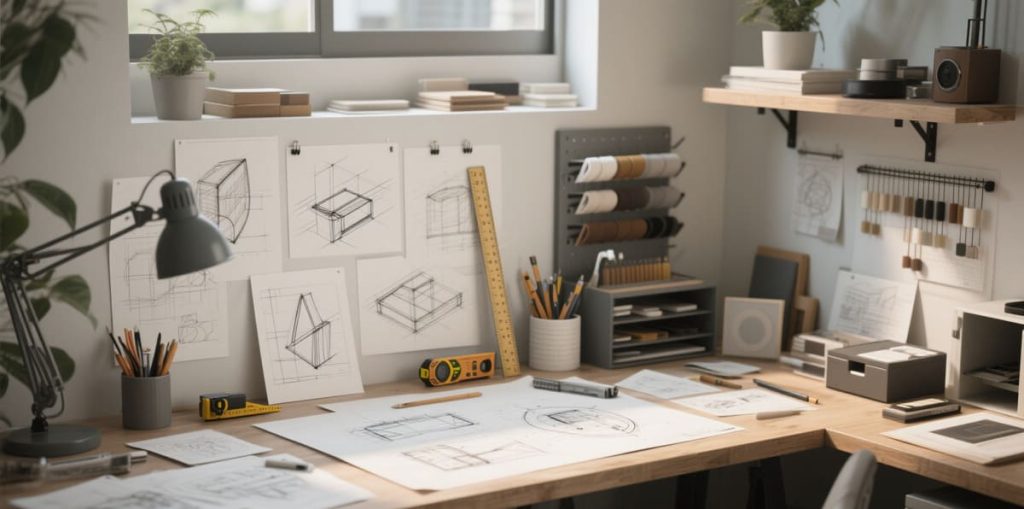
I once spent hours sketching a display plan. Only after I tested it in-store did I see how an inch here and a label there could make or break a rack’s impact. Good design is a puzzle, but it’s a puzzle worth solving.
Size and Scale: Fitting Your Store Layout
Measuring your space sounds basic, but I’ve met too many folks who order a rack that doesn’t fit through their doors. Seriously, measure your aisle width, account for foot traffic, and ensure the end rack doesn’t block movement. In a more critical stance, is there a risk of over-optimizing space to the point of crowding? Always keep your customers’ comfort first.
Material Selection: Acrylic, Metal, Wood, and More
I’m partial to acrylic for its modern look and easy cleaning. Feilong Acrylic—my go-to partner for custom solutions—offers acrylic shop displays that are sturdy and eco-friendly. Metal is solid for heavier goods, while wood lends a rustic vibe. The decision boils down to matching your store’s brand aura. In any case, weigh the trade-offs between aesthetics, durability, and cost.
Durability and Weight Capacity
I once saw a rack collapse under the weight of canned goods. It was a comedic scene, but the store owner wasn’t laughing. Don’t underestimate how heavy certain products can be. Be sure to ask manufacturers for load-bearing specs.
Aesthetics and Branding Elements
Colors, logos, and signage all need harmony. One time, I tried a bright, glossy color scheme, only to realize it overshadowed the actual products. Not my best moment. Think about whether the rack complements your brand message or distracts from it.
I want to keep you on board for the next part, so here’s a quick segue in 40 words or less: Once you’ve pinned down these crucial design points, it’s time to figure out where your new rack will live in your store’s layout. Let’s map out the perfect spot.
Strategic Placement and Layout
Finding that sweet spot for your end rack can be like discovering the perfect angle to photograph a breathtaking sunset. You move around a little, try different views, and suddenly, everything just clicks.

Identifying High-Traffic Zones
I love to stand by the store entrance for a few minutes and watch how customers naturally flow. Do they walk straight to the right aisle, or do they linger in a central area? Pinpointing these high-traffic zones is the first step in deciding where an end rack might thrive. However, a skeptic might say, “A high-traffic area can also lead to congestion if not well-managed.” Good point. Always consider spacing.
Balancing Customer Flow with Visual Appeal
No one wants to feel trapped in a display maze. Try to avoid placing racks where foot traffic jams can happen. I sometimes mark the floor with tape to visualize how the flow changes if a rack is added. It’s a straightforward trick that can reveal potential choke points.
Coordinating with Other Store Fixtures
End racks should complement, not overshadow, existing fixtures. I like to keep a color palette that ties in with the rest of the displays. The critical question is: Does this synergy enhance the overall brand identity, or does it create uniformity so strong it becomes forgettable? Finding a middle ground is key.
Forty words to transition: After positioning your rack, you’ll want it to pop. Let’s see how to harness visual impact so effectively that shoppers can’t resist pausing for a closer look.
Maximizing Visual Impact
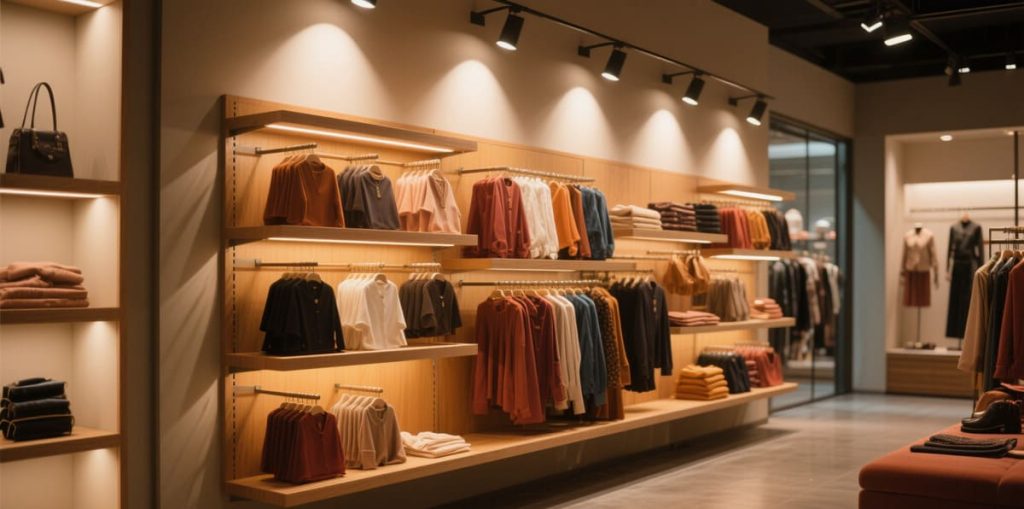
I once visited a high-end boutique with minimalistic lighting, and let me tell you, their subtly lit end rack of luxury lotions had me captivated. People often overlook how color and lighting can transform a display from bland to stunning.
Color and Lighting Techniques
To amp up a display, I might use warm spotlights for cozy items like blankets, or bright LEDs for vibrant tech accessories. But from a critical perspective, we should question the energy costs and how intense lighting might create glare. It’s always a balance between attention and comfort.
Product Grouping and Arrangement Strategies
Arranging items by theme or function helps customers find what they need more quickly. I’ve tried color-blocking, vertical stacking, and even diagonal layouts. Each creates its own vibe. But be cautious: too many grouping concepts might confuse people. As a rule, I simplify after every wave of creativity.
Seasonal and Promotional Themes
I absolutely love playing with seasonal displays—think spring florals or cozy holiday vibes. But don’t stop at just décor. Maybe rotate in new product lines to keep customers intrigued. The downside? Overdoing it can feel like a gimmick, so always evaluate if the theme genuinely supports your products.
Before we move on to upkeep, let’s keep the conversation flowing in one short burst: It’s nice to have a dazzling display, but maintaining that sparkle day after day is the next big challenge.
Maintenance and Durability
A store owner once told me that an end rack is only as good as the care you put into it. Nobody wants to see dusty shelves or chipped acrylic—trust me, that’s a fast way to lose credibility.
Cleaning Protocols for Different Materials
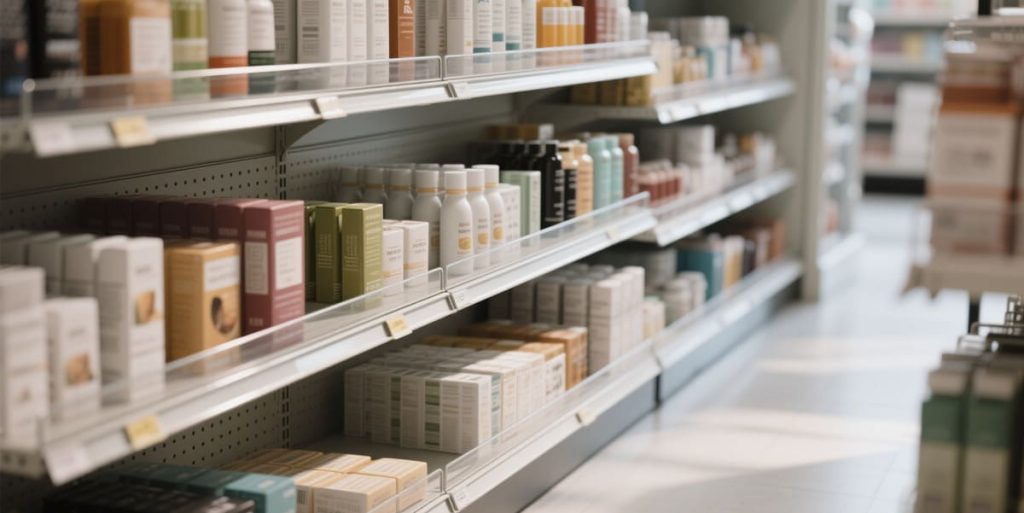
Different materials call for different cleaning approaches. Acrylic typically needs gentle wiping with a mild solution. Wood benefits from polishing, while metal might require rust prevention. If you skip these steps, the display might degrade faster than you expect. So schedule routine cleaning—it’s simpler than dealing with major restorations later.
Routine Checks and Repairs
Make it a habit to inspect every bolt and bracket. If the rack feels wobbly, address it immediately. I keep a small maintenance checklist taped behind the counter. It includes:
- Visual inspection of brackets
- Quick wipe-downs
- Replacement of damaged parts
This approach might seem obvious, but you’d be surprised how many folks skip it.
Long-Term Cost-Effectiveness
Some might argue that cheaper racks are enough, but I’ve seen how well-crafted racks pay off in the long run by reducing replacements. Investing in high-quality materials also supports brand image. But is the highest-end option always worth it? Sometimes yes, sometimes no. Evaluate your priorities—durability might matter more if your store handles heavier products or a large crowd.
Before we meet our next section, I promise it’s worth exploring who you partner with for these racks. Stick with me just a moment longer.
Partnering with a Trusted Manufacturer
I’ve tried a few manufacturers, and I can say that a solid partnership can elevate everything—from design prototypes to final delivery. It’s not about hype or flashy ads; it’s about proven craftsmanship and reliable service.

Benefits of Tailored, Custom Solutions
When I collaborate on a custom project, I get to shape every detail—from the color scheme to the load capacity. It makes the end rack feel like an extension of my brand. However, custom designs might be pricier or take longer. It’s a trade-off, but one that often pays off for businesses seeking a unique edge.
The Feilong Acrylic Difference
Feilong Acrylic, with over 13 years in custom acrylic manufacturing, is a go-to partner for me. Their team can produce displays, boxes, frames, stands, and more. They back their goods with ISO9001 certification, plus they use GSG-certified eco-friendly acrylic. I also value that they handle everything from design concepts to end-of-aisle promotions. It’s one less headache for me.
Fast Lead Times for Urgent Promotional Needs
I can’t count the number of times I’ve needed a new rack “yesterday.” Feilong Acrylic has five production lines and 150+ workers. That means they can handle tight deadlines, whether for a last-minute holiday push or a new product launch. But is speed the only priority? Not always—quality should remain top-notch.
Bulk vs. Personalized Order Considerations
Feilong Acrylic mainly caters to B2B custom orders, no retail or distributors, so they don’t do catalogs. If you want a small batch of unique, personalized pieces, they can handle it. If you want a bulk order for your multiple locations, they can do that too. Still, ask yourself if the custom route aligns with your budget and brand vision.
Let’s wrap up with some final observations and see how it all ties together.
Conclusion
I’ve poured a lot of personal experiences into this guide. My hope is that you’ll feel more confident choosing or designing your next end rack. These racks may look simple, but they’re a powerful tool for guiding customer engagement, boosting sales, and reflecting a brand’s personality.

Recap of Key Takeaways
- Match rack design to your store’s layout.
- Prioritize strategic placement for maximum traffic.
- Think long-term with durable materials and consistent upkeep.
Encouraging Innovation and Regular Updates
Keep experimenting, especially with changing trends. Maybe new lighting ideas will come up, or you’ll spot a fresh way to tie racks into your brand narrative. Regular tweaks keep customers engaged and give you fresh insights into their behavior.
Final Thoughts on End Rack Success
In the end, an end rack isn’t just about products on display. It’s an invitation for deeper conversation with your customers. It’s a chance to show that you’ve thought about the details that matter. I’ve seen how such thoughtful touches can leave a lasting impression. And I believe it’s an adventure worth undertaking.