Skip to content

Creating clear acrylic sheets is a fascinating journey from raw materials to the final product. I've always been intrigued by how something so transparent can be so versatile and strong.
The process of making clear acrylic sheets involves several key steps, starting with the selection of high-quality raw materials, followed by polymerization, casting or extrusion, and finally, cutting and finishing. Each stage is crucial to ensure the clarity and durability of the final product, making acrylic sheets ideal for various applications.
Let me walk you through the intricate steps that bring clear acrylic sheets to life.
What are the raw materials of acrylic?
Ever wondered what goes into making those crystal-clear acrylic sheets[^1] you see everywhere?
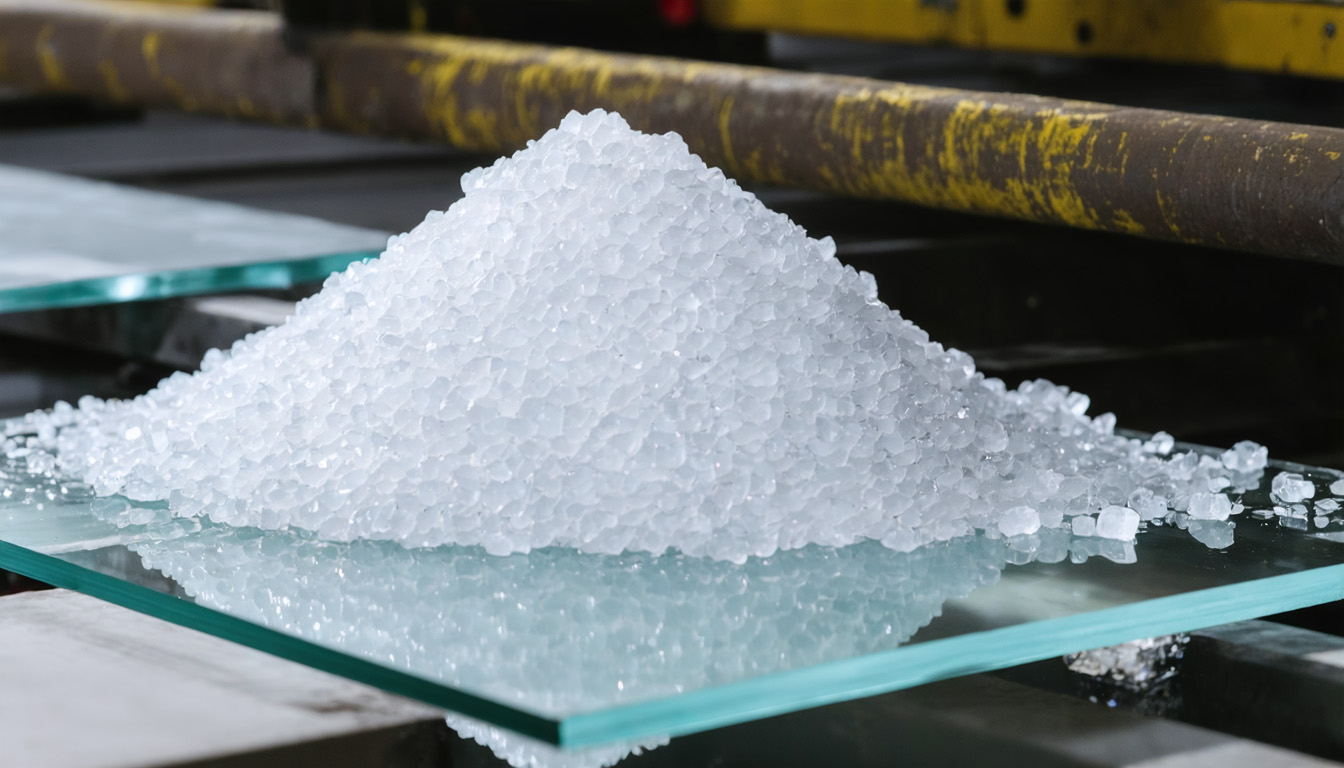
Acrylic sheets are primarily made from polymethyl methacrylate (PMMA), which is derived from raw materials like methyl methacrylate (MMA) monomer, initiators, and other additives that enhance properties like UV resistance and impact strength.

Diving into the raw materials gives us a solid foundation for understanding the entire manufacturing process.
The Building Blocks of PMMA
PMMA is the star of the show when it comes to acrylic sheets. It's synthesized from MMA monomers, which are the basic building blocks. These monomers undergo a polymerization process, where they link together to form long chains, creating the sturdy yet flexible structure of PMMA.
Additives and Enhancements
To tailor the acrylic sheets for specific uses, various additives are mixed in. UV stabilizers help prevent yellowing from sunlight exposure, while impact modifiers enhance the sheet's resistance to breaking. These additions ensure that the final product meets diverse requirements, from signage to protective barriers.
| Raw Material | Purpose |
|---|---|
| Methyl Methacrylate | Primary monomer for PMMA synthesis |
| Initiators | Trigger the polymerization process |
| UV Stabilizers | Protect against sunlight-induced damage |
| Impact Modifiers | Increase durability and resistance |
Understanding these components helps us appreciate the meticulous care taken to produce high-quality acrylic sheets.
What is the method of preparation of acrylic?
Curious about how raw materials transform into the sleek acrylic sheets we use daily?
The preparation of acrylic involves polymerization, followed by either casting or extrusion methods. Polymerization turns MMA monomers into PMMA, and casting or extrusion shapes the polymer into sheets. Each method has its own advantages, impacting the sheet's clarity, thickness, and overall quality.

Let's explore the methods that shape PMMA into the acrylic sheets we rely on.
Polymerization Process
The journey begins with polymerization, where MMA monomers are chemically bonded to form PMMA. This reaction is initiated by heat or chemical catalysts, creating a viscous liquid that can be molded into sheets. The control of temperature and catalysts is critical to ensure the right molecular structure for clarity and strength.
Casting vs. Extrusion
Once polymerized, PMMA can be formed into sheets through two primary methods:
Casting: This traditional method involves pouring the PMMA liquid into a mold and allowing it to cure slowly. Casting produces sheets with exceptional optical clarity and is ideal for high-precision applications.
Extrusion: In this method, PMMA pellets are melted and forced through a flat die to create sheets. Extrusion is faster and more cost-effective, suitable for large-scale production with consistent thickness.
| Method | Advantages | Best For |
|---|---|---|
| Casting | Superior clarity, high precision | Optical lenses, high-end displays |
| Extrusion | Faster production, cost-effective | Large orders, standard thickness |
Both methods require stringent quality control to maintain the integrity of the acrylic sheets.
What is the main ingredient in acrylic?
Have you ever thought about what gives acrylic its distinctive clarity and strength?
The main ingredient in acrylic is polymethyl methacrylate (PMMA), a transparent thermoplastic derived from methyl methacrylate (MMA). PMMA is renowned for its excellent optical properties, weather resistance, and lightweight nature, making it a preferred material for various applications.

Delving deeper into PMMA reveals why it's the cornerstone of acrylic sheet production.
Properties of PMMA
PMMA stands out due to its remarkable clarity, allowing up to 92% of light to pass through, surpassing glass in some cases. It's also highly resistant to UV radiation, preventing degradation over time. Its lightweight nature makes it easier to handle and install compared to traditional glass, without compromising on strength.
Applications Driven by PMMA
The versatility of PMMA allows it to be used in a wide range of applications:
- Signage and Displays: Its clarity and durability make it ideal for eye-catching displays.
- Automotive Parts: Used in headlight lenses and interior components for its strength and transparency.
- Medical Devices: Employed in equipment like incubators and surgical lighting due to its sterilizability and clarity.
PMMA's adaptability ensures that acrylic sheets meet the diverse needs of various industries.
What is the composition of acrylic sheet?
Ever wondered what makes up an acrylic sheet and how its composition affects its performance?
Acrylic sheets are composed primarily of polymethyl methacrylate (PMMA), along with additives like UV stabilizers, impact modifiers, and colorants. The precise composition can vary depending on the desired properties, such as clarity, durability, and resistance to environmental factors.
Understanding the composition helps us appreciate the tailored properties of different acrylic sheets.
Core Composition
At the heart of every acrylic sheet is PMMA, which provides the base material's transparency and strength. The purity of PMMA is crucial; higher purity results in clearer sheets with fewer imperfections.
Enhancements and Additives
To enhance the performance of acrylic sheets, various additives are incorporated:
- UV Stabilizers: Protect against harmful UV rays, preventing yellowing and brittleness.
- Impact Modifiers: Increase resistance to impact, reducing the likelihood of cracking or breaking.
- Colorants: Add desired hues without compromising transparency, used in decorative and functional applications.
Tailoring the Composition
Manufacturers adjust the composition based on the sheet's intended use. For instance, sheets meant for outdoor signage will have higher UV resistance, while those for protective barriers might include more impact modifiers.
| Component | Function |
|---|---|
| PMMA | Provides transparency and strength |
| UV Stabilizers | Protect against UV-induced damage |
| Impact Modifiers | Enhance resistance to physical impact |
| Colorants | Add color without reducing clarity |
By carefully balancing these components, acrylic sheets can be customized to meet specific needs, ensuring optimal performance in their respective applications.
Conclusion
Making clear acrylic sheets is a blend of science and art, transforming raw materials into versatile, high-quality products that serve countless industries. It's a process I'm proud to be a part of, ensuring every sheet meets the highest standards.