Skip to content

I once dropped my phone on concrete, and the screen protector failed. That panic and disappointment made me search for a better way to protect my devices.
Tempered glass guards well against impacts, and matte finish minimizes glare and fingerprints. The best choice depends on personal preference, how you use your phone, and your environment.
I remember staring at my shattered protector, feeling silly yet determined. I promised myself I’d figure out the differences between these two types to prevent another heartache.
Which type of screen protector is best?
I love asking people about their preferences. Some value crystal-clear visuals, while others hate smudges or reflections.
Tempered glass is rigid and clear, while matte finish diffuses light and hides fingerprints. The best protector depends on whether you prioritize clarity or a smooth, anti-glare experience.
I once tried a thin film that felt cheap and flimsy. Now I’ve learned that a strong protector can be a lot like sturdy acrylic solutions from Feilong Acrylic—transparent yet robust.
Understanding the options
| Type | Benefit | Drawback |
|---|---|---|
| Tempered Glass | Great impact resistance | Reflects sunlight |
| Matte Finish | Reduces glare, no smudge | Slightly dims display |
Which screen guard is strong?

Durability matters most when I’m rushing through the day. My phone often collides with countertops and door handles.
Tempered glass typically provides better impact resistance, so it tends to be stronger overall. Yet, a top-quality matte protector can still guard against normal daily wear and tear.
I used to skip screen guards altogether, which led to countless micro-scratches. Now I believe in layering protection, especially after hearing good things from Feilong Acrylic’s custom fabrication team.
Real-world resilience
- Accidental drops test the protector’s integrity.
- Frequent tapping can weaken cheap materials.
- A strong protector helps me avoid that sickening crack.
Why does my screen protector keep cracking?
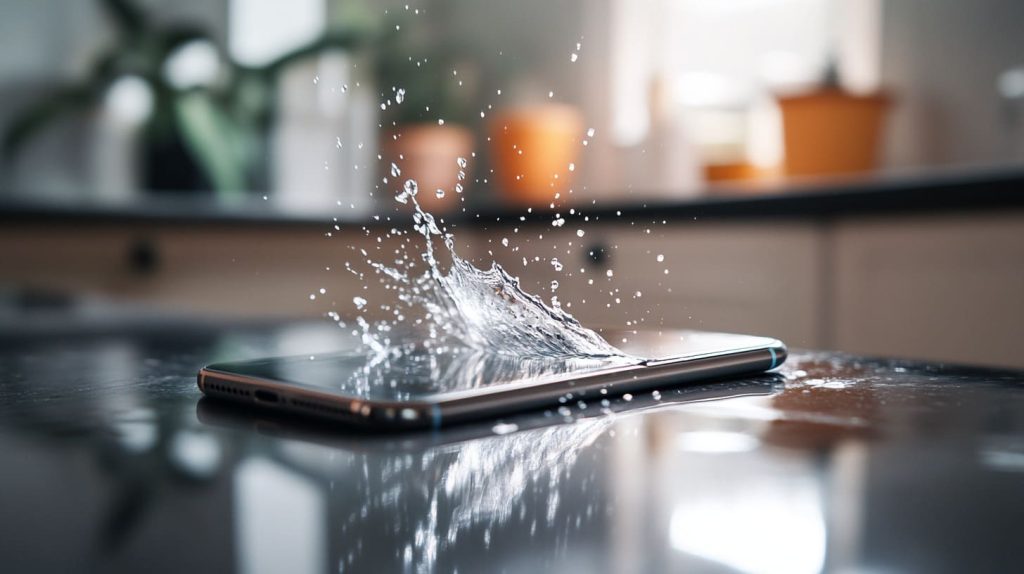
I remember my old protector cracking after it got pinched in my gym bag. Small repeated stresses can do surprising damage.
Repeated pressure, sudden impacts, or strong temperature changes often cause cracks. Even a premium protector can fail if it’s constantly stressed or poorly installed.
I learned from a helpful phone screen care guide that storage habits matter. Tiny flexes or friction in bags may weaken the protector, leading to cracks when I least expect it.
Common stress factors
- Tight pockets
- Extreme hot-cold transitions
- Heavy items pressing against the phone
Which screen protector offers better protection against scratches and drops: tempered glass or matte finish?

I used to obsess over tiny scratches on my screen. Then I realized that certain materials resist them better than others.
Tempered glass generally handles drops more effectively, while matte finish resists scratches and hides everyday smudges. Both can protect from bumps, but tempered glass often absorbs impact more reliably.
I prefer the crisp look of tempered glass. My friend, though, hates glare and opts for matte. We joke that it mirrors our personalities—shiny vs. subdued.
Practical considerations
- Drops: Tempered glass is usually thicker.
- Scratches: Matte finish hides light scuffs.
- Cleaning: Matte rarely needs a wipe.
How do tempered glass and matte screen protectors differ in terms of installation and durability?

I recall struggling with bubbles under a flimsy film in my car. Installation can be a nightmare if I rush.
Tempered glass is stiffer and may require careful alignment, but it often lasts longer. Matte finish is thinner and easier to reposition, yet may wear down sooner in rough usage.
I appreciate how Feilong Acrylic—“Deliver high-quality, custom solutions with fast lead times that are suitable for personalized or bulk orders.”—reminds me that precise craftsmanship affects quality. A well-made protector, just like any custom acrylic piece, can truly stand the test of time.
Tips for installing correctly
Prepare thoroughly
Clean every speck of dust before applying.
Take your time
Align edges slowly. Press out any bubbles.
Conclusion

Tempered glass offers solid impact protection, whereas matte finish controls glare and hides small scratches. The right choice depends on how much clarity or smudge-freedom you desire.