Skip to content
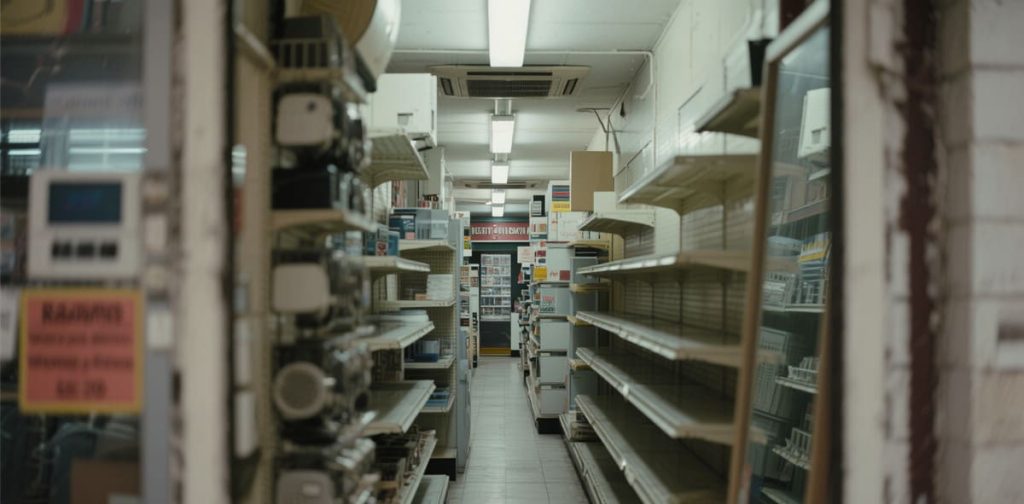
I still remember the first time I walked into a boutique that had asked me to design its fixtures. The owner watched customers pause, smile, then reach for the products we had framed in crystal‑clear acrylic. That day I learned a simple truth: how we present things often decides if we sell them. A recent survey even shows that 55 % of shoppers make buying choices based on in‑store presentation.
What are retail store fixtures?
Store fixtures are the silent stagehands of retail. They include racks, shelves, counters, kiosks, and every stand that carries a price tag. Each one shapes the way shoppers move, stop, and decide.
Stock vs. custom fixtures at a glance
To see the gap between one‑size‑fits‑all and made‑to‑measure, I keep a quick comparison on my desk:
| Aspect | Stock Fixtures | Custom Fixtures |
|---|---|---|
| Branding | Generic colors and shapes | Exact Pantone, signature forms |
| Fit | Standard sizes only | Tailored to every inch |
| Durability | Varies widely | Engineered for heavy traffic |
| Upfront Cost | Low | Medium to High |
| Lifetime Cost | High (repairs, replacements) | Lower (built to last) |
I wrote this article to show why the custom path often pays back many times over. Ready? Let’s dive in.
Customers love a story, so I’ll keep weaving mine as we move to the bigger picture below.
The Strategic Importance of Store Fixtures

When I design a floor plan, I think like a choreographer. Fixtures guide the customer journey, steering traffic flow, dwell time, and those impulsive “I need this!” moments.
Guiding the customer journey
A well‑placed end cap can halt a rushing shopper. A narrow aisle can speed up the browsing rhythm. Small tweaks here change basket sizes there.
Visual merchandising fundamentals
Layering, focal points, and sight‑line control form the ABCs of visual merchandising. If a hero product sits below eye level, it might as well be invisible.
Supporting an omnichannel brand experience
Online images, pop‑up stalls, and flagships all share one goal: consistent brand feel. Custom fixtures help me match textures, colors, and shapes across every touchpoint.
If strategy is the “why,” the next section shows what happens when we settle for off‑the‑shelf solutions instead. Stay with me—this part gets real.
Shortcomings of Off‑the‑Shelf Fixtures

I once visited a store that had forced bulky metal racks into a narrow heritage building. The result? Shoppers bumped elbows, products looked cramped, and sales sank.
Design constraints & brand dilution
Limited shapes and materials blur unique identities. Your logo may shout, but generic fixtures whisper.
Inefficient space utilization
Irregular corners become dead zones when fixtures come only in standard rectangles.
Hidden lifetime costs
A cheap laminate chip today can mean three replacements tomorrow. In my experience, the repair bill often doubles the original purchase price.
Compliance & accessibility gaps
Stock units rarely meet ADA compliance needs out of the box, risking fines and unhappy visitors.
| Hidden Costs of “Cheap” Fixtures | Year 1 | Year 2 | Year 3 |
|---|---|---|---|
| Repairs & Touch‑ups | $1,000 | $800 | $700 |
| Lost Sales (clutter) | $3,500 | $3,000 | $2,500 |
| Total | $4,500 | $3,800 | $3,200 |
Painful, right? Let’s flip the coin and see why custom work often feels like a breath of fresh air.
Key Advantages of Going Custom
Reinforcing brand identity & storytelling
Exact Pantones, etched logos, and signature curves turn fixtures into brand ambassadors.
Maximizing product visibility & sales lift
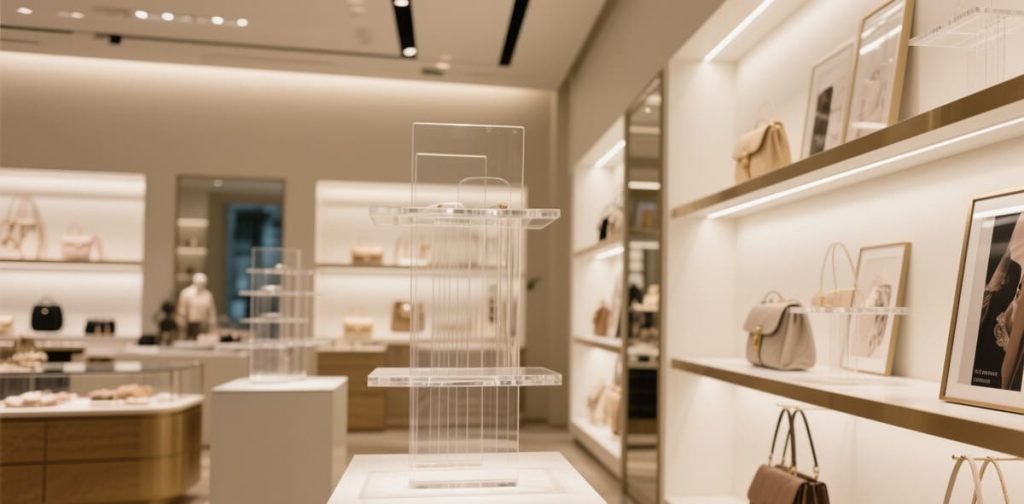
Custom heights, hidden LEDs, and acrylic clarity push every SKU into the spotlight.
Flexible modularity for seasonal changes
Swappable panels let staff rebuild an entire theme overnight without tools.
Durability & quality under heavy traffic
I spec thicker acrylic and CNC‑cut joints that shrug off daily knocks.
Integrating technology & interactivity
Touch screens, RFID shelves, and motion sensors merge physical with digital.
Sustainability & material stewardship
Recycled acrylic and low‑VOC finishes support ESG goals without sacrificing looks.
Regulatory compliance baked‑in
Designing with codes in mind saves headaches later.
| Advantage | How It Shows Up on the Floor |
|---|---|
| Storytelling | Engraved side panels narrate product origin |
| Visibility | LED‑lit risers focus eyes on hero items |
| Flexibility | Magnetic graphics switch in under a minute |
| Strength | 10 mm acrylic resists scratches and yellowing |
Custom sounds great, but does it pay back? The next numbers speak louder than my words.
Return on Investment & Cost Analysis
Upfront investment vs. lifetime value
A custom fixture may cost 30 % more at purchase, yet last twice as long.
Sales‑per‑square‑foot improvement
After one rollout, a client saw sales per square foot jump from $450 to $600.
Average transaction size & dwell‑time metrics
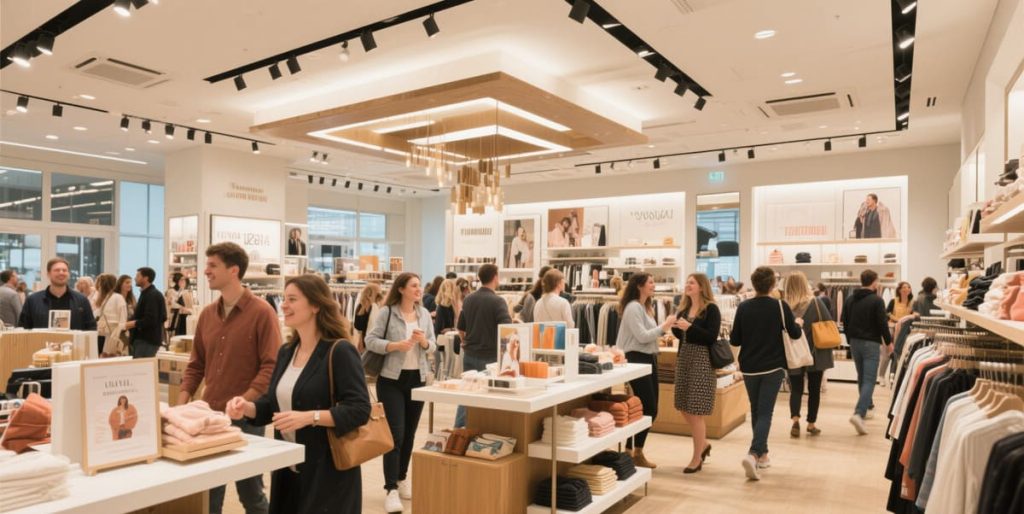
More engaging displays slow shoppers down, and every extra minute often adds another item to the basket.
Quantifying brand equity gains
Unique fixtures spark social shares and repeat visits, hard to price yet easy to feel.
| Metric | Before Custom | After Custom | Change |
|---|---|---|---|
| Sales/ft² | $450 | $600 | +33 % |
| Avg. Basket | $38 | $47 | +24 % |
| Maintenance Cost (3 yrs) | $9,500 | $3,200 | –66 % |
Numbers convince the finance team. Now let’s walk through how a custom fixture comes to life, step by step.
The Custom Fixture Development Workflow
Discovery & concept design
I start with stakeholder chats and space audits, turning pain points into sketches.
3‑D visualization, prototyping & sampling
Rapid CNC samples let teams touch, test, and tweak before full production.
Engineering & material selection
Load tests ensure shelves hold the heaviest items without a wobble.
Production & rigorous quality control
ISO 9001 checks keep color, fit, and finish consistent across every unit.
Logistics, installation & after‑sales support
Crated parts arrive labeled; white‑glove crews bolt them in before doors open.
Choosing the right partner for this journey makes or breaks success. Let me share what I look for.
Selecting the Right Manufacturing Partner
Core competencies & equipment portfolio
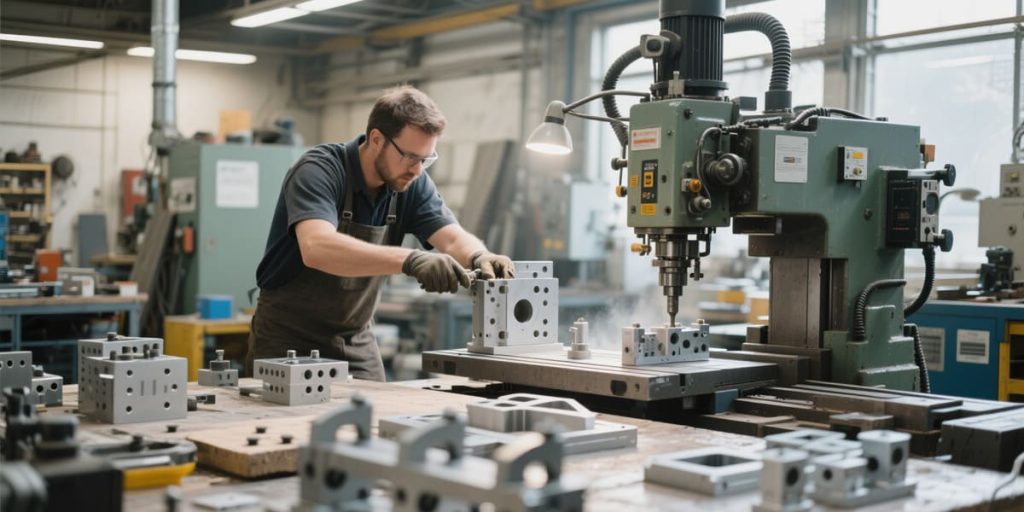
In‑house CNC, laser cutters, and acrylic ovens mean fewer delays.
Certifications & audits
ISO 9001 and eco‑acrylic credentials prove a factory walks the quality talk.
Lead‑time reliability & scalability
Can they handle one flagship and later 500 stores? Ask for rollout histories.
Transparent communication & project management
Bilingual teams and live dashboards cut guesswork.
Total cost clarity
Itemized quotes show tooling, packaging, and freight up front.
| Partner Checklist | Why It Matters |
|---|---|
| ISO 9001 | Consistent processes |
| CNC & Laser In‑house | Faster prototyping |
| Eco Materials | ESG compliance |
| Project Dashboard | Real‑time updates |
Nothing beats real stories, though. Let’s see custom fixtures in action.
Real‑World Success Stories
High‑end cosmetics counter
We crafted crystal‑clear acrylic risers with soft backlighting. Conversions rose 28 % within two months.
Electronics pop‑up kiosk
Modular panels snapped together in two hours, doubling daily sales and slashing setup costs.
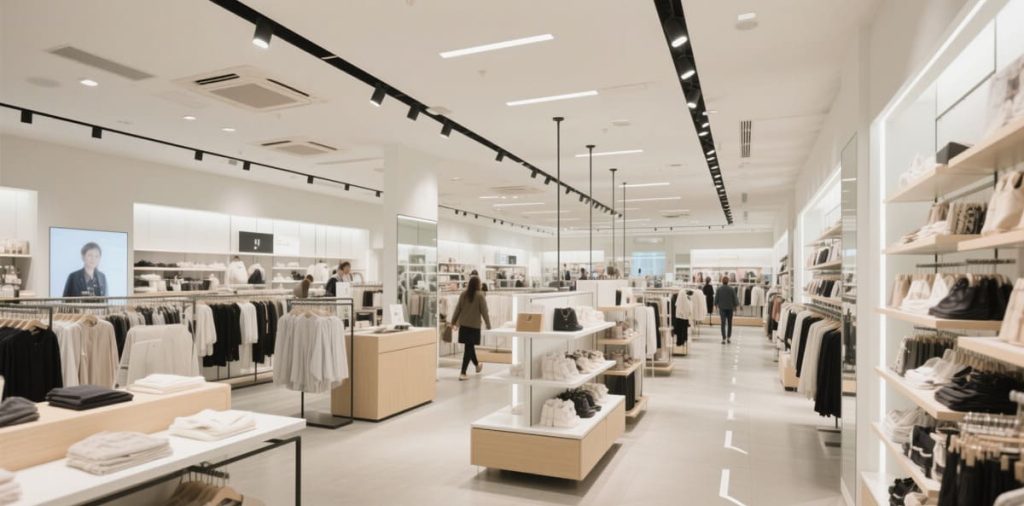
Sustainable apparel boutique
Shelving made from recycled acrylic cut CO₂ by 40 % and landed a local news feature.
Inspired? One last section wraps up the key takeaways.
Conclusion
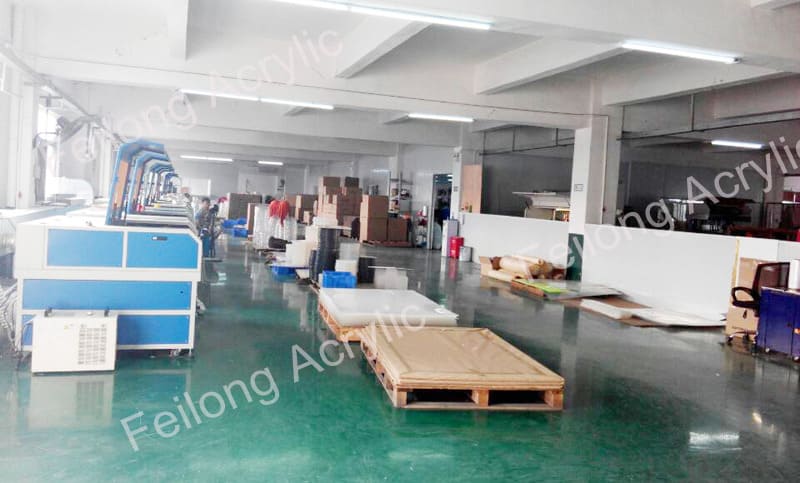
Custom fixtures boost brand impact, lift sales, last longer, and keep regulators happy. If you are rebranding, facing tight spaces, or chasing an omnichannel glow‑up, it may be time to go custom. Audit your current setup and reach out to Feilong Acrylic for a design chat—my inbox is always open.