Skip to content

Last winter I helped my niece build a cardboard castle for her school project. Two days later I watched the janitor dump the whole thing—glitter, flags, and all—into a black trash bag. The scene stuck with me. It reminded me of the countless videos of shoppers “dumpster‑diving” behind big‑box stores, fishing out perfectly good goods that never found a home. I wanted to know why retailers still choose the bin over a bargain.
In this post I unpack the money, laws, and brand fears that push new merchandise toward landfill. If you manage purchasing like my friend Jacky in Toronto, these insights can help you negotiate smarter terms, cut waste, and hit those ever‑louder sustainability KPIs.
The Scale of Merchandise Waste in Retail

I start with the numbers because they slap harder than any rant. According to 2024 global audits, retailers wrote off over $900 billion in returned stock. Only about 30 % made it back to a shelf. Fashion, electronics, and home goods top the waste charts.
| Sector | Annual Returns (USD) | Resale Rate | Typical Fate |
|---|---|---|---|
| Fashion | $325 B | 25 % | Liquidation / landfill |
| Electronics | $210 B | 40 % | Refurbish / recycle |
| Home goods | $140 B | 35 % | Discount outlets |
Why the spike since the pandemic? Two culprits:
- E‑commerce returns—the “buy‑five‑keep‑one” culture.
- Bullwhip inventory—supply‑chain delays forced retailers to over‑order; late arrivals turned into unwanted overstock.
Hook to next section: The numbers are jaw‑dropping, but the real drama hides in the everyday decisions that create them. Let’s zoom in on those choices.
Key Drivers Behind Disposal of Unsold Goods

Overstock & demand‑forecast errors
I once sat in a buyer’s cubicle as he stared at a spreadsheet that looked like a Tetris game gone wrong. Minimum‑order rules and pack sizes forced him to order 5,000 units when he only needed 3,200. The extra 1,800 became tomorrow’s problem—and tomorrow often means a dumpster.
High cost of reverse logistics & restocking
Processing a $100 return can cost $27 in labor, inspection, and re‑boxing. Many chains would rather trash low‑margin items than pay that fee.
Returns, damaged & open‑box items
Health codes ban reselling opened cosmetics; safety laws treat tampered food as biohazard. Into the compactor they go.
Seasonal & trend obsolescence
Ugly‑sweater‑with‑2024‑lights? Worth pennies on December 26.
Brand protection & market segmentation
Luxury houses burn scarves to avoid outlet dilution. A vendor once told me, “If it shows up on a flea market table, we lose a full‑price customer.”
Liability, safety & regulatory constraints
Recalls, counterfeit fears, and broken seals make destruction the “safe” option.
Tax & accounting considerations
Under U.S. rules, writing down inventory can be more lucrative than donating it. Funny how the tax tail can wag the waste dog.
Bridge: If laws can nudge companies toward the dumpster, can new laws pull them back out? Let’s see.
Legal and Policy Landscape

Existing regulations
France’s AGEC law (2022) flat‑out bans destroying many unsold goods. The UK and several U.S. states toy with similar rules.
Emerging bans & corporate pledges
The EU aims to extend bans to textiles and electronics by 2027. Big retailers are pre‑emptively setting “zero‑waste” targets to dodge future fines.
Segue: Of course, even with new laws, bean counters still ask, “What’s cheaper?” That leads us to the spreadsheets.
Financial Calculus: When Disposal Becomes “Cheaper”

Direct vs. indirect liquidation costs
Discounting wrecks price architecture. Liquidation channels take hefty cuts. Sometimes shredding feels cheaper than selling at 10 ¢ on the dollar.
Impact on carrying costs & cash flow
Every unsold pallet hogs warehouse space, racks up insurance, and ties up capital that could chase next season’s hit.
Depreciation, write‑downs & tax treatment
GAAP and IFRS let firms recognize losses immediately, freeing up cash. Donate it and you might get a deduction; destroy it and you definitely get a write‑off.
Transition: The math may make sense on paper, but the planet and public opinion have their own ledgers.
Environmental and Ethical Implications
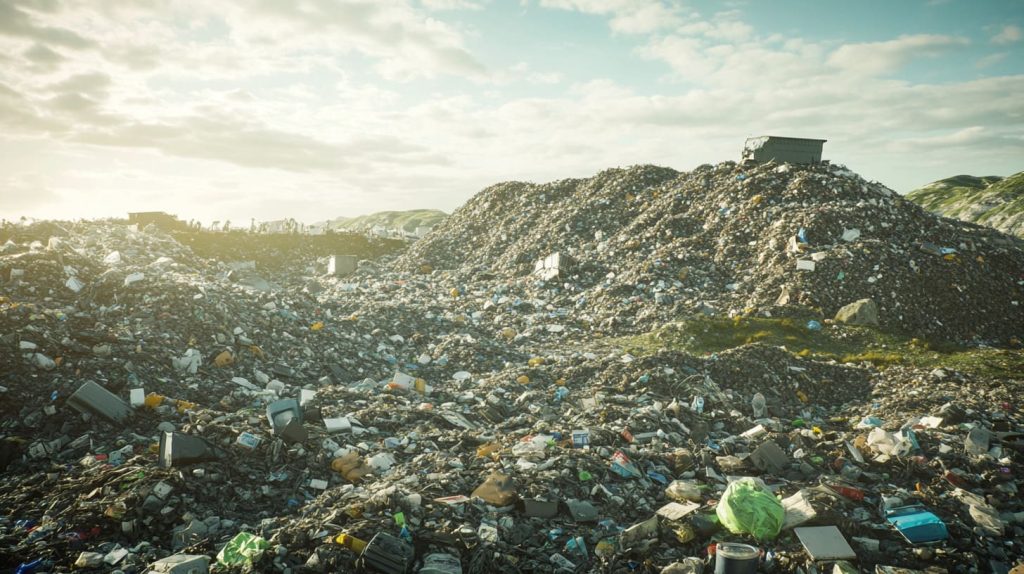
Landfill volume & carbon footprint
The U.S. EPA blames apparel waste for 11.3 million tons of landfill each year. Add the Scope 3 emissions of making and moving dead stock, and the carbon tab balloons.
Consumer perception & brand reputation risks
Remember Burberry’s 2018 bonfire scandal? One leaked memo cost them millions in brand equity and forced a U‑turn on waste.
Short hook: So if trashing goods is risky and often unpopular, what are the alternatives?
Alternatives to Throwing Away Merchandise

Donation & charity partnerships
Groups like Good360 match overstock with nonprofits. In the U.S., the Bill Emerson Good Samaritan Act shields donors from liability.
Liquidation & secondary markets
Online auction sites and off‑price chains gobble up excess stock. It’s not glamorous, but it beats landfill.
Recycling, upcycling & material recovery
Textiles can be chemically broken back to fiber; acrylic displays can be re‑cut into smaller organizers.
Design for circular economy & modular reuse
Make products easy to disassemble, mono‑material, and upgradeable. Less glue, more snap‑fits.
Bridge: Concepts are great, but real‑world stories stick better. Let’s tour a few.
Case Studies and Industry Examples

Fashion & apparel
Burberry halted incineration, H&M launched a resale portal, and Patagonia labels its worn gear “better than new.”
Electronics & big‑box retail
Best Buy’s refurbished program recovers 200+ product lines. Amazon funnels tons of returns to its Warehouse Deals.
Specialty retail & SMBs
A niche candle brand I visited in Shenzhen grinds broken jars into terrazzo countertops for its new stores—waste turned décor.
Pivot sentence: If they can do it, so can purchasing teams who build the right clauses into their contracts.
Actionable Insights for Purchasing & Supply‑Chain Professionals

Mitigating overstock through data‑driven forecasting
Combine POS data with AI models. Share forecasts upstream so vendors cut MOQ padding.
Structuring vendor agreements to enable returns recovery
Add take‑back clauses, refurbishment rights, and clear grading standards to every PO.
Collaborating with manufacturers on end‑of‑life solutions
Pool returns at regional hubs, then recycle by material stream. Share savings to sweeten the deal.
Connector: Speaking of manufacturers, here’s where my own shop steps onto the stage.
Opportunities for Custom Manufacturers like Feilong Acrylic

Designing displays for reuse & modular upgrades
We build snap‑fit acrylic panels so a retailer can swap a scratched front instead of tossing the whole stand.
Offering buy‑back or refurbishment programs
Our CNC crew can polish scuffed edges or re‑cut outdated logos, extending life cycles by years.
Aligning with clients’ sustainability goals
ISO 9001 processes plus GSG‑certified eco‑acrylic give buyers like Jacky audit‑ready proof of greener sourcing.
Lead‑out: Close the loop, cut the waste, win the PR—sounds like a plan worth piloting.
Conclusion

Retailers trash goods because spreadsheets, laws, and brand worries often nudge them that way. Yet the tide is turning. From tougher regulations to savvy secondary markets, disposal is losing its default status. For purchasing pros and custom makers, the opportunity is clear: design waste out from the start, share the savings, and let sustainability become the easiest choice in the room.