 Skip to content
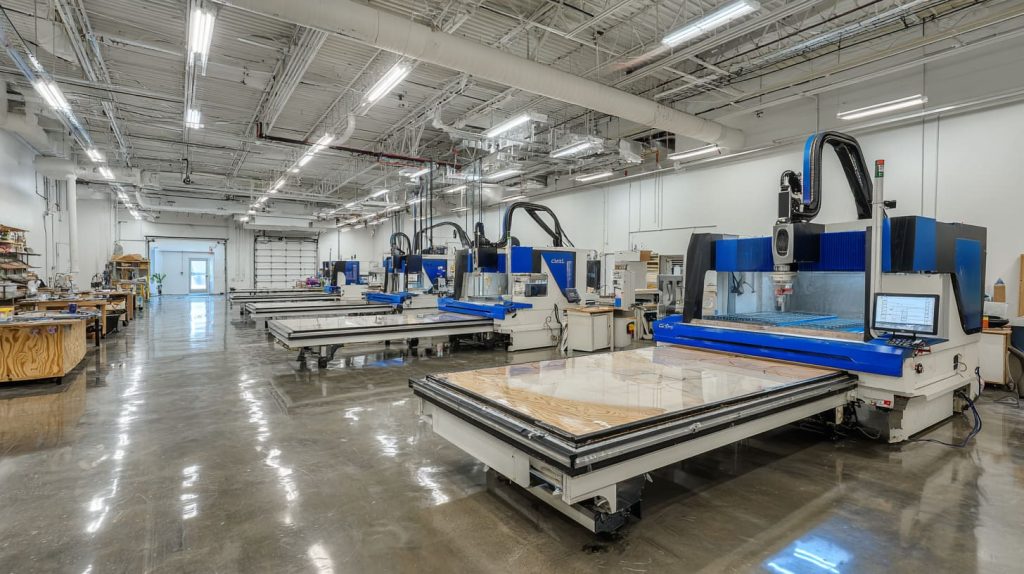
Every time I walk into a factory, I’m reminded of one thing — details make or break a project. The hum of CNC machines, the smell of freshly cut acrylic, the soft clatter of finished boxes sliding into packaging lines — it’s a world that rewards curiosity.
This article covers the key questions every buyer or designer should ask before placing a bulk order for custom acrylic boxes. Whether it’s your first order or your fiftieth, the right questions will save you from frustration, delays, and hidden costs.
I learned this the hard way years ago, watching a buyer receive 2,000 misaligned boxes simply because no one asked how the polishing was done. Since then, I’ve built a checklist — questions that go beyond surface-level details.
This piece is for designers, purchasers, and experienced buyers like Jacky — the kind who know the value of asking twice before signing once.
Let’s start where every smart order begins: with the supplier.
Supplier & Manufacturing Credentials

What is your core expertise in acrylic boxes (vs general plastics)?
When I visit a factory, I always ask: “Do you specialize in acrylic or just work with it occasionally?” Acrylic is different from polycarbonate or ABS. It cuts differently, bonds differently, and needs care in polishing and packaging.
A specialized acrylic manufacturer understands how to avoid micro-cracks, how to achieve optical clarity, and how to maintain consistency across hundreds of units. You can spot a real expert by their machines — laser cutters, polishing units, and UV bonding systems lined up like an orchestra.
| Core Acrylic Expertise | What It Means for You |
|---|---|
| Laser cutting machines | Smooth, precise edges |
| Flame polishers | Optical-grade surface finish |
| CNC routers | Consistent dimensions across large batches |
What certifications and process controls do you have (ISO 9001, material traceability)?
A factory’s paperwork can tell you as much as its machines. Ask about ISO 9001 certification and material traceability. Good manufacturers can track every sheet of acrylic back to its supplier.
I once worked with a buyer who switched suppliers mid-year and later found color differences in their retail displays. Turned out, the new factory mixed suppliers. Certifications prevent those silent quality slips.
What is your production capacity and typical lead‑time for bulk orders?
Lead time isn’t just a number; it’s a test of planning. A transparent manufacturer will tell you their maximum capacity per week, not just their “average.”
Ask them how many production lines they run, how they handle peak seasons, and whether they stock standard materials. These details reveal if they can deliver consistently — not just once, but every time.
Before you move on to materials, remember this: a qualified supplier sets the tone for every box that leaves the floor.
Material & Finish Quality
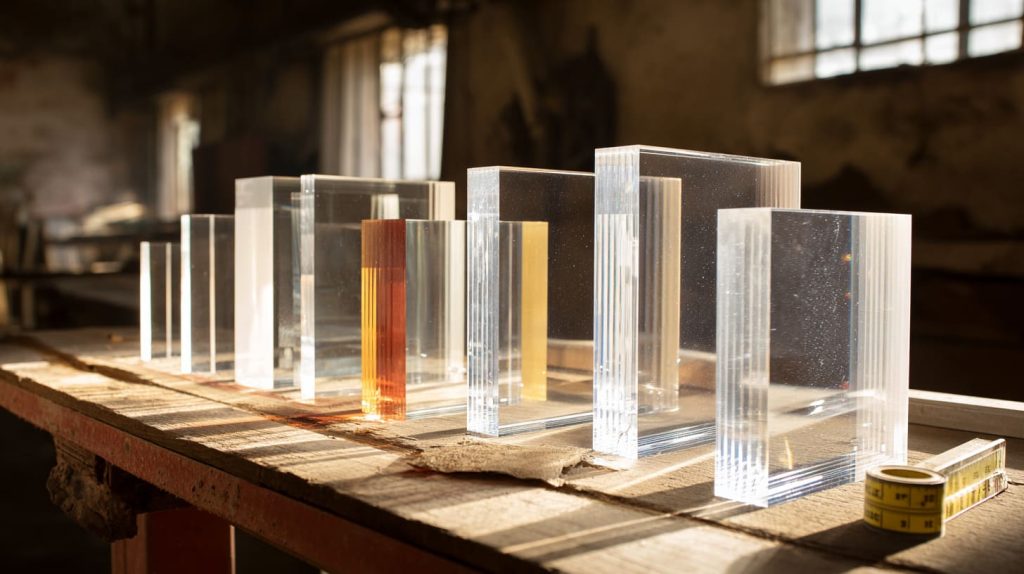
What type of acrylic sheet do you use (cast vs extruded; clarity; UV‑resistant)?
The difference between cast and extruded acrylic might sound minor — until you polish the edges or laser cut fine corners.
| Type | Pros | Best For |
|---|---|---|
| Cast Acrylic | High clarity, better strength, polishable | Premium boxes, displays |
| Extruded Acrylic | Lower cost, uniform thickness | Budget runs, short-term use |
Always ask for the material certificate. A UV‑resistant sheet, for instance, is vital for outdoor displays or cosmetic organizers exposed to sunlight.
How do you ensure consistency in thickness, colour, and transparency?
Consistency is the silent hero of quality. Ask whether they use digital calipers or automated thickness scanners. Some suppliers use cheap imported sheets that vary by 0.5 mm — enough to ruin lid fits.
And don’t forget color control. I’ve seen factories using Pantone color matching systems to ensure the same tone batch after batch.
What surface treatments (polishing, flame polishing, laser‑etched logos, UV coating) are offered?
Surface treatment defines how the product feels in hand. A flame-polished edge glows; a UV-coated box resists scratches.
Ask for real samples — not photos. In person, you’ll notice the difference between “good enough” and “luxury.”
When you’ve mastered the materials, the next logical step is customization — where creativity meets manufacturing limits.
Customisation Capabilities
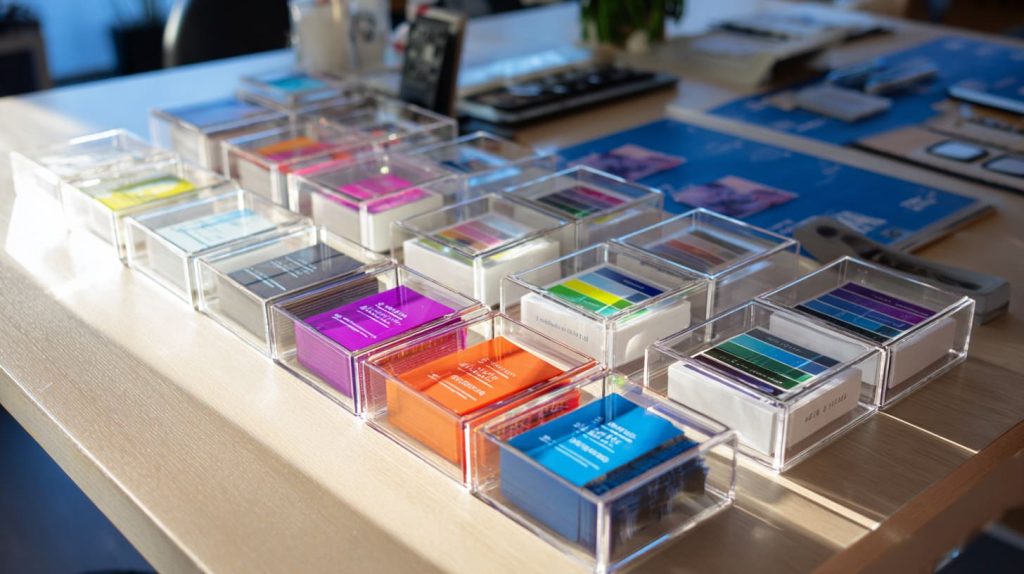
What size, shape, thickness, colour and special features can you handle?
A great manufacturer doesn’t say “no” too quickly. Instead, they say, “Let’s test it.”
Ask if they can handle complex shapes, curved edges, and thick panels (10 mm +). If you’re designing for retail, knowing the limits of bending, gluing, and bonding methods saves you from failed prototypes.
| Feature | Questions to Ask | Impact |
|---|---|---|
| Size range | What’s your max sheet size? | Determines packaging efficiency |
| Thickness | Can you bond thick sheets cleanly? | Impacts cost & visual quality |
| Color | Can you color‑match brand tones? | Critical for branding consistency |
What branding options are available (screen‑printing, pad printing, UV printing, engraving)?
Your brand deserves precision. Ask what printing or engraving options are available — UV printing for color logos, engraving for subtle branding, and screen printing for cost-effective runs.
A transparent factory will show you their logo samples in person. It’s a small detail, but it defines professionalism.
How do you handle hardware / functional add‑ons (hinges, locks, inserts, magnetic closures)?
Acrylic boxes become practical when function meets form. Ask about hinge alignment, lock quality, and adhesive methods.
I’ve seen boxes with hinges misaligned by just 1 mm — and they couldn’t close properly. Precision hardware integration is where craftsmanship shows.
The best customization is useless without a good sample. So, how do you test before committing to thousands of units?
Prototype & Sample Process

What is your sampling process and cost?
Sampling is not just a formality; it’s the contract before the contract. Ask for clear details: how many samples are included, how long they take, and if sampling fees can be refunded upon bulk order.
How many rounds of revisions do you allow and how are lead‑times affected?
Revisions often reveal how flexible a manufacturer truly is. A confident one won’t flinch when you request minor tweaks. They’ll tell you clearly: each revision adds X days, and here’s how it affects the final schedule.
What criteria do you use for sample approval, and how does that translate to mass run?
Approval should be data-based, not emotional. Ask for sample reports — measurements, bonding tests, and surface inspection notes.
A good supplier builds mass production standards from your final approved sample. That ensures uniformity across every batch.
Now that you’ve tested your prototype, it’s time to ask the questions that really decide budgets — pricing.
Bulk Order Pricing and Terms
What are the cost drivers for bulk runs (material, thickness, features, quantity)?
Cost isn’t random; it’s math. Transparency comes from understanding what drives it.
| Cost Driver | Description | Example |
|---|---|---|
| Material Type | Cast vs Extruded Acrylic | Cast costs 15–20% more |
| Features | Hinges, locks, magnets | Adds 5–10% to unit cost |
| Volume | Higher quantity, lower unit cost | 1,000 pcs vs 10,000 pcs |
What volume tiers and discounts apply (MOQ, 500/1,000/5,000 etc)?
Ask about MOQ and price breaks. Many factories offer cost benefits at 1,000 pcs or above. Understanding these tiers helps you plan cash flow.
Every importer learns this once: the unit price isn’t the full price. Hidden costs can sneak up — export packaging, freight, customs brokerage, and even wooden crates.
The best manufacturers disclose all charges upfront. They value trust more than short-term gain.
Now that money’s on the table, let’s talk about what protects it — quality assurance.
Quality Assurance & Inspection Standards

What in‐process QC checks do you perform (dimensional, bonding strength, clarity, defects)?
Ask about in-process quality control (IPQC). A professional line checks dimensions and bonding strength every few hours.
| QC Check | Method | Frequency |
|---|---|---|
| Dimension | Digital caliper | Every 20 pcs |
| Bonding strength | Manual pull test | Every batch |
| Clarity | Visual check under light | Continuous |
Can you provide defect‑rate data and your policy for non‑conforming units?
Defect rates reveal a lot. Good suppliers keep it under 1–2%, with clear rework policies. Ask for their data — you’ll know instantly how seriously they take quality.
Do you allow/coordinate third‑party inspections or audits (SGS, TUV)?
If they hesitate here, be cautious. Reputable suppliers welcome third-party checks like SGS or TUV, because they have nothing to hide.
Even the best products can be ruined by poor logistics. So next, let’s talk about packaging and delivery.
Logistics, Shipping & Packaging
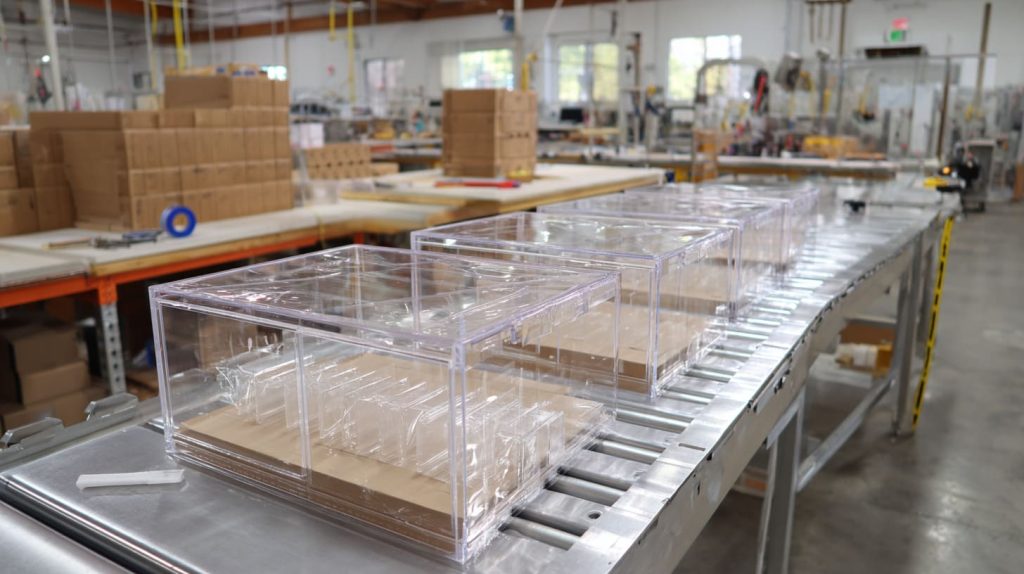
How will the products be packaged for transit (shock, scratch, UV protection)?
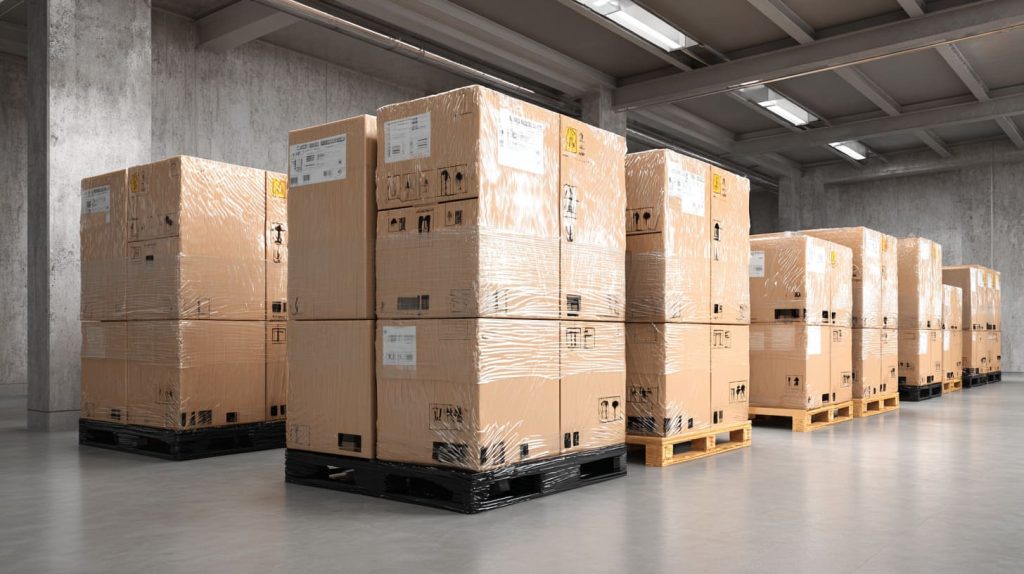
Acrylic scratches easily, so packaging is everything. Ask whether they use PE film, foam inserts, or double‑wall cartons.
| Protection Type | Description | Benefit |
|---|---|---|
| PE Film | Wraps each unit | Prevents scratching |
| Foam Inserts | Custom cut for shape | Shock protection |
| Carton Box | Double-wall with labels | Safe for export |
What shipping terms do you support (EXW, FOB, DDP) and how do you handle customs & duties?
If you’re importing, get clarity on INCOTERMS. FOB covers export costs, DDP covers everything to your door.
How do you plan for inventory, lead‑time buffers, and replenishment for bulk orders?
A smart factory keeps extra material in stock for repeat orders. Ask if they can hold spare inventory or prioritize you during reorders.
But even smooth shipping can’t save poor communication. Let’s talk about how your factory talks to you.
Communication & Partnership Approach
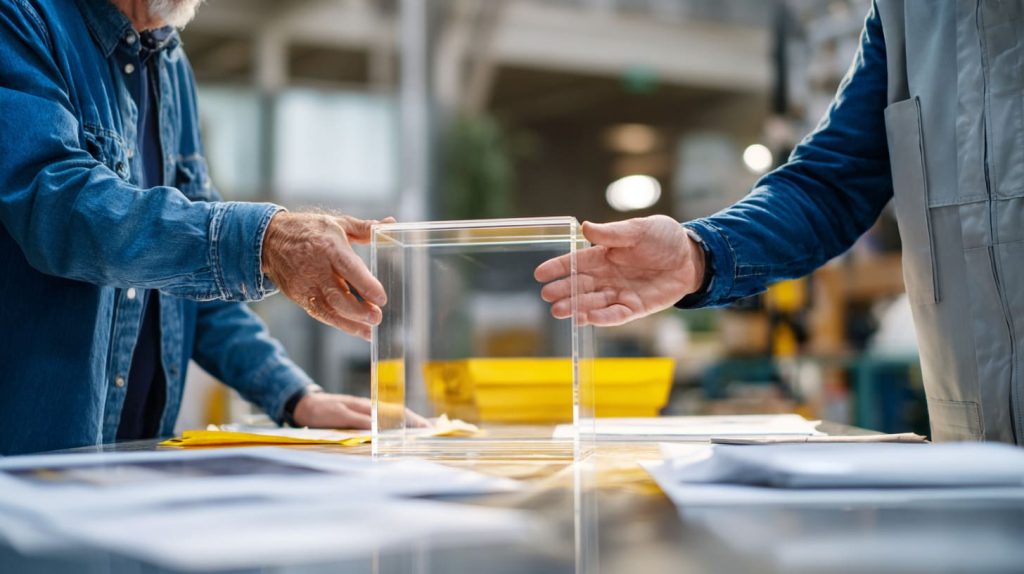
Who will be my main point of contact and what is the structure of your project team?
A clear contact structure saves headaches. Ask if you’ll be speaking to a salesperson, a project engineer, or directly to the production manager.
How do you handle changes, urgent requests, and production delays?
Delays happen. The difference lies in honesty. Ask for examples — how they handled urgent client requests before. It shows character more than any brochure.
How transparent are you with manufacturing progress, data, and risk flags?
A great partner keeps you informed. Look for suppliers who share weekly reports or photos from the production floor.
Sometimes, it’s worth seeing all this with your own eyes — if possible.
Factory Visit or Virtual Audit
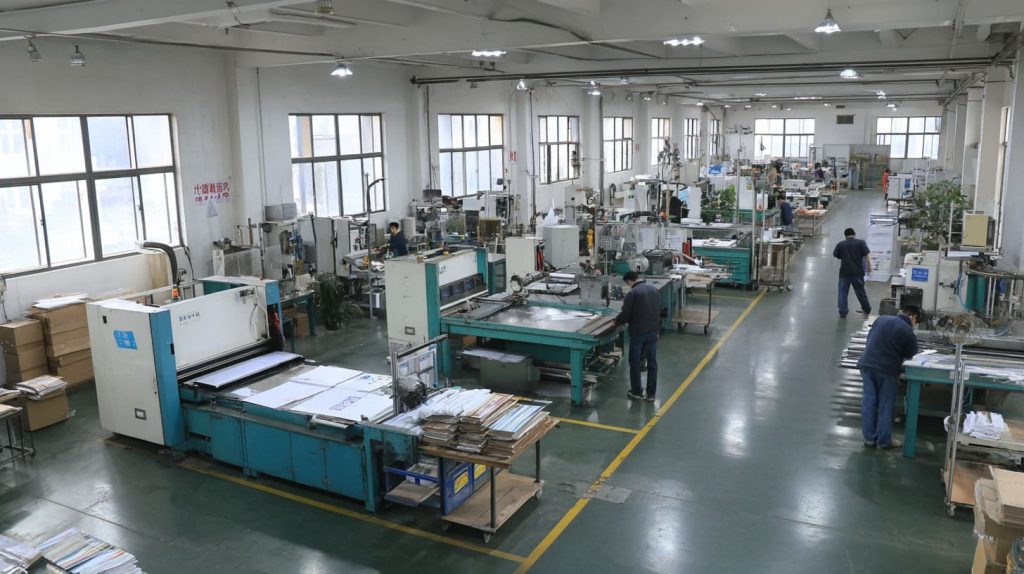
Do you offer factory visits or video tours—what should I look out for?
If you can, visit. Walk the floor, see the machines running, meet the people behind your order. Many factories now offer video tours if travel isn’t possible.
What are signs of a well‑run acrylic‑specialist factory (clean floor, machines in use, clear workflow)?
A clean, organized workshop speaks volumes. Look for dedicated acrylic areas, proper ventilation, and workers in clean uniforms.
If I can’t visit, what document or photo evidence should I request?
Ask for photos of equipment, QC reports, and recent shipment records. A genuine factory is never afraid to show proof.
If everything checks out, you’re ready for the next level — scaling up.
Scaling Up & Long‑Term Relationship
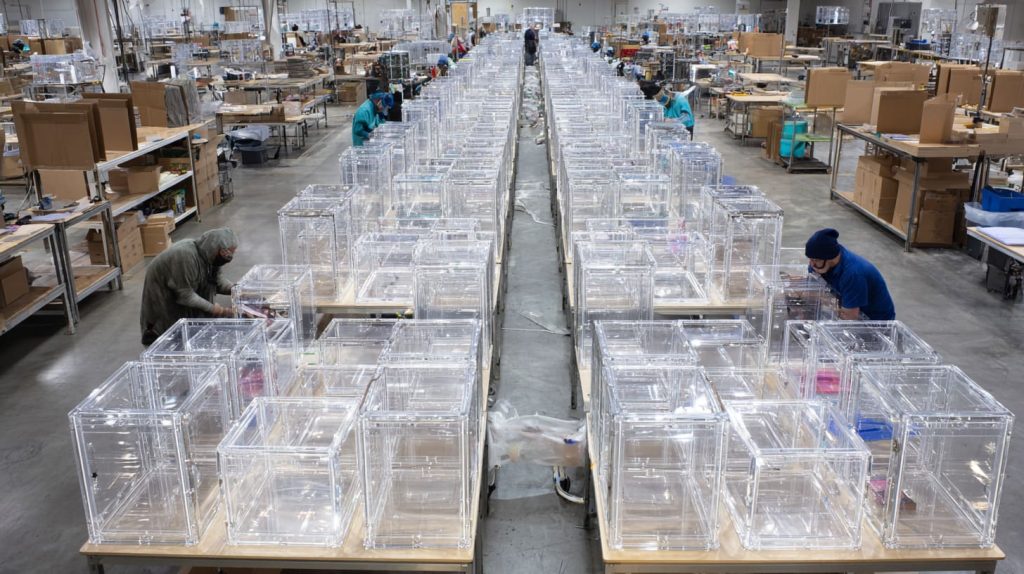
How do you handle ramping up from a pilot run to large volumes?
Scaling up tests consistency. A reliable manufacturer documents every process so that the first 100 pieces look the same as the last 10,000.
How do you support repeat orders (tooling reuse, colour consistency, packaging continuity)?
Ask if they reuse cutting files, molds, or color references for future batches. This ensures brand uniformity over time.
What value‑added services do you offer (design review, logistics optimization, just‑in‑time delivery)?
The best suppliers become partners. They’ll help review your design for production efficiency, suggest packaging improvements, or schedule JIT shipments to your warehouse.
Conclusion
Asking the right questions isn’t about distrust — it’s about partnership.
When you understand your manufacturer’s strengths, processes, and values, you reduce risks before the first sheet of acrylic is even cut. You save costs, protect timelines, and build trust that lasts far beyond one project.
In the end, the best advice I can give is simple: treat your manufacturer not as a vendor, but as a strategic partner. Because in this business, trust and clarity are worth more than any discount.


