Skip to content
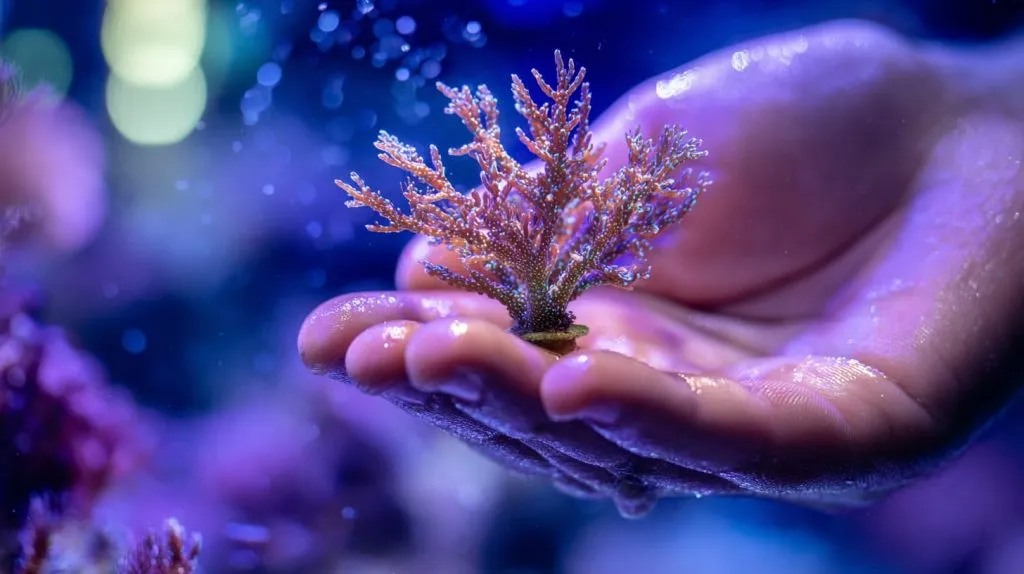
I once panicked when my coral frags started floating — right after I thought I’d “secured” them. That’s how my deep dive into aquarium-safe adhesives began.
Yes, cyanoacrylate-based super glue is generally safe for aquarium use after it fully cures.
Most people assume glue and fish don’t mix — but the truth is, the right kind of glue can become your tank’s best friend. You just have to know what to look for.
What glue is safe for aquarium use?
This question pops up every time someone tries to fix a rock or attach plants in their tank.
Cyanoacrylate-based gel glues are safe once cured, especially when labeled non-toxic.
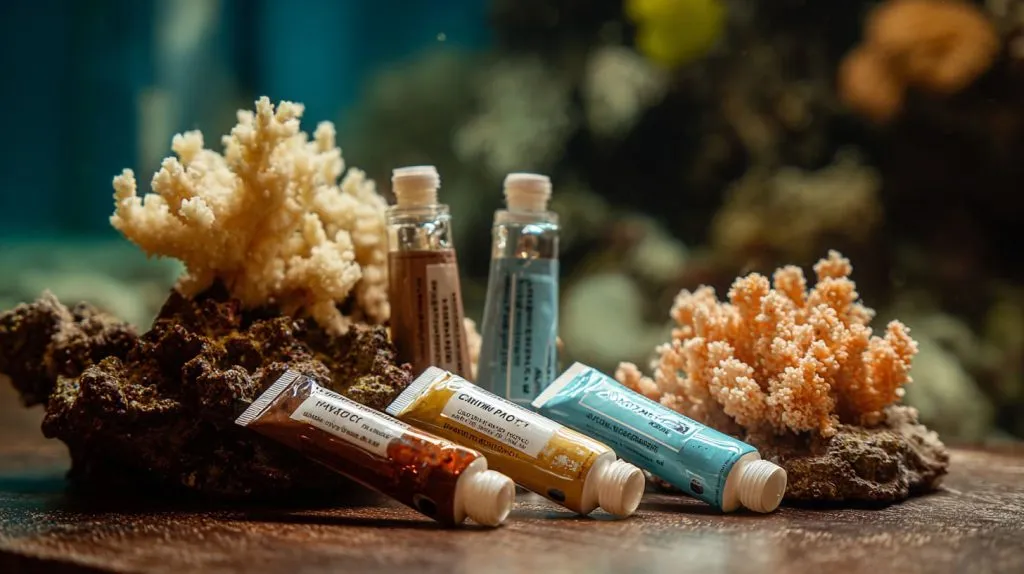
Why cyanoacrylate?
| Glue Type | Aquarium Safe? | Notes |
|---|---|---|
| Cyanoacrylate Gel | ✅ Yes | Best for bonding rock, coral |
| Epoxy Putty | ✅ Yes | Good for large surfaces |
| PVC Cement | ❌ No | Contains harmful solvents |
| Hot Glue | ❌ No | Weak bond underwater |
Stick with gel versions. Liquid ones spread too fast and don’t grip well underwater.
Can I use Gorilla Super Glue Gel in a fish tank?
I’ve seen this stuff everywhere — even in reef forums and frag shops.
Yes, Gorilla Super Glue Gel is safe after curing, as it’s cyanoacrylate-based.
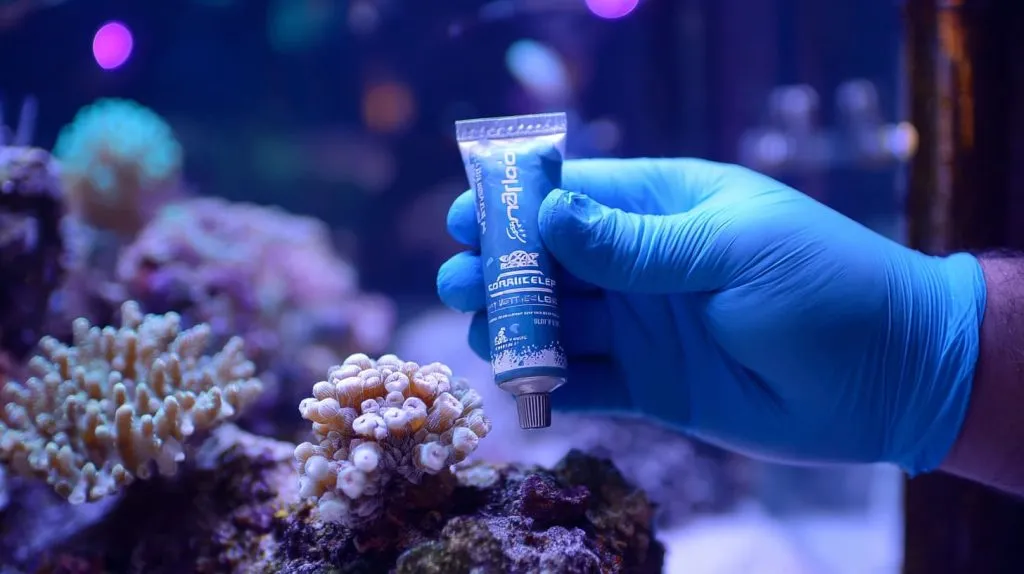
The gel format gives you control. Just be sure it cures completely before any contact with water life.
What kind of super glue is aquarium safe Reddit?
Reddit’s aquarium threads are a goldmine of weird experiments and real-world hacks.
Most Reddit users agree: any cyanoacrylate gel glue works safely in tanks.
Brands don’t matter as much as ingredients. If the label says “ethyl cyanoacrylate,” you’re good.
How to tell if glue is aquarium safe?
I’ve squinted at so many tiny labels that I now feel like a glue sommelier.
Check if it contains only cyanoacrylate and no added solvents, fillers, or accelerants.
If the label’s confusing, search the MSDS (Material Safety Data Sheet). No acetone, no weird additives — just plain cyanoacrylate.
Does Gorilla Glue work underwater?
Here’s where it gets tricky — because not all “Gorilla Glue” is the same.
Gorilla Super Glue Gel works underwater after curing. Other Gorilla products may not.
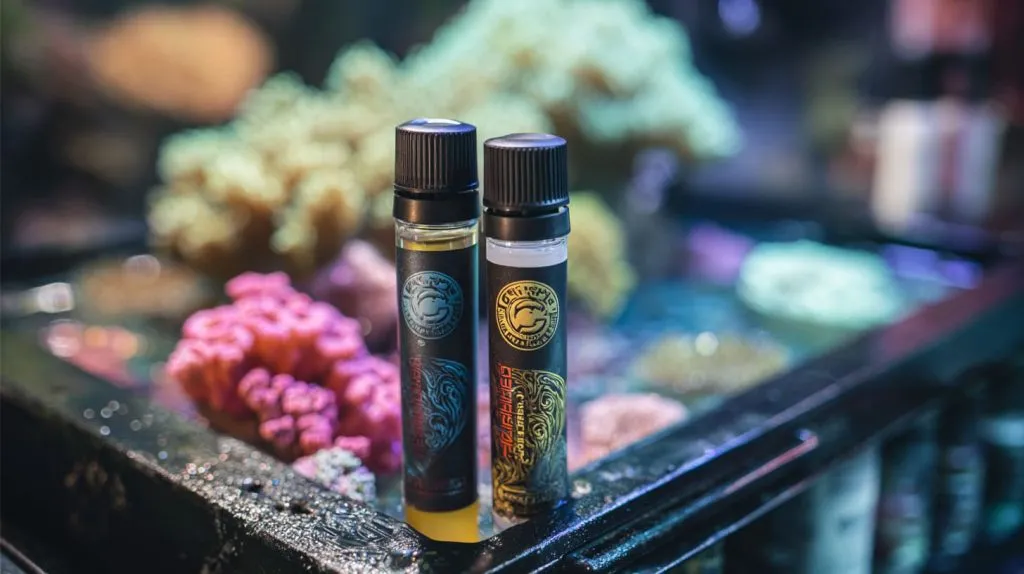
Avoid their polyurethane glue — it expands and can release bubbles or toxins.
What type of super glue is safe for aquarium use?
I always carry a small tube in my toolbox for emergencies — yes, even during tank maintenance.
Gel-type cyanoacrylate super glues are safe and most effective in aquariums.
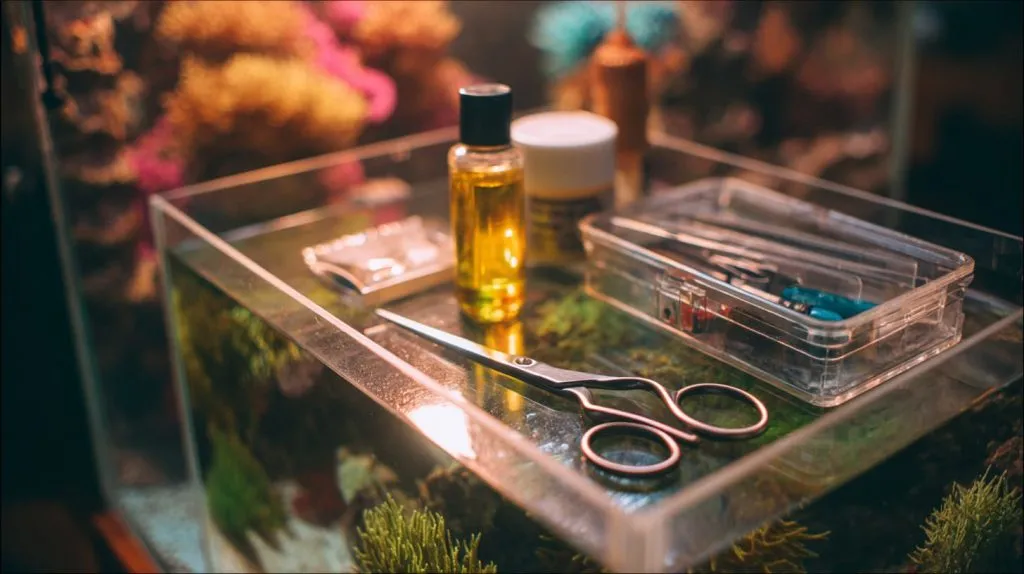
They don’t run, cure fast, and bond coral, driftwood, and rocks with ease.
Why does the gel version of super glue work better in aquariums than the liquid version?
The first time I tried liquid glue, it dissolved into a useless cloud. Lesson learned.
Gel glue sticks to surfaces better and doesn’t float away or spread.
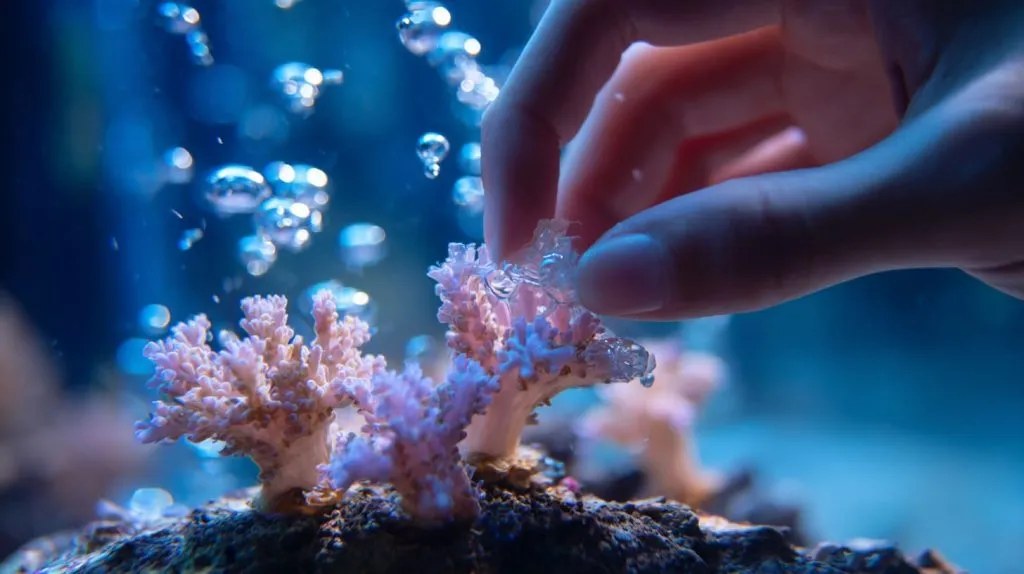
Liquid versions are too thin. Gel gives control, thickness, and precise application — especially underwater.
Key Differences
| Feature | Liquid Glue | Gel Glue |
|---|---|---|
| Consistency | Watery | Thick and tacky |
| Control | Hard to manage | Easy to position |
| Underwater use | Poor | Excellent |
Does super glue leach harmful substances into aquarium water after curing?
If it did, my clownfish would’ve long gone on strike.
Once cured, cyanoacrylate glue becomes inert and doesn’t leach harmful substances.
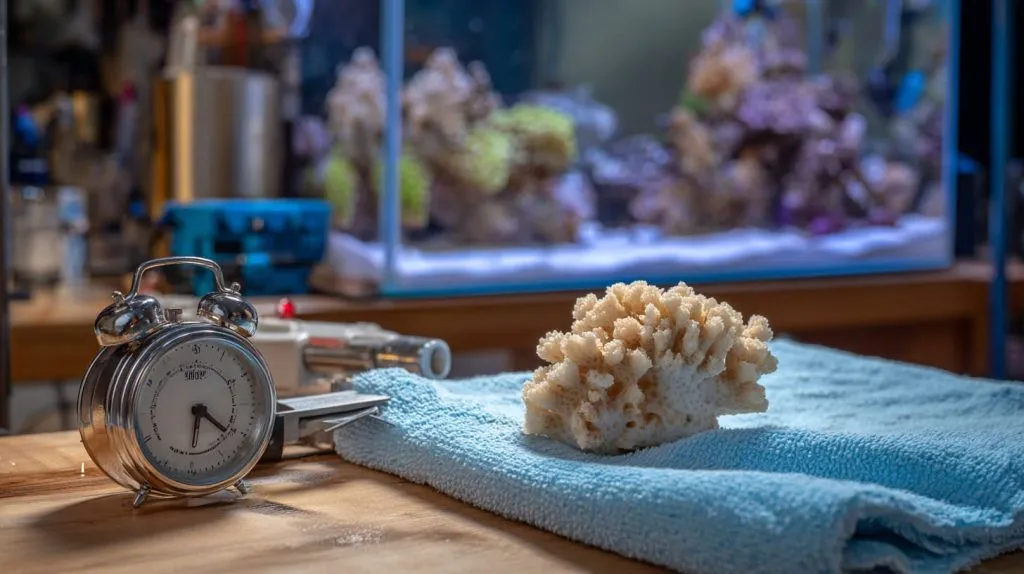
Just give it enough time to fully cure before letting it touch the water.
Can you apply super glue underwater (or on wet surfaces) inside an aquarium safely?
I’ve glued coral frags with my arm elbow-deep in saltwater. So yes.
Yes, gel-based super glue can bond underwater or on wet surfaces.
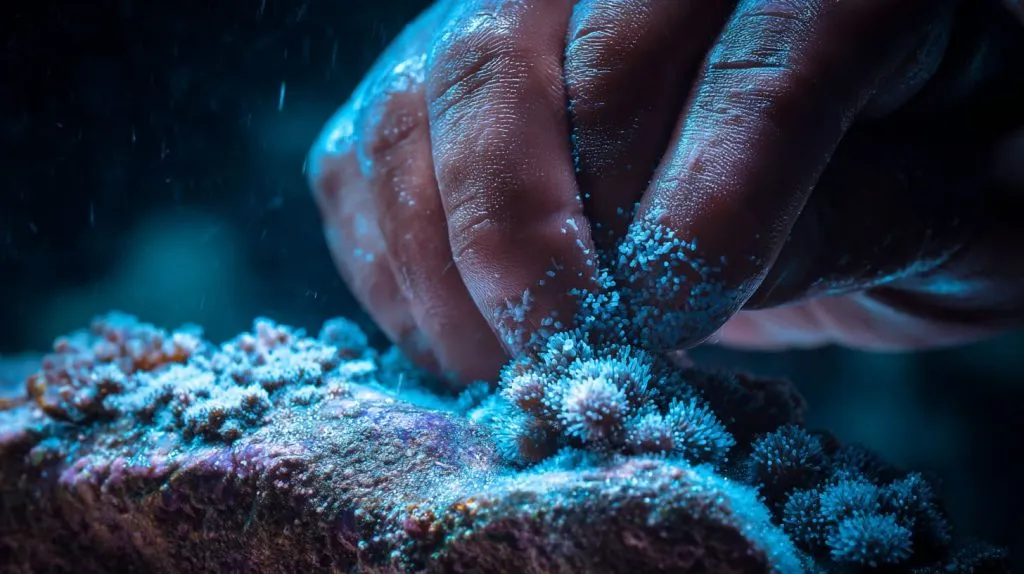
It may take longer to cure, but it still works — just press firmly and hold.
What surfaces and materials in an aquarium are suitable (or unsuitable) for super glue adhesion?
Not everything inside your tank wants to stay glued. Trust me.
Super glue works best on porous, dry, or semi-wet materials like rock, driftwood, and coral.
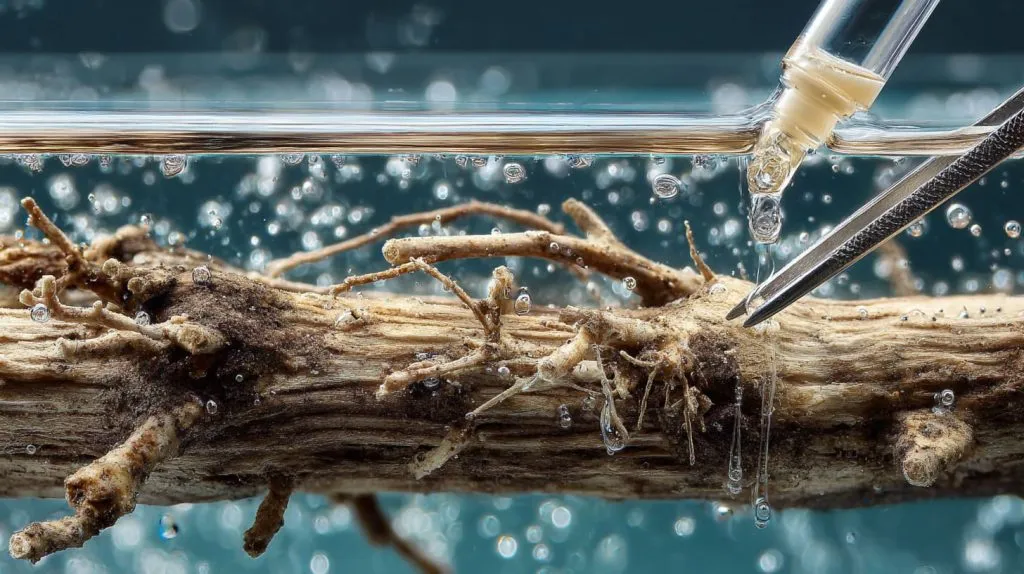
It struggles with slimy, oily, or extremely smooth surfaces like silicone seams or glass.
Suitable vs Unsuitable Surfaces
| Suitable Materials | Unsuitable Materials |
|---|---|
| Porous rock | Silicone seams |
| Coral skeleton | Oily or algae-covered areas |
| Plastic plant bases | Wet glass without prep |
How long should you wait for the adhesive to cure before adding aquatic life or filling the tank?
Patience saves fish. I learned that the hard way.
Let glue cure for at least 5–10 minutes; 24 hours for best safety before submersion.
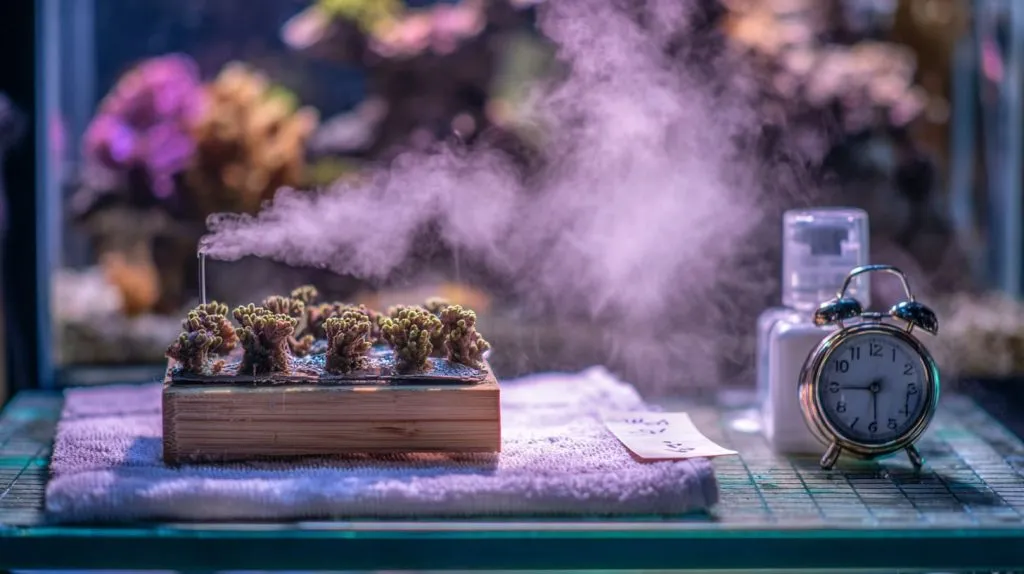
Even if it “feels dry,” full curing ensures no risk of leaching.
Are there specific brands or products marketed as “aquarium‑safe glue,” and are they really necessary?
You’ve probably seen them at specialty shops — and yes, they’re often just rebranded super glue.
Most “aquarium-safe” glues are repackaged cyanoacrylate gels — not strictly necessary.
Still, if buying in bulk or unsure about quality, they offer peace of mind.
What are the risks or mistakes to avoid when using super glue in an aquarium setup?
Don’t rush. I’ve ruined frags by gluing in a hurry, or using too much.
Avoid gluing on dirty, slimy, or wet surfaces without prep. Don’t use liquid glue or apply too thickly.
Also, never glue near fish or live invertebrates — fumes can be irritating during curing.
Conclusion
Cyanoacrylate gel glue is your secret weapon for tank fixes — just use it wisely, let it cure, and keep an eye on labels.