Skip to content
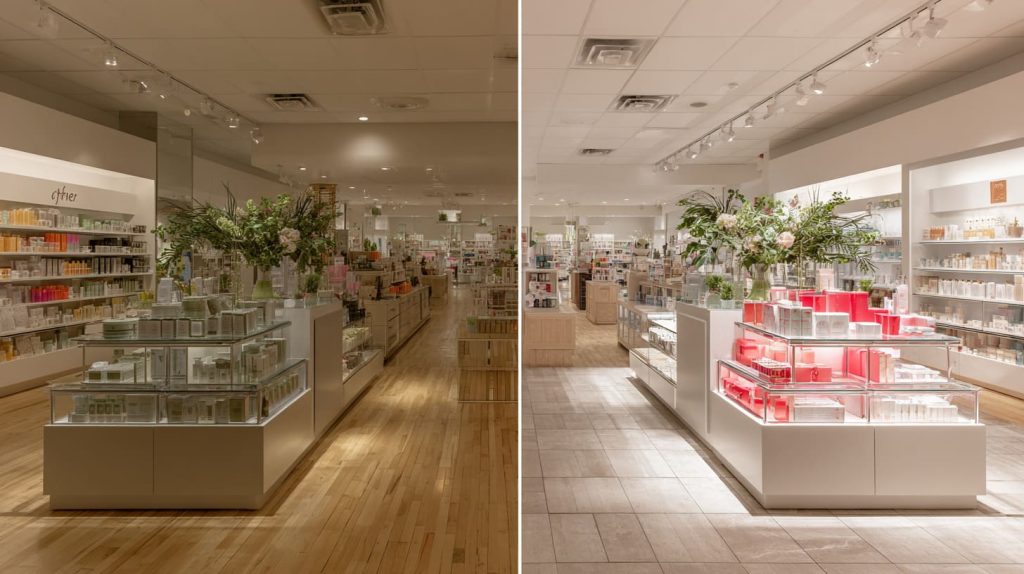
A retail display often gets judged in two completely different ways within the same minute.
The buyer looks at cost, durability, and how easy it will be to produce. The store owner looks at the overall feel. The customer does not think in material terms at all. The customer just reacts. The display either makes the product feel worth stopping for, or it does not. I think that split is exactly why this topic matters so much.
HDPE and acrylic both show up in retail display discussions for good reasons.
One gives people a sense of toughness and low-maintenance use. The other gives people a sense of clarity, order, and product value. On paper, that sounds like a clean comparison. In real stores, it is not so clean. A display is never just a structure that holds products. It also shapes attention, supports brand image, affects cleaning routines, and quietly influences whether the merchandise feels ordinary or carefully presented.
I have noticed that material decisions start going wrong when people only ask what a display can take, but not what it needs to say.
That is where the choice between HDPE and acrylic becomes more than a technical question. It turns into a store strategy question. If the display sits in a rough, busy, practical environment, toughness can carry a lot of weight. If the display sits in a place where appearance helps sell, visual quality starts doing real commercial work.
The first thing I judge is not which material sounds stronger in theory. I look at what kind of life the display will have after it leaves the factory.
That is why I want to compare these two materials in a practical way. I want to look at how they behave in real retail settings, how they affect customer perception, and where each one fits naturally. Once I frame the question that way, the answer becomes much more useful and much less abstract.
And from there, HDPE starts to make sense for one kind of store story, while acrylic starts to fit another.
What Is HDPE and Why Is It Used in Retail Displays?
HDPE does not usually win people over with charm.
It wins with usefulness.
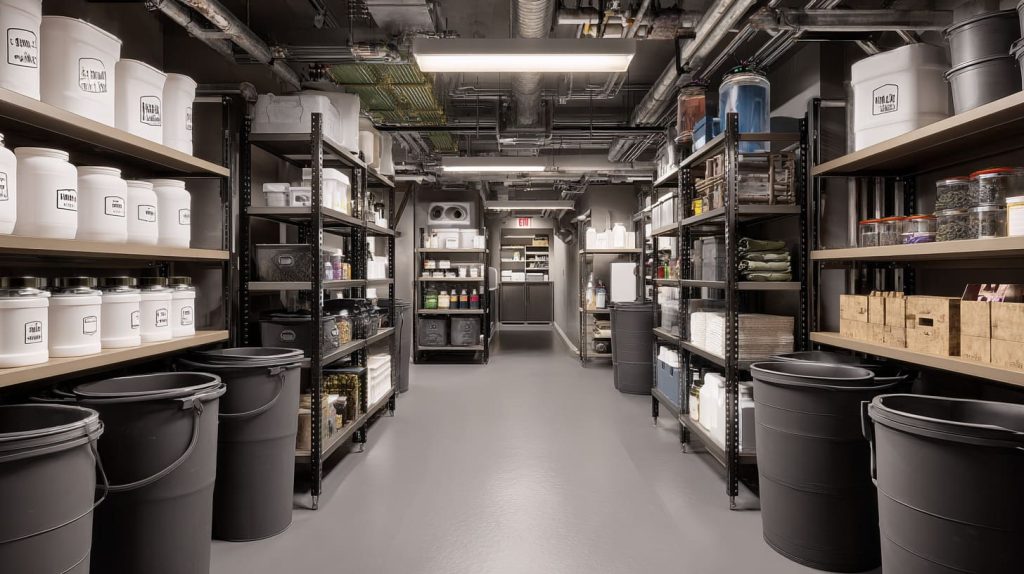
HDPE stands for high-density polyethylene. In plain language, it is a tough plastic that handles impact, moisture, and many chemicals better than people expect. It does not have the clear, polished look of acrylic. It does not try to look fancy. It usually comes across as solid, matte, and practical. That is exactly why some buyers like it.
Key properties of HDPE
When I first handled HDPE years ago, my reaction was simple: this material is not trying to impress anyone, but it is clearly built to take abuse.
That first impression still holds up.
HDPE has a few traits that make it useful in retail environments:
- High impact resistance
- Good moisture resistance
- Strong chemical tolerance
- Low water absorption
- A more forgiving surface for rough handling
- Opaque, non-premium visual look
Here is a quick breakdown:
| Property | HDPE Performance | What It Means in a Store |
|---|---|---|
| Impact resistance | Strong | Handles bumps, drops, and rough handling well |
| Moisture resistance | Strong | Works in damp or washdown areas |
| Chemical resistance | Good | Tolerates many cleaners better than acrylic |
| Appearance | Matte, opaque | Functional look, limited display drama |
| Surface feel | Slightly waxy | Less refined, but practical |
| Rigidity | Moderate | Can flex under load depending on design |
One thing many people miss is this: toughness and stiffness are not the same. HDPE can absorb impact very well, but it can also flex more than some buyers expect. That matters if the display must hold a neat shape under load.
I do not judge HDPE by how it looks in a conference room. I judge it by how calmly it behaves after months of carts, boxes, wet mops, and careless hands.
Typical retail use cases
HDPE usually shows up where function matters more than display elegance.
You will often see it in places like these:
- Backroom storage fixtures
- Utility shelving
- Food service display support parts
- Wet environment stands
- Durable divider panels
- Heavy-use bin systems
- Industrial retail environments
A simple table makes this easier to see:
| Retail Use Case | Why HDPE Fits |
|---|---|
| Backroom shelving | Tough and low-maintenance |
| Grocery prep area fixtures | Handles moisture and cleaning |
| Garden center utility stands | Better for wet and dirty conditions |
| Heavy-use sorting bins | Resists impact and daily abuse |
| Workshop-style retail supports | Practical and durable |
HDPE often works best when the display is more of a tool than a stage.
Where HDPE performs best
The best HDPE projects usually come from honest expectations.
If a buyer wants a display that can survive rough contact, repeated cleaning, moisture, and careless use, HDPE makes a lot of sense. If the store has a hard-use rhythm, HDPE often feels like the adult in the room. It does not complain much. It just keeps doing the job.
That said, I do not like when people describe HDPE as a universal answer. It is not. It performs best in stores or zones where visual effect matters less than survival.
Here is where HDPE often performs well:
High-traffic, rough-use stores
Think of hardware stores, garden supply areas, warehouse-style retail, food prep retail zones, or utility-heavy spaces. Customers are not leaning in to admire edge clarity. They are grabbing products, moving fast, and paying attention to convenience.
Functional-first display setups
Some displays are there to hold items, separate categories, or survive daily pressure. In those cases, HDPE does not need to look premium. It needs to stay useful.
Cleaning-heavy retail environments
If the store uses frequent wipe-downs, stronger cleaning routines, or wet maintenance, HDPE becomes attractive because it is less delicate during daily care.
Here is a practical comparison:
| Condition | HDPE Suitability |
|---|---|
| Constant touching | High |
| Wet floor or humid area | High |
| Premium visual requirement | Low to medium |
| Luxury brand presentation | Low |
| Heavy stock weight | Medium to high, depending on design |
The funny thing is this: HDPE often looks like the safe choice, but it can still be the wrong choice if the display’s main job is to make a product feel expensive.
That tension leads naturally to acrylic, because acrylic plays a very different game.
What Is Acrylic and Why Is It Popular in Displays?
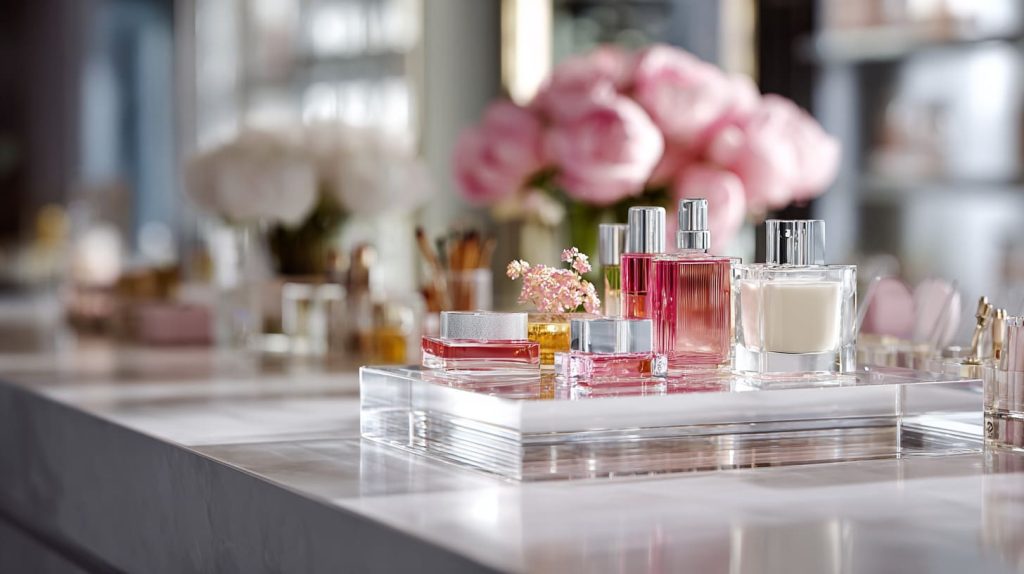
Acrylic speaks the language of display almost immediately.
It catches light. It frames products cleanly. It can make a shelf, riser, or holder disappear just enough to let the merchandise do the talking. That is why so many retail buyers keep coming back to it.
I understand the appeal very well. Acrylic gives people that sharp, polished, controlled feeling that many brands want. It does not simply hold a product. It presents it.
Key properties of acrylic
Acrylic is often chosen because of what the customer sees first.
That first glance matters a lot in retail. A clear acrylic stand can make products feel cleaner, better organized, and more valuable. It creates visual order. That is powerful.
Its main properties include:
- High transparency
- Glass-like visual clarity
- Good rigidity
- Light weight compared with glass
- Easy shaping, cutting, and polishing
- Strong visual merchandising value
Here is a simple view:
| Property | Acrylic Performance | What It Means in a Store |
|---|---|---|
| Transparency | Excellent | Products stay visually central |
| Rigidity | Good | Holds shape well when designed properly |
| Weight | Light | Easier handling than glass |
| Edge finish | Excellent | Creates premium visual effect |
| Scratch sensitivity | Moderate to high | Needs more careful use and cleaning |
| Impact resistance | Lower than HDPE | Can chip or crack under force |
The thing I respect about acrylic is this: it helps products look intentional. A random item on a metal shelf can feel ordinary. The same item on a clean acrylic riser can feel selected.
That is not magic. It is presentation.
Typical retail use cases
Acrylic shows up in many retail spaces because it works so well with visibility and branding.
I see it used again and again in:
- Cosmetic displays
- Jewelry and accessories stands
- Countertop risers
- Premium product holders
- Sign holders
- Tiered merchandising displays
- Branded retail showcase parts
Acrylic is especially strong in categories where the display must support a feeling, not just a function.
| Retail Use Case | Why Acrylic Fits |
|---|---|
| Cosmetic display stands | Clean, premium, visually light |
| Jewelry trays and holders | Makes products stand out |
| Countertop POP displays | Supports impulse attention |
| Eyewear displays | Clear structure without visual clutter |
| Luxury gift displays | Helps build a premium mood |
I have seen acrylic make even small products look more organized and more expensive. That effect is very real.
Where acrylic stands out
Acrylic works best where the display itself is part of the customer experience.
That includes stores where lighting matters, brand image matters, and product visibility matters. In those settings, acrylic often feels less like a material choice and more like a sales choice.
I tend to favor acrylic when the display must do these jobs:
Visual merchandising
Acrylic allows the product to stay visible from more angles. That matters for small goods, beauty items, accessories, and premium packaging.
Premium product positioning
Acrylic helps products feel cleaner and more curated. That can change how customers read the value of the item before they even touch it.
Branded presentation
Because acrylic can be cut, polished, printed, engraved, bent, and shaped in many ways, it gives designers more freedom to match the display to the brand.
| Display Goal | Acrylic Suitability |
|---|---|
| Premium image | High |
| Clear product visibility | High |
| High-impact rough use | Medium to low |
| Easy low-risk maintenance | Medium |
| Custom shape and branding | High |
I do not choose acrylic just because it is pretty. I choose it when appearance is part of the display’s job description.
And that is where the comparison gets more serious, because once both materials sound useful, buyers need to look at the differences that affect real purchasing decisions.
HDPE vs Acrylic: Core Differences That Affect Buying Decisions
A buyer can waste a lot of time by comparing HDPE and acrylic as if they are competing for the same exact role.
They are not.
Yes, both are plastics. Yes, both can be used in retail displays. But the way they behave, the way they look, and the way they age in a store are different enough that the wrong comparison can mislead the whole project.
Appearance and customer perception
This is often the first real dividing line.
HDPE looks useful. Acrylic looks intentional.
That may sound too simple, but in store design, simple truths matter. A matte HDPE fixture tends to disappear into the category of “equipment.” A clear acrylic display can move into the category of “presentation.”
| Factor | HDPE | Acrylic |
|---|---|---|
| Visual style | Matte, practical | Clear, polished, refined |
| Product visibility | Low | High |
| Brand perception | Utility-focused | Premium-focused |
| Shelf impact | Quiet | Eye-catching |
A customer usually will not know the material name. Still, they will feel the difference.
That feeling affects buying behavior more than many teams admit.
Strength and durability
Many people assume “stronger” means “better.” I think that is where confusion begins.
HDPE is tougher in impact-heavy situations. Acrylic is stiffer and visually cleaner, but it is more likely to crack or chip when hit hard.
| Durability Factor | HDPE | Acrylic |
|---|---|---|
| Impact handling | Strong | Moderate |
| Crack resistance | Better | Lower |
| Shape stability | Moderate | Good |
| Surface appearance over time | More forgiving | More delicate |
The trade-off is important. If the display will be knocked around, HDPE feels safer. If it must hold a crisp, elegant look, acrylic often gives a stronger visual result.
Weight and structure behavior
This part gets overlooked all the time.
Acrylic feels rigid. HDPE feels more forgiving. That sounds fine until weight gets added.
Acrylic usually holds straight lines better at first. But if the design is poor, especially across long spans, it can sag over time. HDPE, on the other hand, may flex earlier depending on thickness and support.
The design matters as much as the raw material.
This is the point where I stop looking at material samples alone and start asking about span, support, load, and how the display will really be used after installation.
Here is a practical view:
| Structural Issue | HDPE | Acrylic |
|---|---|---|
| Flex under load | More likely | Less likely at first |
| Long-term sag risk | Depends on design | Depends on design and thickness |
| Neat edge appearance | Lower | Higher |
| Stiff, premium feel | Lower | Higher |
Cost comparison
People often ask me which one is cheaper. That question is understandable, but incomplete.
HDPE is usually cheaper as a material and often cheaper for rugged, functional parts. Acrylic often costs more because the value is not only in the sheet. It is also in the finish, cutting quality, polishing, edge work, bending, and appearance control.
| Cost Factor | HDPE | Acrylic |
|---|---|---|
| Raw material cost | Lower | Higher |
| Finish-related cost | Lower | Higher |
| Premium display value | Lower | Higher |
| Rough-use replacement risk | Lower | Higher |
So yes, HDPE often wins on simple cost. Acrylic often wins on presentation value.
The better question is not “Which costs less?” The better question is “Which makes more sense for what this display is supposed to do?”
That question opens the door to aesthetics, because that is where acrylic and HDPE stop looking like close cousins and start looking like very different tools.
Which Material Is Better for Store Aesthetics?
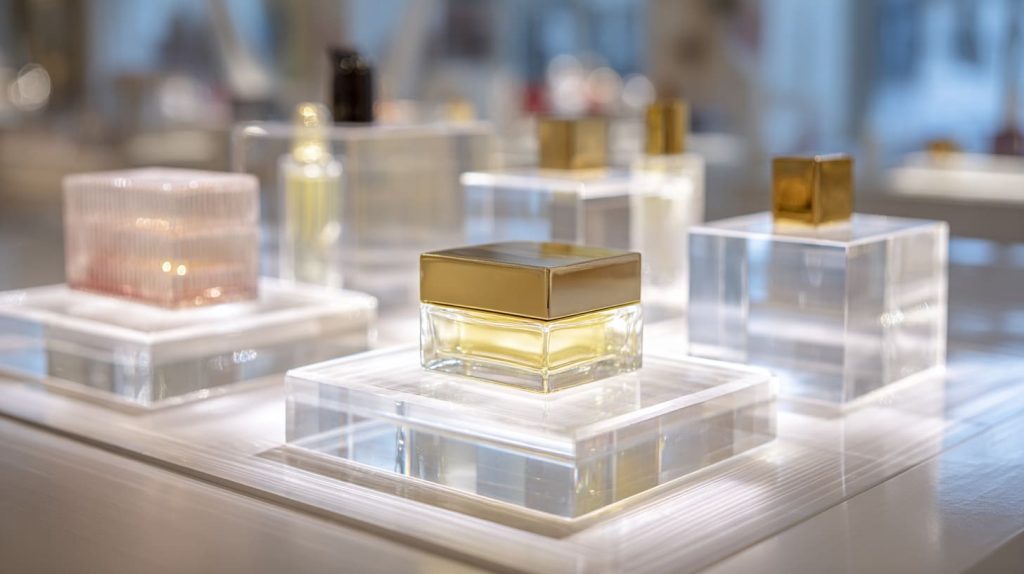
If the display must help the store look sharp, acrylic usually walks into the lead very fast.
That does not mean HDPE has no place. It does. But store aesthetics are not only about whether something looks “nice.” They are about how a material shapes product visibility, mood, light, and perceived value. That is a bigger job than many people give it credit for.
Transparency vs opacity
Acrylic’s biggest visual advantage is obvious and powerful: it is clear.
That clarity lets products stay front and center. The display supports the merchandise without visually blocking it. This is a huge reason acrylic works so well in beauty retail, premium accessories, and any space where neat presentation matters.
HDPE does the opposite. It is opaque. It shows itself as structure.
That can be fine in practical retail setups. But if the goal is to create a light, open, elegant display field, HDPE works against that effect more often than it supports it.
| Aesthetic Factor | HDPE | Acrylic |
|---|---|---|
| Transparency | None | High |
| Visual lightness | Low | High |
| Product-centered look | Medium | High |
| Fixture visibility | High | Low to medium |
When I want the product to feel like the star, I usually lean toward acrylic because the fixture can step back without fully disappearing.
Light interaction and display effect
Light changes everything in retail.
Acrylic catches and carries light in a way that can make a display feel clean, bright, and alive. Edge-polished acrylic can even create a subtle glow under store lighting. That is one reason it feels more premium.
HDPE absorbs more visual energy. It does not play with light in the same way. It looks flatter. More muted. Sometimes that is useful. Sometimes it makes the whole display feel heavier than it should.
I have seen average products look smarter under acrylic simply because the display gave them air and clarity. I have also seen good products lose energy because the fixture looked too dull.
Branding and perceived value
A material sends signals before anyone reads a price tag.
Acrylic often signals:
- Clean
- Modern
- Premium
- Organized
- Thoughtful
HDPE often signals:
- Durable
- Practical
- Utility-driven
- Functional
- Industrial
Neither message is wrong. But they are very different messages.
| Brand Goal | Better Material Fit |
|---|---|
| Premium beauty brand | Acrylic |
| Luxury gifting | Acrylic |
| Hardware utility area | HDPE |
| Food prep retail support | HDPE |
| Clean brand storytelling | Acrylic |
The small detail that often changes my mind is not whether the display looks attractive by itself. I ask whether the material makes the product feel more valuable or less.
That is the real aesthetic test.
Still, beauty is only half the story. Stores are rough places. Displays get touched, cleaned, bumped, and dragged through long weeks of use. That is where daily wear starts to matter.
Which Material Handles Daily Wear Better?
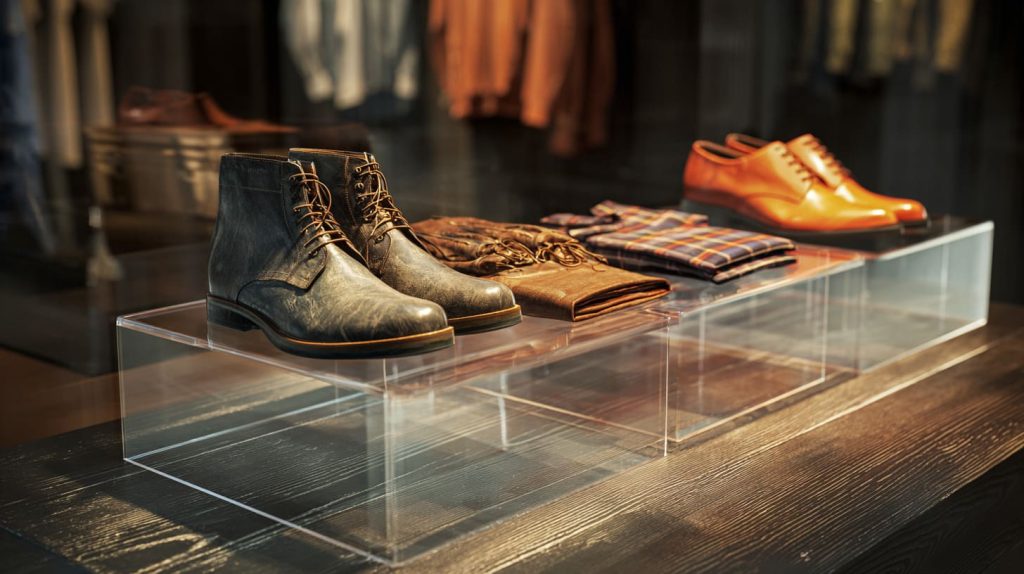
This is where the conversation gets less romantic.
A display can look beautiful under showroom light. Then real store life begins. Fingernails scrape surfaces. Boxes slide across shelves. Staff wipe fast. Customers pull things out badly. Cleaning cloths are not always soft. That is when material choice stops being theory.
Scratch resistance and surface wear
Acrylic and HDPE both age, but they do not age in the same way.
Acrylic scratches more easily than many buyers want to believe. On the other hand, its surface can often be polished or restored depending on the part and level of damage. HDPE also gets marks, but its matte and practical look tends to hide wear better.
| Surface Issue | HDPE | Acrylic |
|---|---|---|
| Scratch visibility | Lower | Higher |
| Surface elegance when new | Lower | Higher |
| Easy restoration | Limited | Sometimes possible |
| Daily wear appearance | More forgiving | More noticeable |
This matters a lot in busy stores. A premium acrylic stand with visible wipe marks can lose some of the clean feeling that made it attractive in the first place.
Impact and breakage behavior
This is one of HDPE’s strongest arguments.
HDPE handles impact better. If a display is likely to be hit, dropped, or knocked around, HDPE is usually more forgiving. Acrylic is rigid, which helps appearance, but rigidity can become weakness during sudden force.
Acrylic can chip at edges. It can crack under bad impact. That risk does not mean acrylic is fragile in all cases, but it does mean careless environments punish it faster.
| Impact Factor | HDPE | Acrylic |
|---|---|---|
| Drop tolerance | Better | Lower |
| Crack risk | Lower | Higher |
| Edge chipping | Lower | Higher |
| Rough-use confidence | Higher | Lower |
I get more cautious with acrylic the moment I know store staff will handle the display roughly, because elegant materials suffer fastest in careless routines.
Maintenance and cleaning
Cleaning routines quietly decide the life of many displays.
HDPE usually takes low-maintenance cleaning better. Acrylic needs more care. The wrong cleaner, rough cloth, or repeated hard wiping can damage the surface or reduce clarity over time.
That does not make acrylic a bad choice. It just means the store must be honest about how it will be maintained.
A quick checklist helps here:
Acrylic cleaning concerns
- Avoid harsh chemicals
- Avoid rough cloths
- Avoid aggressive scrubbing
- Train staff if display quality matters
HDPE cleaning strengths
- Tolerates tougher conditions better
- Better fit for frequent practical cleaning
- Lower visual penalty in utility zones
| Cleaning Issue | HDPE | Acrylic |
|---|---|---|
| Tolerance for rough cleaning | High | Lower |
| Sensitivity to chemical misuse | Lower | Higher |
| Premium appearance after poor care | Lower concern | Higher concern |
A lot of bad material decisions happen because buyers imagine ideal maintenance, while stores deliver rushed maintenance.
That is exactly why environment should never be treated like a side note. It shapes the whole answer.
How Environment Influences Your Choice
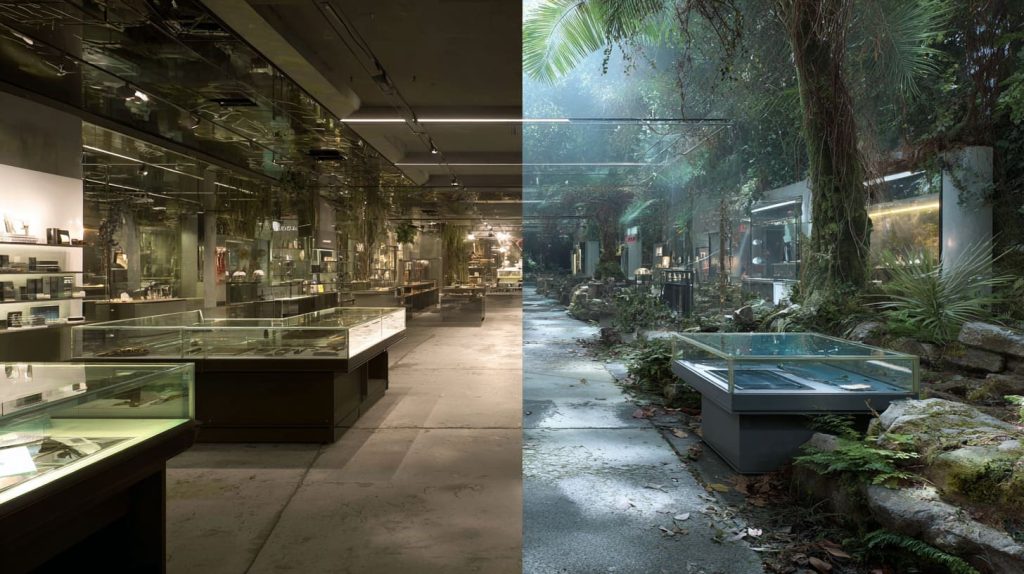
A material that works beautifully in one store can feel like a mistake in another.
That is not because the material changed. The environment changed. Temperature, humidity, traffic, cleaning style, sunlight, and even staff behavior all push the display in different directions. I think this is where many material decisions become more intelligent, because the store environment forces honesty.
Indoor retail environments
Acrylic usually shines in controlled indoor spaces.
If the store is clean, well-lit, and presentation-focused, acrylic brings out its best traits. It supports visual order. It works well with branding. It helps products look better from different angles. It fits stores where neat appearance matters every day.
Good examples include:
- Cosmetic stores
- Gift stores
- Jewelry counters
- Electronics presentation areas
- Boutique retail environments
In clean indoor spaces, acrylic often feels natural because the environment helps protect the very qualities that make it attractive.
Outdoor or humid conditions
HDPE becomes more attractive once conditions get rougher.
Humidity, water exposure, practical cleaning, outdoor retail zones, garden-related retail, or utility-heavy store sections all push the balance toward HDPE. It is simply less fussy in those conditions.
| Environment Type | Better Fit |
|---|---|
| Clean indoor boutique | Acrylic |
| Humid backroom area | HDPE |
| Outdoor retail support zone | HDPE |
| Light-controlled beauty display | Acrylic |
| Food-related wet setup | HDPE |
I start getting skeptical when someone wants a polished acrylic solution in a store zone that behaves more like a workshop than a showroom.
High-traffic vs low-traffic areas
Traffic changes the answer fast.
In low-traffic zones, acrylic can keep its beauty longer. In high-traffic zones, HDPE often earns respect because it survives repeated contact with less drama.
High-traffic areas often favor HDPE
- Fast product turnover
- Frequent touching
- Rough staff handling
- More chances of impact
Low-traffic or curated zones often favor acrylic
- Controlled presentation
- Lower touch frequency
- Stronger focus on image
- Better lighting effect
| Traffic Condition | HDPE | Acrylic |
|---|---|---|
| Rough customer contact | Better | Less ideal |
| Controlled interaction | Acceptable | Better |
| Backroom movement | Better | Less ideal |
| Curated front display | Acceptable | Better |
The environmental clue I trust most is simple: I ask myself whether the display will live more like furniture or more like equipment.
Once I answer that honestly, the material choice usually gets much easier.
And then the discussion moves into money, because buyers do not only compare performance. They also compare value.
Cost vs Value: What Really Matters for B2B Buyers?
B2B buyers rarely have the luxury of choosing only with their eyes.
They need to defend the cost. They need to explain replacement cycles. They need to think about freight, maintenance, customer impression, and store consistency. A cheap display that weakens the brand can cost more than it saves. A beautiful display that fails too fast can do the same.
Initial cost vs lifecycle cost
HDPE usually feels friendlier at the start.
It often comes with a lower raw material cost and can make good financial sense for rugged, function-first fixtures. Acrylic often costs more because appearance is part of the product. Better edge finish, better clarity, better visual control, and more careful processing all add cost.
But initial cost is only the first page.
| Cost Angle | HDPE | Acrylic |
|---|---|---|
| Upfront material cost | Lower | Higher |
| Premium finish cost | Lower | Higher |
| Utility value | High | Medium |
| Merchandising value | Medium | High |
If the store depends on visual selling, I do not like judging acrylic by material price alone. That misses what it is actually being bought for.
Replacement and maintenance cost
This is where cheap can become expensive and expensive can become cheap.
If HDPE lasts longer in a rough-use store, its lower replacement rate becomes part of its value. If acrylic helps products sell better and supports premium pricing, then the higher initial cost may be justified.
But if acrylic keeps getting scratched or chipped in a poorly managed environment, the replacement cost becomes painful fast.
| Lifecycle Issue | HDPE | Acrylic |
|---|---|---|
| Replacement frequency in rough use | Lower | Higher |
| Maintenance sensitivity | Lower | Higher |
| Brand image support | Lower | Higher |
| Long-term rugged value | Higher | Medium |
I get uncomfortable when people compare one invoice instead of the full life of the display, because that is where many “good deals” quietly become bad decisions.
ROI from visual merchandising
Acrylic’s strongest cost argument is not durability. It is influence.
A better-looking display can improve attention, support higher perceived value, and help products feel more organized. That can affect conversion. It can affect brand consistency. It can even affect how buyers judge the quality of the item before they touch it.
HDPE does not usually compete there. It competes in usefulness.
So the ROI question should be framed like this:
- Do I need the display to survive?
- Do I need the display to sell?
- Do I need it to do both?
- Which one matters more in this store?
A simple decision table helps:
| Business Priority | Better Choice |
|---|---|
| Lowest rugged-use cost | HDPE |
| Strongest premium presentation | Acrylic |
| Better sales-floor visual effect | Acrylic |
| Better utility in harsh zones | HDPE |
| Balanced mixed strategy | Hybrid |
That “hybrid” answer matters more than people expect.
Because sometimes the smartest move is not choosing one material over the other. Sometimes it is using both on purpose.
Can You Combine HDPE and Acrylic in One Display Strategy?
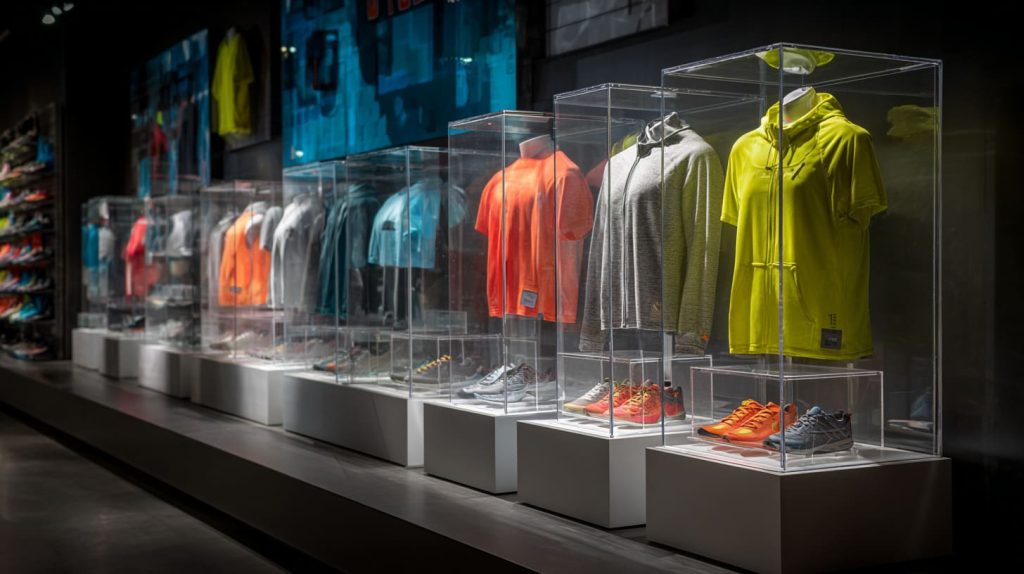
This is the part buyers often skip too quickly.
They assume the project must choose a winner. HDPE or acrylic. Tough or beautiful. Cheap or premium. But real display design does not always need that kind of strict split. In many cases, the best answer is a hybrid one.
Hybrid display approach
A hybrid display strategy uses each material where it performs best.
That may sound obvious, but it solves a lot of practical problems. HDPE can take on the structural or hidden work. Acrylic can handle the visible, customer-facing area.
That lets the design protect appearance without asking the whole fixture to behave like a showroom object.
| Hybrid Role | Good Material Fit |
|---|---|
| Hidden support structure | HDPE |
| Visible front panel | Acrylic |
| Internal divider or utility base | HDPE |
| Product-facing riser or sign area | Acrylic |
I often trust mixed-material designs more when the buyer wants both durability and presentation, because one material rarely does both jobs equally well.
Practical examples
Here are a few hybrid combinations that make sense:
Acrylic front panels with HDPE support frames
This works well when the front needs clarity and polish, while the body needs more rugged handling.
HDPE storage with acrylic display tops
Useful in stores where the base or lower section gets more abuse, but the upper display area must still look clean and premium.
Acrylic sign holders on HDPE utility stands
A good fit for retail zones where the messaging must stay visible, but the main body needs low-maintenance strength.
| Hybrid Example | Main Benefit |
|---|---|
| Acrylic front + HDPE frame | Better balance of image and durability |
| Acrylic top + HDPE base | Premium look where customers focus |
| Acrylic label area + HDPE body | Cleaner communication with lower risk |
Benefits of combining materials
The best part of hybrid thinking is that it breaks the false choice.
You do not always need to sacrifice visual effect for strength. You do not always need to pay acrylic cost for every hidden structural part. You can assign the expensive beauty to the visible zone and the practical toughness to the work zone.
Benefits include:
- Better cost control
- More targeted durability
- Stronger front-facing appearance
- Smarter material use
- More design flexibility
This is the point where design gets more mature. It stops asking, “Which material is better overall?” and starts asking, “Which material is better for this exact part of the job?”
That naturally leads to customization and manufacturing, because material choice also changes how the product gets made.
Customization and Manufacturing Considerations
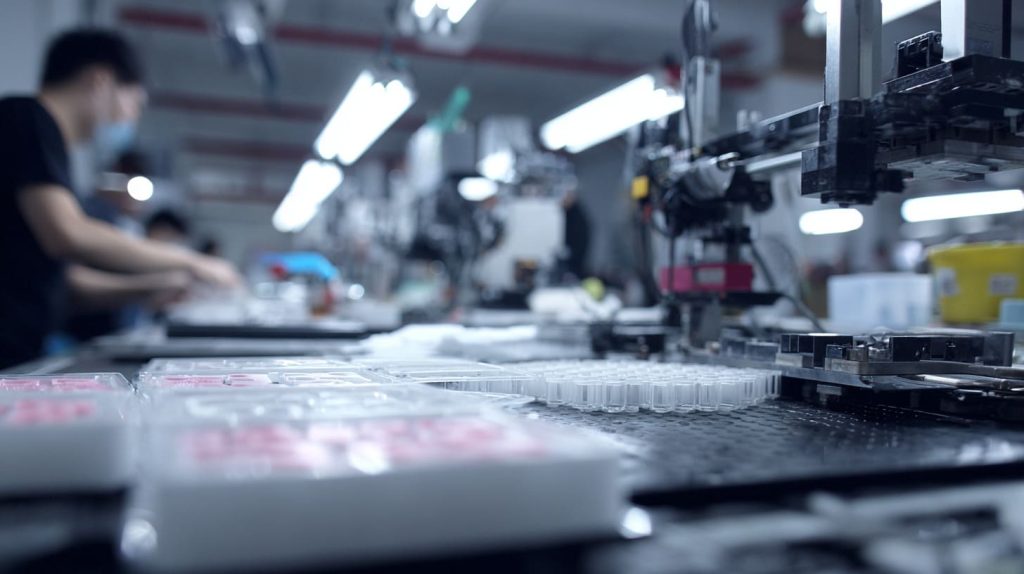
Material choice does not only change performance. It changes production logic too.
I care about this a lot because some designs look simple in drawings and become annoying in manufacturing. A buyer may love a concept, but if the process is awkward, the final product can become slower, less consistent, or more expensive than expected.
Processing differences
Acrylic and HDPE do not want to be processed in the same way.
Acrylic works well with:
- Laser cutting
- CNC cutting
- Polishing
- Bending
- Printing
- Engraving
HDPE works well with:
- CNC machining
- Cutting
- Welding in some cases
- Functional fabrication where surface beauty matters less
| Process Type | Acrylic | HDPE |
|---|---|---|
| Laser cutting | Excellent | Less ideal |
| Edge polishing | Excellent | Not a visual focus |
| Heat bending | Good | Different behavior |
| CNC machining | Good | Good |
| Fine visual detailing | Strong | Limited |
Acrylic gives me more freedom when the display must look refined. HDPE gives me more tolerance when the display is mainly functional.
Design flexibility
Acrylic is stronger when the project needs design expression.
That includes:
- Clean edge detail
- Branded forms
- Transparency
- Custom shapes
- Elegant countertop structures
- Premium visual storytelling
HDPE is more limited in that sense. It can still be designed well, of course. But it does not offer the same visual range. It does not create the same neat edge drama. It does not support the same kind of “invisible structure” feeling that acrylic does.
| Design Goal | Better Material |
|---|---|
| Transparent display effect | Acrylic |
| Luxury-looking fixture | Acrylic |
| Rugged function-first shape | HDPE |
| Low-visual support part | HDPE |
| Fine branded presentation | Acrylic |
The mistake I watch for here is forcing HDPE to act like a beauty material or forcing acrylic to behave like a rough industrial part. That usually creates frustration on one side or the other.
MOQ and production factors
Production quantity matters too.
Acrylic often fits branded custom projects, display launches, and lower-volume premium work because it supports customization well. HDPE can make more sense for repeated functional parts, simpler forms, and bulk utility production.
That does not mean one always has the lower MOQ. The real answer depends on design complexity, processing steps, and supplier setup. Still, from a practical point of view:
- Acrylic often fits custom visual projects very well
- HDPE often fits repeated functional production well
- Custom finish requirements push acrylic cost faster
- Simpler rugged parts often favor HDPE economics
| Production Factor | HDPE | Acrylic |
|---|---|---|
| Best for utility bulk parts | Strong | Medium |
| Best for custom visual display | Medium | Strong |
| Finish sensitivity | Lower | Higher |
| Branding-friendly fabrication | Lower | Higher |
A design is never just a design. It is also a manufacturing route in disguise.
That is why I do not like making material calls too early. Once production realities enter the room, some “great ideas” suddenly stop looking so great.
And that brings everything to the final practical question: how should a buyer actually decide?
How to Choose the Right Material for Your Store
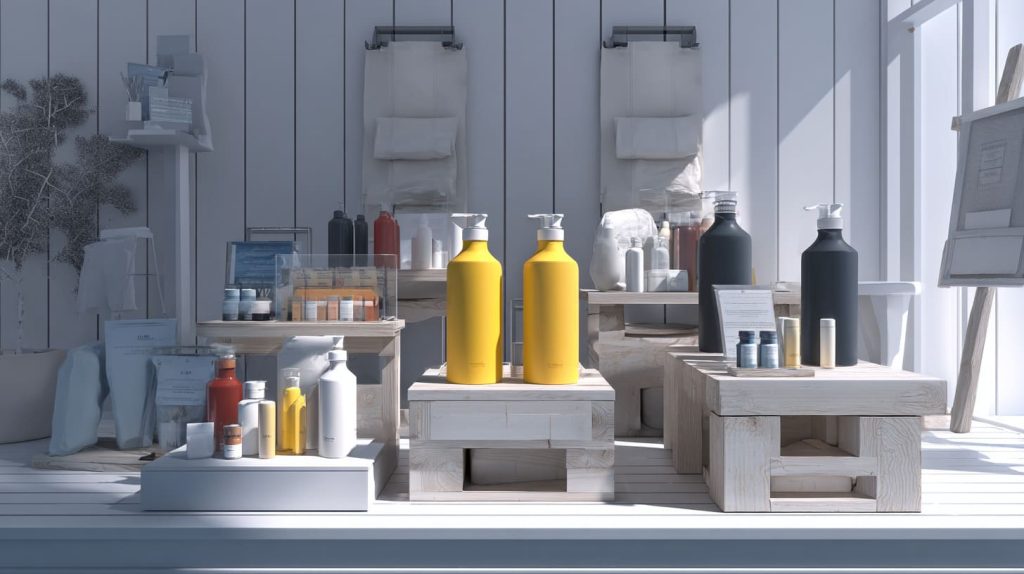
By the time a buyer reaches this stage, the goal should not be to pick a favorite material.
The goal should be to pick the right fit for the store, the product, and the way the display will actually live. I think this is where good purchasing gets a little more honest and a lot more useful.
Define your store positioning
The first question I ask is simple: what kind of store feeling are you trying to support?
If the store aims for premium, polished, clean, and highly visual presentation, acrylic usually makes more sense. If the store leans practical, rugged, utility-driven, or high-volume functional, HDPE may fit better.
| Store Positioning | Better Fit |
|---|---|
| Premium boutique | Acrylic |
| Practical warehouse retail | HDPE |
| Beauty and cosmetic shop | Acrylic |
| Functional service zone | HDPE |
| Mixed-use store | Hybrid |
Understand product type
The display should match the product’s selling style.
A luxury cosmetic item does not want to sit on a rough-looking support if visual value is part of the purchase. A heavy-use bulk item may not benefit much from expensive clear presentation.
Products that often fit acrylic
- Cosmetics
- Jewelry
- Accessories
- Premium packaged goods
- Small electronics
Products that often fit HDPE
- Utility goods
- Food-related support setups
- Bulk stock zones
- Rough-use items
- Wet-area merchandise supports
| Product Type | Better Fit |
|---|---|
| High-value visual item | Acrylic |
| Heavy-use practical item | HDPE |
| Simple storage support | HDPE |
| Premium branded countertop item | Acrylic |
Evaluate environment and usage
This is where the real answer often appears.
Ask these questions:
- Will the display be touched constantly?
- Will staff clean it roughly?
- Is the area humid or wet?
- Does sunlight matter?
- Does the display need to look premium every day?
- How often will the fixture be moved?
The judgment I trust most comes from watching how the store behaves on a normal busy day, not from listening to what the team says they hope the store will behave like.
That gap matters.
Balance cost, durability, and visual impact
In the end, I think the best material choice is usually the one that accepts trade-offs clearly instead of pretending they do not exist.
Acrylic gives stronger visual impact. HDPE gives stronger practical confidence. A hybrid design can often balance both. There is no one-size-fits-all answer, and honestly, I do not trust anyone who acts like there is.
A final selection table makes the logic clearer:
| Priority | Best Direction |
|---|---|
| Premium display image | Acrylic |
| Rough-use durability | HDPE |
| Lower budget utility fixture | HDPE |
| Better customer-facing presentation | Acrylic |
| Balanced store-wide strategy | Hybrid |
Good buyers do not only ask which material is better. They ask which mistake would hurt more if they chose wrong.
That is usually the smartest question in the whole project.
Conclusion
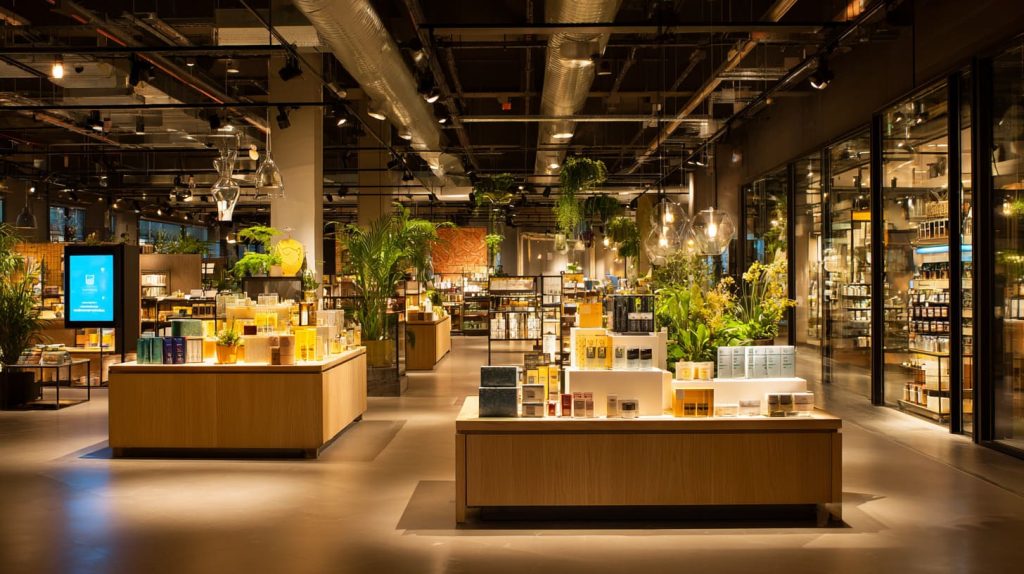
HDPE and acrylic do not really cancel each other out. They solve different problems.
That is why I do not treat them as direct substitutes in real projects. Acrylic helps me when I need products to look clean, visible, and more valuable. HDPE helps me when I need the display to survive rough use, moisture, cleaning pressure, and daily abuse without becoming a constant headache. When I need both, I do not force one material to do everything. I look for a smarter mix.
That is also why I think buyers get stuck on this choice. They are often not really choosing between two plastics. They are choosing between two store priorities. One priority says, “Make the display work harder.” The other says, “Make the product look better.” Both are valid. The trouble starts when people pretend they do not need to choose.
My own view comes from seeing how small details turn into big consequences. A display that looks premium but ages badly can quietly damage brand feeling. A display that survives forever but makes merchandise look flat can hurt sales in a softer, slower way. I do not like either outcome. So I keep coming back to the same idea: the right material is the one that matches the real life of the store, not the fantasy version of it.
If I am working on a premium retail display, I usually move toward acrylic because visual effect is doing part of the selling. If I am dealing with rough traffic, wet conditions, or functional zones, I lean toward HDPE because reliability matters more there. If the project has mixed needs, I would rather combine materials than defend a bad all-or-nothing decision.
That is why I think this question matters so much. It is not really about plastic. It is about judgment.
If you are planning a custom retail display and you are still weighing HDPE against acrylic, I would start with your store reality, your product type, and how the fixture will be treated after installation. That will tell you more than any material brochure. And if you want to turn that thinking into a custom display solution, that is exactly the kind of discussion I like having.