Skip to content


Ever found yourself standing in front of a stunning store display, wondering what makes it so captivating? I've been there too. As someone who's worked with both glass and acrylic, I know the impact the right material can have on showcasing products.
Choosing between glass and acrylic for store displays boils down to factors like durability, weight, clarity, and cost. Acrylic is lighter, more impact-resistant, and offers greater design flexibility. Glass provides a classic look but is heavier and more fragile. For most modern displays, acrylic tends to be the more practical and versatile option.
Let's dive deeper into what sets glass and acrylic apart, so you can make the best choice for your store display needs.
Is glass or acrylic better for display cases?
I've often pondered whether glass or acrylic makes a better display case material. Both have their merits, but the answer isn't always straightforward.
Acrylic is generally better for display cases due to its lightweight nature, higher impact resistance, and flexibility in design. Glass offers superior scratch resistance and a traditional aesthetic but is heavier and more prone to breakage. Ultimately, acrylic provides a safer and more versatile solution for most display needs.
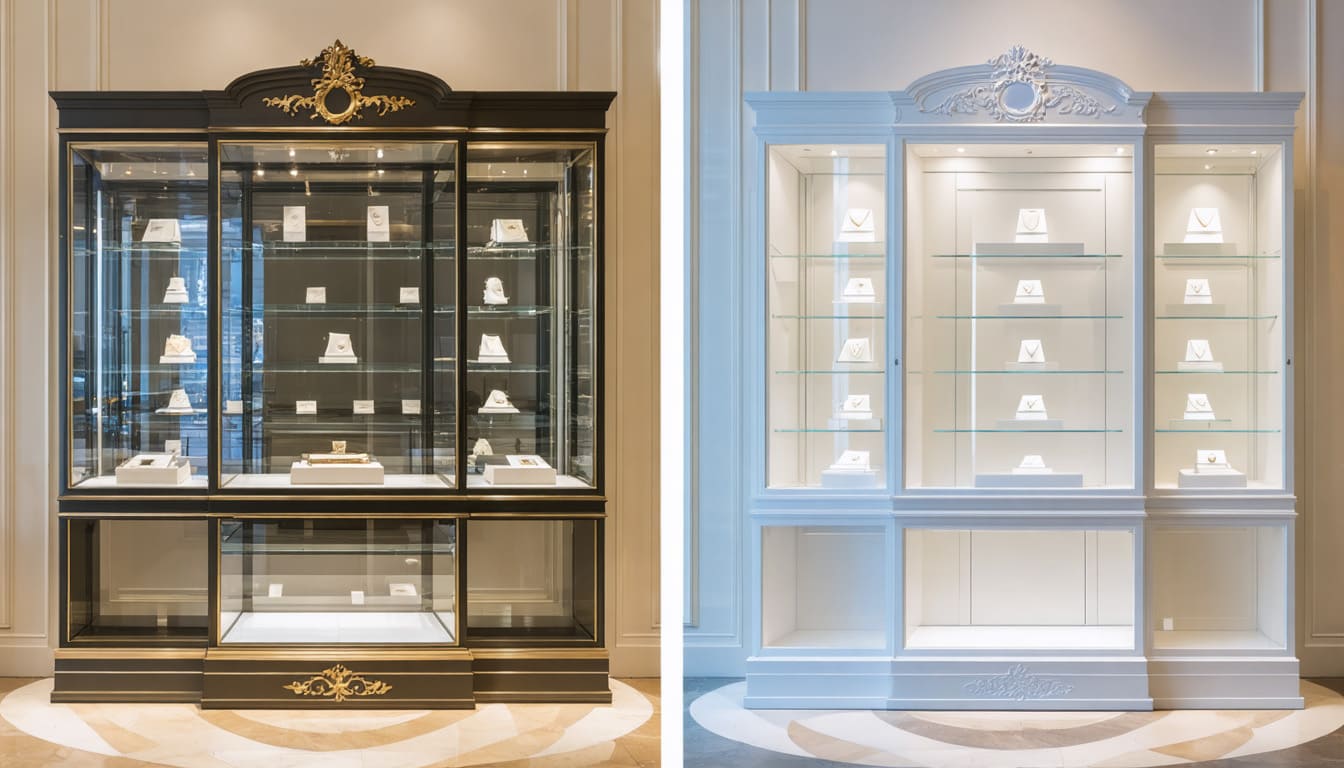
I remember the first time I had to choose between glass and acrylic for a display case. The glass looked elegant, no doubt, but the moment I lifted it, the weight became a concern. Acrylic, on the other hand, was surprisingly light, making it easier to handle and install.
Durability and Safety
When it comes to durability, acrylic stands out. It's about 17 times more impact-resistant than glass. This means less worry about accidental shattering, which is especially important in high-traffic retail environments. Glass can be a safety hazard if it breaks, posing risks to both staff and customers.
Design Flexibility
Acrylic offers greater flexibility in terms of design. It can be easily molded into various shapes and sizes, allowing for more creative display options. Glass is limited in this regard due to its rigidity and the complexities involved in shaping it.
Clarity and Aesthetics
While glass has a high level of clarity, acrylic is not far behind. Modern acrylic materials are crystal clear and can even offer better light transmission than glass. Plus, acrylic doesn't have the greenish tint that some types of glass possess.
Here's a quick comparison:
| Feature | Glass | Acrylic |
|---|---|---|
| Weight | Heavy | Lightweight |
| Impact Resistance | Low | High |
| Design Flexibility | Limited | High |
| Clarity | High | Very High |
| Safety | Can shatter | Shatter-resistant |
Considering these factors, acrylic often emerges as the better choice for display cases.
Is glass or acrylic more sustainable?
Sustainability is a growing concern for many of us. I've often been asked whether glass or acrylic is the greener option.
Glass is generally more sustainable than acrylic because it's 100% recyclable and can be reused indefinitely without loss of quality. Acrylic is recyclable but involves more complex processes and may not be accepted by all recycling facilities. For eco-conscious choices, glass has a sustainability edge.
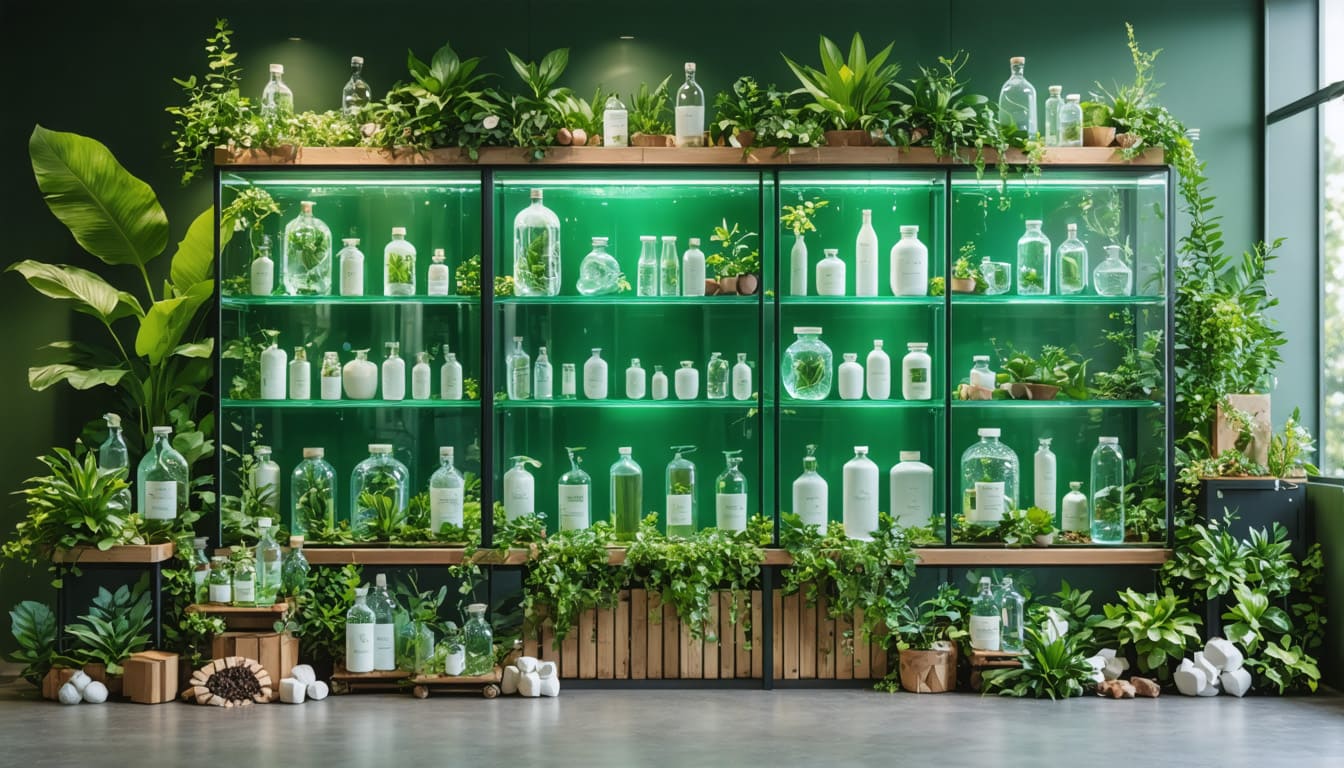
Environmental impact is something I care deeply about. Glass is made from natural materials like sand, soda ash, and limestone. Its production has a lower carbon footprint compared to acrylic, which is derived from petroleum.
Recycling and Reusability
One of the standout features of glass is its recyclability. It can be recycled endlessly without degrading its quality. This closed-loop system makes glass a highly sustainable material. Acrylic, while recyclable, often ends up in landfills because recycling facilities for acrylic are less common.
Energy Consumption
Manufacturing glass requires high-temperature furnaces, which consume a significant amount of energy. However, recycled glass melts at a lower temperature, saving energy in the production process. Acrylic production also consumes energy but relies on fossil fuels, adding to its environmental impact.
Longevity
Glass is more scratch-resistant, which means it maintains its appearance over time, reducing the need for replacement. Acrylic can scratch more easily, potentially leading to more frequent replacements and increased waste.
Here's a comparison table:
| Sustainability Factor | Glass | Acrylic |
|---|---|---|
| Recyclability | High | Moderate |
| Energy Consumption | High (less with recycled glass) | Moderate |
| Derived From | Natural materials | Petroleum |
| Longevity | High | Moderate |
In summary, if sustainability is your primary concern, glass may be the preferable choice.
What are the disadvantages of acrylic glass?
While acrylic has many advantages, it's not without its downsides. I've learned about these the hard way over the years.
Disadvantages of acrylic glass include susceptibility to scratches, potential for UV degradation over time, and lower heat resistance compared to glass. Acrylic can also be more flammable and may emit fumes when burned. These factors can affect its suitability for certain applications.
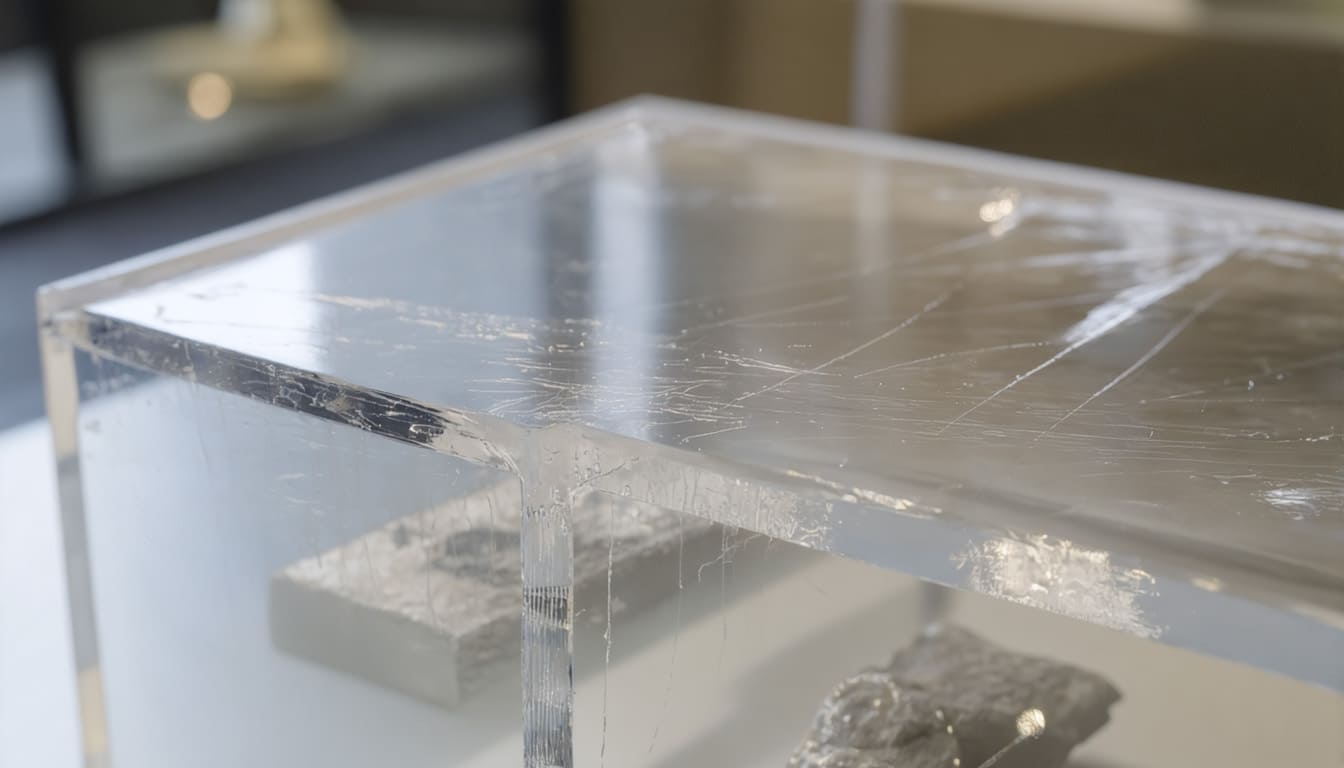
I once had an acrylic display that looked fantastic when new but started showing scratches after a few months. This taught me about one of acrylic's main drawbacks: its softness compared to glass.
Scratch Susceptibility
Acrylic scratches more easily than glass. Even cleaning with a rough cloth can leave marks. This means extra care is needed to maintain its appearance. Special cleaning agents and soft cloths are recommended.
UV Degradation
Over time, acrylic can become yellowed or brittle due to prolonged exposure to UV light. While UV-resistant acrylics are available, they can be more expensive.
Heat Resistance
Acrylic has a lower melting point than glass. It can warp or melt at high temperatures, making it unsuitable for applications involving heat exposure.
Flammability
Acrylic is more flammable than glass. In the event of a fire, acrylic can ignite and produce toxic fumes, whereas glass is non-flammable.
Here's a summary:
| Disadvantage | Acrylic | Glass |
|---|---|---|
| Scratch Resistance | Low | High |
| UV Resistance | Moderate | High |
| Heat Resistance | Low | High |
| Flammability | Flammable | Non-flammable |
Understanding these disadvantages helps in making an informed choice based on the specific needs of your display.
Is acrylic more durable than glass?
Durability is key for displays that need to stand the test of time. So, is acrylic actually more durable than glass?
Acrylic is generally more durable than glass in terms of impact resistance, being up to 17 times stronger. It is less likely to shatter when dropped or struck. However, glass is more scratch-resistant and can better withstand high temperatures, offering durability in different ways.

I've seen acrylic survive falls that would leave glass in pieces. This impact resistance makes acrylic a durable choice in certain contexts.
Impact Resistance
Acrylic's high impact resistance means it's less likely to break when subjected to force. This is particularly important in environments where accidental knocks and bumps are common.
Scratch Resistance
However, durability isn't just about not breaking. Glass's superior scratch resistance means it can maintain a clear, unmarred surface longer than acrylic under abrasive conditions.
Temperature Tolerance
Glass can withstand higher temperatures without deforming or melting. Acrylic can become distorted when exposed to heat, which can be a factor in displays subjected to direct sunlight or heat sources.
Here's how they compare:
| Durability Aspect | Acrylic | Glass |
|---|---|---|
| Impact Resistance | High | Low |
| Scratch Resistance | Low | High |
| Heat Resistance | Low | High |
| UV Resistance | Moderate | High |
So, while acrylic is more durable in terms of impact resistance, glass offers durability through scratch and heat resistance. The best choice depends on the specific demands of your display environment.
Does acrylic glass break easily?
Breaking is a major concern, especially in busy retail spaces. I've been asked if acrylic glass breaks easily.
Acrylic glass does not break easily; it's significantly more impact-resistant than standard glass. While not unbreakable, acrylic is less likely to shatter when dropped or struck, making it a safer alternative for environments where breakage is a concern.

Safety is a top priority in any display setting. I've witnessed acrylic panels withstand impacts that would have shattered glass.
Impact Resistance
Acrylic's high impact resistance means that it can absorb shocks without breaking. This makes it ideal for displays in areas with high foot traffic or where children are present.
Shattering vs. Cracking
When acrylic does break, it tends to crack rather than shatter into sharp pieces, reducing the risk of injury. Glass can shatter into dangerous shards.
Maintenance Considerations
While acrylic doesn't break easily, it's important to note that over time, stress points can develop, especially if the material is constantly flexed or improperly supported.
Comparison:
| Breakage Aspect | Acrylic | Glass |
|---|---|---|
| Impact Resistance | High | Low |
| Shatter Risk | Low | High |
| Safety on Breakage | Cracks | Sharp shards |
| Flexibility | Moderate | Low |
In conclusion, acrylic is less likely to break than glass, making it a safer and more durable option for many display applications.
Conclusion
Choosing between glass and acrylic for your store display depends on your specific needs. Acrylic offers lightweight durability and design flexibility, while glass provides a classic look and higher scratch resistance. Understanding the pros and cons helps you make the best decision for your unique situation.