Skip to content
I still remember the first time I saw a giant LED display—it was outside a stadium during a trip to Shanghai. I felt as if I were peering into the future. LED screens glowed in unison, lighting up the streets with vivid colors. That day, I realized that these displays are everywhere in modern life. They guide us in shopping malls, entertain us at concerts, and even set moods in our living rooms. Through this article, I want to walk you through the world of LED displays, from their core parts to the subtle design choices that make them stand out.
Components Of LED Displays

I used to think LED displays were just clusters of lights. But I soon learned that they’re like a puzzle made of many pieces. Each piece has a purpose. Each piece requires precision. Let me show you what I mean, then I'll share a story about a friend who tried building his own mini LED display from scratch.
| Component | Role In Display | Key Consideration |
|---|---|---|
| LED Modules | Contain the actual LED diodes | Must ensure consistent brightness and color across all diodes |
| Circuit Boards | Provide electrical pathways and manage signals | Proper soldering and trace layout are critical for stable performance |
| Power Supplies | Deliver the right amount of electricity to each component | Overvoltage or undervoltage can shorten lifespan or reduce brightness |
| Control Systems | Process incoming data and manage image rendering | Must offer fast refresh rates and minimal delay |
| Housing & Frame | Protect internal parts from external damage, dust, and moisture | Structural integrity affects display longevity |
LED Modules
LED modules serve as the heart of any display. They contain the actual LEDs that emit light. To look at this from multiple angles, I find it helpful to compare them to puzzle tiles. Each tile must align perfectly to form a clear picture, and if one tile fails, the entire image can appear distorted. In many factory tours, I’ve seen engineers test every tiny LED on each module. They check for brightness, power usage, and heat emission. These tests ensure that the final display looks consistent and lasts longer.
Circuit Boards
Circuit boards act like the veins that supply the modules with signals and power. If one part of the circuit board is compromised, it can cause flickering or even total blackout. I once watched a technician solder and unsolder components for hours, trying to fix a single broken trace. That showed me how delicate, yet important, circuit boards are for stable performance.
Power Supply Units
Power supply units provide electricity. Without them, even the best modules and circuit boards would sit there, useless. I often compare these units to reliable caretakers, ensuring every LED gets just enough power—no more, no less. Too much power could burn the diodes. Too little power will produce dim or inconsistent brightness.
Control Systems
Control systems process the visual data. They convert signals into something LED modules can understand. I remember a time I visited a development lab in Shenzhen. I saw rows of control systems that were each designed to handle specific display sizes. The programmers tested them with patterns and videos. They assessed how quickly each system could refresh and how crisp the images looked. It gave me a deeper respect for the brainpower behind each LED display.
Housing And Frame
A strong housing and frame protect the sensitive components inside. They fend off external damage, dust, and sometimes moisture. I’ve seen too many displays fail due to flimsy frames that cracked under harsh weather. From a critical angle, if you compromise on the housing, you compromise on the entire display—no matter how good the internal parts are.
Let me take a quick personal detour. My friend tried to build his own indoor LED sign. He spent days perfecting the control system, only to have everything fall apart because he used a cheap plastic frame. It was a lesson learned the hard way.
Before we dive into design and planning, I want to keep you hooked with a confession: one of my early LED display orders was almost canceled due to incomplete design specs. Let’s talk about why design and planning can make or break a project.
Design And Planning
I’ve found that design and planning pave the way for success. I once tried to rush an LED display order without double-checking dimensions and ended up with modules that wouldn’t fit properly. That taught me a big lesson: plan first, then proceed.
Determining Specifications
Specifications include display size, resolution, and brightness. From a broader perspective, these specs can vary depending on indoor or outdoor use. For instance, an outdoor display needs extra brightness to battle sunlight, but that often comes with higher power consumption. When I first started, I overlooked how bright the sun could be, and I ended up with an outdoor sign that was barely visible at noon. This taught me to think critically about each environment.
Selecting LED Types And Sizes
Choosing LED types is like selecting the perfect ingredient for a meal. Certain LEDs are better for large-scale displays, while others excel in close-up experiences. If the display is too small, it won’t be effective in big venues. If it’s too large, it might become overwhelming for small spaces. I always remind myself to analyze the surroundings and usage.
Customization For Specific Applications
Some clients want curved LED walls, others want flexible strips that bend around pillars. I remember a project where we needed to create a triangular display. We had to test modules that could be installed at a precise angle. It was challenging, but exploring different shapes pushed me to think outside the usual rectangular box.
Software And Control Interface Design
Even the best hardware fails if the software lags. A poorly designed interface can lead to awkward transitions or delayed visuals. In one project, the client needed live text updates on their LED ticker. We had to rewrite the control software to achieve real-time changes without freezing. That was an eye-opener on how software can make or break user experience.
Now, let’s talk about making the displays themselves. I’ll share a short story about a factory in Guangdong that introduced me to the meticulous side of manufacturing.
Manufacturing Process
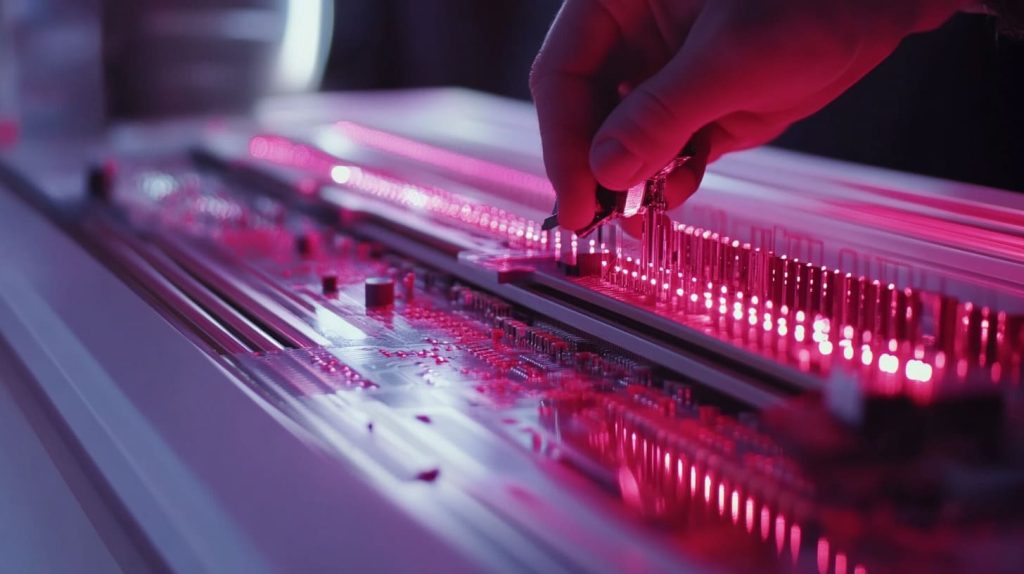
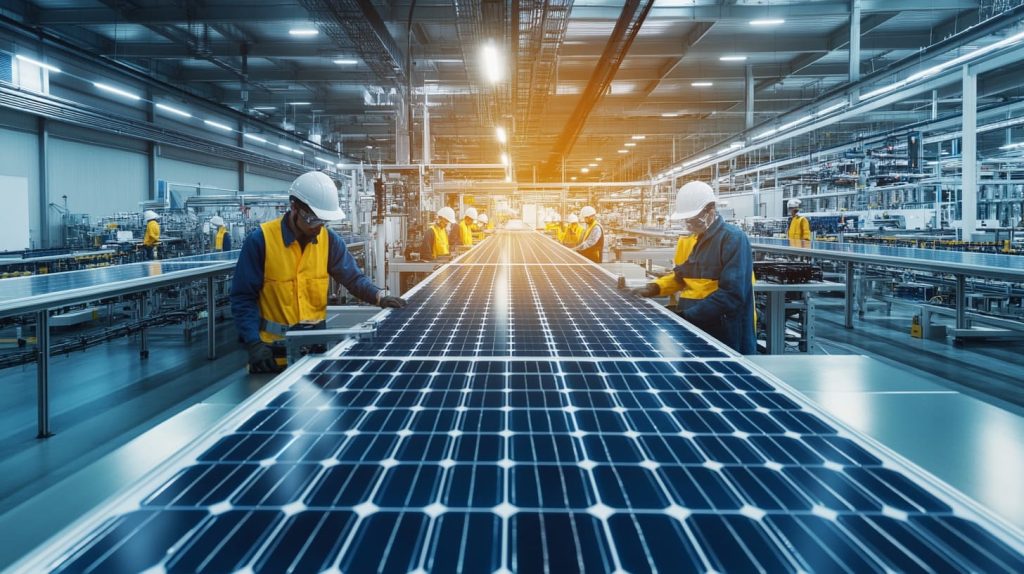
When I visited a factory in Guangdong, I saw entire rows of LED modules under bright test lights. It felt a bit like stepping into a sci-fi movie. Everywhere I looked, skilled workers were assembling and testing. Manufacturing is about detail, discipline, and double-checking. Let’s see each step.
Sourcing Quality Materials
I’m careful about choosing the right suppliers, especially for critical parts like LEDs and circuit boards. If the materials are low-grade, the final product can fail or have a short lifespan. Once, I received a batch of subpar LEDs. Most of them started dimming after a month. That experience drove home the importance of using only reliable sources, despite higher costs.
Assembling LED Modules
This step is all about precision. Workers piece together diodes on circuit boards, ensuring everything aligns. If even one diode is out of place, I might end up with a flickering pixel. Sometimes, this assembly requires specialized machines for big orders. For smaller, custom jobs, many factories still rely on manual expertise. It’s a dance between human skill and machine efficiency.
Integrating Circuit Boards
Integration is more than just plugging everything in. Technicians test connections and ensure that signals flow correctly. I’ve seen entire boards rewired because a single line was misplaced. This step might look repetitive, but it’s where reliability is truly built.
Installing Power Supply Systems
I compare power supplies to the backbone. They must be stable to avoid flickering. Sometimes, factories do burn-in tests where displays run non-stop for days. This checks how the power units handle heat over time. If the power supply fails, all the quality tests on LED modules and circuit boards won’t matter.
Final Assembly Of The Display
In the final assembly, everything comes together: modules, boards, power units, and frames. Once the display is fully built, it undergoes a battery of tests—brightness checks, color calibration, and software updates. This final moment can be tense. One year, I waited anxiously while a giant display was tested under simulated rainfall for an outdoor event. It was nerve-racking but also thrilling to see it pass the test.
Now that we’ve gone through how a display is built, I’d like to reflect on another aspect: quality control and testing. I promise this is the last technical deep dive before we move onto the fun part—how these displays are used in real life.
Quality Control And Testing

Quality testing might sound dull, but without it, there’s chaos. I learned this the hard way when a single pixel line died right before a product launch event. If there’s anything I’ve learned, it’s to test, test, and test again.
ISO9001 Standards Compliance
From a broad viewpoint, ISO9001 ensures consistent manufacturing processes. Think of it as a set of rules that keep everyone on track, so we don’t cut corners. Factories that follow ISO9001 keep detailed logs and do routine checks. I prefer working with factories that meet this standard because it saves me headaches.
GSG Certification For Eco-Friendly Materials
Environmental consciousness matters to me. GSG-certified materials show that the factory cares about sustainability. This also speaks to how acrylic can be high-transparency and eco-friendly. In fact, acrylic manufacturing often aligns with greener processes if done right. We’ll touch more on why this is vital later.
Testing For Brightness And Color Accuracy
I’ve learned that color accuracy is everything, especially for brand logos or retail signage. Even small color inconsistencies can be noticeable. Factories typically use colorimeters and photometers. That might sound fancy, but they’re just instruments that measure color and brightness. One instance, I had a client who insisted that their corporate blue appear exactly the same on every display. It was a challenge to calibrate but worth the effort when everything matched perfectly.
Durability And Safety Testing
Durability tests often involve environmental chambers that simulate extreme temperatures or humidity. I remember being surprised when I saw displays tested at sub-zero temperatures. That’s when I realized just how tough these systems need to be. Safety checks also look out for short circuits, which can happen if humidity seeps in. It’s not just about building a bright display; it’s about building one that won’t fail in harsh conditions.
Before we jump into customization, here’s a quick snippet: I once thought that simply passing basic tests was enough, until a client requested custom waterproofing for a sea-side installation. It pushed me to learn how crucial specialized testing can be.
Customization And OEM Services
Customization can transform a basic display into a unique piece that reflects a brand’s identity. I remember working with a startup that wanted a 3D-shaped LED sculpture for a tech expo. It sounded crazy, but we made it happen by combining different design techniques with flexible LED strips.
Tailoring Designs To Client Needs
Every client is different. Some want huge screens for stadiums, while others want compact, high-resolution displays for boutiques. From one angle, it’s about understanding the purpose behind the display. Do they want interactive content or just a static image? Are they planning to run 24/7 or only occasionally? Each requirement changes the design drastically.
Prototyping And Iterative Design
Prototyping is my safety net. I like to build small-scale versions of the final display to see if everything works. This helps me catch design flaws early. It’s similar to an artist sketching rough drafts before painting. Iterative design allows me to test, adjust, and perfect.
Bulk Order Management
Handling bulk orders demands well-organized logistics. Many times, clients from large retail chains need hundreds of displays spread across their stores. Coordinating shipping, installation, and after-sales support can be tricky. I’ve had to shuffle multiple spreadsheets and shipping documents. That’s when I appreciate factories that have a robust order management system.
Supporting OEM Orders
OEM, or Original Equipment Manufacturer, means we help other brands make displays under their name. That can involve signing non-disclosure agreements or customizing packaging. It’s a testament to trust and capability. By looking at it critically, I see it as a way to elevate industry standards. Multiple brands rely on the same reliable manufacturing processes.
Allow me to share something: I once had to deliver a customized set of LED displays for an airport in a tight timeframe. That taught me how to juggle OEM responsibilities while meeting strict deadlines.
Applications Of LED Displays

I can’t help but get excited when I talk about how LED displays come to life in the real world. Sometimes, I get a surge of satisfaction when I see a display I helped build shining bright in a bustling shopping district. Let’s explore various uses.
Retail And Store Displays
Retailers love using LED screens to showcase promotions. It’s an eye-catcher. For instance, a trendy fashion store might feature running videos of their latest runway show. Looking deeper, I see how these displays influence shopper behavior. They create a dynamic atmosphere that plain posters can’t match.
If you’re curious about recommended specs for retail usage, check out LED brightness guidelines. I found them helpful when planning store displays.
Cosmetic Organizers
It might sound surprising, but LED-lit cosmetic organizers are a hit. I once worked on a compact acrylic case that lit up each compartment when opened. It felt futuristic. It’s not just about illumination, but convenience. Under a critical lens, this is more than aesthetics; it’s about user-friendliness.
Household Items
People are installing LED panels as decorative pieces in living rooms, or even behind mirrors for a modern glow. One friend placed a narrow LED strip around a large acrylic photo frame. The result was a subtle, ambient light effect that made guests pause and admire.
Event And Exhibition Displays
Events rely heavily on big LED panels for signage and dynamic backdrops. Attendees can see the schedule, watch live videos, or just appreciate the ambient visuals. From multiple angles, these displays create an immersive environment. I recall setting up an LED floor for a dance competition, and it was mesmerizing to see it react to each performer’s steps.
Before we chat about new trends, let me tell you a short story of how I first discovered flexible LED panels for a museum exhibit. The museum needed curved screens around a dome-like structure. At first, it seemed impossible. But with custom modules, we pulled it off. That’s what led me to keep an eye on emerging innovations.
Innovations In LED Display Manufacturing

Innovation never stops. Sometimes, I see a new LED technology that completely changes how we make displays. It’s an industry that rewards experimentation and forward thinking.
Advancements In LED Technology
Today’s LEDs are smaller, brighter, and more energy-efficient. MicroLEDs, for example, offer sharper resolution on smaller screens. In a critical sense, they promise better color contrast but at a higher production cost. Each new advancement challenges us to refine our manufacturing processes.
Sustainable Manufacturing Practices
Sustainability has become more important than ever. Factories that adopt eco-friendly methods, like using GSG-certified acrylic, help reduce carbon footprints. This not only pleases environmentally conscious clients but also helps preserve resources for the future. I’ve seen factories invest in solar panels to power their machinery. It’s an inspiring shift toward green energy and minimal waste.
Future Trends In Custom LED Displays
I believe the future belongs to flexible displays and interactive interfaces. Virtual reality might even merge with LED technology. Looking at these trends critically, there’s a balance between pushing the boundary and maintaining affordability. But it’s an exciting path. I can’t wait to see how it unfolds.
Conclusion
In this journey, we’ve explored the anatomy of LED displays, dug into design and manufacturing, and even peeked at future possibilities. I hope my personal stories highlighted the challenges and satisfactions of bringing these vibrant screens to life. At the end of the day, quality and customization remain the guiding stars. My team at Feilong Acrylic stands by our slogan: “Deliver high-quality, custom solutions with fast lead times that are suitable for personalized or bulk orders.” If you ever need an LED display—or any acrylic solution—feel free to drop by our website flacrylic.com. Together, we can make ideas shine.