Skip to content

Here’s why product display is so important to customer engagement. By displaying products in an attractive, well-thought-out manner, it increases profitability right off the bat.
Good product displays allow shoppers to quickly find what they’re looking for, easily discover new features, and enjoy their shopping experience. They further affect buying behavior by highlighting certain products or sales events.
In store and online environments, organized displays can create greater aesthetic appeal, build brand image, and capture sales with just the right amount of punch.
What Is a Product Display?

In retail, product displays are the first line of offense in showing products to consumers. These displays aren’t solely passive products sitting on retail shelves. They are highly strategic, topic-specific devices, expertly crafted to improve the consumer experience, stand out in the clutter, and ultimately increase sales.
Product displays are eye-catching and often contain beautiful photography. They engage customers in powerful ways, which makes them indispensable tools for effective marketing in today’s retail environments. To really appreciate their importance, we first need to explain just what product displays are.
Second, we need to dig into what display is for and understand the different kinds of display in stores.
Definition of Product Display
A product display is a retail promotion tool designed to feature products in a way that captures customer attention. These types of displays are meant to draw people in and showcase products to be visually appealing and accessible.
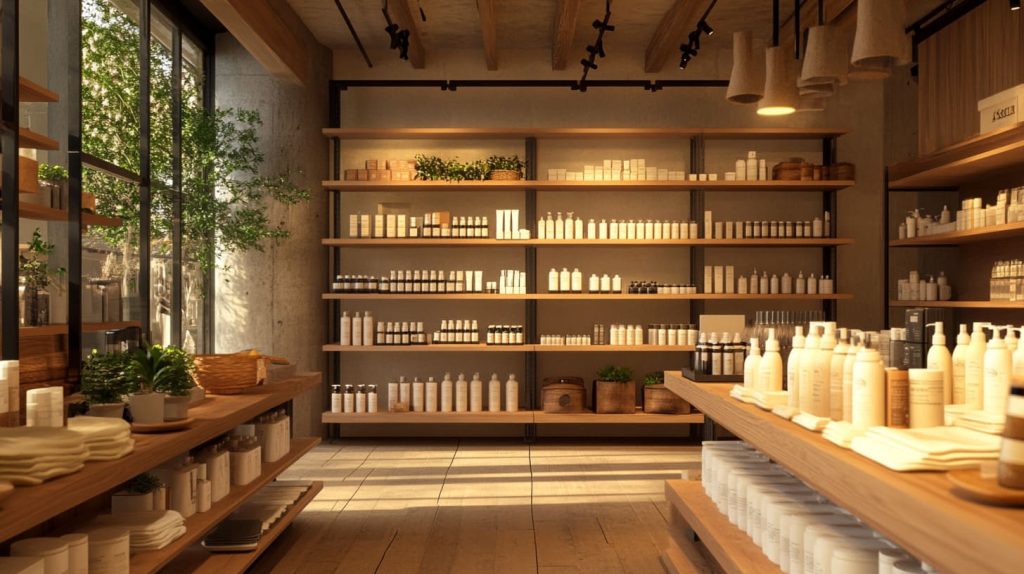
A clean, bright display of skincare products instantly draws the eye with the clean lines of lined up bottles. Clear and concise informational signage increases confidence in purchase decisions. By having a clear definition of what a product display is, retailers can better judge their success and make improvements to their approach.
Here are some common traits of effective product displays. They feature sharp organization, engaging designs, and make sure that products are easy to spot and grab. To use a pairing as an example, if you pair three or more unique products together in a display, you create balance and variety.
A product needs to fill 20 plus inches of shelf space to play in the visual field, to break through the clutter and direct the busy shopper’s eye. These display attributes allow a display to contribute toward larger, external marketing objectives. They reinforce a brand’s image and draw attention to promotions and deals.
Purpose of Product Displays
The overarching purpose of product displays is to attract consumer attention. With the help of imaginative configurations and eye-catching indicators, displays bring products to the forefront, even in crowded retail environments. Seasonal displays, such as Pumpkins in the fall or Poinsettias in the winter, add visual stimulation and tend to drive impulse buys.
Beyond the look and feel of a store, displays play an important role in the consumer journey by driving in-store navigation and new item discovery. Product displays aren’t just about showcasing products. Product displays share brand messaging and values as well.
Eco-friendly brands, for instance, take advantage of the natural look of wooden or recycled material displays to highlight their eco-friendly products and signage. Having this direct connection between the product display and the brand itself builds trust and strengthens consumer relationships.
Put extra incentives such as “buy one get one free” in bold to catch the reader’s eye. This tactic is sure to increase customer interest and increase sales and revenue!
Types of Retail Product Displays
| Type | Benefits |
|---|---|
| Point-of-Purchase | Encourages last-minute purchases at checkout counters. |
| Window Displays | Attracts passersby and brings them into the store. |
| Island Displays | Promotes featured products in high-traffic areas, boosting visibility. |
| Mannequins | Creates visual appeal in clothing stores by showcasing styles and trends. |
Point-of-purchase displays, located right by cash registers, are known to effectively push forth impulse buys. In-store window displays are the ultimate first touch engagement, piquing interest and enticing shoppers to enter the store.
Island displays are eye-catching in bustling areas, providing a full 360-degree view of featured promotional products. By using mannequins, customers can get a better sense of how clothing fits and overall looks. Yet, they are the unsung heroes of the apparel retail experience.
In-store displays make products stand out but they create a better shopping experience. Studies have found that 69% of shoppers pay attention to these displays, leading to a 30% increase in sales per product featured.
You can create targeted displays for events such as seasonal promotional holiday sales. Now THAT is how you create a sense of urgency and excitement! Their unique multipurpose features are what make them so invaluable to retail strategies today.
Importance of Product Displays in Retail

It’s clear that product displays continue to be integral in creating the retail experience. Beyond their functional role, they have a powerful aesthetic role. They set an impression, dictate a shopper’s purchase decision, and are an essential factor in creating a brand’s image.
A strategic design display can attract customers’ attention, guide their decision-making, and build brand loyalty. Let’s unpack this a little bit more.
Impact on First Impressions
Eye-catching displays may be the first thing shoppers see when they walk into a retail store. Colorful, tidy and attractive product displays create a welcoming atmosphere, right from the start, communicating a sense of quality and professionalism. A display featuring perfectly placed new seasonal merchandise catches the eye.
When you introduce appropriate lighting, it forms a warm and inviting environment that piques customer interest right away. Research supports this. It’s a pretty clear indication that about 80% of all buying decisions are made on the trading floor, quite frequently based on the sheer visual impact of the shelf.
Not only do first impressions look great—they create a psychological impact on your customer loyalty as well. A cluttered or unkempt display can turn away potential buyers, whereas clean and orderly arrangements inspire confidence.
A shelf display with just one sad product left can make an impression too. When you cluster products in threes, it gives the false impression of demand and dependability. These small decisions can increase foot traffic and sales. Consumers are more inclined to browse in an establishment that exudes a sense of order.
Role in Driving Customer Engagement
Interactive displays move engagement to the next level, challenging customers to touch, try, or explore products in new ways. Beauty retailers often feature testers and digital displays. These new digital tools allow consumers to better imagine how a product will fit into their lives and work for them.
This tactile, hands-on approach helps bring the product to life for the consumer. In turn, this causes shoppers to linger longer in the store.
Another great tactic is the art of storytelling. Imagine a sun-drenched summer day with picnic baskets and weathered wooden crates galore. Colorful displays help customers find ideal combinations of refreshing drinks and great snacks.
Such a display speaks to the heart, leaving shoppers with a lasting impression. Thought-provoking displays usually create a positive experience for shoppers, building loyalty and return trips.
Influence on Purchasing Decisions
Good product displays lead consumers to make better buying decisions. Strategic product placement, such as placing high-demand items at eye level, helps products stand out and be more readily accessible.
Planograms, or space layouts, allow retailers to maximize shelf space and create uniformity across stores. Such organization can encourage impulse buys, a purchase habit that is usually fueled by irresistible visual merchandising.
Retail studies have found that well-designed in-store exhibits can increase product sales up to 478%. This is clear evidence of the power of thoughtful product displays to drive conversions.
Contribution to Brand Consistency
Creating displays that are cohesive with your brand’s identity helps to solidify brand recognition and trust with consumers. For instance, a retail brand that has ecologically conscientious eco-conscious values would be well-served using wooden display crates such as modular CrateWalls to convey sustainability.
Uniform product displays across all locations strengthen the brand’s presence, ensuring it can be recognized at a glance. When displays are aligned correctly, they communicate a more polished shopping experience, which fosters shopper loyalty in the long run.
Signage goes a long way in achieving this by leading customers where they need to go and boosting their confidence in making informed purchases.
Why Product Display Pages Matter

Product display pages, or PDPs, are the backbone of the e-commerce universe. They serve as the digital on-ramp where customers learn about a product and decide whether or not to buy it. A Product Details Page (PDP) is devoted entirely to one product.
It consolidates all the important information, imagery and trust factors information to inform and optimize the customer journey. On the brand side, your product display pages are your brand’s first line of defense. They are important strategic assets that lead to increased sales, improved user experience, and better brand visibility.
Key Elements of Effective Display Pages
Each of these integral components plays a critical role in a well-designed PDP to grab attention and convert potential buyers into actual purchases. Here are the core elements:
- High-quality images: Showing the product in at least five different angles ensures customers have a complete understanding of what they’re buying. If you sell clothing, make the fabric texture pop with close-up shots.
Simultaneously, it can leverage long-form photos to showcase fit and style. Clear visuals help reduce uncertainty and build confidence in the purchase.
- Highlighting key features and benefits provides the information customers need to make informed decisions. A PDP for a new kitchen gadget would emphasize its sturdiness, size, and ways to use it.
This way, future buyers have a thorough and clear idea about what they are purchasing.
- Seamless navigation, such as filters and quick access to related products, enhances the shopping experience. Consider how the addition of a “More Like This” section can help users browse for a longer period of time, increasing the chance of more purchases.
- Buttons like “Add to Cart” or “Buy Now,” placed strategically, guide users toward completing their purchase. A clear, compelling call-to-action will eliminate any doubts and make checking out easy.
Enhancing User Experience with Design
The overall design of a PDP has a profound impact on how easily users can consume information and accomplish tasks. Clear, intuitive layouts allow visitors to easily locate what they’re looking for.
Responsive design so that the page is easy to view on any screen size. This is even more crucial, considering that more than 50% of all e-commerce transactions are completed on mobile devices.
A simple, coherent color palette and clear typography can go a long way in boosting usability and first impressions. A pale, pastel-like background induces a sense of calm.
In contrast, clear black font allowed product details to stand out without overshadowing the product itself. A carefully considered design further prevents high bounce rates and pushes customers towards making a sale.
Building Trust with Clear Information
Providing transparency on PDPs builds the brand-consumer trust necessary in today’s new environment. Concise pricing, explicit return policies, and upfront shipping details remove ambiguity and let shoppers know exactly what to expect.
Almost every company today incorporates third-party reviews from other sites such as TrustPilot to increase trustworthiness. Genuine customer reviews and ratings let potential customers get the low-down from real people who’ve bought the product.
Including all relevant information, like materials, care instructions, and warranty details, gives your customers the confidence to buy. This guidance doesn’t just inform it, it transforms casual browsers into confident buyers.
Benefits of Strategic Product Placement
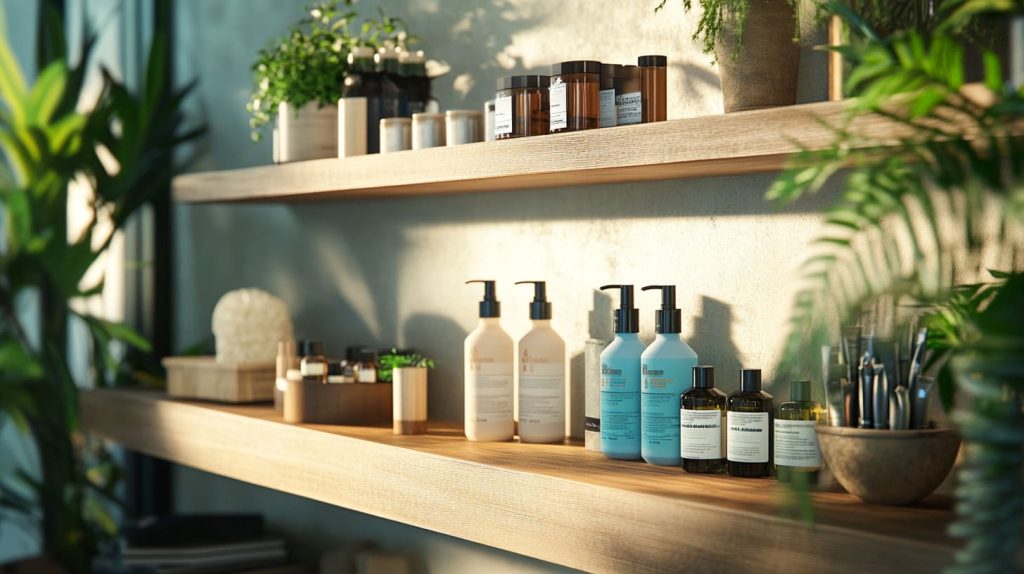
That’s why strategic product placement is one of the most important pillars to increasing customer engagement, increasing sales, and gaining brand familiarity. Companies can dramatically change consumer behavior by strategically selecting locations and ways to show their products. Simultaneously, they’ll be able to make sure their own offerings align with what customers are looking for.
Here’s how strategic product placement can translate into real-world benefits, including increased sales and exposure.
Boosting Sales with Optimized Placement
Increased Sales Opportunity And it benefits customers by making them more aware of and able to find products they need or desire. For example, putting your top-selling products at eye level will allow them to be right in front of the customer’s natural line of sight. This easy fix can double or triple the chance of purchase.
Grocery stores often utilize this tactic, positioning staple items such as cereals or snacks where shoppers don’t have to search extensively. Shelf placement further determines how consumers see and understand products. Things placed in the middle of a shelf get statistically more eyeballs than things placed on the outside edges.
This is due to the fact that the center placement is in line with a customer’s eye movement when shopping. Placing high-demand or promotional items on endcap displays—those located at the end of aisles—can create a focal point for shoppers. These high-impact areas draw the customers’ eyes, especially for seasonal or temporary items.
The benefits of strategic product placement go far beyond single items. Smart companies like Hershey understand the value of strategic product placement. In fact, after they collaborated with the film E.T., the brand experienced an unprecedented 65% jump in their profits.
In the automotive industry, BMW saw a noticeable increase in Mini Cooper sales. After being big players in The Italian Job, their sales exploded by a ridiculous 22%. These three examples highlight the opportunity for smart product placement to create revenue generating impact that can be tracked and measured.
Encouraging Impulse Purchases
Impulse purchases are most common when shoppers are tempted by strategically marketed, easily accessible, inexpensive products. Checkout areas are prime locations for products designed to trigger last-minute decisions, like candy bars, packs of gum, or cheap toys.
These goods, usually presented in an attractive and convenient way, take advantage of the shopper’s impulse to act on the spur of the moment. Emotional triggers are the deeper roots of impulse buying. Bright colors, limited-time offers, or attention-grabbing packaging can all help establish a sense of urgency or excitement.
Strong displays amplify this reaction, leading to impulse buys. Retailers that make the most of attractive displays placed near checkout lines can take advantage of this behavior, boosting total sales as a result. In the highly competitive, low-margin consumer packaged goods (CPG) sector, this tactic has been a make-or-break strategy.
Highlighting High-Margin Products
High-margin products are one of the most significant drivers of profitability, making strategic high-margin product placements a priority. Knowing these products requires careful analysis of profit margins as well as knowing which items makes the most money compared to what they cost.
Once identified, these items should be front and center in displays to ensure they get the best exposure. Prominent placement, like using prime shelf space or creating specialty sections, can help familiarize shoppers with these products.
In addition to content, signage can have a powerful effect on catching the eye. Large, easy-to-read, eye-catching signage touting features such as “Best Value” or “Exclusive Item” will help lead customers to these products. Luxury retail and premium-brand consumer electronics retailers use similar, attention-getting signage.
This approach underscores their distinctiveness to consumers.
Types of Product Displays and Their Uses
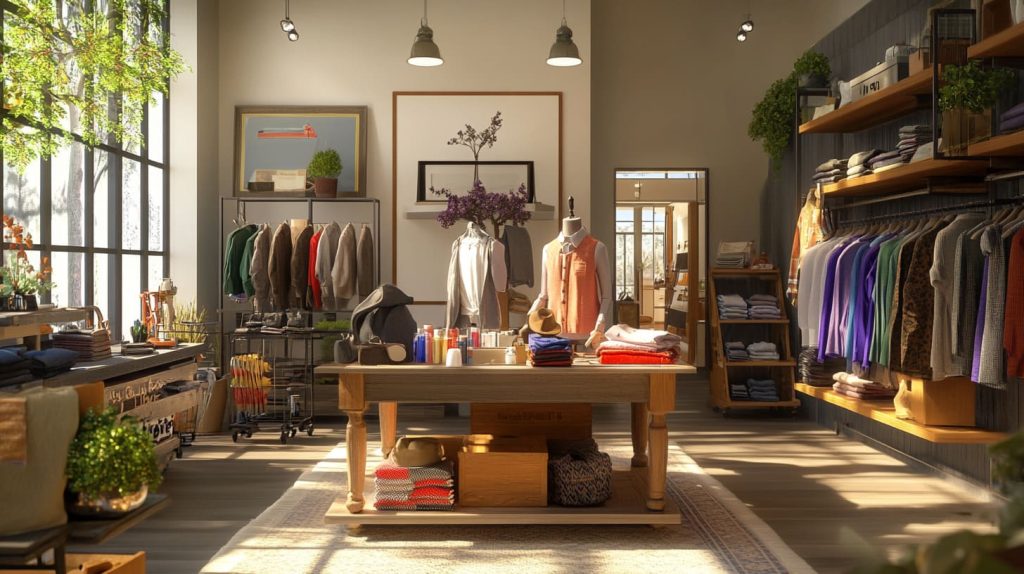
Whether intentional or unintentional, product displays often make or break customer experiences, and are key drivers to making a sale. Eighty-two percent of millennials still like to shop in physical stores. The way products are displayed has a huge impact on how consumers perceive a brand and interact with its goods.
So, let’s take a closer look at the different types of product displays and their uses. Together we’ll demystify their advanced applications and how they are enhancing a thriving retail ecosystem.
Display Tables for Versatility
Display tables are perhaps the most versatile fixtures. They are versatile enough to display all types of products from apparel, accessories, home goods to seasonal products. Their expansive flat surfaces provide a large canvas for imaginative displays.
This allows merchandisers to create attention-grabbing displays that highlight featured products and in-store promotions. For example, with a variety of display tables, a retail store can easily create a cohesive winter theme by mixing sweaters, scarves, and gloves. This new configuration will be more appealing and relevant to shoppers improving their overall shopping experience.
Display tables comfortably fit into any type of retail space. They are the ideal choice in every dimension from the smallest boutique space to the biggest department store floor. Retailers can increase product visibility simply by raising the height or playing with the layout of a table display.
This results in attractive, dynamic displays that motivate customers to engage. When products are carefully clustered or stacked to highlight their attributes, shoppers are more inspired to interact with them. We have found that this approach greatly enriches shopper experience.
Mannequins for Apparel Presentation
Mannequins are a versatile, cost-effective product display solution that can maximize how you sell clothing online and in-store. Mannequins are useful in showing clothing and how they look and move on a more human-like form.
This aids customers in picturing themselves in the products, which is extremely compelling for customers trying to experiment with new styles and trends. Not to mention, a mannequin in a well-curated outfit is eye-catching. By displaying an entire outfit including accessories, it encourages customers to take the plunge and make impulse purchases they weren’t planning on.
In order to have the most impact, mannequins should represent the latest trends and seasonal themes. In the summertime when you walk by, a mannequin will be displaying a cute, breezy sundress, straw hat and sandals.
This beautiful display evokes an aspirational lifestyle that appeals to shoppers. Mannequins are a visual treat and strategically placing them near store entrances or high-traffic areas can attract shopper attention, drive foot traffic and ultimately increase sales.
Point-of-Purchase Displays for Quick Buys
Point-of-purchase (POP) displays are located close to the checkout lines to entice consumers into impulse buys. These displays are ideal for compact, inexpensive items like grab-and-go food, on-the-go toiletries or fashion accessories.
They are very effective at moving volume! Intriguing designs and high contrast colors stop people in their tracks. This makes sure customers are seeing the displays on their way out and encourages impulse buys.
Standalone displays such as dump bins or freestanding units add on even more to the power of POP displays. These fixtures are open on all four sides, so customers can engage with the products more easily.
Retailers can increase their average transaction value by intentionally matching up complementary products. So, for instance, they could put phone chargers next to phone cases to create a valuable cross-merchandising strategy.
Immersive Displays for Enhanced Experiences
Since immersive displays engage customers by putting their sight, sound, and even smell to use, this results in a memorable and enjoyable shopping experience. These types of displays usually include technology like touchscreens, augmented reality, or digital projections to create a more dynamic interaction.
A beauty retailer might install a virtual try-on station. This way customers can physically test to see which shade of lipstick works best with their skin tone.
Aside from technology, immersive displays create strong emotional attachment to a brand through the creation of extended environments. A pop-up exhibit that mimics a beach scene for summer-themed products can transport customers and make the shopping experience feel special.
These displays invite longer dwell times, raising the chances of a purchase while bathing them in brand loyalty.
Garment Racks for Organized Presentation
Garment racks are important for keeping a neat and easily shoppable display of clothing. By organizing items by type, size or color, these racks help customers quickly find just the right piece they’re looking for.
For example, a rack of neatly arranged blouses sorted by size allows shoppers to find what they need without hassle. Good signage will only make garment racks more effective by directing customers to particular sections or drawing attention to ongoing promotions.
For example, signage such as “New Arrivals” or “50% Off” can help guide focus to can’t-miss merchandise. An attractive, well merchandised rack enhances the shopping experience, while at the same time maximizing the chance for a product to be discovered by a consumer and subsequently purchased.
How to Create Effective Product Displays

Developing eye-catching product displays is key to attracting customer attention and generating sales. Thoughtful design and strategic placement can turn passive shoppers into active buyers, influencing their decisions right on the sales floor. Here are some concrete ways to make sure your product displays cut through the clutter and drive real results.
1. Use High-Quality Visuals
Quality visuals are the heart of any good product display. Quality product photography makes your products look more desirable and professional, which increases the credibility of your items to potential customers. Sharp, bright product photography highlights details, like the texture of fabric or craftsmanship of a shoe.
This doesn’t leave any room for hesitation on the customer’s part. That precision sometimes even comes across as quality, increasing the perceived value – especially when accompanied by uniform branding on every piece of visual communication. A consistent aesthetic builds authority and makes customers more likely to connect your business with high quality.
Clear, professional-looking visuals have a huge impact on purchasing decisions. Research shows that shoppers are attracted to product displays that are attractive. For instance, you might want to take advantage of the rule of three—a classic design concept frequently employed in visual merchandising.
Whether it’s grouping three complementary products or tiering them to create balance, you reward the eye with visual tension and balance. This approach not only boosts the impact of your displays but serves to elevate the shopper’s experience as well.
2. Write Clear and Compelling Descriptions
Concise product descriptions flood customers with positive information that helps them feel confident in making a purchase. Focusing on how a product will benefit the customer rather than simply listing its features will prevent any confusion as to what’s in it for them.
For example, instead of listing "material: stainless steel," emphasize its benefit: "durable stainless steel for long-lasting use." Verbiage is just as important in getting shoppers to add to cart. Phrases such as “exclusive,” “bestselling,” or “top-rated” can urge customers to view a product as something unique.
Formatting plays a huge role as well—short paragraphs and bullet points can help break down complex information, which is key when shoppers are skimming for info. When done right, persuasive copy can help drive conversions at rates much higher than the competition.
3. Add Urgency Signals and Social Proof
Urgency signals, such as limited-time offers, instill a sense of scarcity that pushes shoppers to make a timely decision. A sign like “Only 3 left in stock!” creates a sense of urgency to act right away. Social proof, like customer testimonials or star ratings, builds trust and reinforces the product’s quality.
When it comes to changing behavior, limited-time promotions are especially powerful. They play on the fear of missing out, forcing customers to buy something more quickly. When you combine urgency with social proof, it produces an incredible psychological effect that produces higher sales and happier customers.
4. Incorporate Cross-Selling Opportunities
Cross-selling prompts a customer to think about other products that go well with their initial selection. Keep like-items grouped to make shopping easier. So, for example, use a coffee maker and some gourmet coffee beans to draw attention to their natural relationship.
Bundling these items together with a small discount can increase sales. Signage is a sign as well as a way to encourage cross-sell opportunities. Statements like “Complete the look” or “Frequently bought together” urge shoppers to buy additional products.
Powerful cross-selling not only boosts average order value, it creates a richer shopping experience.
An inviting and easily navigated display allows customers to easily peruse your products and locate what they are searching for. Providing enough room to easily walk around displays reduces shopper irritation and leads to longer browsing.
Additionally, signage including directional arrows and category or subcategory labels helps direct customers to what they need quickly and efficiently. This simple navigation not only delights customers but ensures they’ll come back time and again.
Displays that are easy to see, such as being at eye level, are proven to attract more attention and make products stand out more. Adding some tiered arrangements or making sure you’re displaying at least three products per shelf builds that depth and dimension and draws the eye.
You may be surprised to learn that studies show product displays increase sales by as much as 478%. That’s why it’s important to regularly refresh, test, and optimize layouts.
Advantages of Well-Designed Displays

A well-designed product display is more than just a line-up of products. It’s your 24/7 salesperson. Not only does it deliver product value, it strengthens brand identity and enhances the customer shopping experience. By balancing the functional and the aesthetic, well-designed displays can pack a mighty punch to impact customer perceptions and boost sales.
Below, I’ll explain the major advantages to explain why this often-overlooked side of retail is worth paying attention to.
Showcasing Products Effectively
Displays are some of the most visible elements a customer will see when they first enter a retail store. When constructed creatively, displays have the potential to capture and convey the essence, features, and benefits of a product. Now picture a display for a line of organic skincare products. It includes miniature testers, large signage describing what each ingredient is, and short descriptions that call out their benefits.
Hence, this information enables your customers to easily identify the product at a glance without further help.
Lighting is absolutely key here. It has the power to highlight standout pieces and make them more desirable. For instance, spotlights on jewelry displays cause gemstones to shine, increasing their perceived value. Similarly, grocery stores employ bright, warm lighting to make fresh produce appear as colorful and inviting as possible.
The overall design of a display can help to steer shopper attention as well. A tiered display, for example, places the most expensive products at eye level, gently nudging buyers toward those options.
Increased Consumer Engagement
Retailers can increase consumer engagement by displaying the goods they offer in a more attractive and intuitive way. This arrangement allows shoppers to quickly identify what they’re looking for.
Improving Brand Recognition
Consistent and recognizable display designs are key to establishing a brand’s image. A good example of this is the Apple stores, where the clean, sparse product displays reflect the branding of the company. Such consistency fosters familiarity and trust over time, making the brand more memorable.
Brand elements such as logos, colors, and slogans can and should be incorporated into displays. A well-designed display for a coffee brand might incorporate earthy tones, images of beans, and the logo prominently placed, creating an immediate connection to the brand’s identity.
These features enhance long-term memory, which is important in building customer loyalty. Well-designed effective displays tell a brand’s value proposition at a glance. For example, a sustainable fashion line could incorporate natural materials into its displays to echo its commitment to environmental integrity.
Gaining a Competitive Edge
Retailers that make the effort to develop cutting-edge display designs usually rise to the top in competitive markets. A well-designed display can help you draw in new customers while keeping your loyal ones coming back. With interactive displays, customers can virtually try on makeup, providing an individualized experience.
This creative aspect gives you an edge over your competition. Staying ahead of what’s new and trending today is equally important. Retailers taking advantage of seasonal themes—holiday displays with red, green, silver, and gold colors, for example—can grab attention quickly and drive impulse buys.
A beautiful, well-designed display doesn’t just set a business apart, it’s a proven sales driver that helps retailers succeed where competitors will fail.
Enhancing Overall Shopping Experience
Displays play an outsized role in influencing the customer’s path to purchase. Welcoming designs draw shoppers in, and captivating displays can keep them engaged for hours. When done right, dynamic elements can really make the experience pop.
Picture tasteful digital screens displaying product demonstrations paired with immersive experiences to drive interaction like a furniture display that lets customers rest and picture the products in their residences. Properly aligning displays to customer preferences enhances the customer experience and their satisfaction.
For instance, merchandising products based on color palettes or matching complementary products side by side clearly shows customers how to style products and what their best options are. By making the shopping experience easier, displays like these foster a happy shopping moment, ultimately resulting in more sales and devotion to the brand.
Conclusion
Product displays are a huge part of influencing the way shoppers perceive and interact with products. They direct focus, create desire, and influence actions. A purposeful display doesn’t just store products. It creates an experience and mood that guides your shopper's journey. From thoughtful visual merchandising to inspired displays, each working element plays an important role in linking the right products to the right people.
Retailers who take the time to create well-thought-out product displays are rewarded with a deeper connection with their customers and increased sales. Every decision, from positioning to design, contributes to catching the eye and increasing interest.
If you’re looking to do better, take it one step at a time. Try different layouts or feature bestselling products. The findings will astonish you, but the work is usually well worth it. So get out there, and get creative—your product displays just might be the key to closing the deal.