Skip to content
When selecting acrylic sheets for your projects, it's essential to consider various factors to ensure optimal performance and durability. After all, you want your acrylic to do its job and last—whether it's part of a display case, a protective shield, or even something custom for a client. In this guide, I'll walk you through the five key aspects you should evaluate when purchasing acrylic sheets. Trust me, getting these details right will save you time, money, and potential headaches down the road.
1. Material Type
Cast vs. Extruded Acrylic
Cast Acrylic: This type of acrylic is created by polymerizing methyl methacrylate monomer in a mold. The result? Superior optical clarity, better resistance to crazing, and easier machinability. It's perfect for projects where clarity is key, like custom displays and signage. The higher-quality nature of cast acrylic makes it more expensive, but when quality matters, it's worth it. :contentReference[oaicite:0]{index=0}
Extruded Acrylic: On the other hand, extruded acrylic is produced by forcing the monomer through a die, resulting in a more uniform thickness. While it has a slightly reduced optical quality and machinability compared to cast acrylic, it’s a great option when you're looking for a cost-effective solution. It's suitable for everyday applications like basic sign holders or protective covers where top-tier clarity isn’t as critical.

2. Thickness Selection
Determining Appropriate Thickness
When choosing the right thickness, consider how the acrylic will be used. The right thickness can make a huge difference in how your product holds up over time.
Thin Sheets (1/16" – 1/8"): These are ideal for lighter applications like picture frames, small signs, or light-duty protection. They’re easy to handle and cut, but they won’t provide the durability needed for more demanding tasks.
Medium Sheets (3/16" – 1/4"): Perfect for display cases, larger signs, and even furniture protection. Medium thickness is versatile enough for many everyday tasks without sacrificing strength.
Thick Sheets (3/8" – 1/2"): If you’re tackling heavy-duty projects like large aquariums, security glazing, or industrial applications, thicker sheets are the way to go. They provide the strength and impact resistance required for these more demanding uses. :contentReference[oaicite:1]{index=1}

3. Optical Clarity
Assessing Transparency
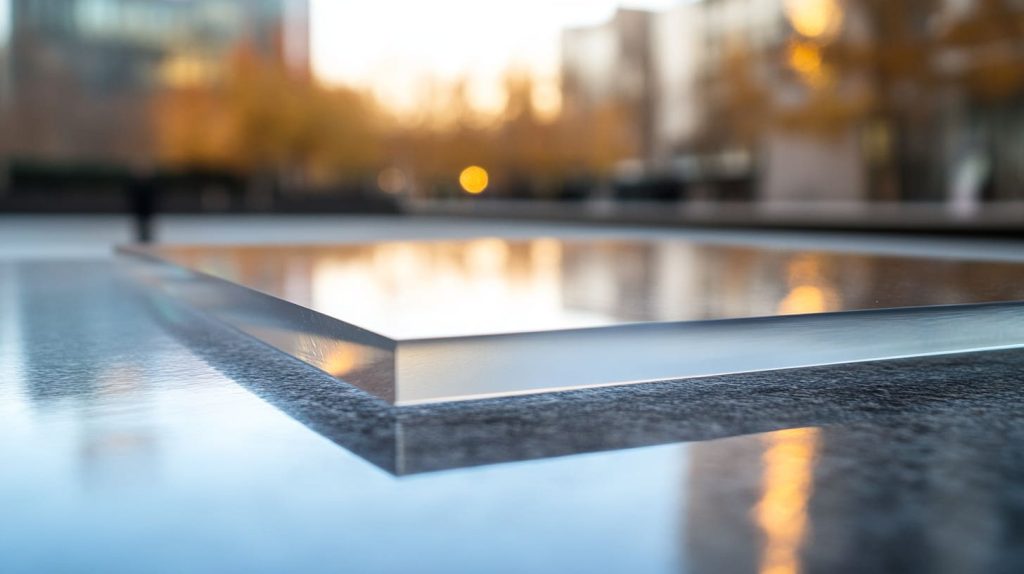
Clarity is essential when using acrylic for projects where visibility is key. Whether it’s for displays, frames, or protective barriers, you need to ensure that the acrylic is clear and flawless.
Light Transmittance: High-quality acrylic sheets should offer over 93% light transmittance. This makes them clearer than glass, offering a higher-quality look and feel for your projects. Great for showcasing items in display cases or creating protective barriers that don’t hinder visibility. :contentReference[oaicite:2]{index=2}
Surface Finish: Another critical point is the surface finish. You want to make sure the acrylic has a smooth, flawless surface with no bubbles, cracks, or scratches. These imperfections can reduce clarity and compromise the overall look of your project.

4. Durability and Weather Resistance
Evaluating Environmental Suitability
Acrylic is known for its durability, but not all acrylic is created equal. Whether your product will be used indoors or outdoors, you’ll need to consider its resistance to various environmental factors.
UV Resistance: Acrylic sheets are naturally resistant to UV exposure, making them suitable for both indoor and outdoor applications. UV-resistant acrylic won’t yellow or degrade over time, so it’s ideal for signage or outdoor displays.
Impact Resistance: Acrylic is 17 times more impact-resistant than ordinary glass, making it a safer, more durable option for a wide range of applications, from security barriers to protective shields. :contentReference[oaicite:3]{index=3}
5. Machinability
Considering Fabrication Ease
Being able to shape, cut, and form acrylic to your exact specifications is key for custom projects. Whether you’re creating a unique display or a custom part, machinability matters.
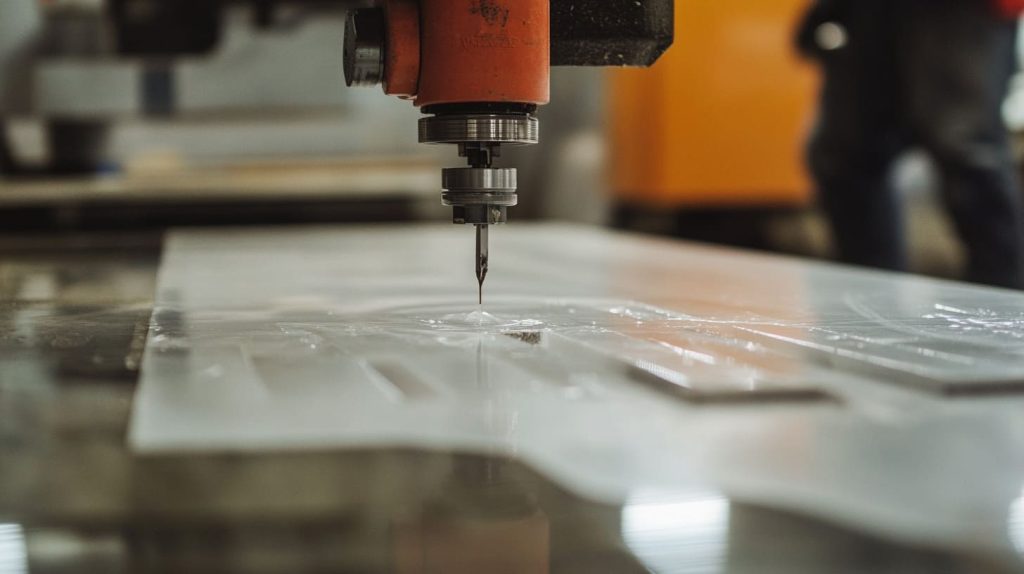
Cutting and Shaping: If you need precision, cast acrylic is your best bet. It’s easier to machine than extruded acrylic, so you can make precise cuts and shapes without worrying about the material melting or clogging your tools. :contentReference[oaicite:5]{index=5}
Forming and Bending: Both cast and extruded acrylic can be heated and bent, but cast acrylic offers better thermal stability, allowing for a wider thermoforming range. This makes it a better option for intricate designs that need bending or shaping.
Conclusion
Selecting the right acrylic sheet is all about balancing your project’s needs with the material’s properties. Whether you're considering the material type, thickness, optical clarity, durability, or machinability, each of these factors plays a significant role in ensuring your project performs optimally and lasts for years to come.
By carefully considering these aspects, you’ll be well-equipped to make informed decisions and choose the perfect acrylic sheets for your next project. Remember, the quality of your material can be just as important as the quality of your design.