Skip to content

I remember the first time I stared at an empty shelf, wondering how to transform it into something special.
Looking for display case inspiration? Consider pairing practical function with personal flair. Fill cases with handcrafted collectibles, sentimental family treasures, or industry prototypes. Modern acrylic boxes, tiered shelves, and wall-mounted units exist in all shapes and sizes—offering flexibility to showcase items while protecting them from dust and handling.
I’ve often wondered if that perfect display can help me connect with my visitors.
What can I put in a display case?
I’ve found that display cases aren’t limited to rare antiques. They’re a blank canvas, ready to highlight anything close to your heart.
You can feature collectibles, heirlooms, product samples, or even simple curiosities in a display case. Think figurines, sports memorabilia, acrylic prototypes, or art pieces. Aim to curate items that evoke warm memories, spark conversation, or show off your professional work samples—anything that resonates with your identity.

When I first curated my own case, I mixed personal keepsakes with work-related prototypes. It felt like I was telling a story.
Showcasing Personal & Professional Balance
Placing a small family heirloom next to a high-end acrylic display stands piece can create a striking contrast.
Variety in Placement
I like to layer sentimental objects with newer pieces I’m testing out. This mixing sparks conversations, like when a colleague asked about the story behind a handmade sculpture next to a sample design from my work. In a sense, I’m weaving together personal history and industry experience inside the same acrylic walls.
Material & Style Considerations
I often think of a display case like an artist’s canvas: the background, lighting, and arrangement affect the overall feel. Whether you prefer minimalistic acrylic boxes or larger built-in cases, choose something that frames your chosen items beautifully.
| Item Types | Example | Emotional Impact |
|---|---|---|
| Personal Heirlooms | Grandma’s brooch | Evokes nostalgia, warmth |
| Professional Samples | Custom acrylic prototypes from Feilong Acrylic (flacrylic.com) | Adds credibility, industry insight |
| Artistic Pieces | Small sculptures, painted miniatures | Sparks creativity, curiosity |
What are the different types of display cases?
Sometimes I step into a store or gallery, and I’m amazed by the sheer variety. From freestanding models to simple wall boxes, the array can feel endless.
Display cases vary widely—tabletop, wall-mounted, freestanding, or embedded units. Materials range from acrylic to glass, and shapes can be classic cubes, rectangular shelves, or even polygonal designs. Each type addresses different space and style needs. Some units offer built-in lighting or security features, perfect for museums, offices, or home showpieces.

When I discovered new varieties, I started experimenting.
Material Differences
Acrylic offers a lightweight, modern feel—perfect for showcasing product samples. Glass feels more traditional and upscale. Meanwhile, wooden frames can add warmth to old family heirlooms. I once placed a delicate porcelain figurine inside an acrylic display case from Feilong Acrylic to test durability and clarity. It felt like placing a gem in a modern crown.
Structural Choices
Freestanding cases work well for stores or offices. Wall-mounted cases are more subtle, great for personal spaces where you want to draw eyes upward. I love mixing a wall-mounted unit with a larger floor model to create layers of interest.
Lighting & Security
Integrated LED lighting can highlight finer details. In some cases, a lockable feature can protect valuables. I’ve seen companies invest in lockable acrylic display boxes to secure prototypes during trade shows. It reminds me that display cases aren’t just about looks—they can also provide peace of mind.
| Type | Key Material | Ideal Use |
|---|---|---|
| Tabletop Case | Acrylic/Glass | Small collectibles, medals |
| Freestanding Case | Acrylic/Wood | Larger installations, showrooms |
| Wall-mounted Case | Acrylic/Metal | Space-saving, eye-level focus |
What are words for display case?
I’ve heard different terms tossed around, and it can feel a bit confusing at first.
Common words for display case include “showcase,” “cabinet,” “glass box,” and “exhibition box.” These synonyms often describe a protected space to present items. Sometimes, you’ll hear “vitrine” in museums or galleries. Regardless of the term, the goal remains the same: to highlight, protect, and engage.

When I first worked with suppliers, language differences popped up.
Cultural Variations
In some regions, “vitrine” might be more common, lending a certain elegance. Elsewhere, “showcase” might be standard. I remember chatting with colleagues from different countries; they each had their preferred term. It’s a subtle reminder that these containers transcend borders.
Professional Lingo vs. Everyday Terms
Professionals might say “merchandising displays” or “acrylic show cabinets” to emphasize commercial use. Casual collectors might just call it a “glass box.” I’ve found it helpful to adapt my language depending on who I’m talking to—like switching between a formal tone for a trade fair and a casual one when chatting with friends.
Embracing Simplicity
Sometimes, I keep it simple and call it a “display box.” After all, the term doesn’t matter as much as the meaning—this is a safe, visually appealing space to celebrate what matters.
| Term | Contextual Use |
|---|---|
| Showcase | General retail, galleries |
| Vitrine | Museums, upscale displays |
| Glass Box | Casual, home displays |
What is the purpose of a display case?
Before I got my first one, I thought it was just about showing off something cool. But it’s more than that.
A display case protects items, keeps them organized, and presents them attractively. Whether spotlighting rare artifacts in a museum or highlighting custom samples for clients, it helps items stand out. Its purpose is part storytelling, part preservation, and part display—encouraging viewers to appreciate what’s inside.

I used to think display cases were just fancy boxes. Now I see them as storytellers.
Preservation Aspect
I’ve kept fragile glass sculptures in a display case, knowing they’re safe from accidental bumps. It felt reassuring, as though I handed them a gentle guardian who never sleeps. The right enclosure ensures that when I return a month later, everything looks just as perfect.
Professional Presentation
In my work, I’ve often used them to show prototypes to clients—clean lines, clear acrylic, no smudges. It leaves a great impression. It feels like opening a curtain on a well-staged performance, letting the spotlight highlight every detail.
Emotional Connection
A display case can turn everyday items into something meaningful. It’s why museums use them: to tell stories, provoke thought, and invite connection. At home, it can make a cherished wedding memento more than just an object—it becomes a symbol, gracefully preserved.
| Purpose | Impact on Viewer |
|---|---|
| Protection | Prevents damage, dust, fading |
| Presentation | Creates a focal point, impresses guests |
| Preservation | Maintains condition over time |
Do display cases prevent dust?
I remember leaving a statue on an open shelf, only to find it layered in dust a week later. With a case, the difference was striking.
Yes, display cases offer a barrier against dust. By enclosing items behind acrylic or glass, they reduce exposure to airborne particles. While not entirely dust-proof, a well-sealed case needs less frequent cleaning, keeping delicate surfaces clearer, longer. It’s a simple yet effective protective measure.
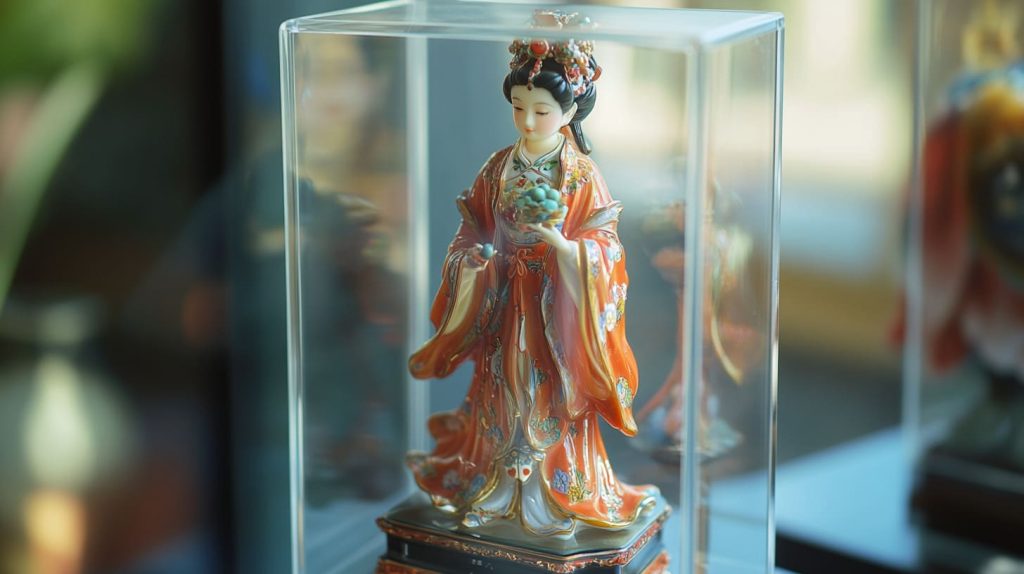
The first time I noticed less dust, I felt relieved.
The Sealing Factor
A proper seal reduces dust significantly, though tiny gaps can still exist. Still, it’s a huge improvement over leaving items exposed. One co-worker told me how his crystal model stayed pristine inside a case that hadn’t been opened for months.
Material Matters
Acrylic or glass panels, combined with a snug fit, can deter dust from sneaking in. Some high-end cases even have specialized seals to minimize airflow. It’s like giving your treasures their own mini-climate—comfortably separate from the chaos outside.
Maintenance Simplified
Because they need less cleaning, I can spend more time enjoying my collections and less time meticulously dusting each nook. This helps me relax, focusing on appreciation rather than constant upkeep.
| Dust Factor | With Case | Without Case |
|---|---|---|
| Frequency of Dusting | Lower | Higher |
| Protection Level | Moderate to High | Very Low |
How to clean a display case?
The first time I cleaned my acrylic display, I hesitated—worried about scratching or using the wrong cloth.
To clean a display case, dust gently first, then wipe with a soft, lint-free cloth. For acrylic, use mild soapy water, not harsh chemicals. Dry thoroughly with a microfiber towel. Regular, gentle maintenance preserves clarity, ensuring your items always shine behind pristine, streak-free panels.

When I finally got it right, I realized it’s about patience and technique.
Best Practices for Acrylic
I learned that using a microfiber cloth prevents scratches. A few drops of mild soap in warm water works wonders. Avoid strong cleaners—they can cause cloudiness. Once, I made the mistake of using a window cleaner on acrylic, and it left streaks. After switching to gentle soap, the clarity returned.
Tools & Techniques
I keep a dedicated cleaning kit: microfiber cloth, gentle soap solution, and a soft brush for corners. Moving slowly, I wipe in circles, carefully drying to avoid water spots.
Maintenance Schedule
It helps to do quick dust checks every couple of weeks, so grime never builds up. This approach keeps everything looking professional. When I show clients a new prototype in its crystal-clear display box, I see their eyes light up, and I know I’ve done it right.
| Cleaning Step | Action |
|---|---|
| Dusting | Use a soft brush or microfiber cloth |
| Wiping | Gentle soapy water on acrylic |
| Drying | Microfiber towel, no streaks allowed |
Conclusion
Display cases blend protection, storytelling, and organization. Whether home treasures or professional prototypes, these enclosures offer a stage to share what matters most—clear, secure, and ready to captivate.