Skip to content

Creating the perfect custom display box can transform how your products are showcased. Whether for retail or personal use, the right style enhances both functionality and visual appeal.
Custom display boxes come in various styles to meet different needs, from sleek and modern to classic and ornate. Selecting the right style not only enhances the presentation of your products but also aligns with your brand's identity, making your displays more effective and visually appealing.
Choosing the perfect style for your custom display boxes can be a game-changer. Let's explore some popular options that might just fit your needs.
What are display boxes called?
Display boxes are known by several names depending on their purpose and design. Common terms include display cases, showcases, retail display units, and exhibition boxes. Each name emphasizes a different aspect of their use and functionality.
Display boxes, or display cases, serve as essential tools in both retail and personal settings. They help in organizing and presenting items in a way that attracts attention and showcases products effectively.

Understanding Different Names for Display Boxes
Display boxes go by various names, each reflecting their unique purpose:
- Display Cases: Often used in retail environments to showcase products.
- Showcases: Typically more elaborate, used for high-end items.
- Retail Display Units: Designed specifically for stores to enhance product visibility.
- Exhibition Boxes: Used in exhibitions and trade shows to present products attractively.
| Name | Common Use Case | Key Features |
|---|---|---|
| Display Cases | Retail stores, museums | Transparent, secure |
| Showcases | High-end retail, galleries | Elegant design, lighting |
| Retail Display Units | Supermarkets, boutiques | Modular, versatile |
| Exhibition Boxes | Trade shows, exhibitions | Portable, customizable |
What is display packaging?
Display packaging refers to the design and structure of packaging specifically created to enhance product visibility and appeal in a retail setting. It plays a crucial role in attracting customers and influencing their purchasing decisions.
Display packaging is more than just a container; it's a strategic tool that combines functionality with marketing. By incorporating eye-catching designs and practical features, display packaging helps products stand out on shelves and provides customers with an engaging shopping experience.

The Role of Display Packaging in Marketing
Display packaging is integral to a product's success in the marketplace. Here's how it contributes:
- Visibility: Well-designed packaging catches the customer's eye amidst numerous products.
- Brand Identity: Consistent packaging reinforces brand recognition and loyalty.
- Information: It provides essential product information clearly and attractively.
- Functionality: Practical features like easy access and durability enhance user experience.
| Aspect | Importance | Examples |
|---|---|---|
| Visibility | Attracts attention | Bold colors, unique shapes |
| Brand Identity | Reinforces brand recognition | Logo placement, color schemes |
| Information | Communicates product details | Clear labeling, informative graphics |
| Functionality | Enhances user experience | Easy-open features, sturdy materials |
What is an example of display material?
One common example of display material is acrylic. Acrylic is favored for its high transparency, durability, and versatility, making it ideal for various display applications.
Acrylic is a go-to material for many custom display solutions. Its clarity rivals that of glass, but it's much lighter and more resistant to shattering. This makes acrylic perfect for both intricate designs and robust displays that can withstand daily use.

Why Acrylic is a Preferred Display Material
Acrylic offers several advantages that make it a top choice for display boxes:
- High Transparency: Provides a clear view of the products inside without distortion.
- Durability: Resistant to impact and less likely to crack compared to glass.
- Versatility: Easily molded and customized to fit various design needs.
- Lightweight: Easier to handle and transport, reducing shipping costs.
| Feature | Benefit | Application |
|---|---|---|
| High Transparency | Clear product visibility | Retail displays, showcases |
| Durability | Long-lasting and safe | High-traffic areas, exhibitions |
| Versatility | Customizable designs | Unique shapes, branding elements |
| Lightweight | Easy to transport and assemble | Portable displays, modular units |
Exploring Other Display Materials
While acrylic is popular, other materials like glass, wood, and metal also have their unique benefits:
Glass
- Clarity: Superior transparency enhances product visibility.
- Aesthetic Appeal: Offers a classic and elegant look.
- Drawbacks: Heavier and more fragile, requiring careful handling.
Wood
- Classic Appeal: Provides a warm and traditional look.
- Sturdiness: Durable and long-lasting.
- Limitations: Less versatile in shapes and designs compared to acrylic.
Metal
- Industrial Feel: Perfect for modern and sleek designs.
- Durability: Extremely strong and resistant to damage.
- Opacity: Not transparent, which can limit visibility of products.
| Material | Clarity | Durability | Customization | Cost |
|---|---|---|---|---|
| Acrylic | High | High | Very High | Moderate |
| Glass | Very High | Medium | Low | High |
| Wood | Medium | High | Medium | Variable |
| Metal | Low | Very High | Low | High |
What is the best material for a display?
The best material for a display depends on your specific needs, but acrylic often stands out due to its combination of clarity, strength, and customization options. Other materials like glass, wood, and metal also have their own advantages.
Choosing the right material involves considering factors such as durability, appearance, cost, and the overall aesthetic you wish to achieve. Acrylic provides a balanced solution that meets most display requirements effectively.

Comparing Popular Display Materials
When selecting a material for your display boxes, it's essential to weigh the pros and cons of each option:
Acrylic vs. Glass
- Acrylic: Lightweight, shatter-resistant, easy to customize.
- Glass: Superior clarity, heavier, more fragile.
Acrylic vs. Wood
- Acrylic: Modern look, versatile shapes, durable.
- Wood: Classic appeal, sturdy, limited customization.
Acrylic vs. Metal
- Acrylic: Transparent, lightweight, customizable.
- Metal: Industrial feel, extremely durable, opaque.
| Material | Clarity | Durability | Customization | Cost |
|---|---|---|---|---|
| Acrylic | High | High | Very High | Moderate |
| Glass | Very High | Medium | Low | High |
| Wood | Medium | High | Medium | Variable |
| Metal | Low | Very High | Low | High |
Making the Right Choice
Selecting the best material requires balancing your needs and budget. Acrylic is versatile and offers great visual appeal, making it a favorite for many businesses. However, if your priority is a classic look, wood might be the way to go. For ultimate durability, metal is unmatched, though it comes at a higher cost.
What is an example of a display type?
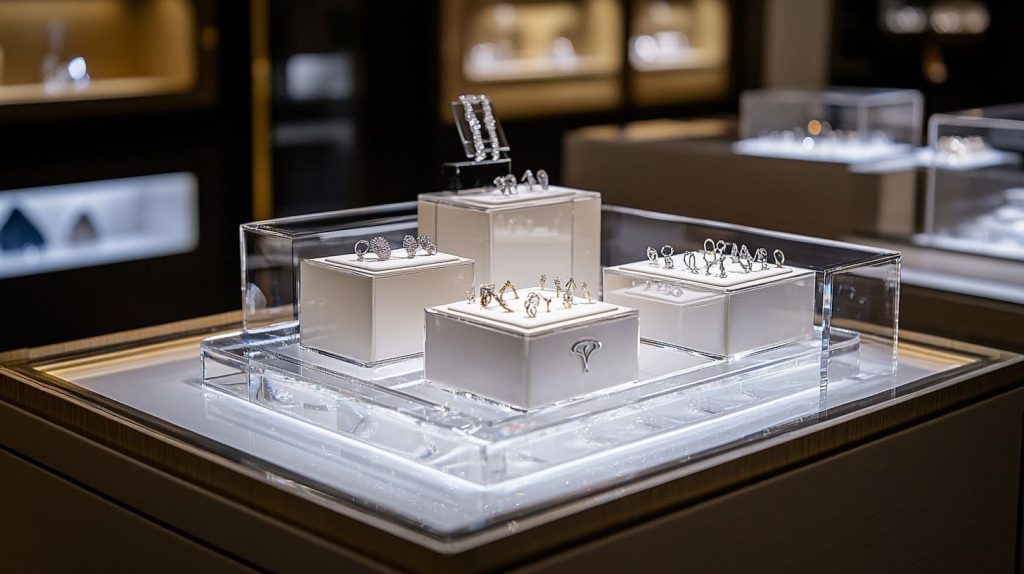
An example of a display type is the countertop display box. These are compact, versatile units designed to sit on countertops, making them ideal for small products or as supplementary displays in retail environments.
Countertop display boxes are perfect for highlighting featured items, providing easy access for customers, and enhancing the overall shopping experience. Their size and design flexibility allow them to fit seamlessly into various retail settings.
Features of Countertop Display Boxes
Countertop display boxes offer several benefits that make them a popular choice:
- Space-Efficient: Ideal for areas with limited space.
- Visibility: Positioned at eye level for maximum customer attention.
- Customization: Can be tailored to match store aesthetics and product types.
- Accessibility: Easy for customers to interact with and browse products.
Design Considerations
When designing a countertop display box, consider the following:
- Size: Ensure it fits comfortably on the intended surface without overcrowding.
- Layout: Organize products in an appealing and logical manner.
- Materials: Choose materials that complement your brand and product type.
- Lighting: Incorporate lighting to highlight products and attract attention.
| Feature | Benefit | Example |
|---|---|---|
| Space-Efficient | Maximizes limited countertop space | Small jewelry displays |
| Visibility | Increases product exposure | Eye-level placement |
| Customization | Aligns with brand aesthetics | Custom colors and branding |
| Accessibility | Enhances customer interaction | Easy-open compartments |
Enhancing Customer Interaction
Countertop display boxes not only save space but also enhance how customers interact with your products. By strategically placing these displays, you can guide customer flow and highlight key items that you want to promote. Additionally, integrating features like sliding doors or transparent panels can make the products more accessible and appealing.
Conclusion
Choosing the right style for your custom display boxes is essential for effective product presentation and brand alignment. Explore your options to find the perfect fit for your needs.