Skip to content
Sometimes, I think about those eye-catching boxes on countertops. They’re not just holding products, they’re telling a story. The more I think about them, the more I see how they make items shine.
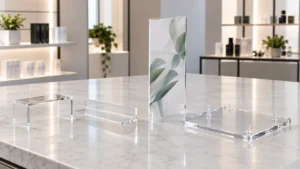
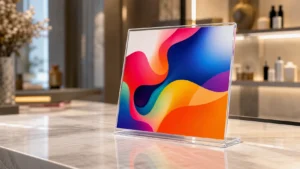
Custom counter display boxes highlight products right where people naturally look—at eye level. By using sturdy materials and creative designs, these displays boost brand presence and increase product visibility. They’re tailored to fit unique shapes, colors, and styles, ensuring every item gets its moment. This strategic placement often drives quick decisions and helps turn casual glances into actual purchases.

Now, let’s dig a bit deeper into how custom boxes fit into larger retail goals.
What should be the goal of custom retail boxes design?
When I think about designing retail boxes, I don’t just imagine colors and materials. I picture a welcoming stage where products shine, telling customers: “I’m worth it.”
The goal of custom retail box design is to enhance product appeal and deliver a message. These boxes frame items in a way that feels thoughtful and special. Whether it’s showcasing a new skincare line or highlighting a limited-edition treat, the design should make customers pause, look closer, and feel confident that what they’re seeing is valuable, reliable, and right for them.
Creating A Clear Visual Story
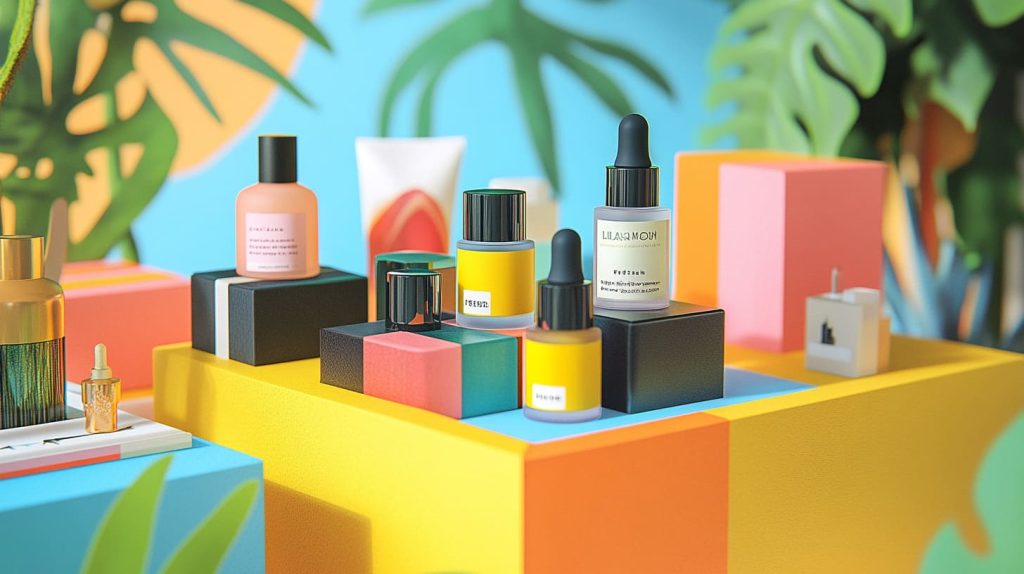
I’ve learned that every brand has its own personality, like a friend with a distinct sense of style. A custom box can subtly whisper that style the moment a shopper sees it. It’s not about shouting; it’s more like a gentle nudge. By focusing on carefully chosen colors, fonts, and shapes, a retail box can capture someone’s attention with surprising ease.
Balancing Function And Aesthetics
It’s not just about looking good. I’ve seen solid custom boxes that feel sturdy and practical. They remind me of a reliable old friend—always there to help. For instance, working with Feilong Acrylic, I’ve come to appreciate the durable, eco-friendly materials that pass strict standards, like ISO9001 certified quality. It’s about blending the beautiful with the dependable so customers trust what they’re seeing.
Showcasing Brand Identity
A custom box becomes a quiet brand ambassador. It might carry a subtle logo, a clever tagline, or a certain texture that sparks recognition. Imagine a simple acrylic stand that aligns perfectly with your product’s shape or color. With the right customization, even a small acrylic frame can shift from ordinary to memorable. The design can say, “I’m here for you,” helping people feel at ease with their buying decision.
| Design Element | Purpose | Example |
|---|---|---|
| Color Scheme | Elicit emotions | Pastels for calm, bold for energy |
| Material Choice | Durability, quality | Eco-friendly acrylic for trust |
| Logo Placement | Brand recognition | Subtle corner or center stage |
What’s the importance of packaging design?
When I think about packaging design, I picture a silent handshake. It’s a first impression, a subtle promise, and a clear invitation to trust what’s inside.
Packaging design matters because it provides immediate context. It shows what you stand for and what customers might expect. A well-designed package can hint at quality, value, and style before a product is even touched. It turns a random pick into a reasoned choice, making people feel they’ve found exactly what they need.
Elevating First Impressions
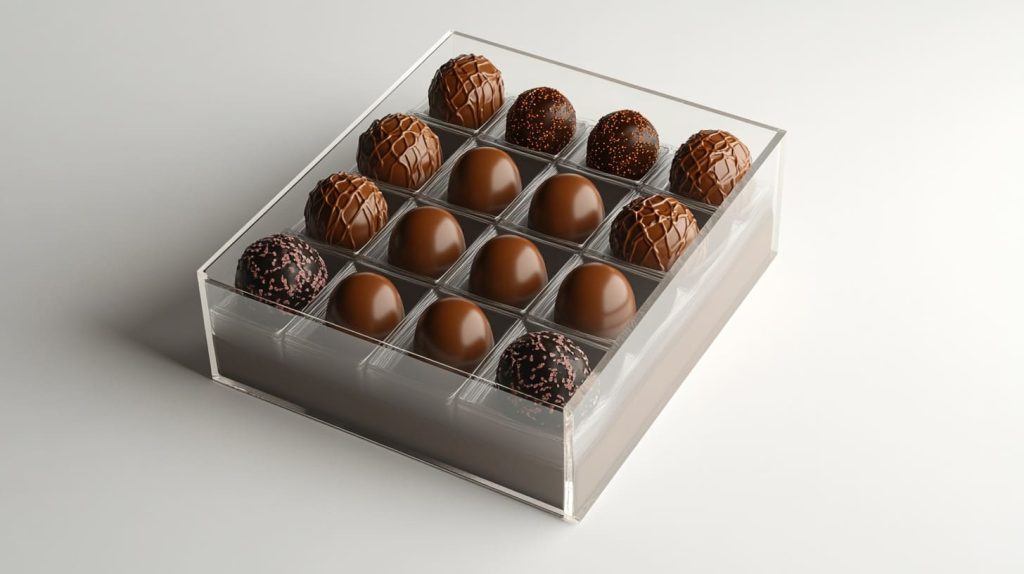
I recall visiting a store in Toronto’s busy shopping district. Amid a sea of bland, mass-produced packaging, a simple acrylic box with a polished finish stood out. It showcased a set of handmade chocolates, each piece glistening like a tiny edible jewel. Suddenly, it wasn’t just candy, it was a luxurious treat.
Storytelling Through Design
Great packaging design tells a story that resonates with people’s values. I’ve worked with suppliers who pay attention to eco-friendly acrylic choices because, let’s be honest, we care about sustainability. The packaging hints: “We thought about the environment, and we think you do too.” This subtle nod to shared values can forge a deeper connection with the buyer.
Enhancing Practicality
An effective package also makes life easier—smooth edges, sturdy form, and a shape that fits snugly on a shelf. Whether it’s a custom box that protects delicate electronics or a display that makes it simple to grab and go, the right design blends form and function. It’s thoughtful engineering that respects both product and buyer.
| Aspect | Effect on Consumers | Example |
|---|---|---|
| Sustainability | Builds trust, loyalty | Recyclable or reusable materials |
| Clarity | Boosts confidence | Transparent acrylic window boxes |
| Practical Use | Encourages repeat buys | Easy-to-open box lids |
What is the main goal in retail design?
When I think about retail design, I picture a journey where every element guides people smoothly, like stepping stones across a stream—clear, welcoming, and safe.
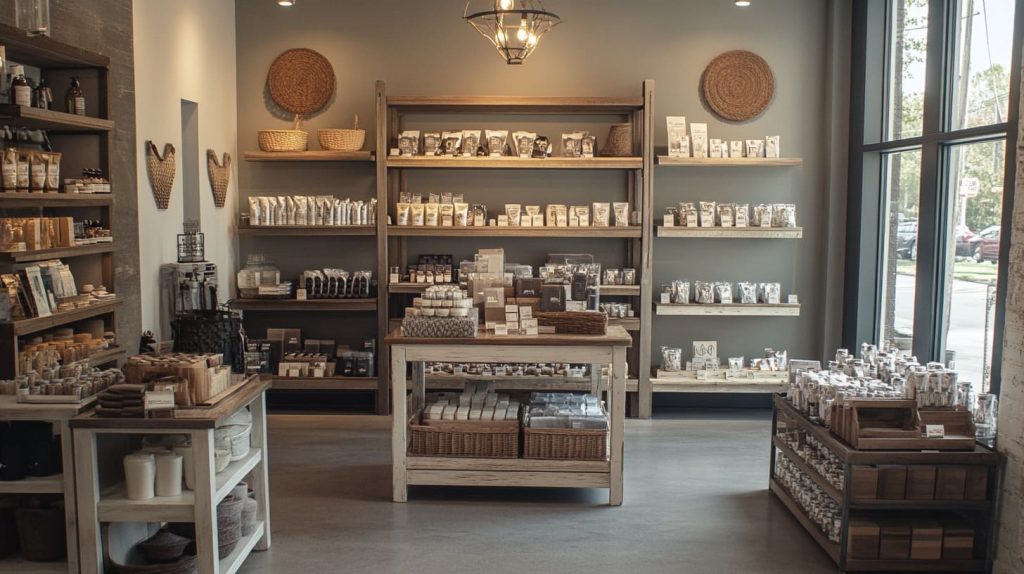
The main goal in retail design is to create a space that feels both intuitive and inviting. It’s about guiding customers through a store or product selection process with ease. Every feature—from lighting and fixtures to product displays—works together to help shoppers find what they want and feel good about their choices, encouraging them to return.
Holistic Environment
Retail design isn’t just about a single product; it’s the entire atmosphere. Picture walking into a boutique where shelves, counters, and displays feel arranged with purpose. There’s a comfortable flow that leads your eyes from one product to the next, as if saying, “Take a look, take your time.”
Cultural and Contextual Sensitivity
Having worked in different markets, including visits to factories in China and trips back home to Canada, I’ve learned that what works in one place might not fly in another. Knowing your audience matters. That’s where custom acrylic solutionsplay a role—they adapt to different aesthetics, letting brands show their best side, no matter the cultural backdrop.
Fostering Long-Term Relationships
Effective retail design nurtures loyal customers. It’s not a single transaction; it’s a series of positive encounters. When a store’s layout, signage, and displays feel consistent and welcoming, people come back. Over time, trust builds. The result? A steady flow of repeat business and word-of-mouth recommendations that feel as natural as chatting with a friend.
| Retail Element | Purpose | Customer Benefit |
|---|---|---|
| Store Layout | Easy navigation | Saves time, reduces frustration |
| Consistent Branding | Recognition | Builds trust, feels familiar |
| Display Quality | Showcase value | Encourages informed choices |
What is the purpose of retail design?
For me, the purpose of retail design is like setting a friendly table before guests arrive—organized, appealing, and ready to welcome them.
The purpose of retail design is to create an environment that highlights the store’s personality and values, making customers feel comfortable and understood. Good design boosts brand credibility, helps products stand out, and encourages people to explore. In short, it’s about forming relationships through thoughtfully arranged spaces and products.
Reflecting Brand Personality
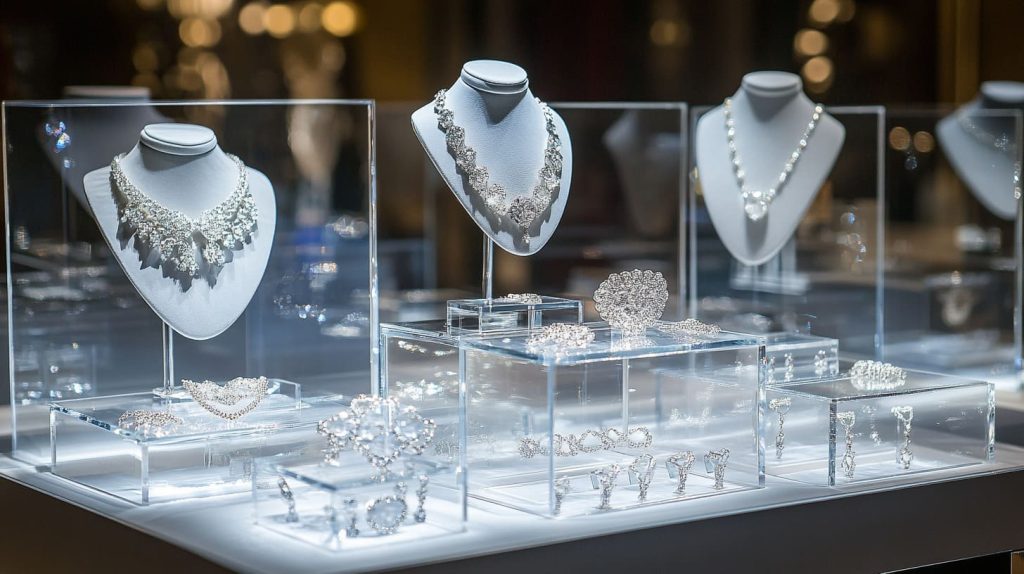
I’ve always believed that how you arrange and present your products speaks volumes about who you are. The way a jewelry store uses clear acrylic stands to highlight a new collection or how a tech retailer sets up an interactive counter shows its personality without saying a word.
Aligning With Customer Values
Think about a store that uses well-crafted acrylic boxes from a trusted manufacturer like Feilong Acrylic, whose website flacrylic.com highlights their dedication to custom solutions and quick turnaround times. These elements create a caring, supportive environment that respects customers’ time and needs.
Encouraging Engagement
Retail design motivates people to engage with products. Maybe there’s a clever display that encourages customers to pick up, feel, and interact with items. This not only helps them understand a product’s value but also builds a personal connection. Over time, that feeling of comfort, curiosity, and trust turns browsing into buying.
| Design Purpose | Strategy | Result |
|---|---|---|
| Highlighting Quality | Strategic lighting, stands | Emphasizes product value |
| Building Credibility | Consistent branding | Boosts confidence |
| Inviting Interaction | Interactive setups | Encourages exploration |
Conclusion
I’ve found that custom counter display boxes do far more than hold things—they invite curiosity, build trust, and set a tone. By shaping how we see and engage with products, they bridge the gap between shoppers and the stories that brands want to share.