Skip to content
Glass storefronts provide a clean, unobstructed view into your business, creating a bright, welcoming environment. They allow natural light to flood in, reducing energy expenses and creating a more visually appealing environment.
However, they can be expensive, need more maintenance, and provide lower insulation compared to other options. Understanding the advantages and challenges helps in making an informed decision that aligns with your business needs and goals while balancing functionality and design.
What Are Glass Storefronts?
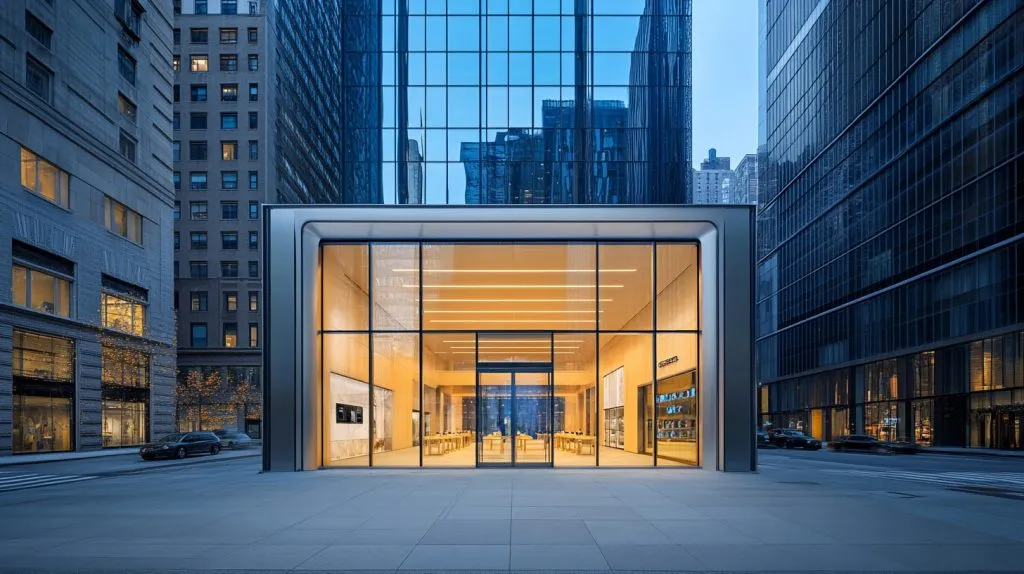
Glass storefronts are smooth, wide, and transparent entryways that commercial buildings often use to create a strong aesthetic and visibility. These quality storefront glass panels make up the building’s skin, replacing typical drywall barriers and heavy solid core doors. This design allows for open, light-filled, and collaborative spaces, promoting a feeling of transparency.
Most importantly, this transparency enables pedestrians to easily view the entire shop’s space and its merchandise displays. This feature is incredibly useful for retail businesses aiming to showcase their products or services to in-market customers. For instance, a new boutique can highlight its latest collection with an eye-catching glass storefront door, attracting potential buyers.
Simultaneously, a coffee shop can draw in customers by displaying its warm and inviting atmosphere through its glass shop fronts. These storefronts have become ubiquitous in commercial environments, found not only in chain stores but also on the ground floors of delis, shoe stores, and bakery storefronts.
They are also a now ubiquitous feature in today’s contemporary curtain wall vs storefront clad towers and skyscrapers, particularly those of six stories or greater. These glass storefronts serve more than just a functional purpose; they enrich the architectural texture of a building’s exterior fabric, making them a preferred choice for many architects.
One of the greatest benefits of glass storefronts is the degree of customization they allow. Businesses can select from various glass finishes according to their branding needs. Options such as frosted or tinted glass can enhance visual privacy while reinforcing brand identity, making these glass options particularly appealing.
This artistic and architectural flexibility has made glass storefronts a popular choice for commercial architects and business owners alike. Beyond their practical uses, glass storefronts contribute significantly to the aesthetic appeal of contemporary architectural design, embodying a sleek, modern aesthetic that resonates with urbanism.
Architects leverage glass to create a clean, minimalist look that pairs beautifully with hard materials like steel and concrete. Since glass will never rust, it maintains its integrity and appearance over time, making it a durable choice for curtain wall glass systems as well.
These extensive glass treatments are widely employed on tall towers, typically utilizing dual pane glass panels that meet commercial code durability standards. This ensures shatter resistance and thermal efficiency, crucial for modern commercial properties.
Putting glass storefronts on the second or third floor can be challenging. That added complexity, along with the added safety challenge, makes the process much more difficult. As far as cost goes, the upfront price of installing glass storefronts largely depends on the project size and location.
In North Carolina, the cost to install storefronts ranges from $50 to $150 a square foot, while curtain wall installations can reach $175 to $200 per square foot. These figures underscore the commitment required to make a building shine, ultimately promising a long-term return on investment through improved aesthetics and functionality.
Types of Storefront Glass

Selecting the appropriate type of glass for a storefront involves more than just upfront costs. You have to juggle those needs with functionality, safety, energy efficiency, and aesthetics to come up with the ideal solution. Storefronts set the stage and deliver the first impression to your customers. The types of storefront glass you select play a large role in setting that tone.
Here, I’ll deconstruct the main types of storefront glass. Then, I’ll focus on their unique features and how they perform in different situations.
Single Pane Glass Features
Single-pane glass is often the most straightforward and least expensive option, commonly used in smaller retail spaces or pop-up shops. Its clear design makes it an attractive choice for businesses looking to minimize upfront costs, particularly when considering options like storefront glass doors. However, single-pane glass lacks important features such as insulation or energy efficiency, leading to increased energy expenses over time, especially in commercial properties with high traffic.
This type of glass is less durable against exterior impacts, making it unsuitable for areas prone to vandalism or extreme weather conditions. While a single-pane storefront window can work for temporary uses like pop-up shops, it is not ideal for vibrant downtown areas or locations with significant pedestrian activity. For these environments, high-performance glass options or more robust window systems are recommended.
In summary, while single-pane glass may serve its purpose for short-term setups, businesses in active commercial zones should consider investing in more durable solutions like storefront windows that provide better energy efficiency and protection against external elements.
Dual Pane Glass Benefits
Dual pane glass with low-e coating provides a huge step forward in energy efficiency and comfort. These glass units are usually made with two 1/4-inch panes separated by a 1/2-inch spacer to create a thermal barrier.
This design is particularly good at preventing heat transfer, which over time can result in significant energy savings for businesses. While dual pane glass does a great job of protecting against external noise pollution, this feature is particularly beneficial for storefronts in bustling, metropolitan areas.
Its advanced security features provide an additional security measure as its double-layered structure is more difficult to shatter. This type has been the preferred type of many newer buildings for its combination of functionality with modern aesthetics.
Laminated Glass Applications
Of these, laminated glass is particularly unique for its safety characteristics. The installation consists of two pieces of annealed glass. They are then laminated together with a clear film that keeps the glass together, preventing it from showering down when broken.
This makes it the go-to option for use in high-traffic environments or businesses where security is a concern. Many business owners prefer laminated glass for same-day replacements, especially after incidents such as vandalism.
This option offers them urgent protection for their businesses. In addition to safety, laminated glass offers sound dampening, desirable in loud, urban environments. Its versatility doesn’t stop there, as its aesthetics can allow for ornate designs that help complement a storefront’s visual aesthetic.
Tempered Glass Advantages
Temper glass is very strong and safety-rated. Heat-treated to be four times stronger than annealed glass, it is engineered to handle heavy impacts and thermal stress.
This further repels damage from rapid shifts in temperature, making the material ideal for use in temperamental climates. When it does break, it shatters into small, blunt pieces, lessening the severity of any injury.
Among various options, tempered glass is best known for its overall strength and sleek look. That’s one of the reasons so many upscale commercial storefronts use it on their buildings.
Replacements are more time intensive, typically 2 to 7 days depending on the size and type of replacement. Yet the long-term benefits usually more than makeup for these holdups.
Storefront vs Curtain Wall
Differences in Usage
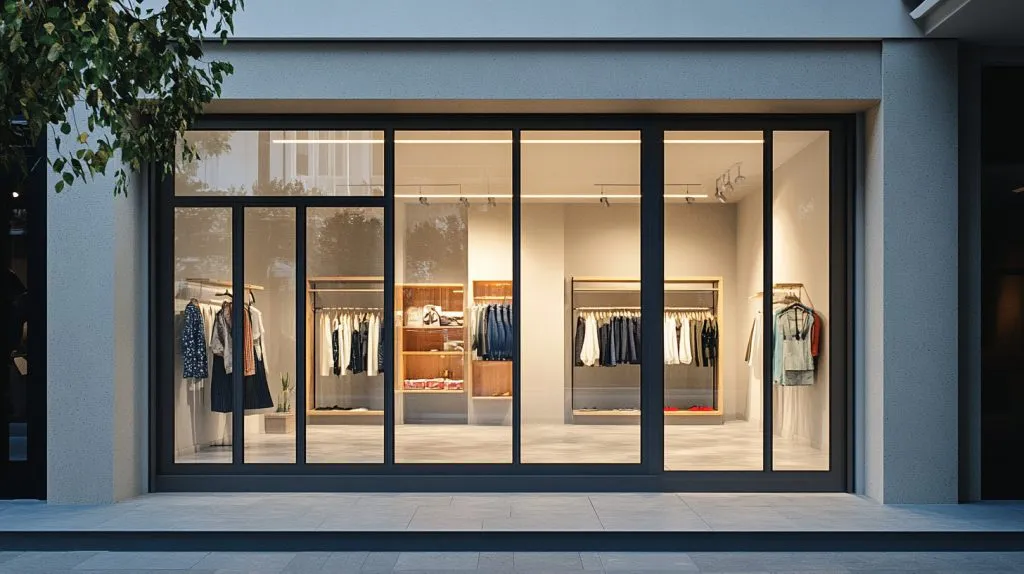
The key difference between storefronts and curtain walls comes down to their structural performance. Storefronts are non-load-bearing systems often found on ground floors. They are typically meant to enclose spaces like retail shops, building lobbies, or small offices. These vaults are meant for low heights, often no more than 10 feet.
They are great for facades and lobbies at the ground or second-floor height. Curtain walls are heavy-duty systems meant to run through several floors. They usually start at the ground floor and go up three, four, five, or more stories. This quality makes them a favorite choice for skyscrapers, where performance in all conditions is paramount.
The choice between these two systems is purely based on the intended use and style of the building. Storefronts are infinitely customizable. As a result, this provides opportunities for businesses to improve their storefront aesthetic through creative and imaginative designs, drawing consumers into retail experiences.
A curtain wall can deliver a smooth, clean, and seamless look that quickly conveys the sleek, modern, professional architecture that many organizations want. A small business can increase its appeal and uniqueness with a beautiful storefront. A speculative corporate skyscraper may want a curtain wall purely to get an eye-catching facade and wall-to-wall glass.
Visibility and transparency are other key differences. Storefronts are primarily concerned with maximizing visibility for customers who walk by at ground level. In comparison, curtain walls offer deeper, sweeping views from side to side, floor to floor.
Installation Complexity
Storefront installation is more convenient, typically working toward shorter spans with less cantilever or structural pressure. Curtain walls require a high degree of engineering precision. It’s their larger spans and more complex designs that require skilled professionals.
For example, when curtain walls are installed, they require very precise dimensions in order for the curtain wall system to fit properly with the building’s structural system. Any mistake can result in months of backtracking or a lack of performance altogether.
Weather impacts would be another condition that would have a more pronounced impact on curtain wall installations. Adverse weather conditions, such as high winds or rain, can put a stop to progress. This is particularly the case with projects that have several stories and need scaffolding.
Given the size and complexity of the opportunities, this makes timing and planning extremely important. Both systems require skilled craftsmen, but the higher level of complexity within curtain walls increases the urgency for skilled installers.
Maintenance Needs
Proper maintenance of each system—routine inspection and cleaning—is important in extending their service life and maintaining peak performance. Storefronts tend to undergo more regular maintenance and code inspections. Their ground-floor placement adds to that challenge, exposing them to increased levels of dirt and debris.
Curtain walls, being larger and spanning multiple stories, come with their own set of challenges. Maintaining these systems often requires access to specialized equipment and professionals, even more so for tall buildings.
Inspections are key for either type. They prevent minor problems, such as cracked seals or loose hardware, from becoming major ones. As with any installation, proper maintenance will only increase the longevity of the installation.
It also guarantees energy efficiency and protects that aesthetic beauty for years to come.
Durability Comparison
Durability varies significantly based on environmental exposure and the materials utilized in construction. Quality storefront glass systems, often made with extruded aluminum framing and insulated glass units, showcase an impressive performance under typical urban conditions. However, their shorter spans render them less suitable for extreme weather or high-pressure environments.
Curtain walls, on the other hand, are engineered for greater spans and more expansive spaces between vertical mullions. They are built to last, even in extreme conditions such as high winds and torrential downpours.
The selection of different glass types plays a crucial role in durability. Employing high-performance glass, such as tempered or laminated glass, can significantly enhance the service life of both storefronts and curtain walls. For instance, a glass storefront door in a busy area will benefit from the added strength of laminated glass.
Conversely, a tall tower’s curtain wall benefits from tempered glass due to its exceptional thermal stress resistance, making it a preferred choice for modern architectural design.
Cost Variations
One of the biggest deciding factors between storefront glass doors and curtain walls is cost. Typically, storefronts are more cost-effective due to their less complicated aesthetic, fabrication, and installation process. This simplicity and urbanity make them a popular choice for small businesses and ground-floor retail applications, especially when considering quality storefront glass options.
Curtain walls require more initial investment because of their complexity and the need for specialized materials and labor. Long-term costs are not the same. Beautiful curtain walls can save you money, too, by increasing energy efficiency.
While storefronts may be cost-effective in the short term, if they lack proper insulation, they can lead to increased energy costs. Additionally, design complexity plays a crucial role in determining costs, as a highly customized curtain wall design with intricate patterns or specialized glass can escalate project expenses significantly.
Overall, both options have their merits, and potential buyers should weigh the benefits of new storefront glass against the long-term efficiencies of curtain walls to make an informed decision.
Advantages of Glass Storefronts
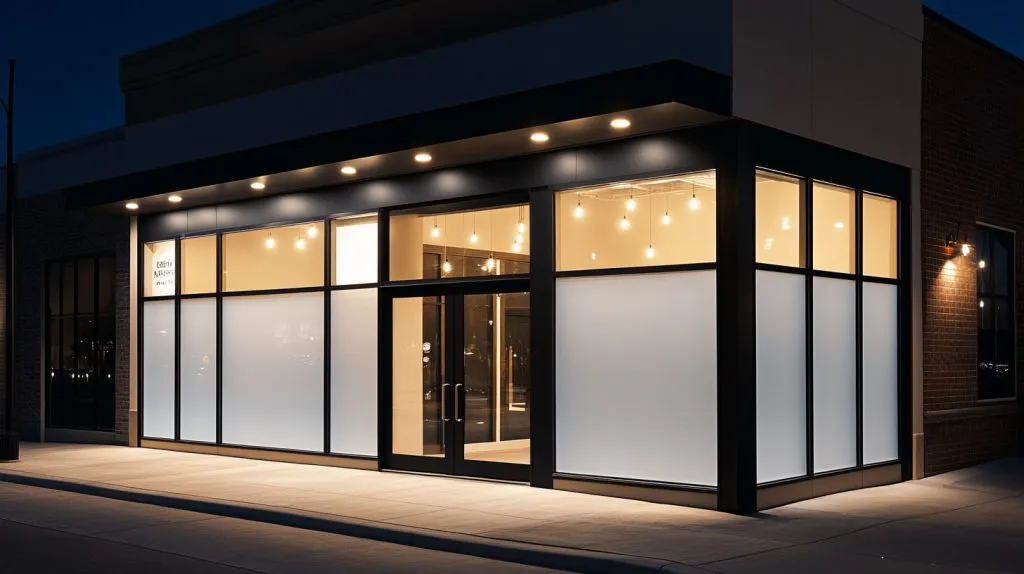
Glass storefronts come with a host of benefits that are hard to resist for a lot of businesses. This is particularly the case for those located on the ground floors of commercial buildings. Their aesthetic appeal combined with practicality means the benefits are tangible.
This powerful combination can increase customer experience, improve the brand identity, and increase operational efficiency.
1. Enhances Natural Light
Glass storefronts are unrivaled in their ability to fill a retail space with natural light, providing a bright, attractive atmosphere within the store. By letting natural light in from all angles, these storefronts help create a vibrant and refreshing overall experience.
Studies have determined that natural light greatly enhances customer mood, prompting them to stick around longer and shop more. Businesses win too, saving on energy costs by relying less on artificial lighting during the day.
This enhances the bottom line by reducing their utility bills and helps the business operate in a more sustainable manner. There’s no denying that natural light is one of the greatest aesthetic assets a space has.
Well-lit spaces seem more spacious, cleaner, and more welcoming, setting a great tone for your clients and staff. Bright interiors prevent conditions like Seasonal Affective Disorder (SAD) that can drain worker productivity during the darker months of the year.
2. Improves Aesthetic Appeal
If aesthetics are a concern, a glass storefront gives a contemporary and sophisticated look to any commercial building, providing an immediate boost to curb appeal. Its glass front invites customers to glance inside, establishing an eye-catching relationship that beckons them further in.
These glass storefronts are incredibly customizable. Businesses can easily customize their look with elements such as etched logos, branded graphics, or colorful signage.
This creative flexibility allows the storefront to reflect the unique character and identity of the business while still ensuring a clean, professional, and appealing appearance. This elegant transparency forms a show-stopping façade that makes an impression from the get-go.
This is important for attracting and retaining new clientele as well.
3. Attracts Customer Attention
This transparency quality of glass storefronts makes them an amazing marketing tool. They offer an inviting stage to display wares and specials, allowing companies to lure in the attention of pedestrians and drivers alike.
Set up attractive displays to showcase new arrivals, sales, or seasonal merchandise. This smart arrangement will draw in interested shoppers to come in.
To continue drawing people into your storefront, it’s essential to keep your storefront tidy and attractive. Some creative use of lighting can help make these displays even more effective, drawing attention to them day and night.
4. Increases Energy Efficiency
Today’s glass storefronts almost universally use high-performance glass, which is much more insulated. Insulated glass, made of two bonded panes with infused gas, helps regulate indoor temperatures by reducing heat transfer.
That results in significantly reduced heating and cooling costs year-round. Selecting the appropriate glass type is critical in order to achieve the best energy efficiency results.
This whole approach is a money-saving measure. It reduces the business’s environmental impact by reducing energy use.
5. Boosts Visibility of Products
Perhaps one of the most powerful benefits of glass storefronts. By giving potential customers a preview of what’s inside from the outside, businesses can encourage more impulse buys.
Attractive, uncluttered displays that are easy to navigate can lead window shoppers to become paying customers—particularly when combined with smart product placement. This is where lighting is so important.
It accentuates important features and produces a welcoming radiance that catches the eye, particularly at night. This added visibility is a direct driver of more foot traffic and sales.
Disadvantages of Glass Storefronts

Glass storefronts, while offering a contemporary and polished look, come with several drawbacks that businesses must thoughtfully consider before storefront glass installation. Let me elaborate on the disadvantages that could deter potential buyers, ensuring you know exactly what to expect when selecting a glass storefront door.
Prone to Breakage
On their own, glass storefronts are simply an easier target for damage than more traditional materials. They can shatter from accidental impacts, extreme weather conditions, or vandalism. Although tempered or laminated glass is less likely to shatter, there is no glass that cannot break.
For example, if a storefront is located in an area prone to storms or high winds, the risk of damage increases significantly. Security is another issue, as it relates directly to location. Standard glass can be an easy break-in and is therefore often a poor deterrent.
Businesses can choose to invest in impact-resistant glass to provide an extra layer of security. Or, they can have security films installed that reinforce the glass surface increasing the difficulty to penetrate. These improvements are an additional cost up-front.
When a storm breaks glass store frontage, repairing or replacing it can cost you. Installation costs in North Carolina are between $50 and $150 per square foot, including frame and glass costs.
Requires Regular Cleaning
Keeping a glass storefront looking factory-fresh means a high level of regular cleaning. Dirt, smudges, and grime can quickly build up, particularly in bustling city settings or places close to construction sites. This accumulation not only detracts from the storefront’s visual charm but clouds visibility, possibly deterring customers.
Streaks or damage to the glass can occur if the appropriate cleaning products and techniques are not used. Businesses in high-traffic zones may need to clean their storefronts daily, while those in less busy locations might clean weekly.
Other environmental factors, like the springtime pollen zone or coastal salt air, can significantly affect how frequently you would have to clean. This adds to the already high burden of maintenance.
Higher Initial Costs
The initial capital outlay for glass storefronts is often high. For example, compared to more traditional materials including brick or an aluminum storefront, the cost of glass installations are significantly higher. Storefront or punched windows Curtain walls provide a strong and energy-efficient alternative.
In North Carolina, storefront glass installations do tend to carry a higher average cost per square foot. The good news is that businesses can recoup many of these expenses over time.
They can do this by upgrading energy-efficient glass storefronts that provide better temperature control for the inside environment. There are financing options to offset the upfront cost so it’s more manageable for smaller businesses.
Limited Insulation Properties
We know that certain types of glass used in storefronts provide little insulation, increasing heating and cooling costs. For example, single-pane glass does a poorer job of keeping in indoor temperatures than insulated or double-glazed glass.
Lack of insulation can lead to significant discomfort among customers and employees, especially during heat waves and cold snaps. Choosing insulated glass can help prevent these problems, but it’s usually at a premium.
One thing glass storefronts do really well is provide natural light. All that glass can have serious downsides in terms of energy efficiency. For a business, the beautiful aesthetic needs to be matched with attention to insulation properties and energy savings.
Security Concerns
Glass storefronts are often a target for crime. They are less secure from theft and vandalism than solid materials, particularly in high-crime areas. Incorporating security features like reinforced glass, steel frames, or locking mechanisms improves safety.
Surveillance systems such as security cameras and motion detectors are important in ensuring that criminal activity is deterred. Certain types of glass, like laminated or bullet-resistant glass, provide added security while still maintaining an attractive appearance.
These alternative solutions enable businesses to have a sleek, smart-looking exterior while still protecting pedestrians from potential impacts.
Installation Considerations
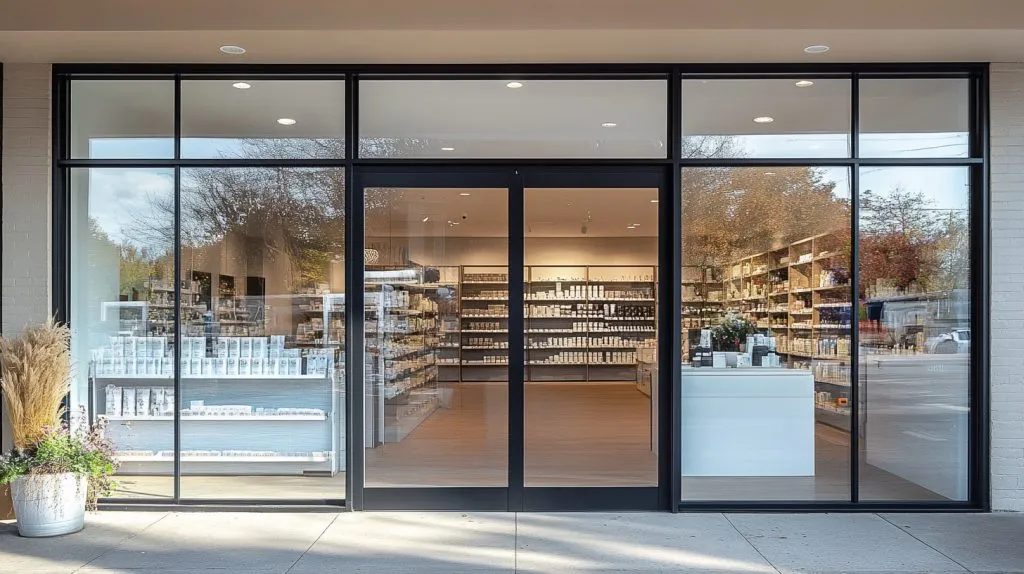
When you design and install a glass storefront, especially with quality storefront glass, weigh each of these important elements. These elements will drive its usability, affordability, and enforceability. A glass storefront adds a clean, contemporary touch, and considering various glass options is essential to ensure the installation is functional and compliant with applicable regulations.
Choosing the Right Glass Type
The glass you select has a major impact on the efficiency and aesthetic of your storefront. For commercial properties, it’s a matter of aesthetics versus durability and budget. Tempered glass is an excellent option due to its strength and safety qualities. When it does break, it shatters into tiny pieces that are more benign.
Providing extra protection and sound dampening, laminated glass is a perfect fit for glass walkways in pedestrian-heavy environments. Energy-efficient glass alternatives, such as low-emissivity (Low-E) glass, play a big role in controlling indoor temperatures and cutting down on heating and cooling expenses.
The glass’s performance is very important to the whole business’s energy efficiency. This is one of the key elements in saving on operational costs in the long run. For example, a retail store in Raleigh, NC, may opt for insulated glass to keep energy bills manageable during hot summers and cold winters.
The selection process must align with the desired outcomes for the business. This might involve increasing a storefront’s aesthetics, or even improving its environmental friendliness.
Evaluating Installation Costs
Budgeting for glass storefront installation involves estimating material and labor costs as accurately as possible. In North Carolina, installation of storefront glass typically runs from $50 to $150 per square foot. Curtain wall installations can cost between $175 and $200 per square foot.
These costs may differ based on building size, glass type, and other customization preferences. To minimize the risk of hidden costs catching you by surprise, it’s helpful to ask for several contractor quotes, examining what services each one plans to provide.
There can be hidden costs, like structural changes or unexpected installation issues, particularly for upper floors. For instance, if storefront glass is to be installed on a 2nd or 3rd floor, it frequently requires specialty equipment, raising labor costs.
Taking the time to perform a comprehensive cost analysis will help prevent any unforeseen shocks as the project progresses.
Hiring Professional Installers
Given the complexity of glass installations professionalism is paramount. Well-practiced contractors who focus on the commercial glass side of the business have the talent and expertise to work on complex projects.
Our team at Glass Solutions is trained in installation, repair, and replacement with an emphasis on quality service. We bring you complete solutions that are as unique as your challenges. Whether it’s the aesthetic appeal or the safety of a high-traffic storefront, the structural integrity of glass is extremely important and should always be handled by professional installers.
A botched DIY attempt or installation by untrained labor can leave you with warped panels at best or displaced panels and threats to safety at worst. These risks are mitigated with a professional team, following best practices to ensure the safest, most effective, and smooth installations.
Compliance with Local Building Codes
Complying with local building codes is an absolute must in any installation of glass storefronts. These local, state, and federal regulations maintain the safety installation and functionality of the structure.
Failure to comply can result in hefty fines, schedule delays or potentially expensive rework. Our seasoned in-house technical team advises local authorities from the earliest stages, making sure each project is built to their expectations.
Wind resistance is a big consideration in building codes. They guide a focus on emergency exit accessibility, particularly for multi-story installations.
Professional contractors simplify this installation process, taking care of all the complicated requirements, allowing you to concentrate on your growing business.
Maintenance Tips for Glass Storefronts
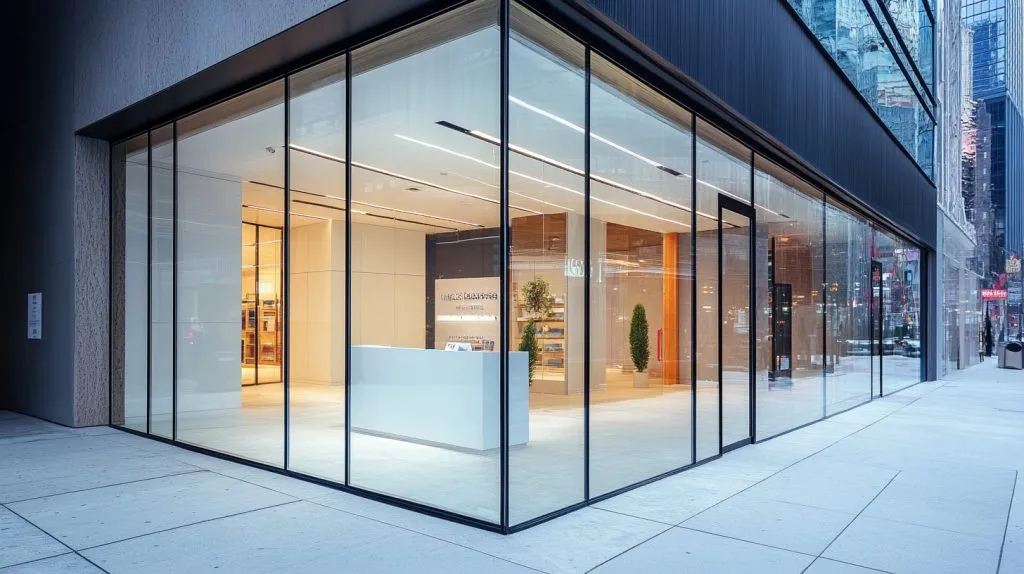
Glass storefronts are not only beautiful but also play a crucial role in branding, creating a clean, contemporary aesthetic. They effectively display products and attract walk-by traffic. Maintaining quality storefront glass requires ongoing effort to ensure they shine and function well. Here’s a closer look at how to care for your glass storefront.
Regular Cleaning Practices
Keeping glass storefronts clean is key for ensuring their transparency and getting the most benefit from them. A clean and well-maintained storefront will reflect light in all directions, creating an inviting sparkling atmosphere—dirty and grimy surfaces absorb light, leaving glassy surfaces dark and dull.
Avoid damaging glass surfaces. Using glass-specific cleaners or mild soapy water is usually sufficient to clean the glass without any potential harm. Non-abrasive cleaning solutions are perfect, as they avoid scratches that might otherwise damage the surface.
How often you need to clean your glass storefront mostly lies within where you live. Stores in urban areas or near busy roads may require daily cleaning to remove dust and pollutants, whereas those in quieter areas may only need weekly maintenance. Having a set cleaning schedule will help you stay on top of things.
Wipe down the glass every morning before you open. This easy step helps ensure your glass storefront stays attractive all day long. Keeping up with regular cleanings will prevent future buildup while making the storefront look great and inviting to customers.
Inspecting for Damage
Routine inspections are key. Keeping a glass storefront clean is necessary, but so is routinely inspecting the storefront. They aid in catching problems early before they become major. Look for any visible signs such as cracks, chips, or places where the sealant may have deteriorated.
Even little defects, such as a small chip, can develop into larger issues if not addressed immediately. Addressing these issues early saves costs and ensures safety. For example, repairing a small crack is far less expensive than replacing an entire pane.
Professional assessments play a key role. Trained experts can spot hidden weaknesses, such as stress fractures or compromised seals, that might not be visible to the untrained eye. This proactive approach helps maintain the structural integrity of your storefront.
Using Protective Coatings
Replacing or applying protective coatings can make glass storefronts much more resistant to impacts. These coatings help protect glass from environmental damage and minimize maintenance requirements by keeping water, dirt, and oil from adhering to the glass, making maintenance cleaning quick and easy.
Additionally, some glass coatings will provide UV protection. This aesthetic element protects the glass and the products visible within. Energy efficiency is yet another one. Low-E coatings, when applied to double or triple-pane glass, actively work to minimize heat transfer.
This ensures that your store stays cool during the summer months, and warm throughout the winter. This can cut energy costs and support sustainability efforts, which is especially important given that windows account for over 34% of commercial energy waste.
Scheduling Professional Inspections
Regularly scheduled professional inspections can be truly invaluable, ensuring proper long-term maintenance. Professionals use advanced tools and techniques to detect underlying problems. These may be due to internal stress or bad installation, the latter of which can lead to even more serious issues down the line.
Not only do these inspections keep the public safe, but they prevent deterioration and keep performance levels high. Getting professionals to evaluate the state of your storefront can be cost-effective too. Early detection of issues, such as a weakening frame or compromised seal, means lower repair costs compared to addressing major damage later.
Selecting high-quality glass and appropriate treatments at the time of inspection enhances energy performance. This simple decision not only lowers your lighting expenses but improves your business year-round.
Conclusion
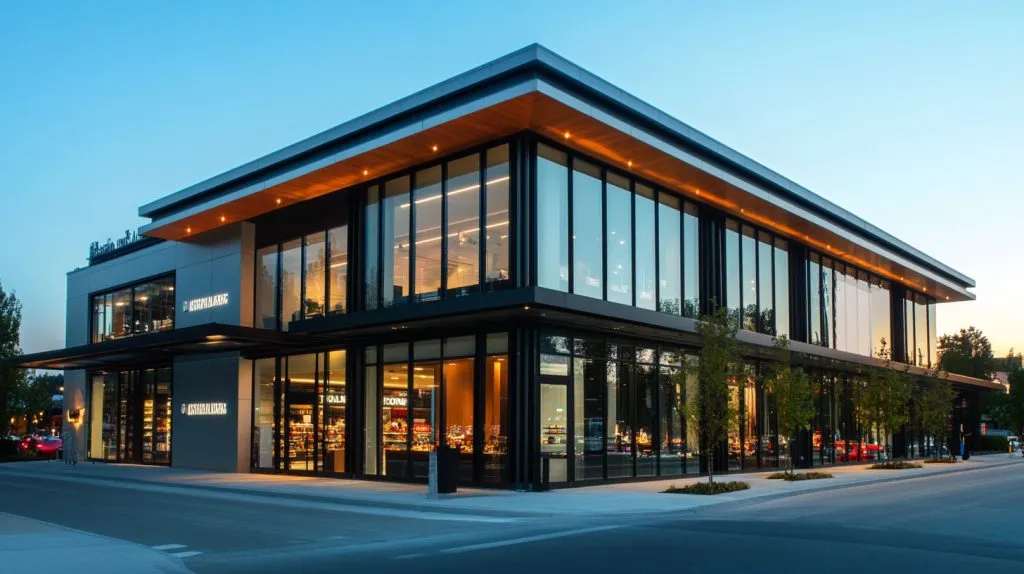
From a design standpoint, glass storefronts can provide a clean, contemporary aesthetic that’s eye-catching and improves natural light. They provide a clean, modern appearance while increasing customer curiosity and enhancing the shopper experience. Selecting the correct glass and knowing the installation process will ensure your new glass storefront lasts for years to come. Staying on top of maintenance will go a long way in improving its performance too.
Installing a glass storefront isn’t without disadvantages, though. The upsides often outweigh these hurdles. They afford a business the opportunity to add some flair to their aesthetic and attract new customers.
Whether you’re designing a new facade or updating your current storefront, glass is a great option. Don’t rush, don’t make decisions based on what is the coolest thing out there, invest in what’s going to meet your objectives.
Frequently Asked Questions
What are glass storefronts?
Examples of glass storefronts, which feature quality storefront glass, are commercial building facades made primarily of large glass panels secured by aluminum or steel frames. Aesthetic benefits include a contemporary look that enhances visibility for retailers while allowing ample natural light.
What types of glass are used in storefronts?
Commercial storefronts often utilize high-performance glass, such as tempered glass or insulated glass, offering advantages like increased safety and energy efficiency tailored to the specific needs of the retail space.
How are glass storefronts different from curtain walls?
Since quality storefront glass is designed for ground-level installation, it offers strong protection and structural integrity for their frames. In contrast, curtain wall systems are larger installations that span multiple stories and are non load-bearing.
What are the advantages of glass storefronts?
Plus, glass storefronts, with their high-performance glass, give a contemporary appearance, enhance visibility for customers, and let in wonderful natural light. They can significantly increase curb appeal and help attract customers by creating a more inviting entrance to a commercial property.
What are the disadvantages of glass storefronts?
Glass storefronts, while visually appealing, often have higher energy usage and require more maintenance to clean the glass. These glass options can be more prone to wear and tear and breakage than other materials, making proper storefront glass installation and maintenance crucial to avoid these pitfalls.
What should I consider before installing a glass storefront?
When discussing local building codes, energy efficiency, and security, consider the benefits of high-performance glass options for storefront glass doors. An experienced contractor can ensure proper installation and compliance with local regulations.
How do I maintain a glass storefront?
Using non-abrasive cleaners to wipe away dirt and grime can prevent glass storefront doors from becoming clouded. Additionally, inspecting all seals and frames for damage, along with a plan for regular professional maintenance, will ensure that the storefront windows remain functional and visually appealing.