Skip to content
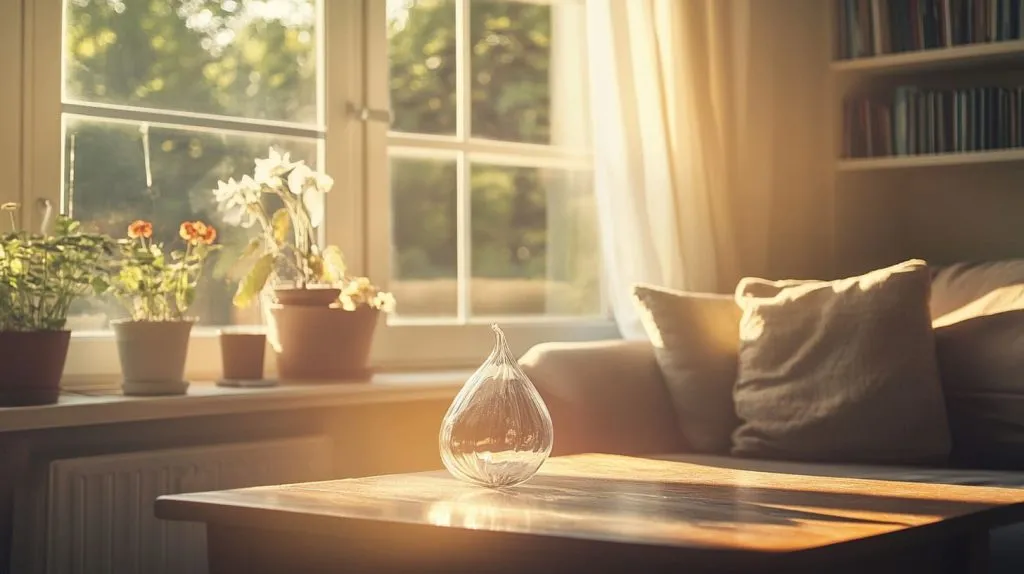
I remember the first time I tried to display a small glass sculpture in my living room. I had placed it near the window, hoping to catch some soft sunlight. But I quickly realized that too much direct light turned the piece into a glare-filled mess. It also made me very anxious about accidental damage. That experience taught me that displaying glass art is not as simple as just choosing a spot and hoping for the best.
Glass art is fragile, reflective, and heavily influenced by its surroundings. If the lighting is off, or the environment is too busy, the art piece can lose its charm. In this blog, I'll share how I plan the display environment, choose suitable methods, and sometimes seek custom solutions to really highlight a glass masterpiece.
Understanding Glass Art Pieces
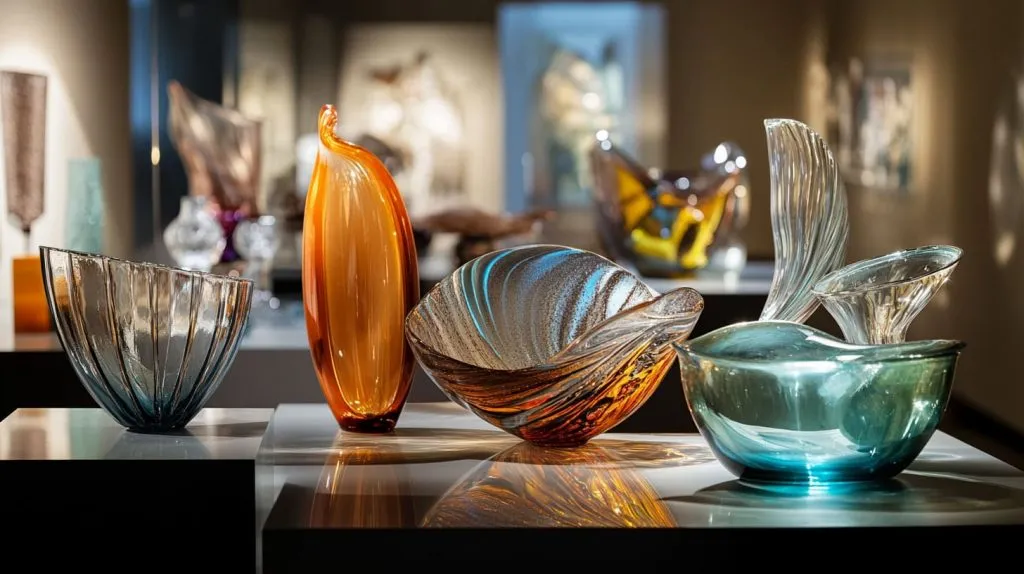
I’ve seen glass art in so many forms. Some are tiny trinkets on a tabletop, while others are grand wall installations. They all look dazzling, yet they demand a thoughtful approach to displaying.
Defining Glass Art
Glass art can be blown glass, fused glass, or stained glass. Traditional blown glass might remind us of classic vases with swirling colors. Fused glass often involves multiple layers fused in a kiln, resulting in unique patterns. Stained glass has a long history in architecture, bringing vivid colors to windows, lamps, and decorative panels.
Each style has evolved in modern design. My friend once showed me a minimalist living room with a large, translucent glass sculpture as its centerpiece. It was stunning, but it also needed a precise arrangement of lighting and decor so it wouldn’t get lost or overshadowed.
Unique Characteristics and Considerations
When we look at a piece of glass art, we see its transparency, reflection, and weight. But these same qualities can create challenges. Is it sturdy enough to stand on its own? Could it topple easily? And what about the way it reflects or refracts light?
| Characteristic | Consideration |
|---|---|
| Fragility & Weight | Risk of damage, need for secure base |
| Transparency | Affects choice of backdrop & lighting |
| Reflection & Refraction | Can cause glare or distracting highlights |
I think of it like handling a precious memory—any miscalculation might dull the impact. I learned this the hard way when I tried to clean a delicate piece with the wrong cloth. That quick wipe left micro-scratches that caught the light awkwardly.
The Impact of Display on Artistic Value
Glass art has its own story—often told through color transitions, unique shapes, or intricate details. A good display can help people see that story clearly. Bad lighting or cluttered surroundings can keep those details hidden. By considering how we present a piece, we add life to its narrative. We also guide the emotional response viewers may have, whether that’s awe, curiosity, or even calm contemplation.
When placed in a setting that complements its design, glass art can truly become a focal point. The display might be the secret ingredient in how people perceive its value and connect with its ambiance.
Planning Your Display Environment
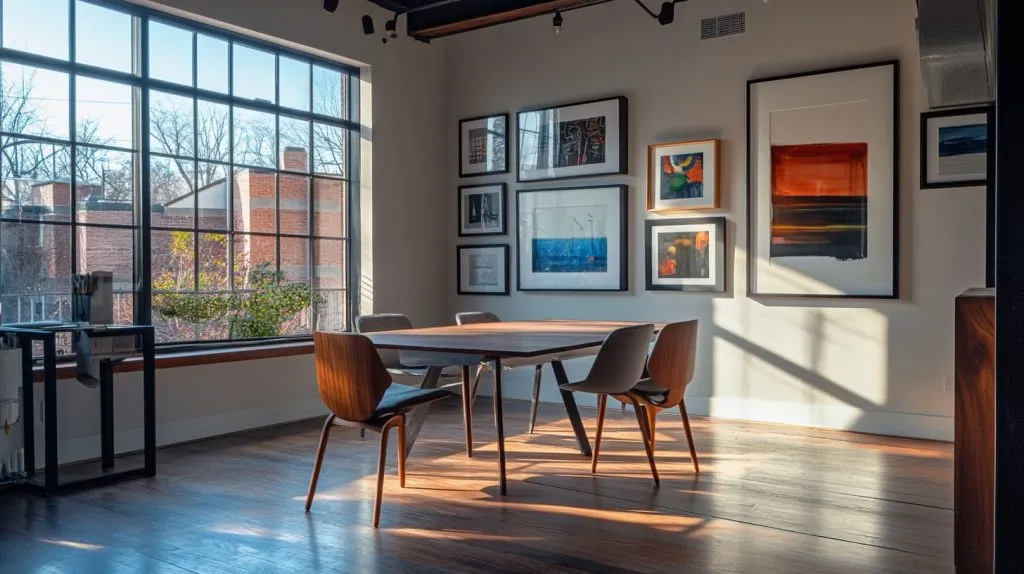
When I plan out a display, I usually imagine someone walking into the space and taking their first glance. Where do I want their eyes to land? That thought process often shapes all the decisions about positioning, lighting, and overall mood.
Assessing Your Space
I start by thinking about room layout and the amount of space I can dedicate to the piece. Is it a wide, open area with room for a pedestal? Or is it a snug corner where a wall-mounted setup might shine?
Environmental factors matter too: Are we dealing with direct sunlight, shifting temperatures, or high humidity? Glass can be sensitive to sudden temperature changes. Plus, bright sunbeams can create more glare than actual illumination.
| Space Factor | Potential Effects |
|---|---|
| Room Layout | Determines display size and style |
| Temperature & Humidity | Risk of cracking or damage over time |
| Light Sources | Creates reflections, glare, or fading |
Lighting and Ambiance
Choosing between natural and artificial lighting is tricky. Natural light can make a piece shimmer. However, it can also cause harsh glare or uneven brightness. I might add a soft spotlight or lamp, angled so that the glass art gains depth and reflection without blinding anyone.
I often think about a friend’s sunroom where a single blown-glass centerpiece catches the morning rays. The effect is magical—like a gentle rainbow shimmering across the table. But come midday, that same sunlight can be overwhelming. Sometimes subtle changes in positioning or using sheer curtains can work wonders to moderate the effect.
Aesthetic and Thematic Alignment
I’ve noticed that glass art feels most at home when it aligns with the overall decor theme. Whether the space is rustic, modern, or eclectic, the display should blend in yet stand out. I try to envision a color palette that complements the piece rather than fights against it. That means choosing a background color or stand that doesn’t distract.
If I want the piece to be a focal point, I’ll place it on a pedestal or at eye level on a shelf. This invites people to linger. The goal is harmony. The art piece and its environment should talk to each other without feeling forced.
And if you’re still with me, let’s keep exploring. Let’s see what other methods can keep your glass art safe, visible, and simply gorgeous.
Choosing the Right Display Methods
I once visited a modern art gallery where massive glass sculptures seemed to float on transparent acrylic stands. I was so fascinated that I took dozens of photos, zooming in on how they balanced safety and style. This kind of experience taught me there isn’t just one universal method for displaying glass art.
Freestanding vs. Wall-Mounted Displays
Freestanding displays can hold attention in a spacious setting. A sturdy base, maybe a sleek wooden pedestal, can showcase a piece in all its glory. But this approach usually requires open floor area and stable ground. If you prefer saving space, a well-planned wall mount might be perfect. Wall mounts also ensure children or pets have less chance to knock things over.
However, wall mounts can be risky if your walls aren’t designed to handle the weight. This is where I weigh the pros and cons:
| Method | Pros | Cons |
|---|---|---|
| Freestanding | Easy to reposition, bold presence | Requires space, risk of tipping |
| Wall-Mounted | Saves floor space, eye-level view | Installation complexity, weight limits |
Both approaches depend on the layout of your home or gallery. I try to picture how people move around the space and how I want the artwork to intersect with their paths.
Display Cases and Cabinets
Enclosed display cases protect against dust, fingerprints, and, of course, rowdy pets or small children. A good case can also keep humidity or temperature changes under control. When I was younger, my parents had an old wooden cabinet with glass panels. It was charming, but it didn’t reflect modern tastes.
Acrylic cases are popular these days. Acrylic is lighter than glass and often clearer. I’ve noticed that when the piece is well-lit inside the case, there’s a real sense of viewing something precious—like a museum vibe in your own home. That said, a glass case might be your style if you like a more traditional look. Both have their merits, so I often decide based on how I want the final aesthetic to feel.
Pedestals, Stands, and Risers
Sometimes all you need is the right height and angle. Pedestals, stands, and risers give that extra elevation. This is perfect if the piece has intricate details near the base. By lifting it off the ground, you invite curiosity. People lean in, intrigued by what they might see from a slightly different angle.
Minimalist pedestals that fade into the background let the artwork shine. Bold, statement pedestals can be an artistic extension of the piece itself. Personally, I like a simple acrylic riser that doesn’t compete for attention.
Incorporating Custom Acrylic Solutions
Over the years, I’ve found that working with a custom manufacturer, like Feilong Acrylic, can be a game-changer. They have advanced laser and CNC machinery that shapes acrylic into just about any form. I once had a small collection of glass miniatures, and I needed a tiered display that fit perfectly in a tight corner. A custom design from a specialized factory could tailor the tier sizes, angles, and even the thickness of the acrylic for stability.
When you explore custom solutions, you can talk to experts who’ve seen countless projects. They’ll help you tweak dimensions, add special features, or ensure the stand won’t overshadow the glass art. That personal approach can lead to results that look both practical and luxurious.
I have more insights to share about custom designs, especially if you want to stand out. Let’s talk about that next.
Designing Custom Display Solutions

I remember the first time I visited Feilong Acrylic’s facility in China. The creative energy there was electric. It reminded me of visiting a bakery where every cake is decorated to perfection—only instead of flour and sugar, they use acrylic sheets and high-tech machinery.
Collaboration with Experts
Whenever I collaborate with experts, I realize how much of a difference experience makes. These professionals ask the right questions: What’s the weight of the glass piece? Does it need integrated LED lighting? Do we want something easy to disassemble? Their depth of knowledge goes beyond merely selling a product. They help craft a vision.
Collaborating with an expert also means avoiding common pitfalls. If you’re worried about a display being too top-heavy or not stable enough, they have solutions on hand. It’s like having a friend who’s already done all the hard parts for you.
Customization Options and Material Selection
High-transparency acrylic is often my go-to choice for modern, clean lines. I’ve also seen custom finishes like frosted acrylic or colored bases that add a bit of artistic flair. For instance, a matte black base might draw the eye straight to the vibrant hues of a glass sculpture.
You might even choose different thicknesses of acrylic for a sturdy or more delicate look. If you want a large display for a heavier piece, you can request thicker panels. A smaller display can use thinner sheets for a more airy feel. This table gives you a quick glance:
| Material Aspect | Impact on Display |
|---|---|
| Thickness | Affects stability and perceived heft |
| Finish | Determines visual style (glossy/frosted) |
| Color | Influences overall mood or theme |
Balancing Functionality and Aesthetics
It’s tempting to go all out on style, but there’s also a functional side. You want stability so the glass art doesn’t wobble if someone nudges the display. You also want protection from dust or accidental bumps. In some cases, I’ve seen innovative solutions that include subtle LED strips to highlight certain details. The key is finding that sweet spot where art meets practicality.
If you maintain that balance, your display will feel like an elegant part of your living space or gallery, not an afterthought. And that’s when you know you’ve truly done justice to the piece.
Our next step is the nuts and bolts—how do you install and maintain this display so it stays as perfect as the day you set it up?
Installation and Maintenance Best Practices
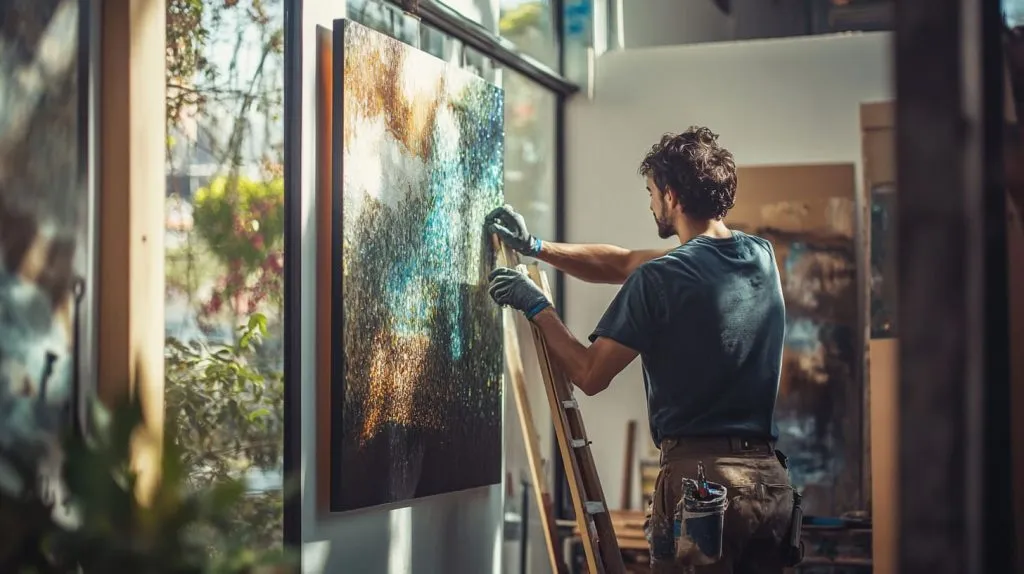
One time, I was so eager to show off my new glass piece that I tried to set it up myself without properly anchoring the display. It was nerve-wracking to see it wobble when people walked by. I quickly learned there are some best practices that save you from heart-stopping moments.
Safe Installation Techniques
Securing a display often starts with reading the instructions or, if it’s custom, consulting the manufacturer. If you’re using wall mounts, ensure they’re anchored into studs or strong support. If it’s freestanding, check for level floors. A slight slope could be a recipe for disaster, especially if kids or pets run around.
I also consider weight distribution. If the art piece has an uneven shape, I place protective padding or specialized grips to avoid pressure points. Sometimes I use museum putty for small, delicate items. It might seem over-the-top, but it’s easier than sweeping up broken glass.
Regular Maintenance and Cleaning
Glass art thrives on a spotless appearance. Dust and fingerprints are its biggest enemies. I prefer a microfiber cloth and a gentle cleaner. But be mindful of harsh chemicals that might dull the finish. If you’re cleaning an acrylic case or stand, avoid anything that could scratch it.
Also, a quick inspection every few months can reveal tiny cracks or screws loosening on the mount. It’s like taking your car for a routine check: early detection saves bigger problems down the road.
Environmental and Safety Considerations
Temperature swings and humidity can stress glass over time. If your piece is in a sunroom or near vents, keep an eye on how it reacts. I’ve heard stories of glass art developing hairline cracks because of abrupt changes in temperature.
And of course, if your display is in a public area or a workplace, follow safety standards. You don’t want sharp edges or unstable fixtures. Making sure everyone can admire the glass art safely is part of the fun of owning it.
We’ve covered a lot of ground on setting up and caring for a display. But if you want to really wow visitors, keep reading. I have some ideas about lighting, decor, and real-world inspirations.
Enhancing the Display Experience
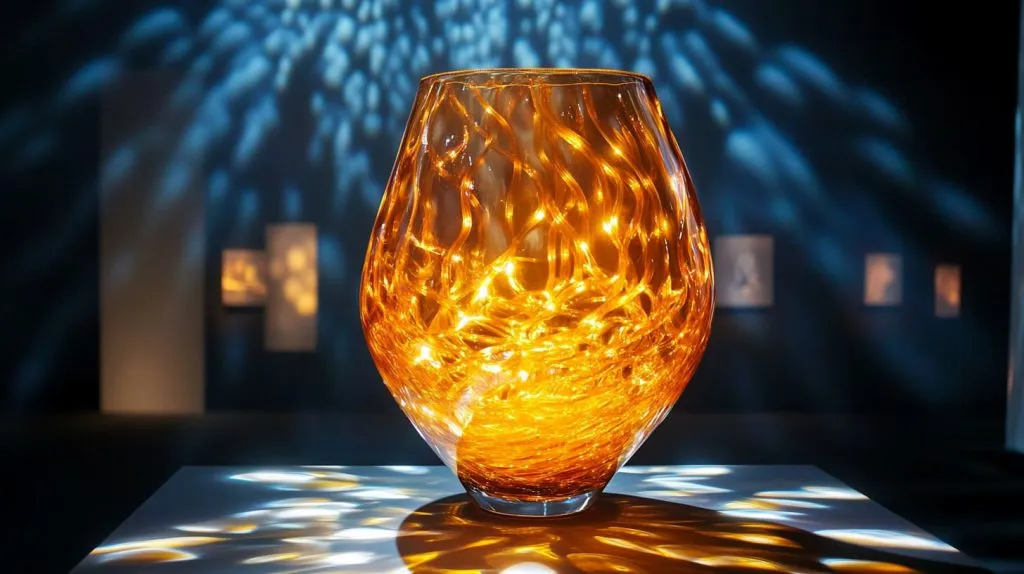
I once saw a breathtaking exhibit where each piece of glass art had its own spotlight. The light moved slowly in a circular motion, creating dancing reflections. It felt like stepping into a dream. That’s the kind of immersive experience I love to recreate at home, albeit on a smaller scale.
Innovative Lighting Techniques
Lighting can either flatten your glass art or bring it to life. Spotlights focused at an angle can accentuate the curves and interior bubbles of blown glass. Backlighting through frosted panels can make fused or stained glass glow. If you want to explore more ideas, check out spotlight ideas for glass art. You might discover new ways to combine color filters or dimmers.
One thing I’ve learned: always test lighting before permanently installing anything. A piece might look perfect under one setup but turn into a glare-heavy nightmare under another. Small tweaks in angle or intensity can completely change the mood.
Integrating Complementary Decorative Elements
I love a cohesive design. That might include placing the glass art near a small potted plant for a touch of greenery. Or maybe surrounding it with artwork that shares a similar color palette. You can also experiment with soft drapes or textured rugs that contrast with the smoothness of glass.
Retail spaces often coordinate multiple displays in a themed section. They’ll arrange everything in complementary hues to create a storyline. At home, you can do the same on a smaller scale: a few accent pieces that echo the colors or shapes in the glass art.
Case Studies and Inspirational Examples
I visited a boutique in my city that displayed limited-edition glass sculptures. They used acrylic pedestals of varying heights so customers could walk around and see each piece at different angles. It was mesmerizing. Their lighting was gentle yet direct, ensuring each sculpture got its spotlight without overwhelming reflections.
Another example was a minimalist home I saw online. The owner placed a clear, elongated glass sculpture on a wooden console table. Behind it was a neutral gray wall. The contrast made the piece stand out, and the strategic overhead lighting created subtle shadows that added depth.
Now that we’ve explored ways to fully elevate your glass art, let me wrap this up in a neat little bow.
Conclusion
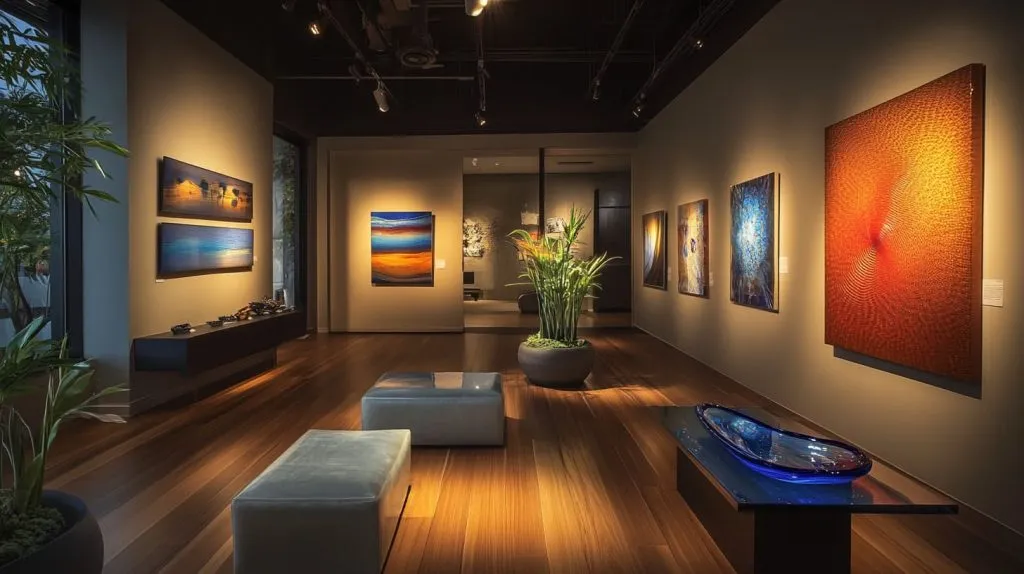
Displaying glass art might look complex, but once you understand the basics—like space assessment, lighting, and the right display method—everything falls into place. If you need something beyond a basic shelf or stand, custom acrylic solutions from a reliable manufacturer can make your piece stand out. I’ve personally seen how thoughtful planning and careful display choices can turn a simple glass piece into a showstopper.
At Feilong Acrylic, their specialized approach reflects our shared passion for merging beauty with practicality. I hope you feel more confident about showcasing your glass treasures. Whether it’s a new wall-mounted setup or a custom acrylic case, remember that the goal is to let the art shine without compromising on stability or style. Give your glass art the stage it truly deserves.