Skip to content

Last autumn, I stepped off a red-eye flight from Toronto and went straight to our Shenzhen workshop. My carry-on held a single velvet-lined ring box—our newest prototype. When the client opened it later that day, her eyes widened before she even noticed the diamonds inside. That moment reminded me why the box matters as much as the jewelry. In this post, I’ll unpack what makes a custom jewelry box with a logo more than just packaging.
(Keep reading—by the end you’ll see how the right box can lift margins, protect stock, and turn buyers into loyal fans.)
What Are Custom Jewelry Boxes with a Logo?
Meaning of “custom” versus stock packaging
I like to think of custom as a blank canvas. We’re free to pick size, shape, inserts, and finish. Stock boxes? They’re the fast food of packaging—cheap, predictable, and rarely memorable. Custom lets us tailor every millimeter to the story we want the customer to feel when they crack the lid.
Importance of logo branding on jewelry boxes
A tiny, well-placed logo turns a plain box into a brand ambassador. It travels from warehouse to bedroom dresser, whispering your story each time it’s opened. Without that mark, the box is anonymous—easy to forget, easy to replace.
Critical lens: A logo is powerful, but only if it aligns with the box’s materials and your market’s expectations. Cheap print on a luxury rigid box feels off, just like embossed gold on flimsy cardboard feels like over-promise.
Before we dive into materials, let me share one more quick scene: I once watched a bride-to-be hold two identical rings—she chose the one with the prettier box. That choice cost her an extra $300. Now, let’s see what goes into building a box that converts fence-sitters like her.
Material Options & Construction

| Material | Perceived Luxury | Durability | Eco Score | Typical Cost (USD)* |
|---|---|---|---|---|
| Paperboard/Cardboard | Low–Medium | Medium | ★★★☆☆ | $0.20–$0.40 |
| Rigid Chipboard | High | High | ★★☆☆☆ | $0.60–$1.20 |
| Plastic & Acrylic | Medium–High | Very High | ★★☆☆☆ | $0.80–$1.50 |
| Wood / Leather / Velvet | Very High | High | ★★☆☆☆ | $1.50–$3.00+ |
| Recycled & Bio-based | Medium | Variable | ★★★★☆ | $0.40–$1.00 |
*Unit prices at 5,000 pcs FOB Shenzhen, Q1 2025.
Paperboard / cardboard
Great for volume gifting or seasonal runs. Easy to print, folds flat for freight savings. Weak corners though—I’ve seen them crush in transit.
Luxury rigid chipboard boxes
Think of those iPhone-style magnetic lids. Heavy in the hand, high perceived value. Trouble is, they ship “air”—expect 20 % higher freight.
Plastic & acrylic alternatives
Clear walls showcase gems without opening the lid. As an acrylic factory owner, I’m biased, but clear PMMA resists scratches better than you’d guess. Downside: Some markets balk at “plastic” even if it’s recyclable.
Wood, leather, velvet & specialty fabrics
Tactile luxury. I once sourced rosewood boxes for a boutique in Vancouver; customers literally sniffed them. Moisture control is key, or hinges warp.
Eco-friendly & recycled materials
Sugarcane pulp, kraft board with soy ink—great for earthy brands. Ask suppliers about GRS or FSC certifications; buyers now demand traceability.
Ready for the glam part? Let’s explore how those blank shells turn into brand billboards.
Branding & Decoration Techniques
| Technique | Best For | MOQ Impact | My Pro Tip |
|---|---|---|---|
| Hot-foil stamping | Luxury shimmer logos | +500 pcs | Pick matte foil for understated brands |
| Silk-screen / Offset | Full-panel graphics | Neutral | Layer spot UV over silk-screen for depth |
| Embossing / Debossing | Tactile logos | +300 pcs | Pair with uncoated stock for sharp edges |
| UV Spot, Lamination, Varnish | Gloss highlights | Neutral | Use sparingly—too much glare feels cheap |
| Pantone Matching | Brand consistency | Low | Request draw-down swatches before mass run |
Hot-foil stamping
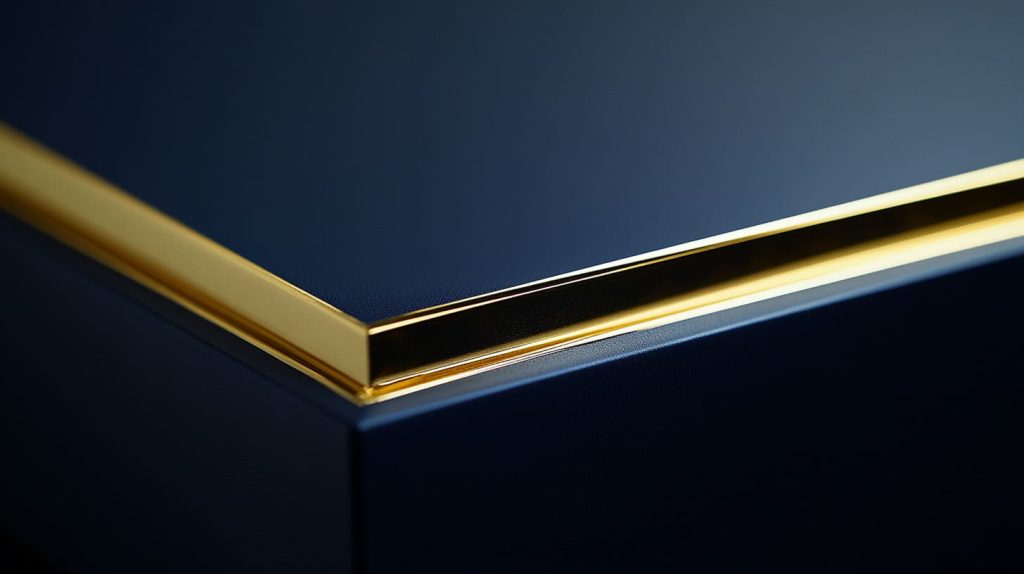
Gold, silver, even holographic. The die costs hurt at low volumes, but clients gasp when light catches that foil.
Silk-screen & offset printing
Solid colors or photo-grade images. Remember: coated paper loves offset ink; uncoated fibers drink it up and dull the hue.
Embossing & debossing
Press the logo out or in. Adds texture that fingers can feel even in dim store lighting.
UV spot, lamination & varnish
Glossy pops on matte backdrops guide the eye. Just don’t drown the whole lid—controlled highlights feel premium.
Pantone color matching & finish selection
Ever seen a Tiffany box that wasn’t the exact blue? Consistent Pantone equals instant brand recall. Period.
Enough about looks—can the box protect a $5,000 pendant on a bumpy FedEx ride? Let’s test its brain as well as its beauty.
Design Considerations for Function & Protection
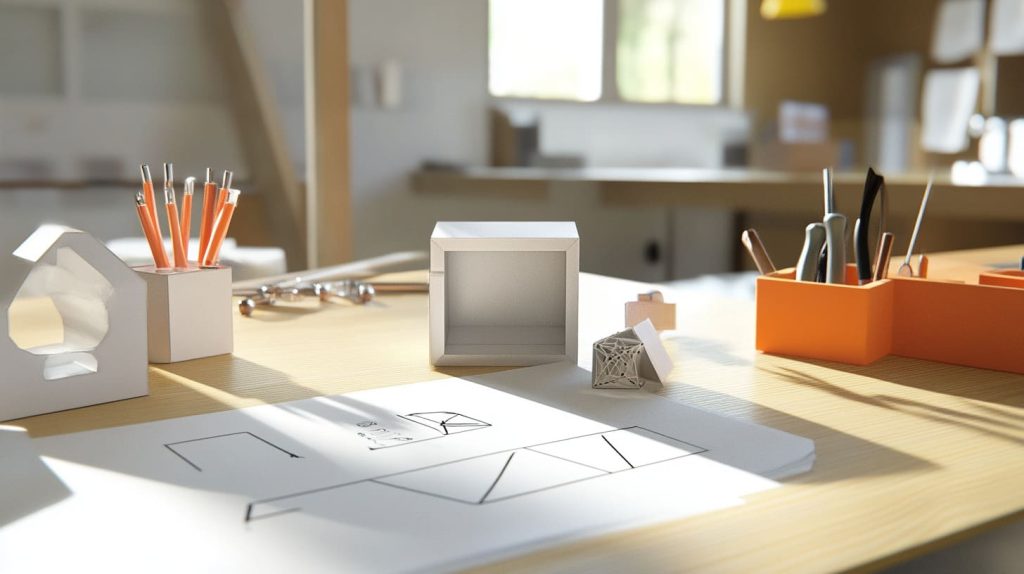
Size & compartment layout
Oversized boxes waste freight and wobble jewelry. Undersized crush nets. I learned this the hard way when 1,200 earring studs arrived with bent posts.
Inserts (foam, velvet, satin) for cushioning
Choose density by weight of the piece. Light earrings need gentle foam; heavy bangles crave rigid EVA.
Magnetic, ribbon, and drawer closures
Magnets feel slick but add metal detectors at airports. Ribbons scream boutique craft. Drawers stack well in retail backrooms.
Travel-friendly vs display-focused formats
Rolling trays with snap lids suit road-show reps. Tall hinged boxes look gorgeous in glass cabinets but hog shipping volume.
Mind-shift: Never design protection in isolation. A stunning insert might slow assembly lines or frustrate customers who can’t re-pack returns.
Curious how these choices ripple through timelines and cash flow? Let’s open the project calendar.
Business Benefits of Branded Jewelry Packaging
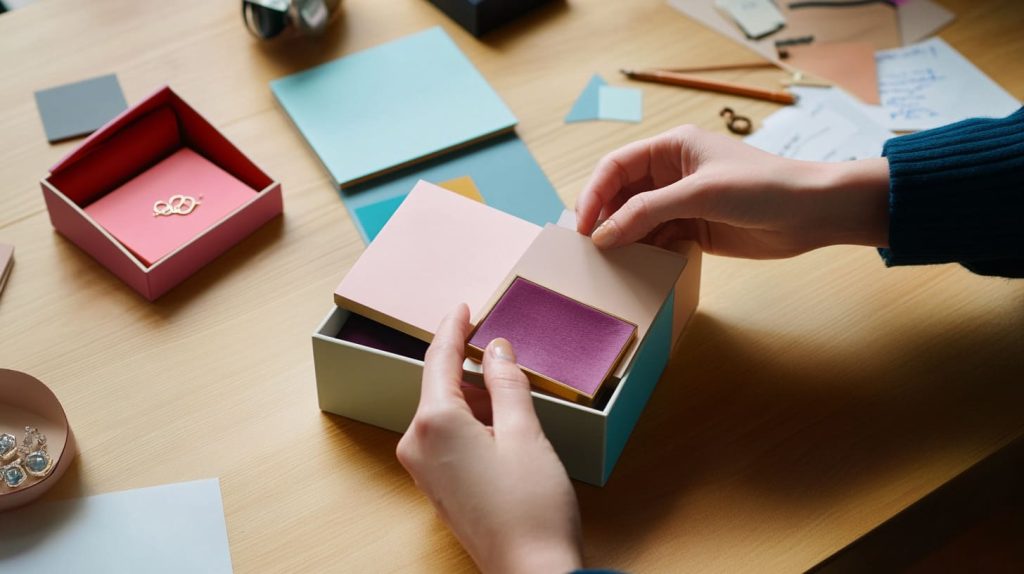
Enhancing perceived value & customer experience
Customers equate weight and texture with quality. A rigid lid adds cents to cost—but often dollars to price.
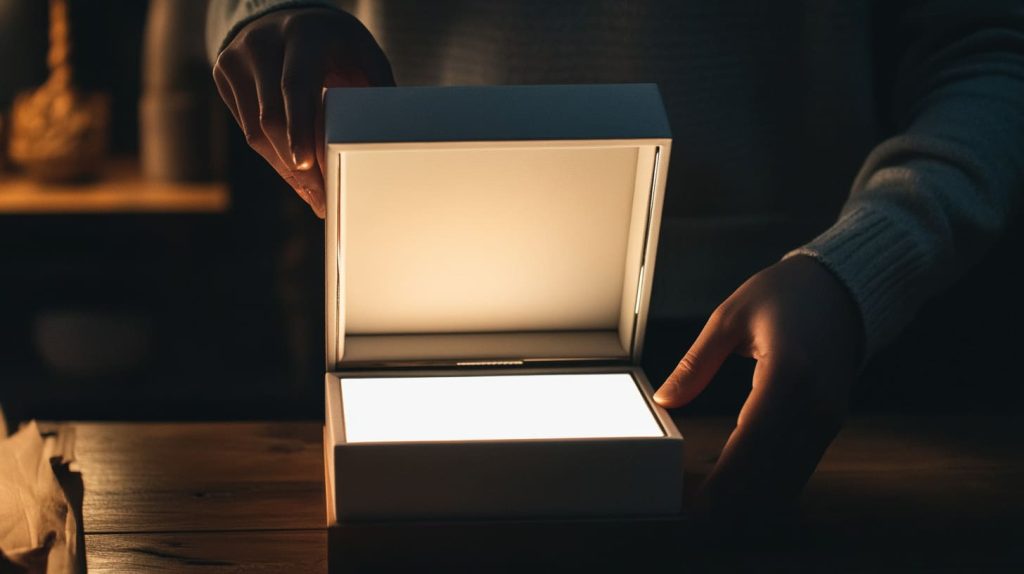
TikTok loves surprise reveals. Mirror-finish lids plus soft LED lighting equal share-worthy moments.
Brand recall & repeat purchase incentives
Leave a QR code inside the lid. One client saw email sign-ups jump 18 % after adding scannable care tips.
Protection reduces returns & damage claims
Each cracked gem is a hidden cost. My ledger shows returns dropped by half when we upgraded foam densities.
And now, the path from sketch to sea freight—no one wants surprises at the loading dock.
Custom Order Workflow & Lead Times
From concept to 3D prototype
We swap sketches, build CAD, then CNC a single white-box sample. Fast feedback beats endless email threads.
Minimum order quantities (MOQs) & cost drivers
Die-cut tools, foil plates, and print setups push MOQs. Negotiate shared tooling if you run multiple SKUs.
Production timelines & quality checkpoints
Typical schedule:
| Stage | Days | QC Action |
|---|---|---|
| Artwork approval | 2 | Pantone draw-downs |
| Tooling & sample | 7 | Dimensional check |
| Mass production | 12 | Random pull test |
| Packing & pallet | 3 | Drop test (1 m) |
Shipping, warehousing & inventory strategies
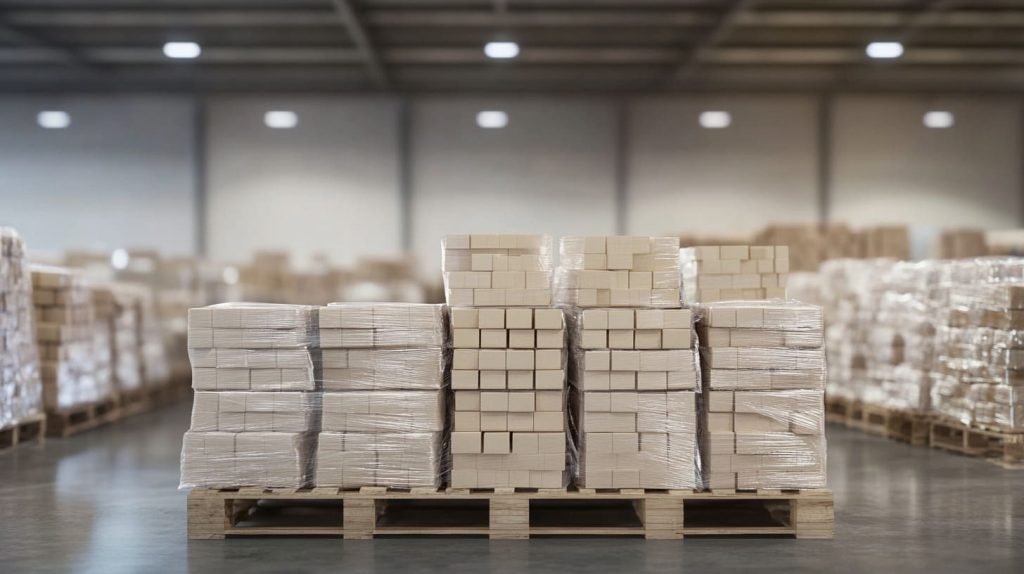
Rigid boxes ship bigger. Consider partial kitting: lids nested, bases nested, assemble on arrival.
Just as you wouldn’t trust any stranger with your molds, picking a box supplier needs homework.
Choosing the Right Supplier
Evaluating material & print capabilities
Ask for a capability sheet showing machine sizes, ink types, and max colors. Larger UV presses mean fewer joins.
Certifications & quality control (ISO 9001, FSC)
Certs aren’t marketing fluff. They force traceability. When customs delays bite, paperwork saves the day.
Communication, sample policy & trade-show visits
If emails stall for 48 hours during quoting, imagine delays mid-production. I visit potential partners at tradeshows—body language reveals what brochures hide.
Sustainability & ethical manufacturing
Audit power usage, waste handling, and worker welfare. Brands can’t afford a supply-chain scandal splashed across Reddit.
Once you shortlist suppliers, it’s time to sharpen the pencil on cost.
Cost Breakdown & Pricing Tips
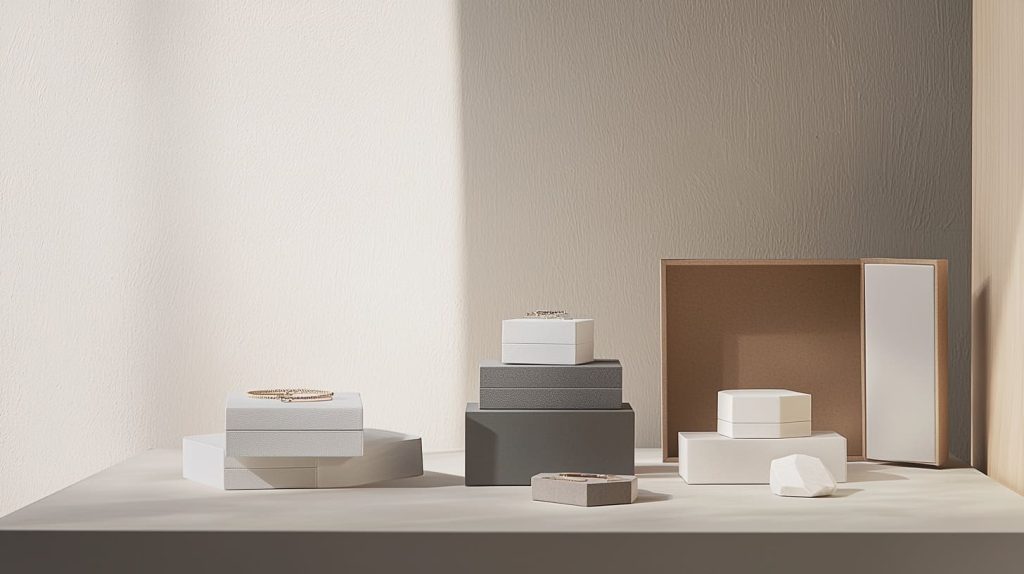
Tooling, plates & setup fees
These are one-time but heavy upfront. Push to amortize over projected annual volume.
Unit price vs quantity curve
Order 2,000 and you’ll pay 20 % more per box than at 10,000. Plot the curve before finalizing retail prices.
Hidden costs: freight, duties, inner packing
Rigid boxes blow up CBM. I once saved a client $8k by switching to flat-pack sleeves with local assembly.
Negotiation & contract terms
Lock color-fastness and dimensional tolerance into the PO. Future disputes then rely on facts, not finger-pointing.
Now, let’s peek at tomorrow’s trends so today’s box won’t feel dated before it ships.
Trends & Innovation in Jewelry Box Design (2025)
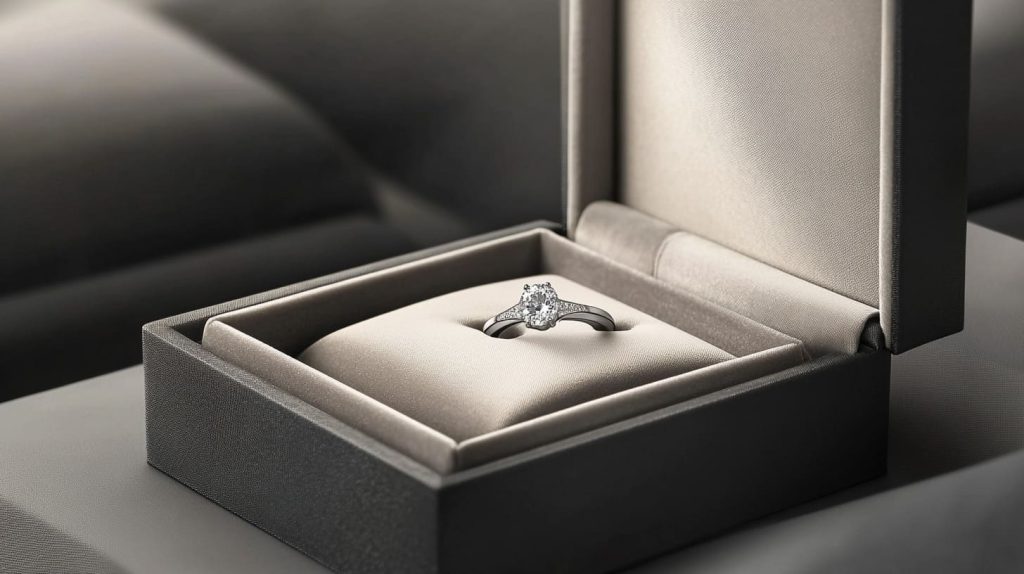
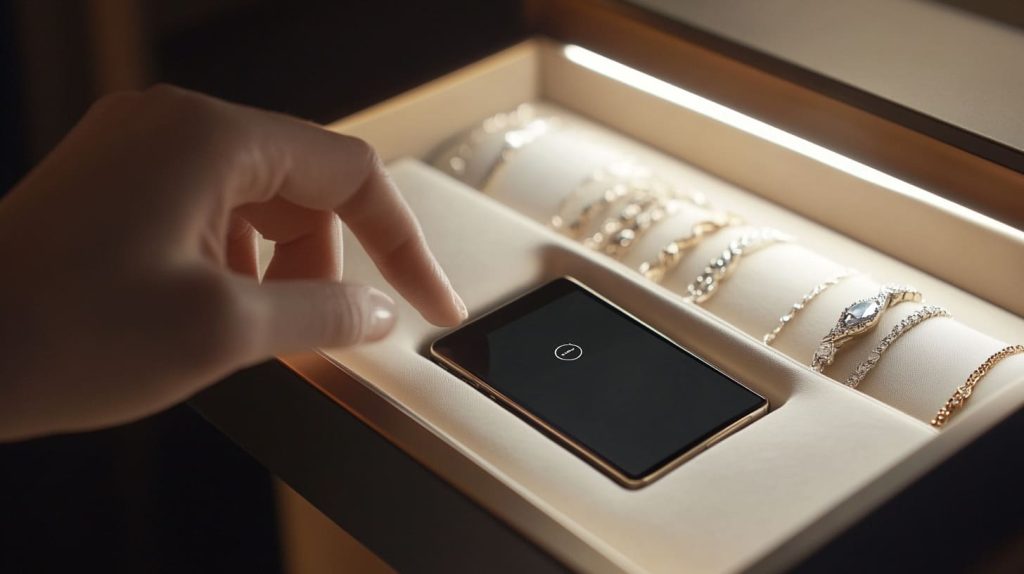
Tap your phone, launch a care video. Early adopters see higher add-on sales.
Sustainable materials & dye-free printing
Algae inks and water-based glues cut VOCs. Gen Z notices.
Modular & reusable designs
Snap-off lids double as mini display stands. Reuse equals brand touchpoints long after purchase.
Personalization at scale (digital printing, variable data)
Names on lids used to require silkscreen swaps. Now, digital presses handle 500 unique lids in one run.
Conclusion

I’ve watched countless buyers judge jewelry by its box before even touching the stone. A custom logo box is your silent pitchman—guarding the goods, telling your story, and nudging that final swipe of the credit card. When you align materials, branding, and supply-chain smarts, the humble box becomes a profit engine. Ready to design yours? Let’s chat—I’ll bring the coffee and a trunk full of samples.