Skip to content

I once worried my acrylic items might crack or fade too soon. The concern felt overwhelming. Today, I know the key is understanding acrylic’s strengths and giving it the right care.
Acrylic plastic can last well over a decade. It stays clear, strong, and functional for 10 to 15 years or longer when you shield it from direct UV exposure, rough handling, and extreme temperatures.
I remember gripping an acrylic phone stand every day, thinking it might wear out. But to my surprise, it stayed pristine. Let me share what I’ve learned so you can make the most of acrylic products.
Does acrylic degrade over time?
I used to question whether acrylic might lose its shine over the years.
Yes, acrylic does degrade slowly. If it’s exposed to harsh chemicals or extreme sunlight, it may discolor or lose strength. But general indoor use keeps it looking new for a very long time.
Understanding Degradation
I’ve noticed a few subtle indicators of degradation:
- Yellowing: Prolonged UV exposure
- Micro-cracks: Stress points on edges
- Surface hazing: Constant contact with abrasive materials
| Common Cause | Possible Impact |
|---|---|
| Harsh Chemicals | Surface damage |
| Intense UV Light | Color shift, yellowing |
| Physical Stress | Cracking or chipping |
Although acrylic is resilient, these factors can speed up natural wear. Being mindful of these conditions helps prolong its lifespan.
How durable is acrylic plastic?
I was once afraid acrylic might snap under pressure.
Acrylic stands up well to everyday use. It resists impact better than glass, though severe force can cause cracks. Proper design and thickness improve its overall durability.
Strength in Action
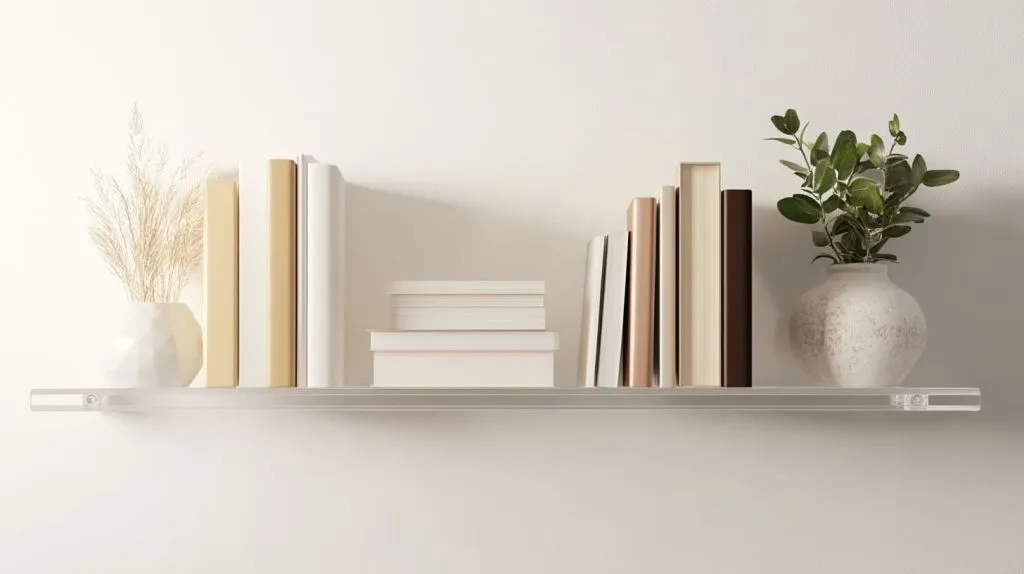
I’ve tested acrylic shelves in my workshop. They hold moderate weight without bending if the sheet is thick enough. Thinner sheets can flex, so picking the right thickness is crucial.
- Proper Thickness Matters: Thicker sheets endure more force.
- Mounting Support: Good support prevents stress fractures.
Does acrylic last on plastic?
I once glued acrylic onto other plastics, wondering if it would stick well.
Yes, acrylic bonds with many plastics. Proper adhesives and surface prep stop peeling or separation. But the bond strength varies, so test small sections before committing to bigger projects.
Bonding Techniques
- Acrylic Cement: Creates strong chemical bonds
- Epoxy Adhesives: Often a versatile option
- Surface Cleaning: Dust and oils can weaken adhesion
I’ve found that using proper bonding adhesives keeps acrylic firmly attached to ABS or similar plastics. When in doubt, I consult the manufacturer’s instructions for compatibility.
What is the lifespan of acrylic plastic?
I used to assume acrylic wore out quickly.
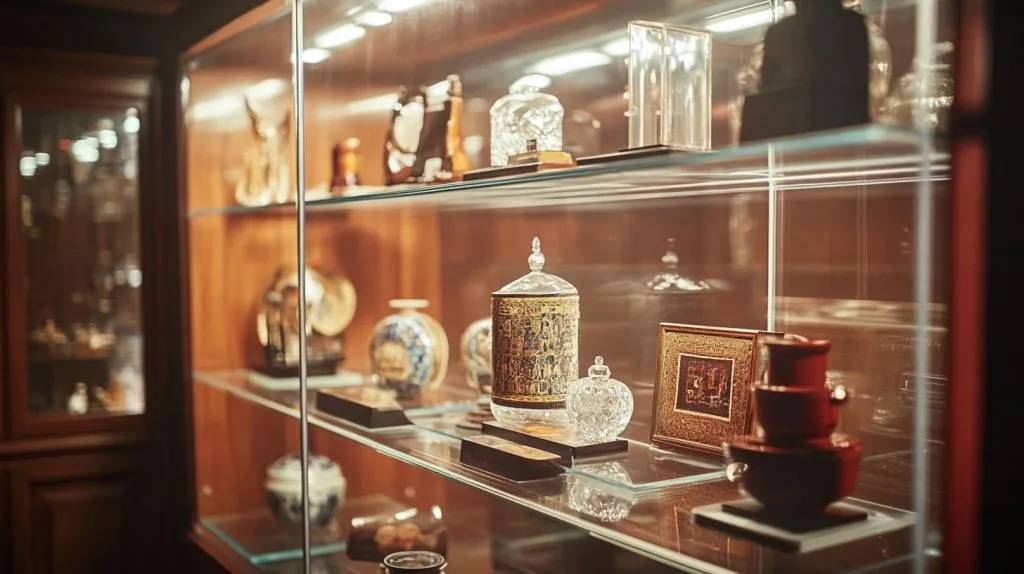
Acrylic can maintain clarity and shape for decades. It isn’t unusual for well-cared-for pieces to stay functional beyond 15 years, especially when kept away from direct sunlight and impact.
Long-Lasting Qualities
Some old acrylic displays in my factory still look great after years of use. Routine dusting and mild cleaning solutions reduce scratches and cloudiness.
- Gentle Cleaning: Warm water and mild soap
- Avoid Abrasives: Rough sponges can cause surface scratches
Does acrylic crack over time?
I’ve had moments where I worried about sudden fractures.
Acrylic can crack due to stress or mishandling. However, normal usage rarely causes serious cracks. Drilling holes incorrectly or bending cold sheets often leads to unexpected breaks.
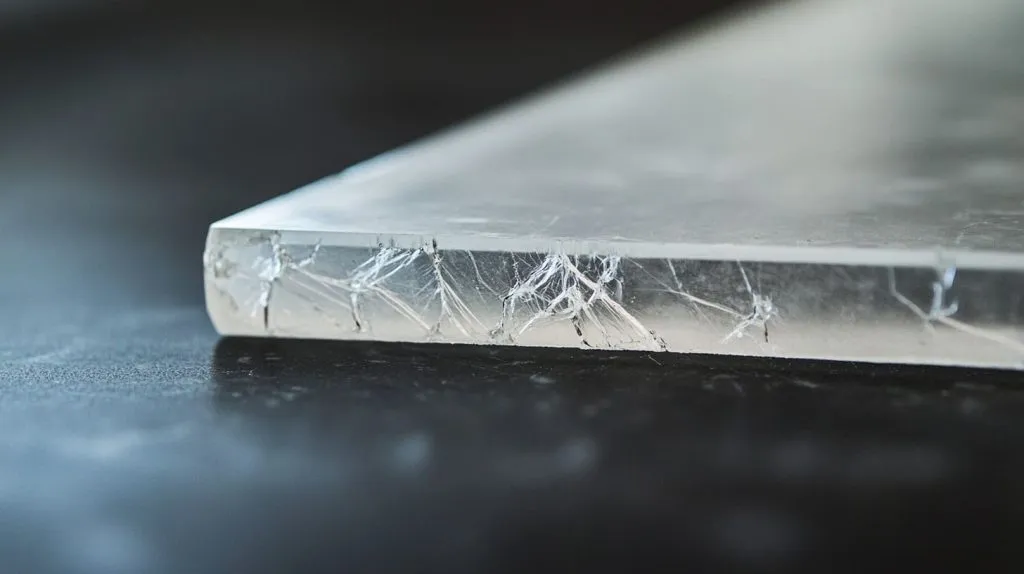
Preventing Cracks
- Use the Right Tools: Special drill bits and slow speeds
- Avoid Sharp Edges: Rounded edges reduce stress points
- Don’t Bend it Cold: Heat-bending acrylic lowers the chance of fractures
What factors influence the lifespan of acrylic plastic products?
I used to overlook environmental details.
Exposure to sunlight, chemical contact, and improper handling shorten acrylic’s life. On the flip side, gentle care, regular cleaning, and the right thickness keep it going strong for many years.
Key Influences
| Factor | Effect on Lifespan |
|---|---|
| UV Radiation | Possible yellowing or brittleness |
| Contact with Harsh Cleaners | Surface damage or fogging |
| Extreme Temperature Swings | Higher risk of cracks |
| Physical Stress | Potential structural weakness |
I learned to keep acrylic items away from direct sunlight or strong solvents for best results.
How does exposure to sunlight affect the durability of acrylic materials?
I recall leaving an acrylic container by a window all summer.
Excessive sunlight may cause mild color shifts or surface dullness. But many acrylic blends include UV inhibitors that help maintain clarity longer under bright conditions.
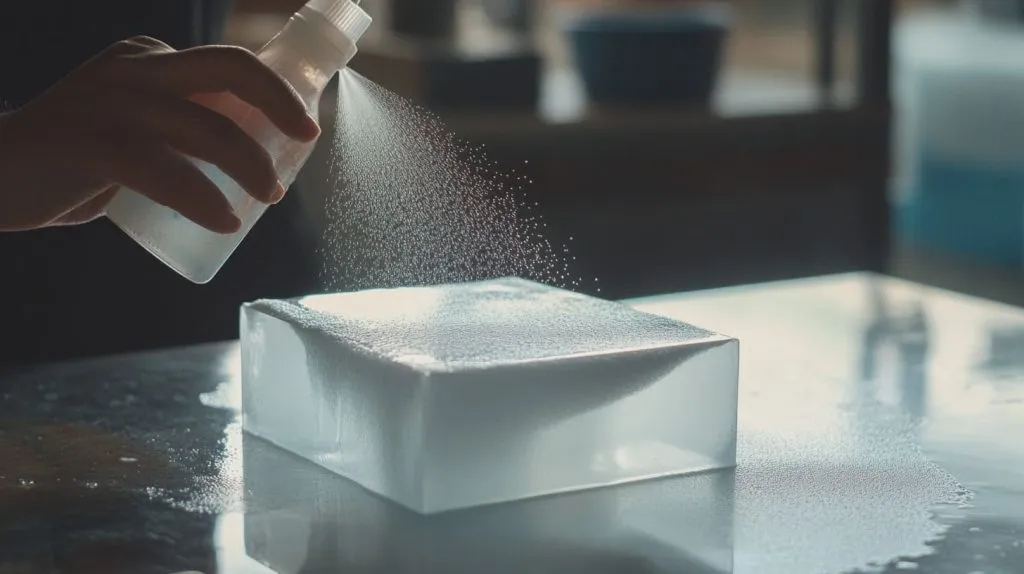
Sunlight and UV Impact
- UV Inhibitors: Slows color change
- Protective Coatings: Shields from direct rays
- Indoor vs. Outdoor: Outdoor acrylic is often specially formulated
I used to place my parts in shady areas to prevent any fading issues. That small tweak made a big difference.
What are the best practices for maintaining and extending the life of acrylic plastic items?
I’ve learned that a gentle touch goes a long way.
Regular cleaning with mild soap, using soft cloths, and storing items away from high heat extend acrylic’s life significantly. This simple upkeep ensures you get the most from each piece.
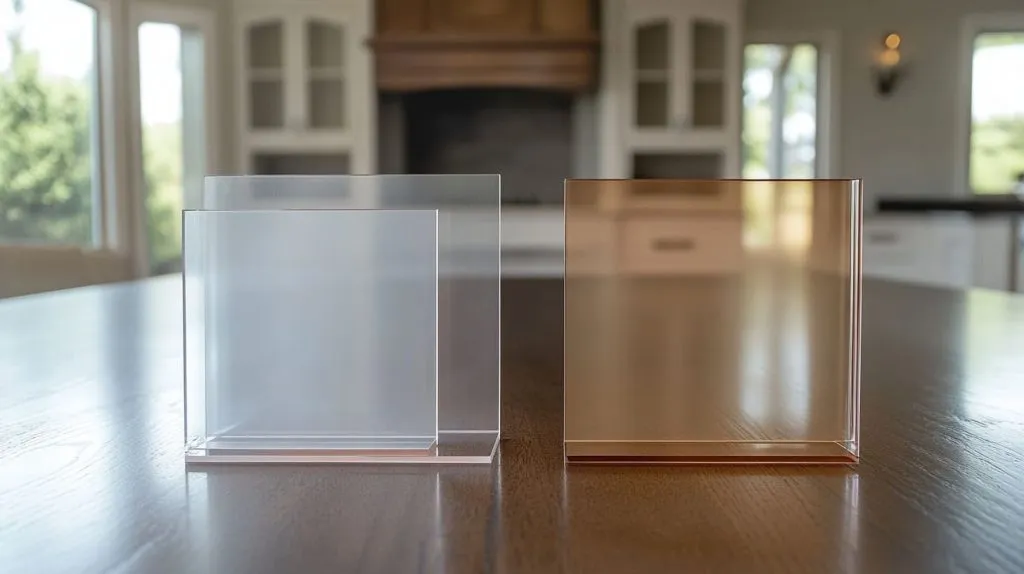
Care Essentials
- Dust Regularly: Prevent scratches from build-up
- Use Soft Cloths: Microfiber is best for gentle cleaning
- Check for Stress Marks: Early detection prevents bigger cracks
Following these steps kept my own acrylic displays looking brand new.
How does acrylic plastic compare to other materials in terms of longevity and durability?
I used to wonder if I should pick glass, acrylic, or polycarbonate.
Acrylic is lighter than glass and usually more affordable than polycarbonate. It offers solid strength and a longer lifespan than many plastics, though polycarbonate might resist impact better.
Comparative Chart
| Material | Weight | Impact Resistance | Cost | Typical Lifespan |
|---|---|---|---|---|
| Acrylic | Light | Moderate | Medium | Long (10+ yrs) |
| Glass | Heavy | Low | Varies | Very Long |
| Polycarbonate | Light | High | Higher | Long (10+ yrs) |
I weigh cost, weight, and expected usage before deciding on a specific material for my projects.
What are the common signs of aging or degradation in acrylic plastics?
I recall noticing subtle hints before a product fully wore out.
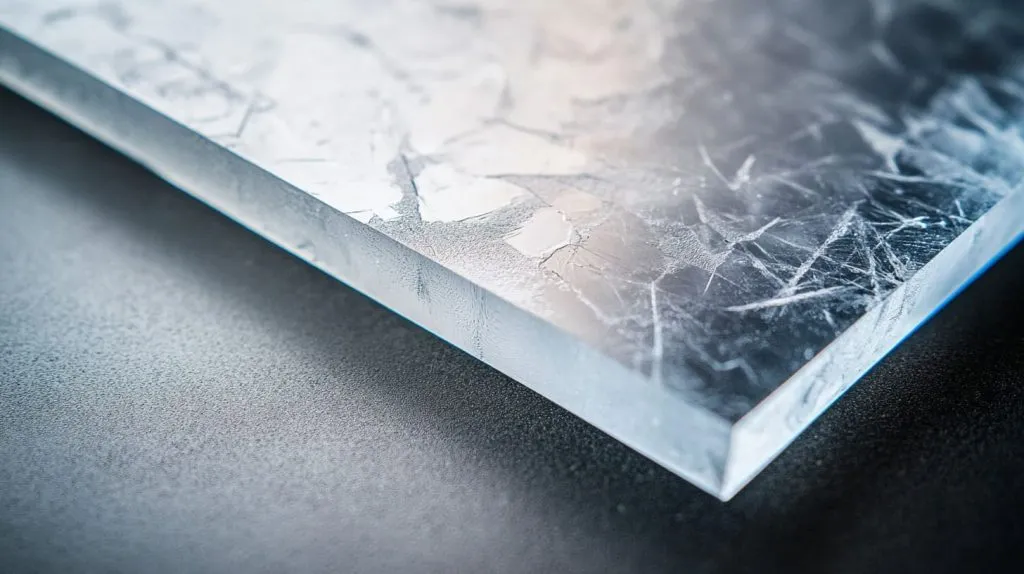
Cloudiness, small fractures, or edge discoloration signal aging acrylic. If you see these changes, consider polishing or replacing parts. Quick checks help prevent bigger issues later on.
Spotting Wear and Tear
- Foggy Surface: Fine scratches or chemical residue
- Hairline Cracks: Often near mounting points
- Yellowish Tinge: Possible UV impact
When I notice these signs, I take action by cleaning, polishing, or reinforcing the piece to extend its life.
Conclusion
Acrylic can stay beautiful for many years if you handle it carefully.