Skip to content
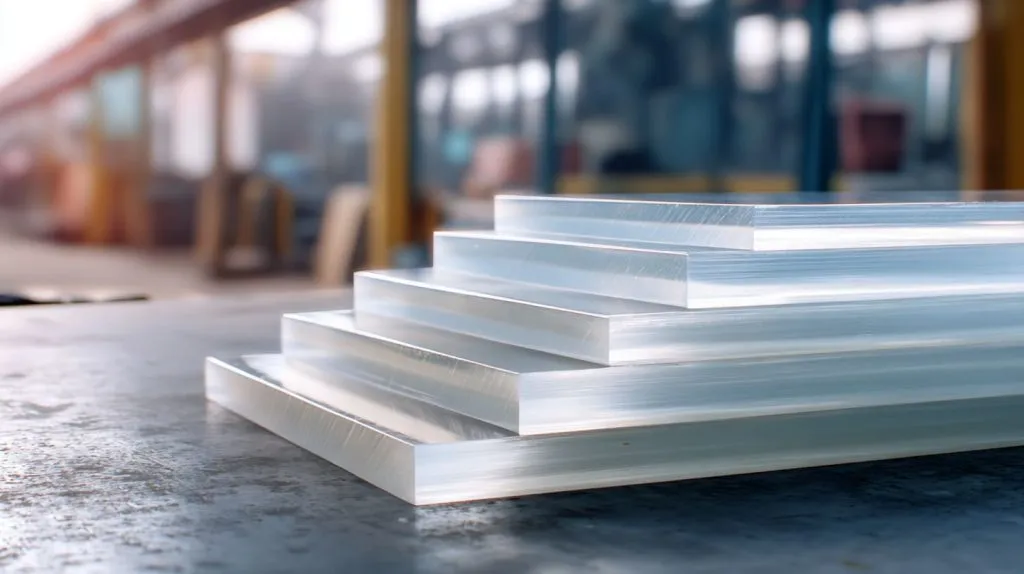
Most days, I deal with clear plastics—cutting them, shaping them, running tests to see how they hold up. But every once in a while, a material surprises me by being quietly better than expected.
That’s how I got to know PETG—polyethylene terephthalate glycol. No one asked for it by name at first. Clients just wanted “something strong, but not brittle… something clear, but not fragile… something affordable, but still professional.” And PETG kept showing up as the answer.
It’s the kind of material that doesn’t need a spotlight. It just works—on packaging lines, display shelves, medical trays, and even in maker spaces. Stronger than acrylic. Easier than polycarbonate. Friendlier than most plastics I’ve worked with.
So let’s break it down—what PETG really is, where it fits, and why more product designers and manufacturers are turning to it when clarity and resilience matter.
What is PETG Plastic?
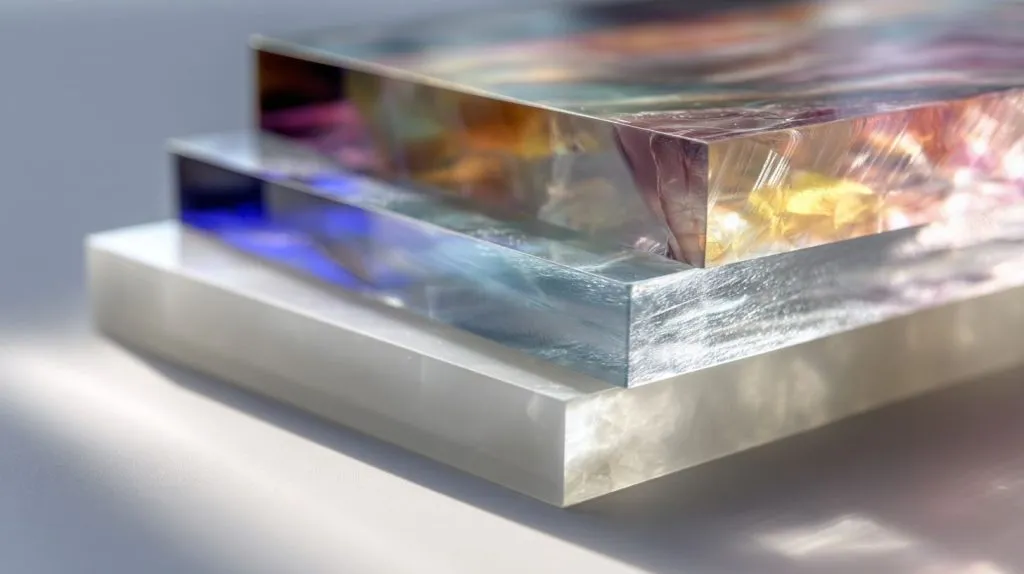
I’ve lost count of how many times I’ve had to explain PETG to new clients. It’s not just another clear plastic. It’s a unique formula with real backbone.
What does PETG stand for?
PETG is short for Polyethylene Terephthalate Glycol-modified. That “G” at the end changes everything. It softens the rigid nature of PET and makes it easier to mold and cut.
How is it different from PET and other plastics?
PET is brittle and hard to shape. PETG? Much more forgiving. It bends before it breaks and responds well to heat without warping into odd shapes.
| Property | PET | PETG | Acrylic (PMMA) |
|---|---|---|---|
| Toughness | Moderate | High | Low |
| Flexibility | Low | High | Low |
| Chemical Resistance | Moderate | Excellent | Low |
| Processing Ease | Low | High | Medium |
Key properties
- Transparency: It’s almost as clear as glass.
- Impact Resistance: Tougher than acrylic.
- Formability: Great for thermoforming or CNC cutting.
- Chemical Resistance: Doesn’t panic around alcohol, oils, or cleaners.
Let me tell you, when a material checks this many boxes, it earns a permanent place on my shelf.
Let’s talk real use cases now—starting with why factories are falling in love with it.
Why Is PETG Popular in Manufacturing?
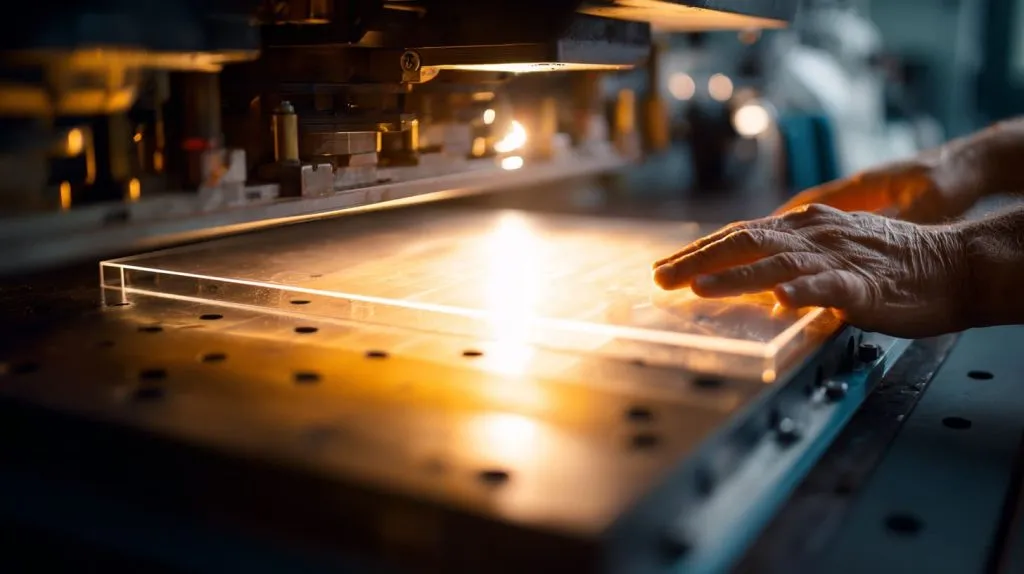
There’s a reason I always keep PETG samples close during factory tours. When clients see how easily it forms and cuts, their eyes light up.
Ease of thermoforming and CNC machining
Unlike acrylic, PETG doesn’t crack when bent or drilled. You can vacuum form it without yellowing or bubbling. Even the CNC guys don’t complain—it doesn’t gum up the tools.
Compatibility with 3D printing
FDM 3D printers love PETG. It sticks well to the bed, prints smooth, and holds its shape under stress. Great middle ground between PLA’s ease and ABS’s strength.
Low cost vs. high versatility
You don’t always need exotic plastics. Sometimes, PETG delivers 80% of the performance for 50% of the cost. That’s why it’s my go-to for functional parts, jigs, and clear covers.
But packaging? That’s where PETG really shows off.
PETG in Packaging Applications
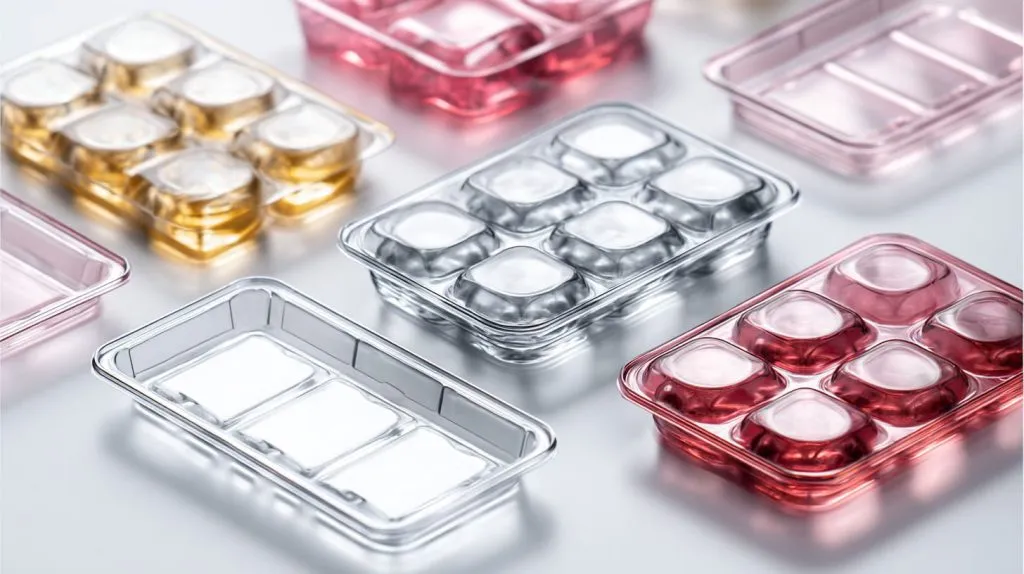
I once watched a packaging client try to decide between PVC and PETG for their cosmetic line. We ran side-by-side tests. PETG won hands down.
PETG for blister packs and clamshell packaging
It’s tough enough to protect but flexible enough to seal easily. Plus, the transparency makes every product look premium.
Food-safe PETG for containers and trays
This part matters—PETG is FDA compliant when formulated properly. I’ve helped clients design bakery trays and chocolate boxes that passed export tests without a hitch.
Comparison with PVC and PLA
| Feature | PETG | PVC | PLA |
|---|---|---|---|
| Food Safety | ✅ | ❌ | ✅ |
| Clarity | High | Medium | Medium |
| Recyclability | ✅ | ❌ | ✅ |
| Ease of Thermoforming | Excellent | Moderate | Poor |
When presentation and safety matter equally, PETG usually comes out on top.
But it's not just for packaging—retail displays love it too.
PETG in Display and Retail Use
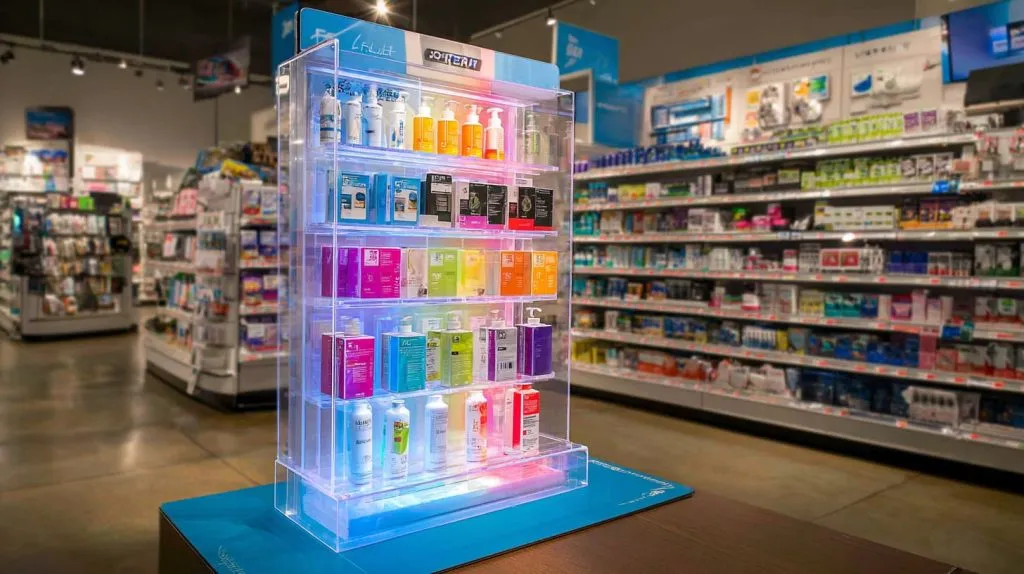
A while ago, I helped Jacky (you’d like him—sharp guy from Canada) with a POP display line. PETG gave him the best of both worlds: impact strength for busy stores, and optical clarity for showing off products.
Custom acrylic-style displays made from PETG
Want something that looks like acrylic but won’t shatter on impact? That’s PETG. Ideal for floor stands, shelf displays, or risers.
Signage, POS displays, brochure holders
PETG cuts clean, holds ink well, and resists the little scratches you get in high-traffic areas.
UV resistance and optical clarity
Not as UV-stable as acrylic, but good enough for most indoor retail settings. And with anti-UV coatings, it performs better than people expect.
Next up, a place where safety meets plastic—medical use.
PETG in Medical and Laboratory Products
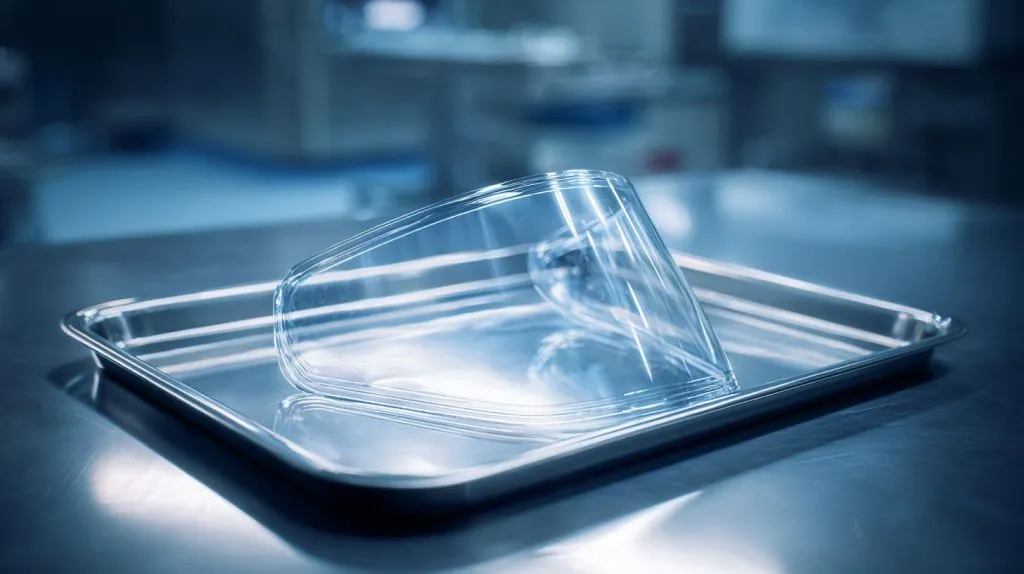
I still remember during the pandemic when suppliers were scrambling for clear shield materials. PETG saved the day. Easy to source, easy to sterilize, and durable under constant cleaning.
Sterile and disposable products
Face shields, test-tube racks, protective barriers—PETG became a quiet hero in clinics and labs.
Use in medical device enclosures and face shields
It's strong enough to resist breakage but safe enough to stay in sterile environments. That’s not easy to find in plastics.
Advantages over acrylic and polycarbonate
| Comparison | PETG | Acrylic | Polycarbonate |
|---|---|---|---|
| Crack Resistance | High | Low | High |
| Sterilization | Good | Poor | Excellent |
| Cost | Lower | Moderate | Higher |
Medical-grade PETG is often the compromise that makes budgets and safety teams happy.
But in recent years, another group started loving PETG—makers.
PETG in 3D Printing
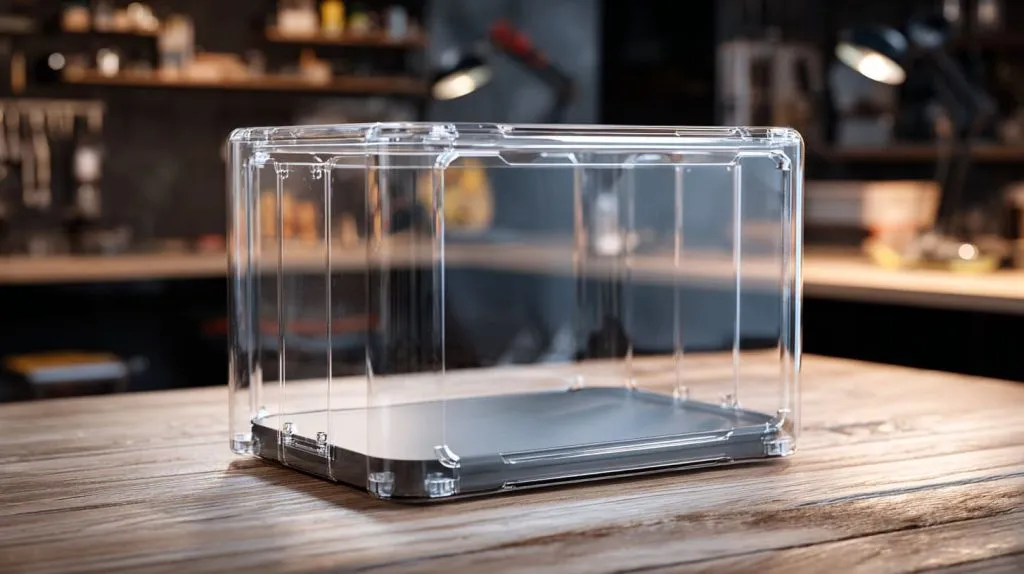
If you’ve ever tried printing ABS in a cold room, you know the pain. Warping, layer splits, frustration. That’s when PETG steps in.
FDM/FFF printer compatibility
It prints between 230–250°C, doesn’t warp easily, and sticks well to PEI or glass beds with minimal fuss.
Ideal applications
- Transparent housings
- Strong mechanical parts
- Living hinges (to some extent)
- Print-in-place hinges and latches
Strength vs. PLA and ease of use vs. ABS
| Feature | PLA | ABS | PETG |
|---|---|---|---|
| Print Ease | ✅✅✅ | ❌ | ✅✅ |
| Strength | ❌ | ✅✅ | ✅✅ |
| Transparency | ❌ | ❌ | ✅✅✅ |
PETG is that sweet spot between friendly and functional. But what if you need heavy-duty sheets for construction or shop floors?
PETG in Industrial and Construction Use

I’ve seen PETG used as machine covers in factories and as sneeze guards in restaurants. It doesn’t just survive—it thrives.
Protective covers and machine guards
PETG doesn’t shatter like acrylic or fog up like polycarbonate. When laser-cut to spec, it fits beautifully on CNC machines, printers, and conveyors.
Use in enclosures and transparent barriers
Think cleanrooms. Think server cabinets. PETG’s clarity and strength keep it on spec.
Weatherability and indoor/outdoor durability
PETG holds up well indoors. Outdoors, it needs UV protection. But with coatings, I’ve seen panels last 3+ years without yellowing.
Now let’s get into something that’s often overlooked—furniture.
PETG in Furniture and Interior Design

Last summer, I helped a brand redesign their modern coffee tables using PETG instead of acrylic. Why? Kids. Corners. Chaos. PETG saved their product line.
Transparent partitions and light panels
PETG is safer in schools and homes because it’s hard to break. And its clarity makes it great for lighting diffusion panels.
Tabletop protective layers
Unlike glass, PETG won’t shatter. And it resists cleaning chemicals, so cafes love using it.
Alternative to acrylic for safety and resilience
Think of it like this: if acrylic is the showroom version, PETG is the version that survives real life.
Still comparing PETG with others? Here’s the breakdown.
PETG vs. Other Clear Plastics
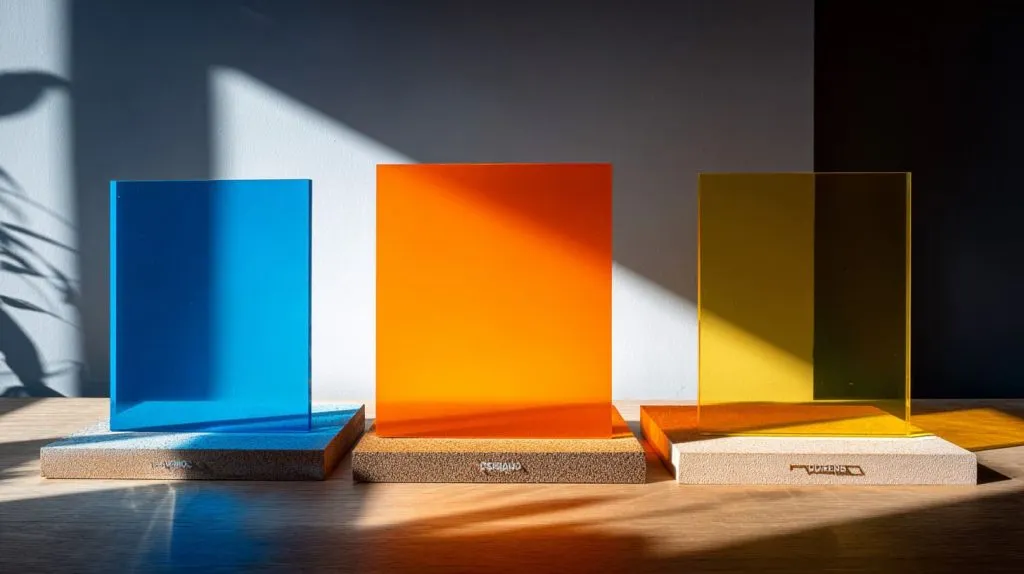
Choosing between PETG, acrylic, or polycarbonate feels like comparing cousins. They’re related, but each has its own quirks.
PETG vs. Acrylic (PMMA)
- PETG: More flexible, less brittle
- Acrylic: Sharper edges, better for outdoor use (without coating)
PETG vs. Polycarbonate
- PETG: Easier to fabricate, cheaper
- Polycarbonate: Better for extreme impact zones
Comparison Table
| Feature | PETG | Acrylic | Polycarbonate |
|---|---|---|---|
| Impact Resistance | High | Low | Very High |
| UV Stability | Medium | High | Medium |
| Price | $$ | $$ | $$$ |
| Workability | Excellent | Good | Moderate |
Now, with sustainability on everyone’s mind—how green is PETG?
Is PETG Recyclable or Eco-Friendly?
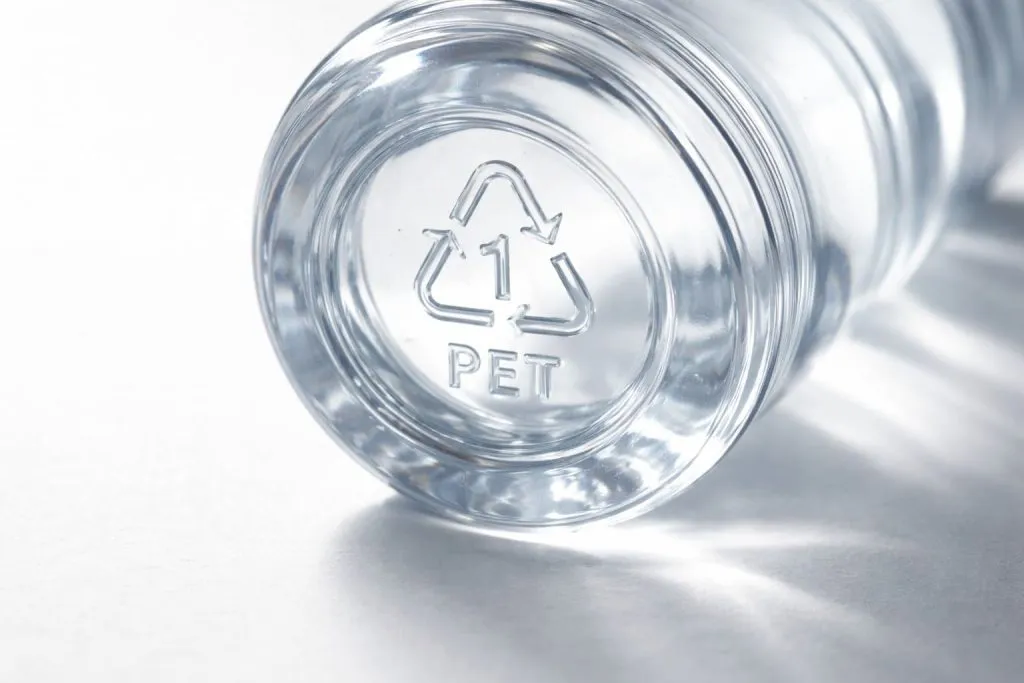
The short answer? Yes. But it’s a little more nuanced than that.
Recyclability code and sorting
PETG is labeled as #1, just like PET. Most recycling systems accept it, though check locally.
Comparison with traditional plastic waste
PETG burns clean, has no chlorine, and doesn’t release dioxins like PVC.
Use in sustainable product design
I’ve seen brands use PETG for reusable packaging and refillable containers. It balances durability with a lighter footprint.
So, you’ve got the material. How do you shape it?
Custom Fabrication Options with PETG
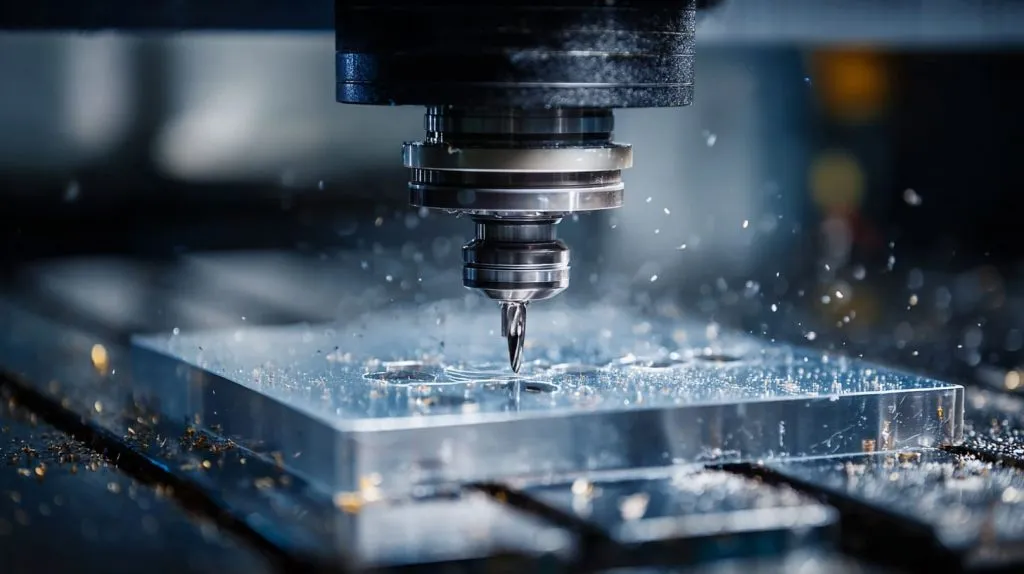
We work with PETG weekly at Feilong. Here’s what I’ve learned.
CNC machining, bending, bonding methods
- CNC: Smooth, clean cuts
- Heat Bending: Works well under low flame
- Bonding: Use solvent cements or adhesives like Weld-On 3
Laser cutting vs. saw cutting PETG
Laser cutting can cloud edges if not dialed in. Saw cutting with the right blade gives more consistent results.
Printing and branding on PETG surfaces
PETG takes screen printing and UV printing well. If you’re branding packaging or displays, it looks clean and pro.
But like all materials, PETG isn’t perfect.
Common Challenges in Using PETG
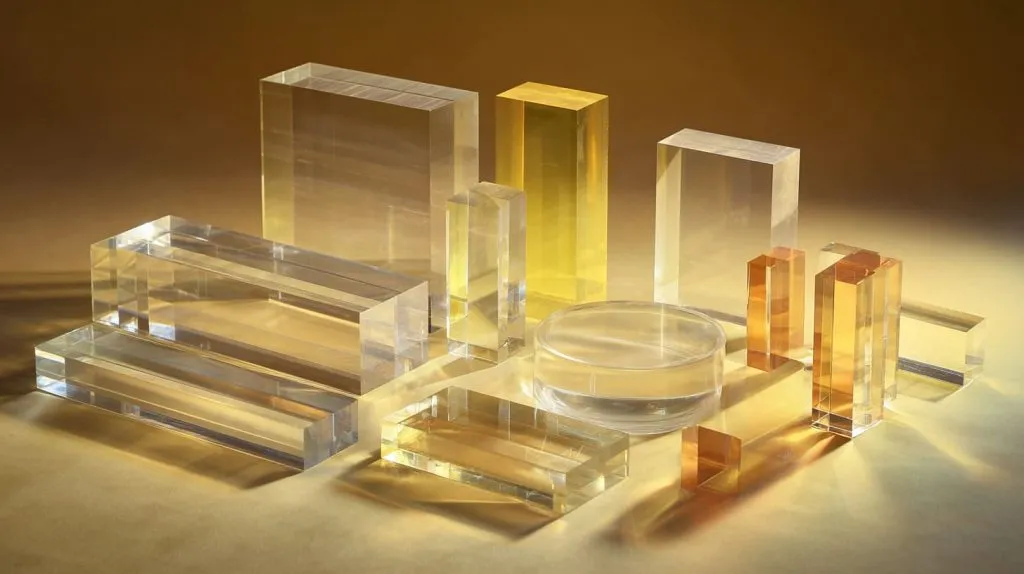
Surface scratching and static issues
PETG scratches more easily than polycarbonate. Anti-scratch films help during handling.
Proper cleaning and storage tips
Use soft cloths. Avoid alcohol. Store flat to avoid bowing.
Warping in high-heat applications
At around 80°C, PETG starts to soften. Keep it out of hot car interiors or near heat vents.
So who’s using PETG right now?
Who Uses PETG the Most?

From global brands to garage tinkerers, PETG shows up everywhere.
Brands and industries adopting PETG
- Retailers (POS displays)
- Medical device firms
- Food packaging suppliers
- Interior design brands
Real-world examples
We’ve made sneeze guards, bakery containers, clear signage holders, and even small aquaponic tanks using PETG.
OEM use cases and custom project examples
Many of our B2B clients request PETG because it works across multiple SKUs with minimal tooling changes.
Conclusion

PETG isn’t the loudest material in the room, but it might just be the most dependable.
If you’re sourcing a clear plastic for retail, medical, or product design—and you want something tough, easy to work with, and affordable—PETG deserves a spot on your spec sheet.
And if you ever want to walk through some samples, I’d be happy to show you what we’ve done with it here at Feilong Acrylic.
Let’s make something clear—and strong—together.