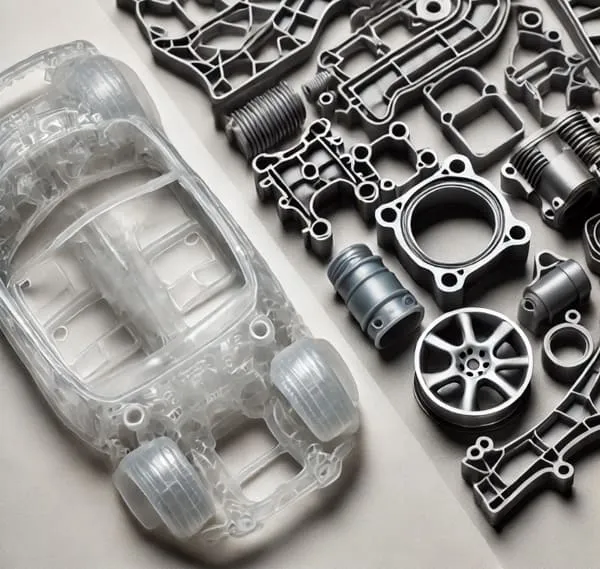
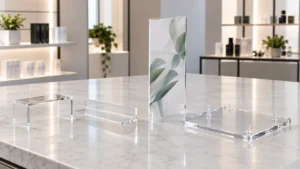
Polypropylene (PP), polyethylene, and polycarbonate (PC) are two popular materials, each with unique properties and strengths, while polyester has its own application. PP, or thermal performance polypropylene, is lightweight and chemical resistant. Unlike polyethylene and polyester, it is great for packaging and automotive parts, which may not offer the same carbon footprint benefits. On the flip side, PC is tough and can handle high temperatures, so it’s often used in thermal performance polypropylene eyewear and safety gear made from polyester and carbon, including pp polypropylene.
Choosing between PP and PC can be tricky. It all depends on what you need. If you want something flexible and cost-effective, go for PP, which is made of propylene. If durability and heat resistance are your priorities, a carbon-based PC is the way. Understanding these differences, such as carbon and pp polypropylene, helps you make smart project decisions.
Key Takeaways
- Polypropylene (PP) is lighter and more flexible than polycarbonate (PC), making it a great choice for applications where weight is a concern, like packaging or automotive parts.
- PP engineering plastic polycarbonate is your best bet if you need something that can withstand impacts without breaking. It's often used in PP polypropylene safety glasses and protective gear because of its high durability as a PP engineering plastic with carbon.
- Regarding processing, propylene PP is easier to mold and shape, saving time and costs in carbon manufacturing. This makes it ideal for products that require complex designs, pp polypropylene and carbon.
- Consider the specific applications: PP, or propylene, is commonly used for everyday items like containers and textiles, while PC, or carbon, shines in areas needing strong, clear materials like eyewear and electronic housings.
- When choosing between PP and PC, consider your project's carbon requirements. If you prioritize strength and clarity, go with polycarbonate; if you want lightness and flexibility, go with polypropylene.
- Always weigh the pros and cons of each material, such as carbon and pp polypropylene, based on your needs. Understanding their differences will help you make informed decisions that benefit your projects.
Differences Between PP and PC
Material Composition
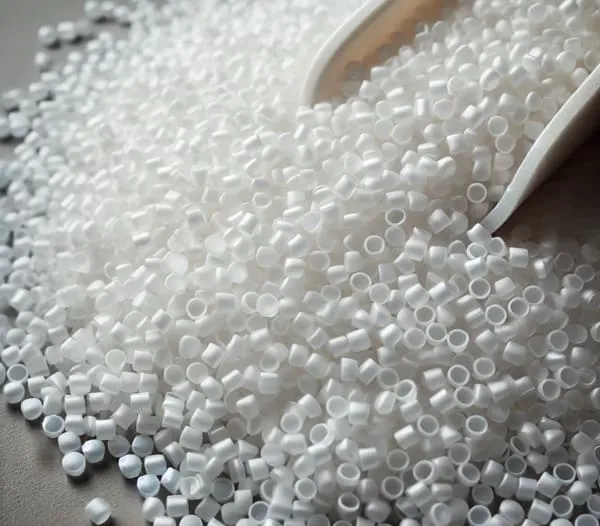
Polypropylene (PP) is a linear hydrocarbon polymer. Its structure consists of repeating units of propylene. This simple structure makes PP materials lightweight and versatile.
Polycarbonate (PC) has a more complex composition. Its production process involves bisphenol A, phosgene, and carbon, including pp polypropylene. The combination of these chemicals creates strong bonds, giving polycarbonate unique properties. The monomer sources for PP and PC differ significantly. While PP comes from petroleum and carbon, PC relies on specific chemical reactions.
Physical Properties
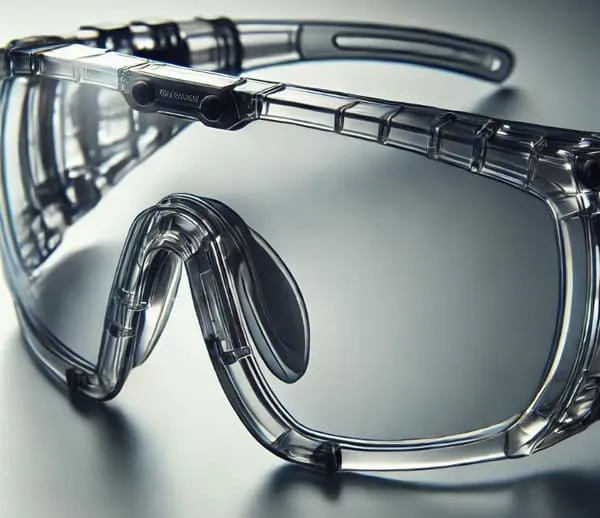
PP is known for its lightweight nature. This makes it easy to handle and transport. Many products use PP because it does not add much weight or carbon. In contrast, polycarbonate is heavier but offers transparency. This feature allows light to pass through, making PC plastics ideal for applications like eyewear lenses or safety shields.
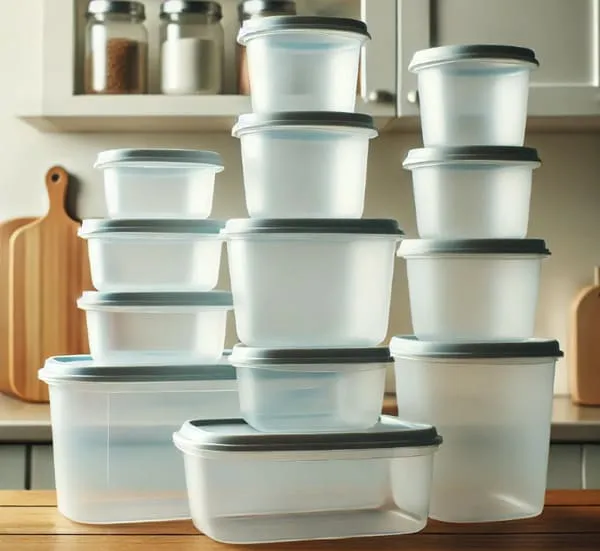
Another key difference is flexibility. Polypropylene is flexible and can bend without breaking, making it suitable for items like PVC containers and packaging. Polycarbonate, however, is rigid and maintains its shape under pressure, making it perfect for structural applications.
Strengths and Weaknesses
Polypropylene has excellent fatigue resistance and can endure repeated stress without failing. However, it has limitations in high-impact scenarios. For example, dropping a heavy object on a PP item may cause cracks.
Polycarbonate shines in impact resistance. It can withstand significant force without shattering. This strength makes it popular for protective gear and safety equipment. Yet, PC is vulnerable to strong alkaline solutions. Exposure can weaken the material over time.
Both materials have their durability strengths in various environments. PP performs well in low-stress situations but may degrade under UV light exposure. PC holds up better against impacts but needs protection from harsh chemicals.
Impact Resistance and Durability
Shock Absorption
Polycarbonate plastic is highly impact-resistant and can handle significant shocks without breaking. This makes it ideal for safety glasses and protective equipment. Polycarbonate also absorbs energy well, which adds to its durability in high-impact applications.
Polypropylene, on the other hand, performs differently. It absorbs lower levels of shock. While it is tough, it may not withstand severe impacts as effectively as polycarbonate. The difference in shock absorption affects product longevity and safety. Products made from polycarbonate tend to last longer in demanding environments.
Long-term Wear
Polypropylene resists wear and tear over time. It maintains its shape and strength even after prolonged use, making it suitable for everyday items like containers and automotive parts.
Polycarbonate faces some challenges under continuous stress. Prolonged exposure can lead to yellowing, which affects appearance. However, it remains strong during regular use. Factors such as temperature and usage frequency also influence the long-term durability of both materials.
- Polypropylene:
- Good resistance to wear
- Maintains strength over time
- Polycarbonate:
- Can yellow with age
- Strong but may weaken under constant stress
Environmental Factors
Polypropylene is highly resistant to environmental stress cracking, which means it is well-suited to harsh conditions and can withstand various chemicals without quickly breaking down.
Polycarbonate is more sensitive to environmental factors. UV rays can cause degradation over time. Moisture absorption can also weaken its structure. These factors can significantly affect the lifespan of products made from polycarbonate.
Understanding these differences helps consumers choose the right material for their needs. For example, if a product will face harsh sunlight or moisture, polypropylene might be a better choice.
Weight and Density Comparison
Lightweight Benefits
Polypropylene (PP) is known for being lightweight. This feature makes it perfect for items that need to be portable. Packaging materials often use polypropylene because it keeps the weight down. This advantage also helps with shipping costs.
Polycarbonate (PC), on the other hand, is heavier. This added weight can limit its use in some areas, like consumer electronics. For instance, a heavy device can feel bulky in your hands. In automotive parts, lighter materials improve fuel efficiency. Therefore, understanding the weight of these materials is crucial in design and manufacturing.
Density Implications
Density plays a significant role when comparing polypropylene and polycarbonate. Polypropylene has a lower density than polycarbonate. Lower density means it takes up less space and is easier to handle, which can influence manufacturing choices.
Material density can also affect shipping costs. Heavier materials like polycarbonate may lead to higher shipping expenses. Moreover, density impacts structural integrity. A denser material can provide better strength but may not always be necessary for all applications.
Application Relevance
Common uses for polypropylene include packaging and medical supplies. Its lightweight nature makes it ideal for disposable items like syringes and containers. These applications benefit from both cost-effectiveness and ease of transport.
Polycarbonate finds its place in industries like electronics and automotive. It’s often used for safety glasses and transparent panels in cars. These applications require durability and clarity, which polycarbonate provides.
Emerging technologies are also exploring new uses for both materials. For example, due to its flexibility, researchers are looking into using polypropylene in 3D printing. Similarly, polycarbonate is being tested for advanced optical devices.
Machinability and Processing
Ease of Shaping
Polypropylene (PP) is easy to shape and works well with injection molding and extrusion processes. These methods allow manufacturers to create a variety of products quickly. Due to its adaptability, plastic containers and packaging items are often made from PP.
Polycarbonate (PC) also has several processing techniques available. Common methods include injection molding and blow molding. These processes help create strong, durable items like safety glasses and electronic components. Both materials offer versatility for custom fabrication. However, polypropylene tends to be more user-friendly for mass production.
Temperature Tolerance
Polypropylene is highly resistant to temperature changes, up to 200°F (93°C). This makes it suitable for various environments, such as outdoor furniture or automotive parts. Its durability ensures that it maintains performance even in changing conditions.
Polycarbonate, on the other hand, excels in high-temperature settings. It can resist temperatures reaching 270°F (132°C), making it ideal for applications like light covers and protective shields. Temperature tolerance differences play a crucial role when choosing materials for specific products. For example, polycarbonate is often the better choice if a product needs to withstand high heat.
Cost Efficiency
Cost-effectiveness is a key factor in material selection. Polypropylene is generally cheaper to produce in mass quantities, making it a popular choice for large-scale manufacturing. Companies benefit from lower costs while maintaining quality.
Polycarbonate tends to be pricier than polypropylene, which can impact budget-sensitive projects. However, PC offers long-term benefits through its durability and strength. Products made from polycarbonate may last longer, reducing replacement costs over time.
When comparing both materials, consider their long-term cost benefits based on performance. If a project requires frequent replacements, investing in polycarbonate might save money in the long run.
Applications and Use Cases
Consumer Products
Polypropylene is widely used in everyday items. Containers for food storage are a common example. People also find polypropylene in textiles, like carpets and clothing. These products are popular because they are lightweight and durable.
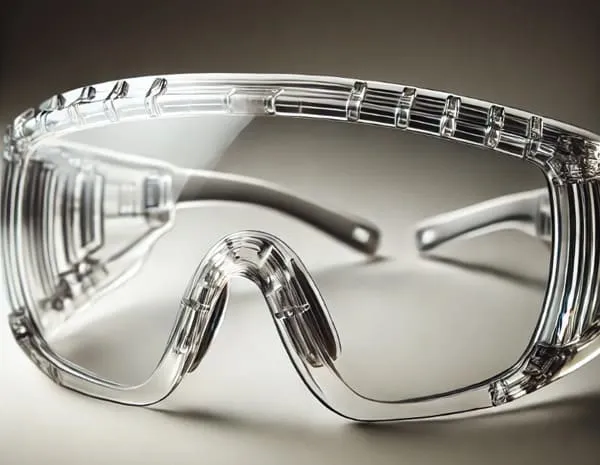
Polycarbonate is often used in consumer electronics, including smartphone screens and laptop cases. It is also common in eyewear, especially safety glasses and sunglasses. Consumers prefer polycarbonate for its clarity and impact resistance, making it a go-to choice for functional products.
Trends show that consumers favor materials based on their needs. Many choose polypropylene for its cost-effectiveness, while others select polycarbonate for its strength and durability.
Industrial Uses
Polypropylene plays a vital role in manufacturing and construction. It is used to create parts for machinery and packaging materials. The material's flexibility makes it suitable for various applications.
Polycarbonate is essential in producing durable components for heavy machinery. Its strength helps ensure these parts can withstand tough conditions, and industries appreciate polycarbonate’s ability to perform under pressure.
Both materials scale well in large industrial settings. Polypropylene can be easily produced in bulk, and polycarbonate is also in high demand due to its versatility.
Specialized Applications
Reinforced polypropylene has unique applications in furniture and automotive parts. Manufacturers use it to create strong, lightweight components, which helps improve vehicle fuel efficiency.
Polycarbonate excels in specialized uses like safety glasses and bulletproof materials. Its impact resistance makes it ideal for protecting people in dangerous situations, and certain markets rely on it for these critical applications.
Due to its properties, each material excels in niche markets. Polypropylene’s affordability attracts budget-conscious consumers, while polycarbonate appeals to those needing high-performance solutions.
Choosing the Right Material
Specific Needs Analysis
Different industries have unique requirements. These specific needs often dictate whether to use polypropylene materials or polycarbonate materials. For example, packaging companies may prefer polypropylene for its flexibility and lightweight nature. Meanwhile, industries that require high-impact resistance, like automotive or electronics, often choose polycarbonate.
Product requirements heavily influence material selection in engineering projects. A medical case study shows that polypropylene is used in syringes due to its safety and chemical resistance. Polycarbonate, on the other hand, is used in safety goggles because of its tough nature. This analysis helps businesses understand which material best fits their goals.
Cost Considerations
Upfront costs differ when sourcing polypropylene versus polycarbonate. Polypropylene tends to be cheaper initially. However, the cost can vary based on market demand and availability.
Long-term financial implications are also important. Polycarbonate might have a higher initial cost but offers durability that can save money over time. For instance, products made from polycarbonate often last longer and require fewer replacements. Factors such as production volume and material quality can lead to cost fluctuations in both materials.
Performance Requirements
Performance benchmarks are crucial for both materials. Polypropylene excels in flexibility and durability under stress. It can bend without breaking, making it suitable for various applications like containers and toys.
Polycarbonate shines in high-impact environments. It withstands significant force without cracking, making it ideal for safety gear and impact-resistant applications. Polycarbonate also performs well in thermal environments, maintaining stability under extreme temperatures.
Each material meets industry standards differently. For example, polypropylene is often used in food packaging because it meets health regulations, while polycarbonate meets safety standards required in eyewear and construction materials.
Final Remarks
Polypropylene (PP) and polycarbonate (PC) each have their perks. PP is lightweight and super easy to process, making it a favorite for everyday items. PC, on the other hand, packs a punch with its strength and impact resistance, making it ideal for tougher applications. Knowing these differences helps you decide which material best fits your needs.
Think about your project requirements. Are you after flexibility or durability? Your choice can make a big difference in performance and cost, so weigh your options carefully. Don’t hesitate to reach out for more insights or guidance. Your next step could lead to better project results!