Skip to content
Did you know that acrylic plastic and polycarbonate, two widely used plastics, are two of the most widely used materials in manufacturing, with a combined market value of over $30 billion? These versatile materials have distinct properties that make them suitable for various applications, from signage to protective eyewear. Understanding the differences between acrylic plastic and polycarbonate is crucial for anyone choosing the right material for their specific needs.
In this post, we'll explore these materials' unique characteristics, strengths and weaknesses, and diverse applications. Whether you're a DIY enthusiast or a professional in the manufacturing industry, knowing how these materials differ can help you make informed decisions about which one best suits your project requirements.

Material Properties of Acrylic vs. Polycarbonate
Optical Clarity
Acrylic is a transparent thermoplastic that is well-known for its excellent optical clarity. This means that when you look through acrylic, it's very clear and easy to see through. Imagine looking through a pair of eyeglasses with crystal-clear lenses – that's similar to how clear acrylic is. On the other hand, polycarbonate also offers good transparency, but it may not be as optically clear as acrylic. If you were comparing the two materials side by side in terms of optical clarity, acrylic would likely come out on top.
Acrylic’s excellent optical clarity makes it ideal for applications where visibility or aesthetics are important, such as aquariums, picture frames, or even car headlight covers.
UV Resistance
One key difference between these two materials lies in their UV resistance properties. Acrylic has better UV resistance than polycarbonate. This means that acrylic is less likely to yellow or become brittle when exposed to sunlight or outdoor conditions over time.
For example, if you were considering using one of these materials for an outdoor sign or a skylight panel on a roof, acrylic's superior UV resistance would make it the better choice because it can withstand prolonged exposure to sunlight without degrading as quickly as polycarbonate might.
Comparing Strength and Durability
Strength
Polycarbonate outperforms acrylic in strength, being significantly stronger and more impact-resistant. This means polycarbonate is less likely to break or shatter upon impact than acrylic. For instance, if you were to drop a polycarbonate sheet and an acrylic sheet from the same height, the polycarbonate one would be less likely to crack.
However, acrylic and polycarbonate may not withstand heavy impacts due to their lower tensile strength. This difference should be considered when choosing between these materials for applications where durability is crucial.
Resistance to Abrasion
. Polycarbonate exhibits higher resistance against scratching compared to acrylic. This makes it suitable for use in environments with a high chance of surface damage due to rubbing or scraping.
In contrast, acrylic can maintain good clarity after many years of use, but it is more prone to scratching than polycarbonate. If your application involves frequent contact with abrasive materials or surfaces, you might want to opt for polycarbonate instead.
Visibility and Temperature Tolerance Differences
Optical Clarity
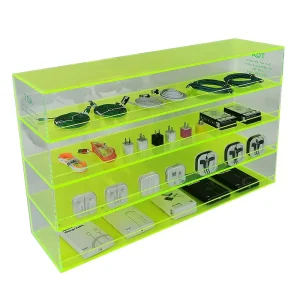
Acrylic offers exceptional optical clarity with minimal distortion, making it ideal for high-visibility applications. This means that things appear clear and sharp when you look through acrylic. For instance, if you use acrylic for a display case or picture frame, the items inside will be seen without visual interference. On the other hand, polycarbonate has slightly lower optical clarity compared to acrylic. Due to its chemical composition, it might have some slight distortion when looking through it.
Because of its molecular structure, polycarbonate maintains its impact resistance even at low temperatures. However, this can lead to a slight compromise in optical quality compared to acrylic.
Temperature Tolerance
Both materials have different capabilities. Acrylic can withstand temperatures up to 180°F (82°C), making it suitable for various indoor applications where the temperature is controlled and doesn't reach extreme levels. Due to its temperature tolerance, acrylic would be an excellent choice for indoor signage or protective barriers.
On the other hand, polycarbonate can handle higher temperatures than acrylic; it remains stable at up to 240°F (115°C). Because of this higher heat resistance capability, polycarbonate is often used in outdoor settings where exposure to direct sunlight and fluctuating temperatures is common - think about greenhouse panels or outdoor signs that need durability against varying weather conditions.
Machining Acrylic and Polycarbonate
Ease of Machining
Acrylic is simpler to machine compared to polycarbonate. It can be easily drilled, cut, and shaped using regular tools found in most workshops. This makes it a popular choice for DIY projects or small-scale manufacturing where simple machining processes are involved.
On the other hand, polycarbonate demands specialized machining techniques due to its toughness and tendency to melt under high-speed cutting. This means that working with polycarbonate requires more advanced equipment and expertise, making it less accessible for amateur machinists or small businesses without the necessary resources.
Both materials have advantages. While acrylic is easy to use for basic operations, polycarbonate's strength and durability make it suitable for applications requiring more robust components.
Polishing Capabilities
In terms of finishing touches, both acrylic and polycarbonate can be polished to achieve a smooth finish. However, the process may differ slightly between the two materials.
For acrylic, polishing involves removing any imperfections on the surface by using abrasives before finishing with a polishing compound. This results in a clear and glossy appearance that enhances its visual appeal.
While it can also be polished similarly to acrylic, its higher resistance against impacts means that achieving a smooth finish might require additional effort. The material's toughness often leads manufacturers towards utilizing specialized methods such as flame polishing or chemical vapor polishing to attain the desired level of clarity.
Applications of Acrylic and Polycarbonate
Common Applications
Acrylic plastic is widely used in signage, display cases, lighting fixtures, and architectural applications. It's also commonly employed for greenhouse glazing, skylights, and protective barriers. Conversely, polycarbonate has applications in safety goggles, bulletproof windows, automotive parts, and electronic components. Like acrylic plastic, polycarbonate is suitable for greenhouse glazing, skylights, and protective barriers.
Acrylic is often chosen for its clarity and UV resistance in signage or display cases. Its ability to be easily molded into various shapes makes it popular for lighting fixtures and architectural elements like decorative panels. Meanwhile, polycarbonate, known for its exceptional strength and impact resistance compared to acrylic, is preferred in safety goggles due to its ability to withstand high-impact forces without shattering.
Both materials are favored options for greenhouse glazing due to their lightweight nature while providing adequate protection from the elements. They are also utilized in skylights because of their durability against weathering effects such as hail or heavy rain.
Versatility in Glazing
Regarding glazing applications, acrylic offers excellent optical clarity similar to silicate glass but at half the weight with improved impact resistance. This makes it an ideal choice for areas where both aesthetics and durability are crucial, such as commercial building window replacements or bus shelter panels.
On the other hand, polycarbonate, with its superior impact resistance compared to acrylic, becomes a top pick when considering safety features such as bulletproof windows or security barriers that require maximum protection against forced entry attempts.

Environmental Impact and Recyclability
Acrylic's Recyclability
Acrylic is recyclable but not as widely accepted in recycling programs as polycarbonate. It can be recycled into new products, but the process is not as common.
Acrylic has a lower environmental impact compared to traditional materials like glass. Its recyclability makes it an environmentally friendly choice for various applications, such as windows and enclosures.
Polycarbonate Recycling Processes
Polycarbonate can be recycled into new products through various processes, making it more versatile. This material's high impact resistance makes it suitable for reuse in different ways.
Both acrylic and polycarbonate have a lower environmental impact than traditional materials like glass, reducing their overall carbon footprint.
Cost Analysis of Acrylic Plastic versus Polycarbonate
Affordability:
Acrylic is generally more affordable than polycarbonate, making it a cost-effective option for many applications. For instance, replacing windows in your home or office with acrylic could be a budget-friendly choice. The lower cost of acrylic makes it an attractive option for projects with tight budgets.
On the other hand, polycarbonate's higher price is justified by its superior impact resistance and durability. This material is often used when strength and resilience are crucial, such as bullet-resistant windows or safety goggles. While polycarbonate may come with a higher initial investment, its long-term durability can make it a cost-effective choice for specific uses.
Application Considerations:
When evaluating the cost-effectiveness of each material, the specific application and required properties should be carefully considered. For example, suppose you need to construct a greenhouse or create outdoor signage that requires protection from UV rays. In that case, acrylic might be the more economical due to its lower cost and adequate weather resistance.
However, if you're working on a project that demands high-impact resistance and toughness – like manufacturing machine guards or constructing vandal-proof bus shelters – investing in polycarbonate could be more financially sensible over time due to reduced maintenance costs and longer lifespan.
acrylic plastic VS polycarbonate
| Acrylic Plastic | Polycarbonate |
|---|---|
| Less impact resistant | More impact resistant |
| More brittle | More flexible |
| Lower melting point | Higher melting point |
| Lower cost | Higher cost |
| Less UV resistant | More UV resistant |
Guidelines for Choosing Between Acrylic and Polycarbonate
Impact Resistance
When choosing between acrylic plastic and polycarbonate, it's crucial to consider the level of impact resistance required for the application. Polycarbonate offers higher impact resistance than acrylic, making it suitable for applications where durability is paramount, such as in safety shields, machine guards, or bullet-resistant windows. On the other hand, if the application involves minimal risk of impact damage, acrylic may suffice due to its lower impact strength.
Optical Clarity and Visibility
Another important consideration is the need for optical clarity and visibility. If your project requires exceptional transparency and superior light transmission, acrylic might be more suitable due to its excellent optical clarity. For instance, display cases or protective barriers in museums often utilize acrylic because it showcases items with minimal distortion.
Temperature Range
Assessing the temperature range in which the material will be used is essential. While both materials offer good temperature resistance, it's important to note that polycarbonate has a higher heat deflection temperature compared to acrylic, making it more suitable for applications exposed to high temperatures without significant deformation.
Machining Requirements
When deciding between these two materials, factor in the machining requirements and tools available. While both can be machined using similar tools like saws or routers, working with polycarbonate might require extra care due to its tendency to melt under certain cutting conditions.
Budget Constraints and Cost-Effectiveness
Budget constraints and overall cost-effectiveness play vital roles in decision-making. While both materials have advantages, polymer polycarbonates are typically more expensive than acrylics, so budget considerations could significantly influence your choice.
Industry or Regulatory Requirements
Lastly, consider any specific industry or regulatory requirements that may govern your choice between these materials. Some industries may have strict regulations regarding material properties such as fire retardancy or chemical resistance—factors that could sway your decision towards one material over another based on compliance needs.
Closing Thoughts
You've now seen the stark differences between acrylic and polycarbonate, from material properties to environmental impact. Considering factors like strength, visibility, and application requirements is crucial. Remember, while acrylic may offer better clarity, polycarbonate takes the lead in durability. Your choice ultimately depends on what matters most for your specific project or application.
As you weigh your options, remember that understanding the distinct characteristics of these materials is critical to making an informed decision. Whether for a DIY project or industrial use, the right choice between acrylic and polycarbonate can make all the difference in the outcome. So, take your time to assess your needs and make a choice that aligns with your priorities.