Skip to content
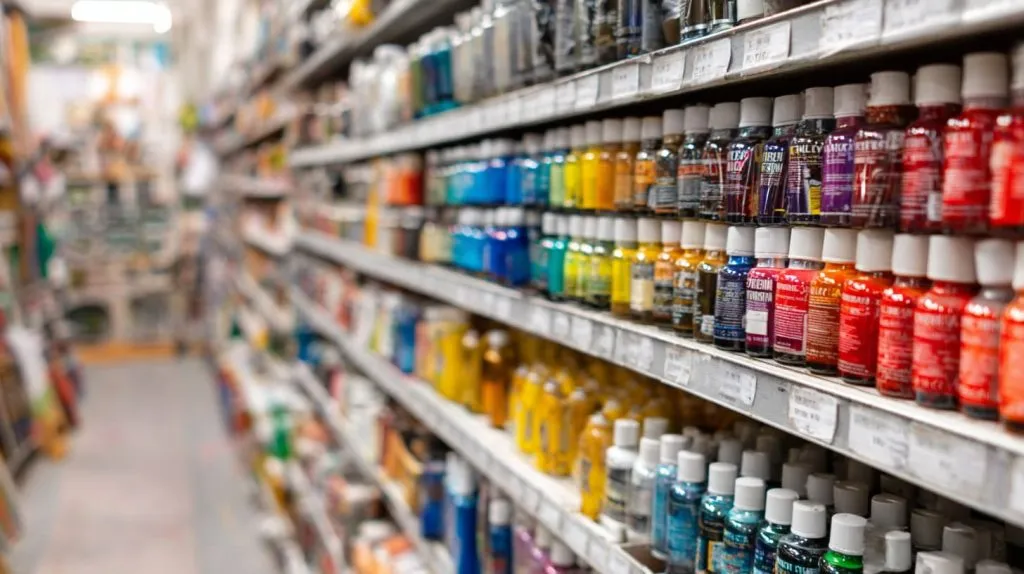
You're standing in the art supply aisle, trying not to overthink it—but there they are: rows of acrylic paints, neatly arranged in tubes on one side and bottles on the other. One promises control, the other promises flow. Both claim to be beginner-friendly, yet neither comes with a clear sign saying, start here.
I’ve been in that same spot more times than I care to admit—shopping for a workshop, testing samples for a packaging redesign, or helping a new artist friend get started. It’s a small choice that can quietly shape how someone learns to paint. This post is for anyone staring at those shelves, wondering which one gives you more room to grow.
Let’s break it down together—no jargon, no guesswork, just honest insights from the ground up.
Ready to uncap some insight? Let’s unpack the packages.
Understanding the Packaging Types
What is an Acrylic Paint Tube?
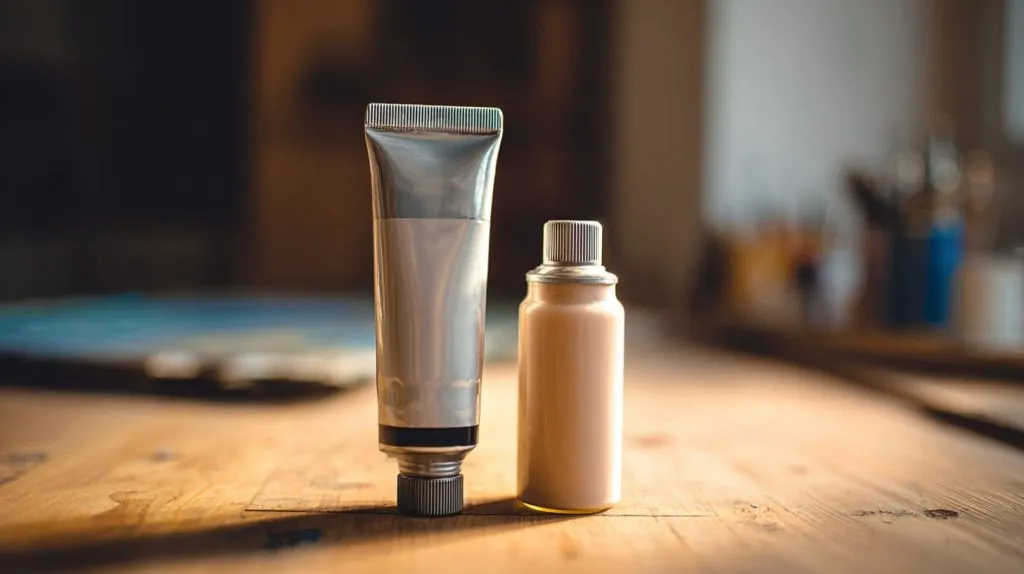
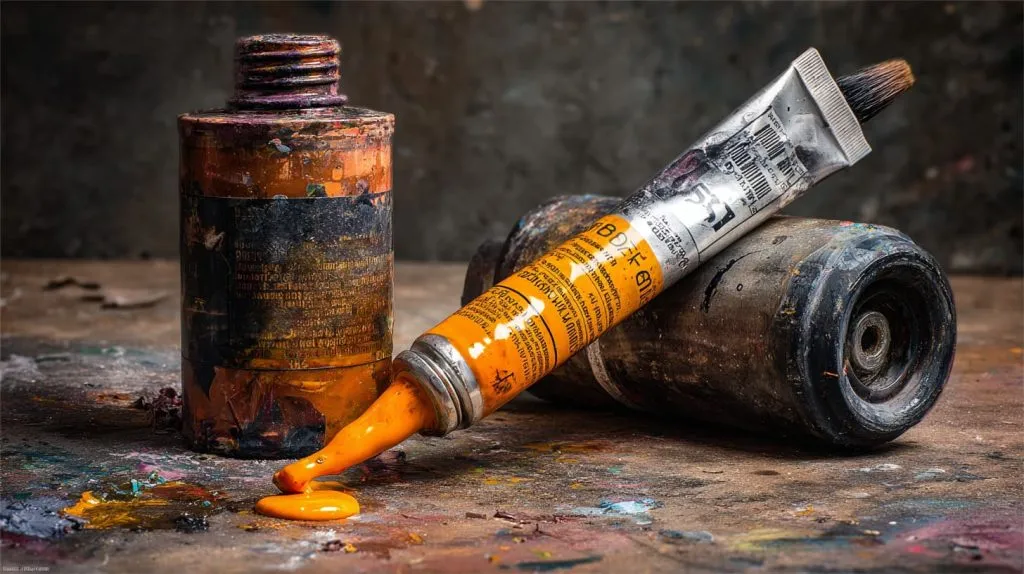
Think toothpaste but thicker: aluminum or laminated plastic keeps light and air out. Sizes range from 22 ml travel sticks to chunky 200 ml studio workhorses. Twist the cap, squeeze, and a buttery ribbon lands right where you want it. Those rigid walls hold a “heavy body” formula that lets brushstrokes sit tall—perfect for texture junkies.
What is an Acrylic Paint Bottle?
Flip-cap or pump? Both live in recyclable PET or HDPE. Inside you’ll find “soft body,” “fluid,” or “high-flow” blends that pour like warm honey. A gentle press can flood a palette, fill an airbrush cup, or drip directly on canvas for pour-painting. Mass-market craft brands love bottles because they’re cheap to mold and ship.
A quick breather before we get messy—next up, a head-to-head that’s less myth, more measurable.
Comparing Acrylic Tube vs Bottle: Key Factors
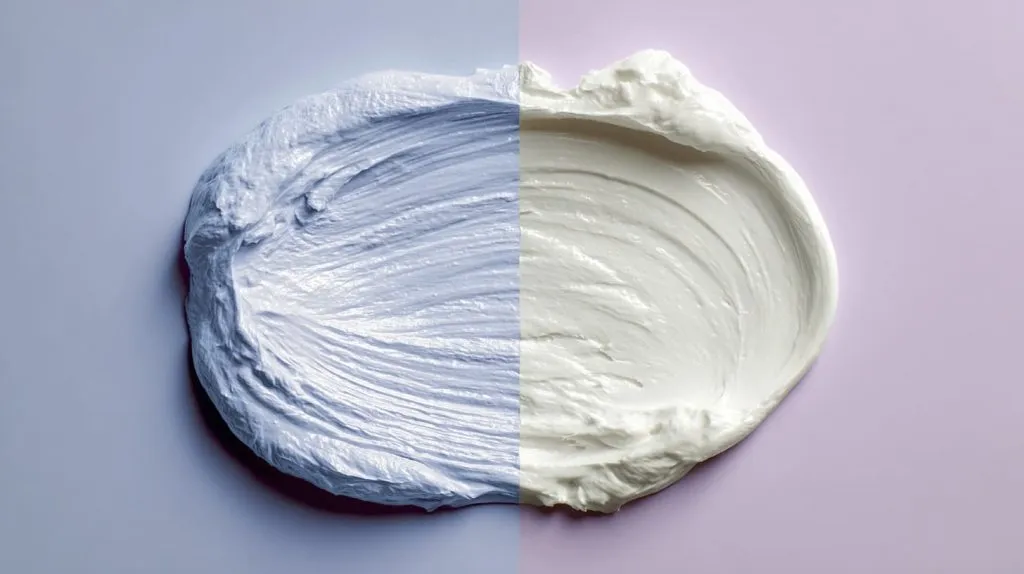
1. Paint Consistency and Texture
| Format | Typical Viscosity (KU) | Ideal Techniques | Notes |
|---|---|---|---|
| Tube | 80–95 | Impasto, palette-knife, dry-brush | Holds peaks |
| Bottle | 40–60 | Glazing, pouring, airbrush | Self-leveling |
A tube feels like cold butter; a bottle feels like melted ice cream. Those differences decide whether your brush leaves a ridge or a puddle.
2. Control and Precision
Tubes act like a syringe—you push, you stop, paint obeys. Bottles ask gravity to help, so tiny dots can turn into accidental lakes. Fine-liners and detail painters usually keep at least one tube on standby for edges and highlights.
3. Paint Dispensing and Waste
Ever rolled up a nearly empty toothpaste? Same move saves the last drops in a tube. Bottles leave a “dead zone” under the pump, unless you decapitate and scrape. For budget hawks, that waste can add up.
4. Storage and Shelf Life
| Factor | Tube | Bottle |
|---|---|---|
| Air exposure | Low | Medium |
| Mold risk | Rare | Higher (if cap crusts) |
| Average life* | 5 yrs | 3 yrs |
*Manufacturer sealed, room temp, no direct sun.
5. Price and Volume
| Size | Tube Price (USD/ml) | Bottle Price (USD/ml) |
|---|---|---|
| 60 ml | $0.15 | $0.11 |
| 500 ml | $0.09 | $0.07 |
Bottles win bulk economics; tubes win small-batch splurges.
6. Portability and Convenience
Tubes slip into a cargo pocket without leaking. Bottles resent being upside-down in a backpack. If you paint on a windswept dock like I sometimes do, you’ll treasure that screw-top tube.
Still with me? Good—because choosing gear means knowing who you are as a painter.
Beginner Use Cases: Who Should Use What?
Hobby Artists & Students
Classroom tables love bottles: big volume, lower price, easy cleanup. Yet I advise students to keep a primary-color tube set for texture studies. Mixing formats builds muscle memory fast.
Craft and DIY Users
Stenciling 200 gift bags? A squeeze bottle’s flip-cap acts like a ketchup bottle at a barbecue—speed over subtlety. Pair it with sponge dabbers and watch production time drop.
Kids or School Projects
Safety folks note: wide-mouth bottles prevent cap swallowing, and pumps control mess. Still, one tube of titanium white helps tiny hands learn how thick paint can stand.
Now, what do the veterans and vendors think of all this? Let’s eavesdrop.
What the Pros Say: Industry and Artist Opinions

Summary of Manufacturer Recommendations
- Liquitex labels heavy-body tubes “for impasto” while steering fluid lovers to squeeze bottles.
- Winsor & Newton markets tubes as “archival” because their liners block UV better.
- Arteza splits the difference with 60 ml pouches—portable, squeezable, less waste.
Community Feedback (Reddit, Quora, Amazon)
- Reddit beginners rave about pump bottles for Dutch pours but gripe about clogged nozzles.
- Quora hobbyists vote tubes best for color-mix discipline—small dabs teach restraint.
- Amazon reviews show parents rating bottles five stars for “no tube caps rolling under sofa.”
Advice is useful; action is better. Let’s prep your first shopping list.
Tips for First-Time Buyers

Start with a Mixed Kit
Grab a 12-color tube set plus three 118 ml bottles of high-flow primaries. This combo lets you taste both worlds without draining your wallet.
Check Paint Labels
Look for plain terms: soft body, medium body, fluid. Ignore marketing fluff like “artist-approved glow.” Viscosity charts beat adjectives every time.
Invest in Storage
Airtight bead boxes keep tube caps from vanishing. For bottles, wipe spouts with a damp rag before closing—future you will thank present you.
We’ve swirled through facts and stories; time to land the brush.
Conclusion

When I teach workshops, I hand out one tube and one bottle to each student and say, “Paint a sunrise with both.” Halfway through, they see it: thicker clouds from the tube, smoother horizon from the bottle. Neither format is “better.” Tubes shine when texture, precision, and portability rule. Bottles rule when volume, speed, and flow matter most.
My closing advice? Start small, stay curious, and let the project dictate the package. Your sunrise—and your paint budget—will thank you.