Skip to content
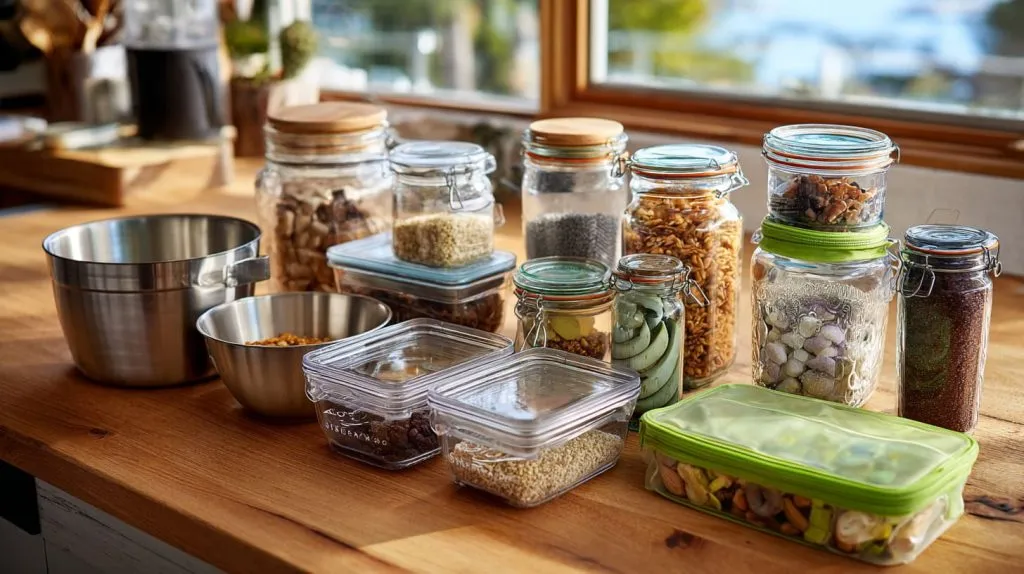
I used to think every leftover belonged in a plastic tub—until tiny news clips about microplastics kept me up at night. Panic? Yes. But also a spark for change.
Safe alternatives include glass, stainless steel, and food‑grade silicone; all three avoid microplastic shedding and withstand daily use without leaching harmful chemicals.
Last winter I watched warm tomato soup stain yet another flimsy box orange. That smell of hot plastic pushed me to hunt down containers that respect both my food and my peace of mind.
What is the best food storage container without microplastics?
Opening a clean fridge feels great, but spotting plastic film floating in yesterday’s stew is anything but appetizing.
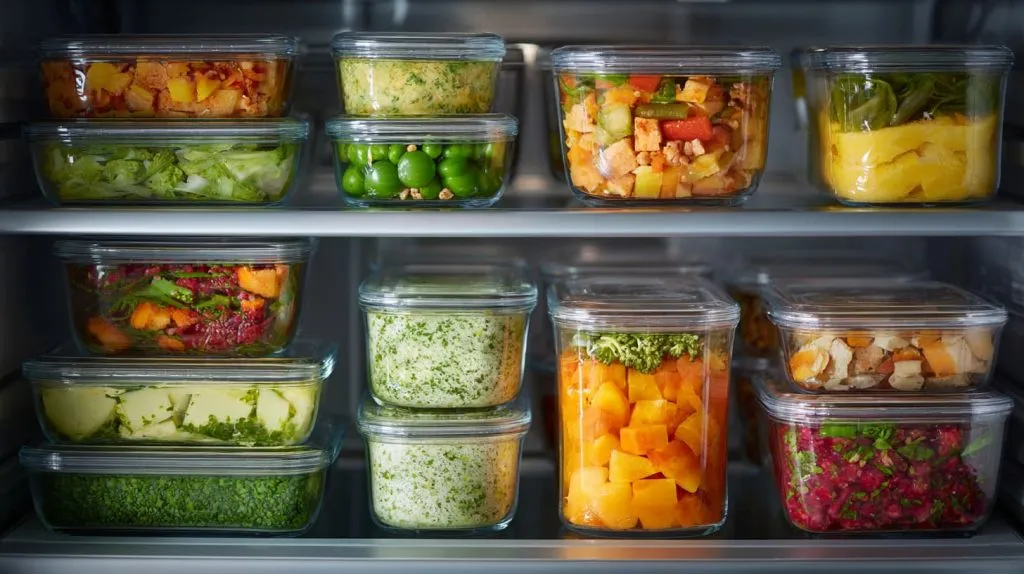
Tempered glass jars or dishes score highest because they are non‑porous, dishwasher‑safe, and release zero microplastics—even after hundreds of heating cycles.
Why I trust tempered glass
Glass never scratches, so bacteria have nowhere to hide. I dropped a jar once; it shattered spectacularly, yet not a shard landed in the lasagna it held. Its main downside? Weight.
| Feature | Tempered Glass | Plastic |
|---|---|---|
| Microplastic risk | None | High |
| Dishwasher lifespan | 1000+ cycles | <300 |
| Stain resistance | Excellent | Poor |
What is the healthiest material for food storage?
Ever smelled a sour hint after reheating curry? That’s usually plastic’s fault.
Inert materials—borosilicate glass, 304 stainless steel, and food‑grade silicone—rank as the healthiest because they resist acids and fats without releasing endocrine‑disrupting chemicals.
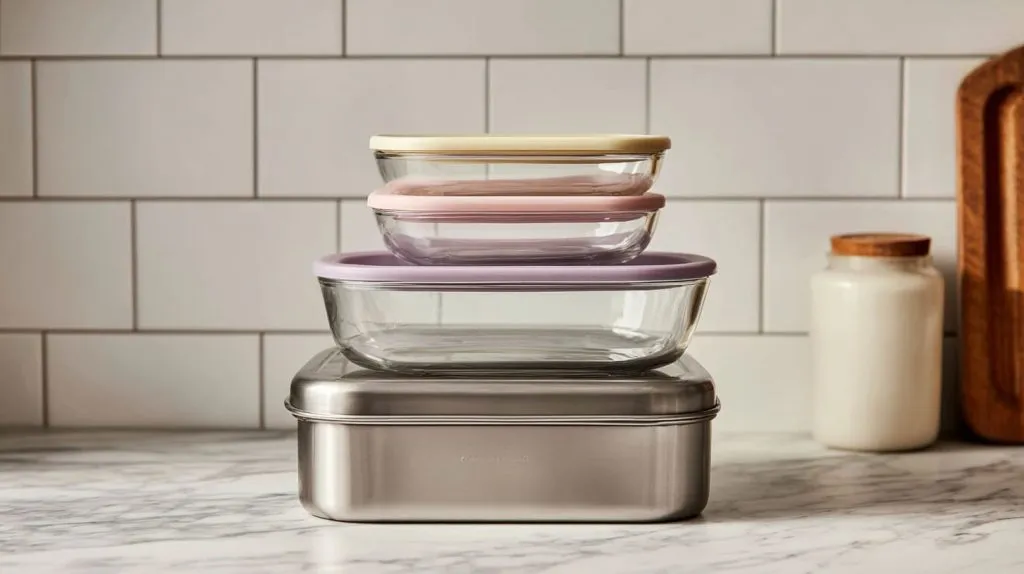
How “inert” looks in real life
When I swapped to steel lunch boxes, my salad tasted only like salad. No phantom aroma of last week’s chili. The science matches the experience: no BPA, no phthalate migration.
What to replace plastic food containers with?
I started with one glass baking dish, then added silicone stretch lids and a slim steel bento for work.
A practical swap kit: glass for bulk meals, silicone bags for the freezer, and stainless tins for grab‑and‑go snacks.
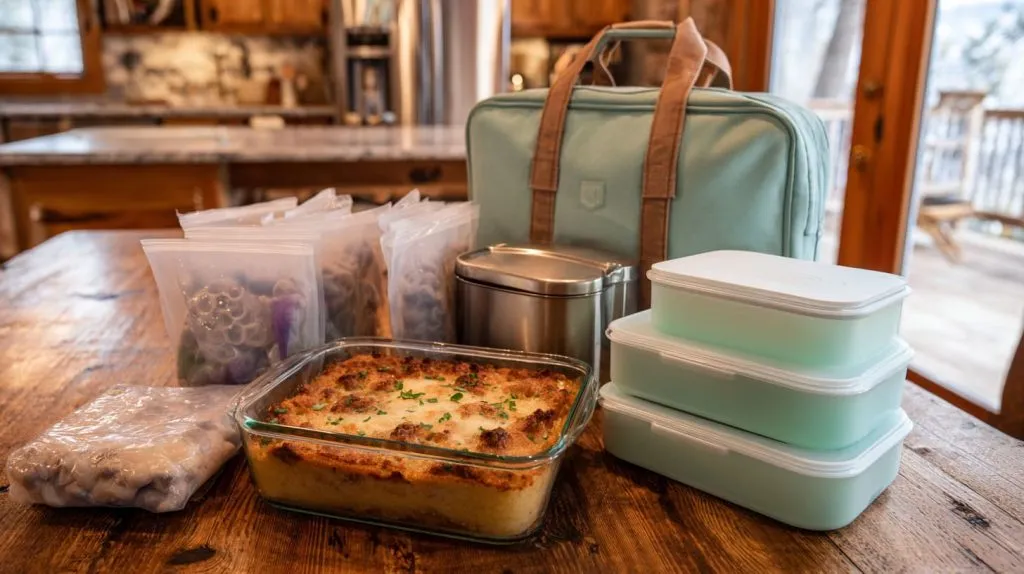
Starter checklist
- Glass: oven‑to‑table convenience
- Silicone: foldable, freezer‑friendly
- Steel: indestructible, lightweight
| Situation | Best Alternative | Why It Works |
|---|---|---|
| Batch cooking | 2 L glass dish | Resists thermal shock |
| Office lunch | Steel bento | No leaks, stays cool |
| Freezer portions | Silicone pouch | Flexible at ‑20 °C |
Do all plastic containers leach microplastics into food?
I once sifted pasta through a strainer and found cloudy flakes swirling around. Plastic lid wore down.
Most plastics shed micro‑sized fragments over time, especially when scratched, heated, or exposed to acidic sauces.
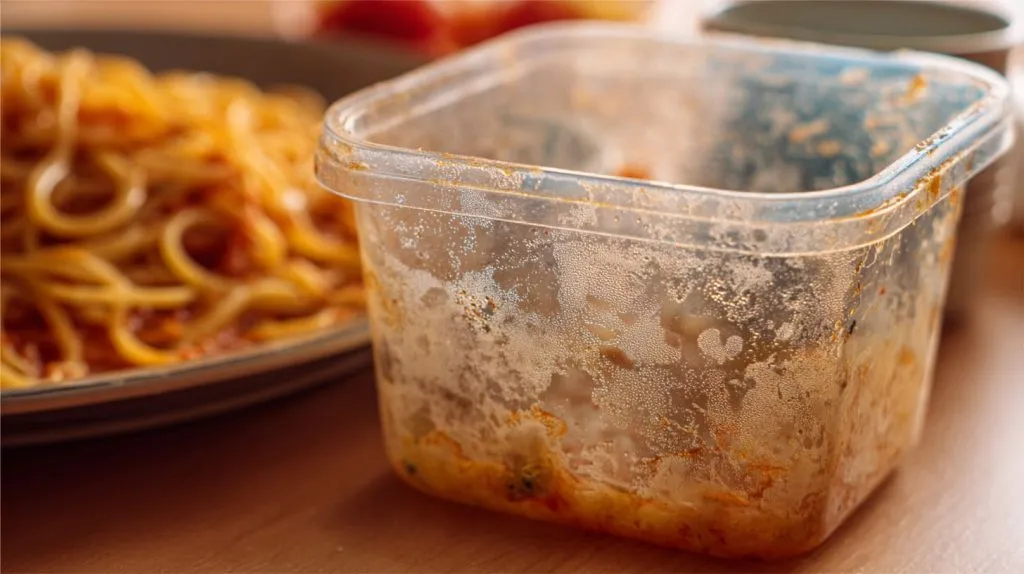
Heat, scrape, repeat—the shedding cycle
A 2024 study linked boiling tomato sauce in polypropylene tubs to a sharp rise in microplastic count. Even so‑called “BPA‑free” variants did not escape wear.
Is it better to store your food in glass or plastic containers?
Choosing between the two felt economical at first—until taste and health weighed in.
Glass wins for safety and longevity; plastic only edges ahead on weight and initial cost.
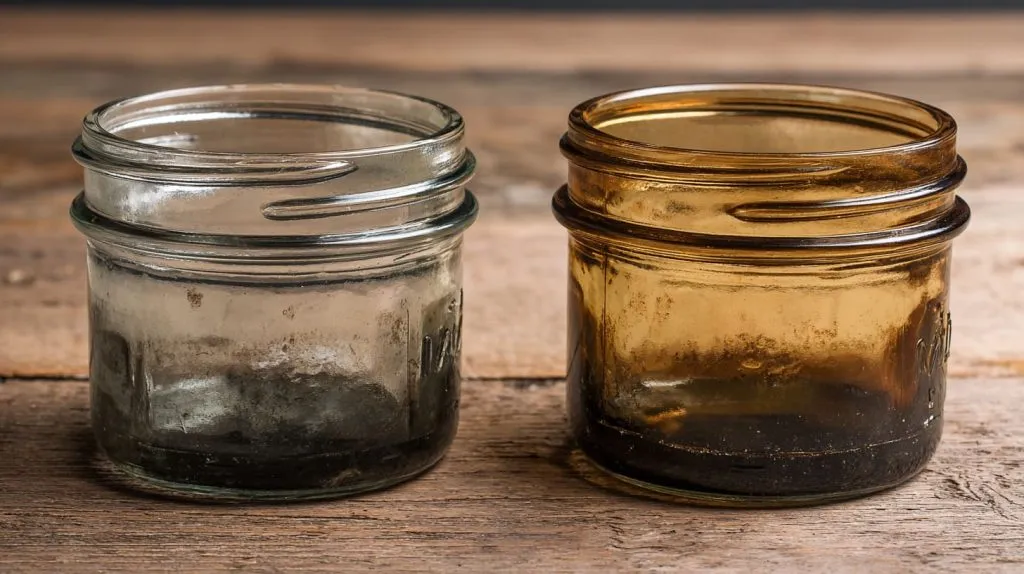
Cost vs. value
I paid $25 for a glass set five years ago. They still click shut. The $12 plastic bundle? Cracked within a year. Long run math favors glass.
Is silicone safer than plastic for food storage?
Silicone looked suspiciously like rubber, and I hesitated—until I read the specs.
Food‑grade silicone is heat‑stable up to 200 °C and chemically inert, making it safer than most household plastics.
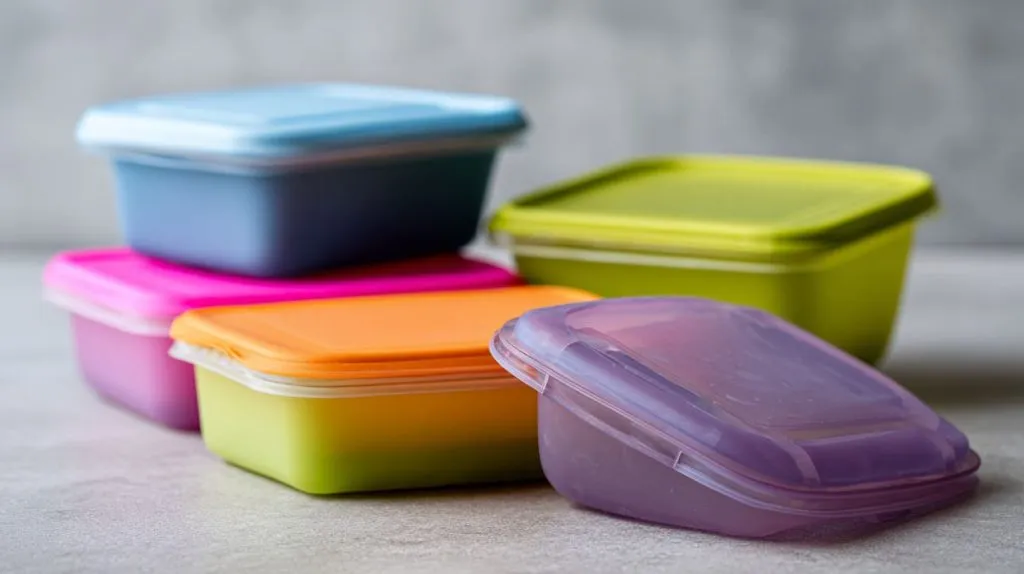
Misunderstood material
Silicone’s backbone is silica—think beach sand, not petroleum. It stays flexible and leak‑proof, but choose platinum‑cured products for the cleanest profile.
Is it safe to store food in stainless steel bowls?
My grandmother stirred soup in a dented steel pot for decades without fuss.
Yes—304 or 316 stainless steel resists corrosion, holds no smells, and neither chips nor leaches metals into most foods.

Acid test
I left lemon vinaigrette in a steel bowl overnight; no metallic tang in the morning. Nickel‑sensitive folks should still verify grade markings.
Conclusion
Ditching plastic felt daunting, but glass, silicone, and steel proved lighter on my conscience and, surprisingly, on my wallet over time.