Skip to content
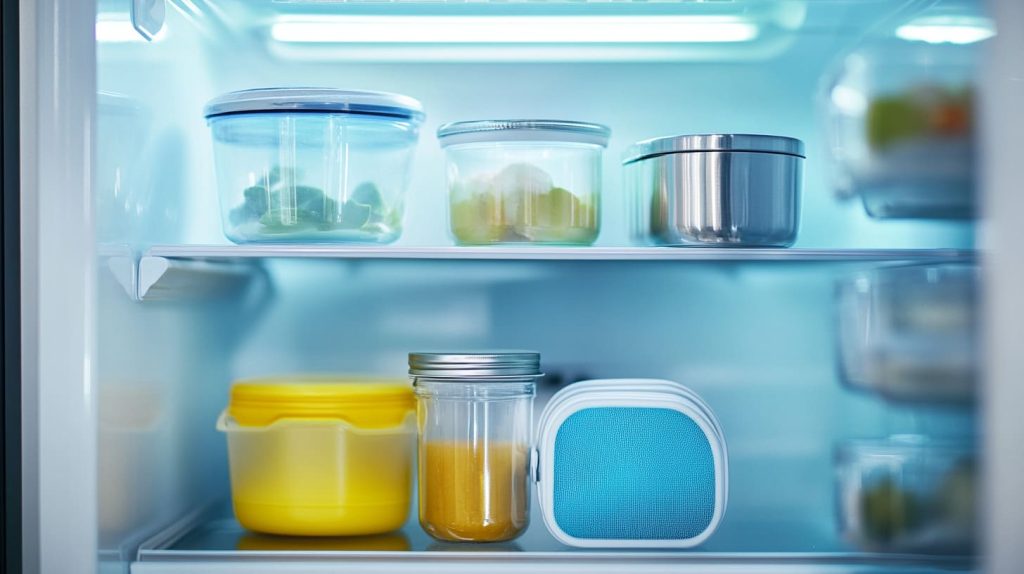
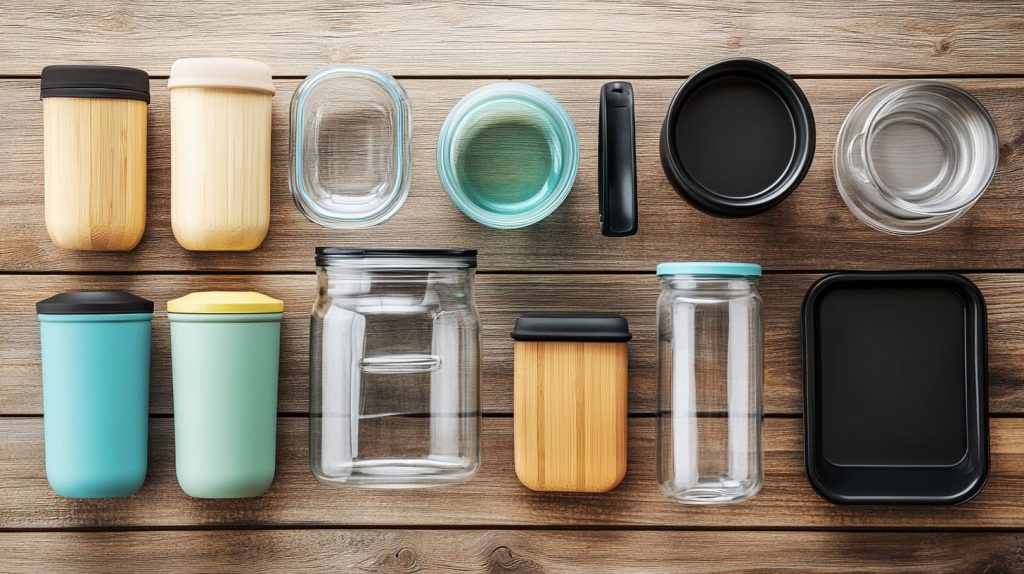
The fridge door clicks open. Inside, a familiar mix waits—glass jars stacked neatly, plastic tubs in every shape, a steel box tucked in the corner, and a silicone pouch wedged between them. This small daily scene says a lot about how we store food. Each container carries its own story: why I bought it, when it worked perfectly, and when it didn’t.
Choosing the right material isn’t just about keeping food fresh. It’s also about safety, durability, and even how it feels to handle and clean them every day. Over the years, testing different materials has taught me where each one shines—and where they fall short.
In this guide, I’ll walk you through the real-world pros and cons of each option, so you can pick the right storage solution for your kitchen or your next product design.
Ready? Let’s lift the lid and see why the stuff around our food matters more than we think.
Why Material Choice Matters
Food-Safety Regulations & Chemical Leaching
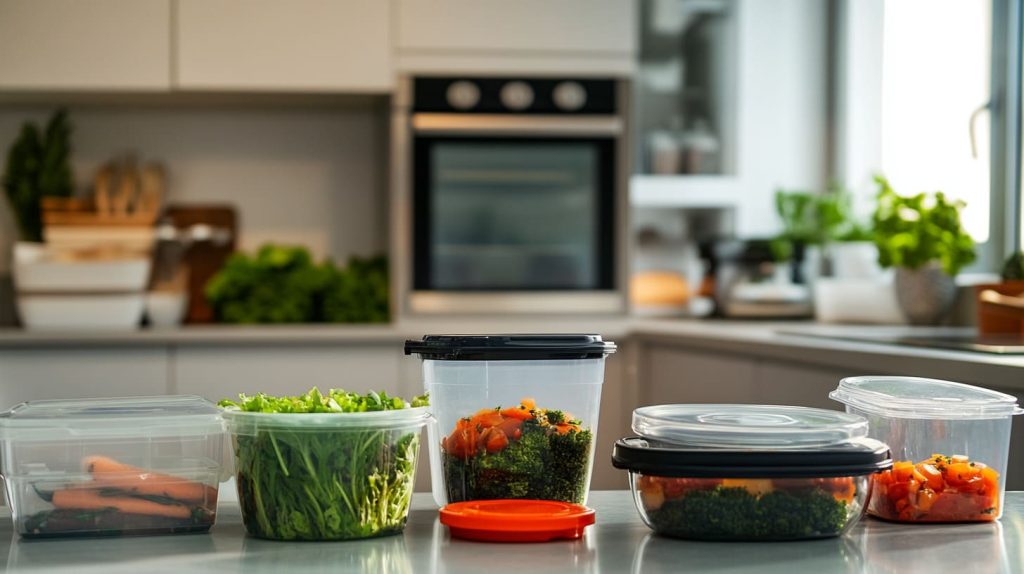
I still remember a 2 a.m. QA call with a client who’d shipped polycarbonate jars without checking for BPA. Customs flagged the lot, fines flew, and the yogurt inside spoiled before clearance. Lesson learned: always match material to food-contact rules in your market.
Flavor Preservation & Odor Transfer
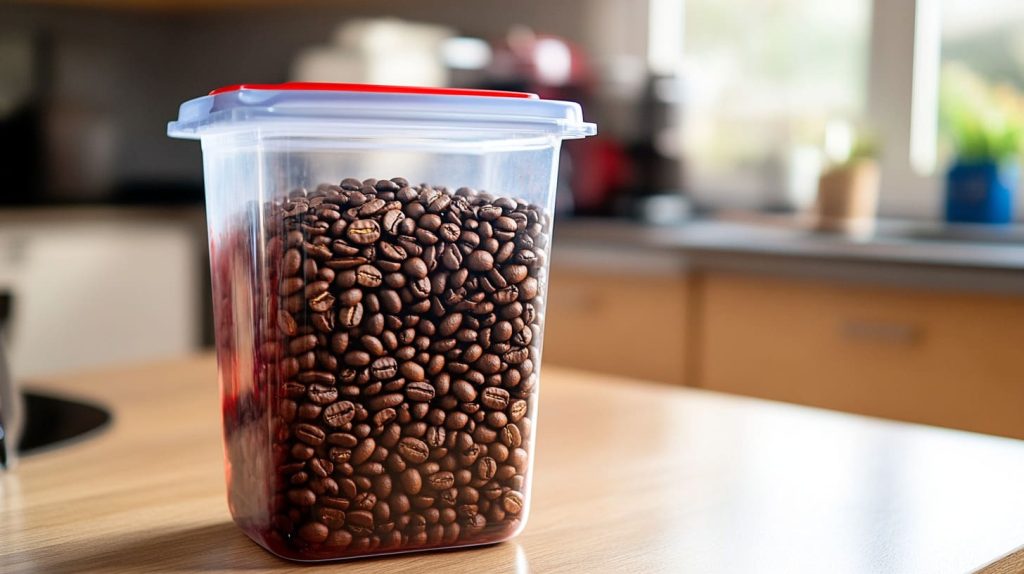
Have you ever poured fresh coffee beans into a plastic tub that still smelled of last week’s curry? I have, and it ruined a whole roast. Porosity and lipid absorption shift flavors faster than you can say “garlic latte.”
Environmental Footprint from Cradle to Grave
Think beyond the recycling logo. Glass can be recycled endlessly but weighs more in transit; silicone survives a decade yet is rarely curb-side recyclable. The true impact lies in mining, molding, shipping, and disposal.
A single bite tastes different once you see the hidden cost behind the container. Let’s meet the usual suspects next.
Snapshot of Main Materials

| Material | Key Strength | Common Drawback | Typical Lifespan |
|---|---|---|---|
| Glass | Non-porous, oven-safe | Breakable, heavy | 10+ years |
| Stainless Steel | Tough, zero microplastics | Opaque, not microwaveable | 15+ years |
| BPA-Free Plastic | Lightweight, cheap | Scratches, potential staining | 2–5 years |
| Silicone | Flexible, leak-proof | Retains oily odors | 8–10 years |
| Ceramic/Stoneware | Table-worthy look | Chips easily | 5–10 years |
| Bamboo/Wood | Renewable, warm aesthetic | Moisture-sensitive | 1–3 years |
| Newcomers | Compostable | Limited heat range | Varies |
Each material has its own backstory—so I’ll dive deeper into their personalities one by one.
Glass Containers: Pros, Cons & Best Uses
Heat Tolerance (Microwave/Oven) and Non-Porous Surface
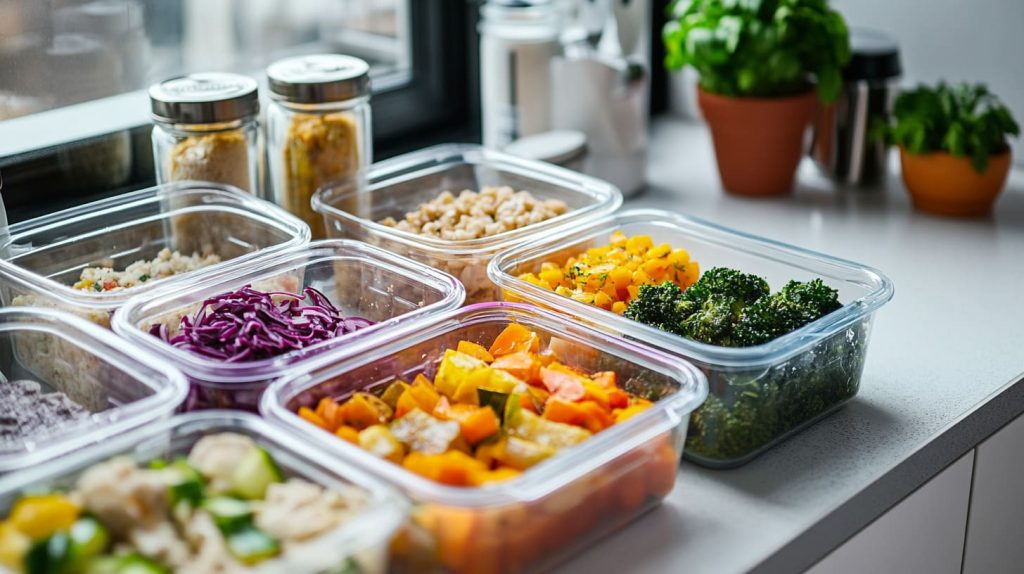
I often slide a glass dish straight from freezer to microwave. Thermal shock? Rare—if I leave the lid loose. The non-porous surface means yesterday’s chili can’t tattoo the walls red.
Breakage Risks and Weight Considerations
Glass shatters; your schedule does too if a pallet cracks in transit. Weight drives up shipping for B2B orders, so freight budgets feel the strain.
Ideal Scenarios
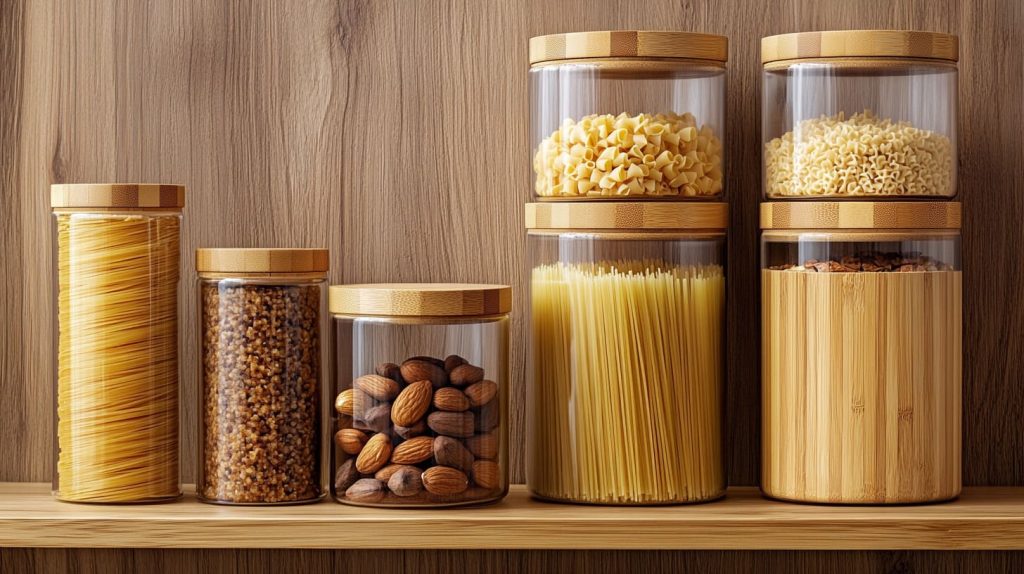
Meal prep, acidic foods, visible leftovers. I trust glass when I need to see a citrus marinade working without worrying about leaching.
Steel may flex its muscles, but glass shows its cards. Speaking of muscles—let’s talk stainless next.
Stainless Steel Containers: Pros, Cons & Best Uses
Durability, Impact Resistance, Zero Microplastics
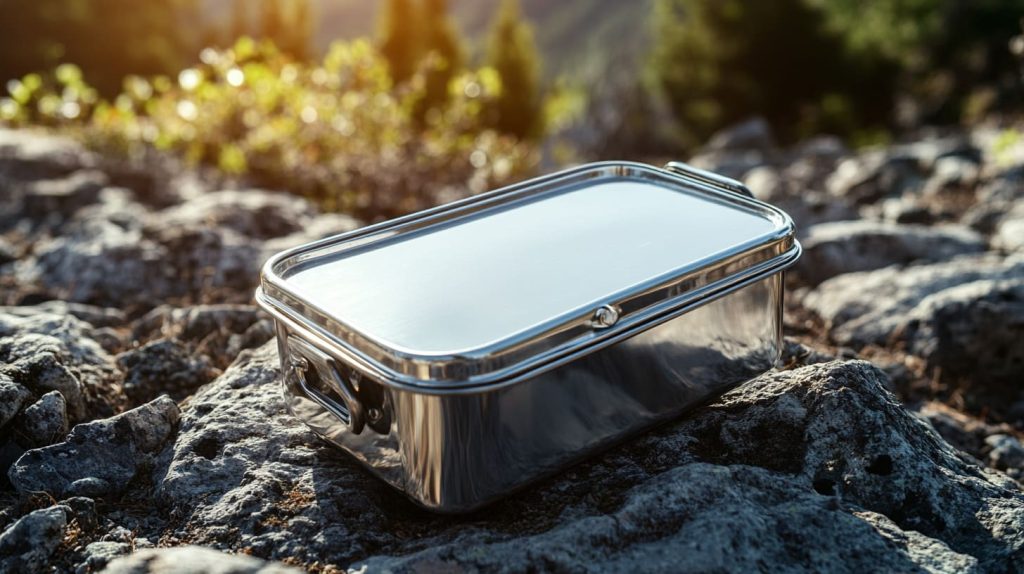
On a field test in Banff, my steel lunchbox rolled down a slope, hit a rock, and lived to hold soup another day. Try that with glass.
Opaqueness and Microwave Incompatibility
The same lid that laughs at rocks also blocks microwaves and visibility. I sometimes reheat by steam instead—an extra step in a busy café kitchen.
Ideal Scenarios
Outdoor meals, pantry staples, bulk grains. Steel slays rough handling and odor transfer, making it a hiker’s best friend and a warehouse’s reliable bin.
But weight and opacity push some buyers toward plastics—so let’s face that controversial category.
BPA-Free Plastic Containers: Pros, Cons & Best Uses
Advances in Tritan & PP Safety Standards
Modern PP and Tritan pass FDA and EU tests. In one project, we switched to Tritan to meet a client’s “baby-safe” claim and cleared SGS audits in a week.
Stain/Odor Retention and Lifespan Limitations
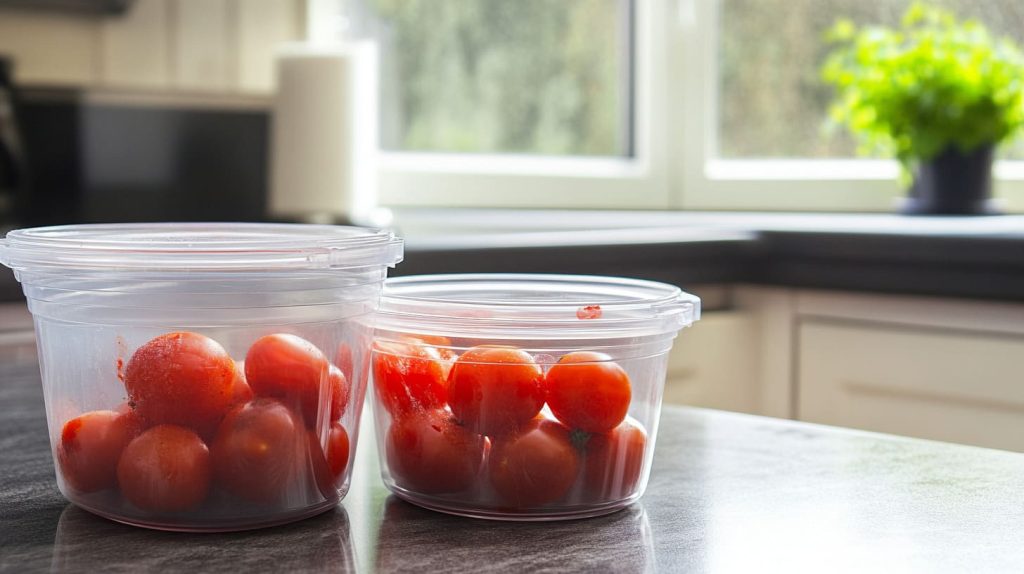
Tomato sauce tests loyalty; the stain sticks even after a bleach soak. Scratches become microbe hideouts, so I mark plastics with a two-year expiry in my lab.
Ideal Scenarios
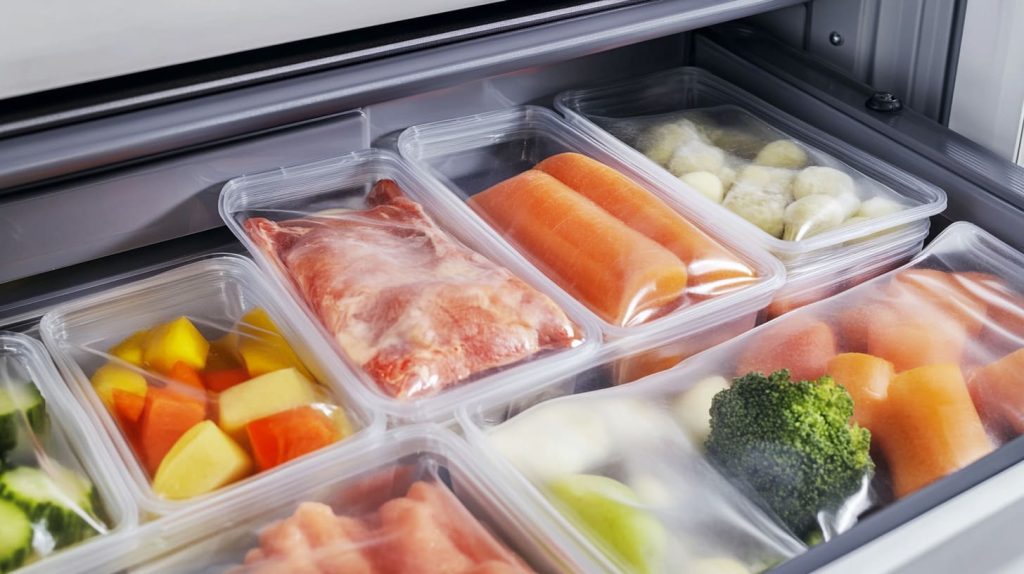
Grab-and-go snacks, freezer soups, dry goods. If the container might get lost on a job site, light and cheap wins.
Still, some of us crave flexibility without the plastic stigma. Enter silicone.
Silicone Bags & Collapsible Containers
Food-Grade Platinum Silicone Safety Profile
Silicone handles −40 °C to 220 °C. I’ve sous-vided salmon at 55 °C and then tossed the same bag into the freezer without drama.
Flexibility, Leak-Proof Seals, Space Saving
The best part? They fold down when empty. During trade shows, I stash entire sample sets in my carry-on.
Ideal Scenarios
Snack bags, sous-vide pouches, cramped freezers. Flexibility offsets the higher upfront cost after about six months of daily use.
Fancy yet fragile ceramics now want a word—let’s give them the mic.
Ceramic & Stoneware Containers
Non-Reactive Glaze and Visual Appeal
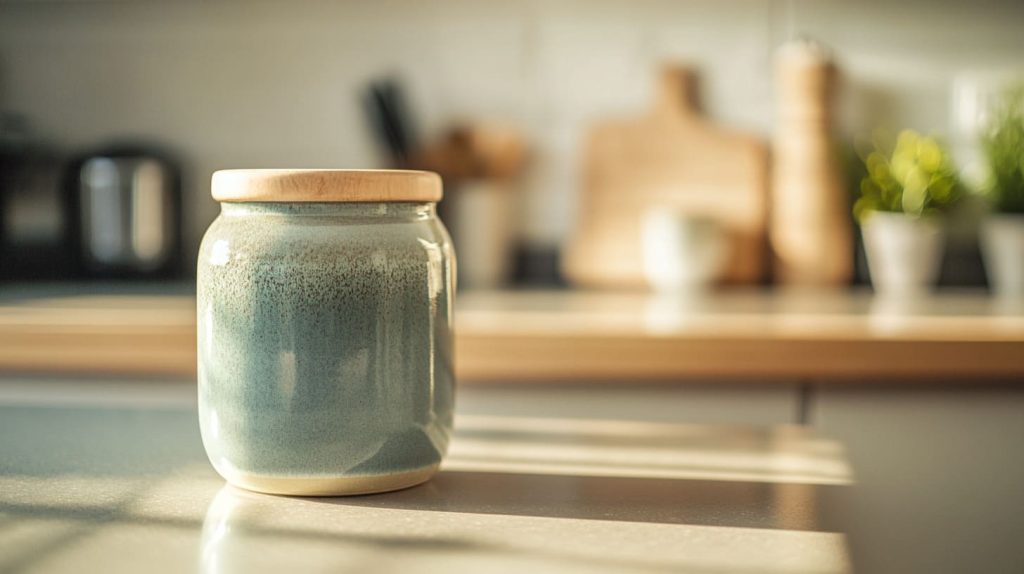
My grandmother’s stoneware cookie jar sits on my counter. It never leaches, and it photographs beautifully for product shoots.
Fragility and Weight Trade-Offs
Drop it once on a concrete floor—you’ll sweep memories into a dustpan. Bulk shipping also needs foam, driving cost.
Ideal Scenarios
Countertop dry storage, oven-to-table casseroles. They double as décor, perfect for boutique cafés that sell lasagna by the slice.
Earthy vibes aside, let’s look at greener woods and bamboo blends.
Bamboo & Wood Composite Options
Renewability and Aesthetic Warmth
Bamboo regenerates fast—one client used it for a limited-edition tea caddy and saw sales spike from its eco-friendly story.
Formaldehyde/Melamine Concerns
Cheap bamboo-plastic hybrids sometimes hide urea formaldehyde. Always request a VOC report before placing a PO.
Ideal Scenarios
Short-term dry storage, display pieces. Great for gift sets, less so for steamy leftovers.
Technology never stops, though—so new materials keep elbowing into the aisle.
Emerging & Niche Materials
Bioplastics (PLA, PHA)
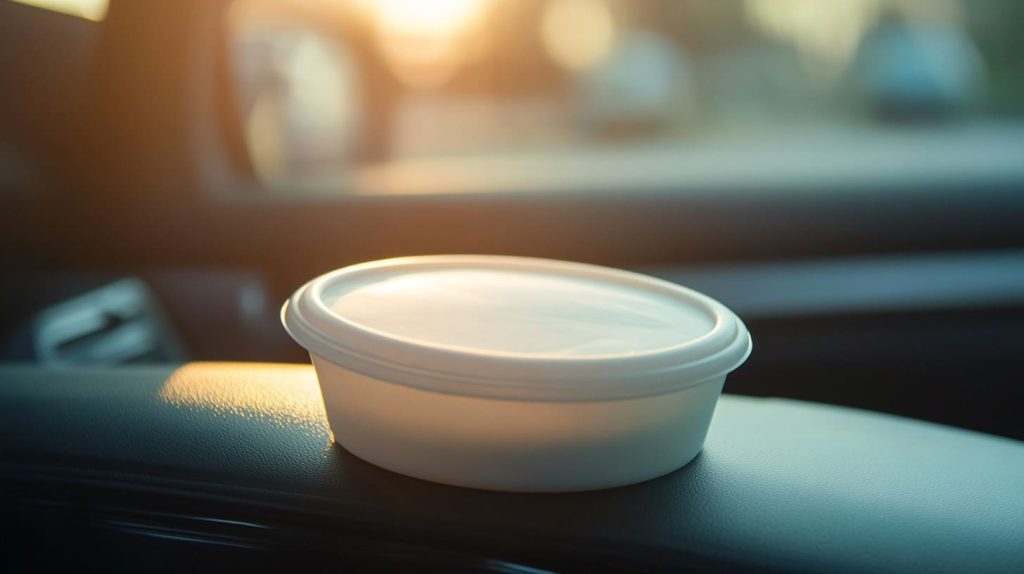
They compost under industrial conditions but warp at 60 °C. I melted a prototype lid in a hot car—lesson logged.
Beeswax Wraps & Cloth Covers
Good for cheese and herbs, but I avoid them for raw meat. They need breathable storage and re-waxing.
Edible Films and Algae-Based Liners
Fun for single-serve snacks. Shelf life and regulatory approval still catch investors off guard.
Novelty inspires, yet decisions hinge on hard criteria. Let’s map those next.
Key Selection Factors
| Factor | Why It Matters | Quick Check |
|---|---|---|
| Food Type | Acidic foods corrode metals | Match pH to material |
| Temperature Range | Prevent warping or cracks | Read manufacturer spec |
| Durability & Cost | Lower replacements = lower TCO | Calculate five-year cost |
| Sustainability Goals | Align with brand values | Audit carbon footprint |
| Regulatory Compliance | Avoid recalls | Demand certificates |
We know what to buy; now let’s keep it in shape.
Care & Maintenance Tips by Material
Cleaning Methods and Recommended Detergents
- Glass & Steel: Mild detergent, soft sponge.
- Plastic: Avoid abrasive pads; hand-wash lids.
- Silicone: Soak in warm water + baking soda for odor.
Stain & Odor Removal Hacks
Put sun-dried coffee grounds in plastic tubs overnight—nature’s deodorizer. Lemon slices in glass jars erase fish smells fast.
When to Replace Containers
- Cloudy plastic? Retire it.
- Chipped glaze? Compost the ceramic.
- Loose silicone seal? Swap the gasket, not the bag.
Comparisons can be fuzzy, so I built a cheat sheet.
Comparative Quick-Reference Table
| Material | Safety | Durability | Eco-Impact | Versatility |
|---|---|---|---|---|
| Glass | ⭐⭐⭐⭐ | ⭐⭐⭐ | ⭐⭐ | ⭐⭐⭐⭐ |
| Steel | ⭐⭐⭐⭐ | ⭐⭐⭐⭐ | ⭐⭐ | ⭐⭐⭐ |
| BPA-Free Plastic | ⭐⭐⭐ | ⭐⭐ | ⭐ | ⭐⭐⭐ |
| Silicone | ⭐⭐⭐⭐ | ⭐⭐⭐ | ⭐⭐ | ⭐⭐⭐⭐ |
| Ceramic | ⭐⭐⭐ | ⭐⭐ | ⭐⭐ | ⭐⭐ |
| Bamboo/Wood | ⭐⭐ | ⭐ | ⭐⭐⭐ | ⭐ |
My own factory rarely makes food containers, but acrylic still plays a role—here’s where.
Feilong Acrylic Perspective: Where Acrylic Fits
Safe Applications for Dry Goods & Display Packaging
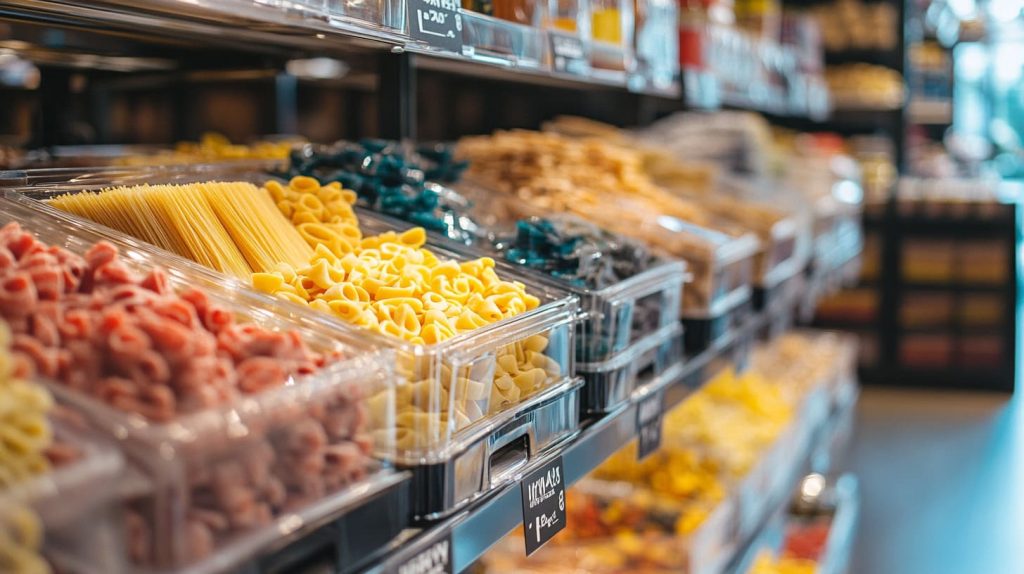
At Feilong Acrylic, we craft transparent organizers that showcase dried pasta or candy in retail displays. Acrylic is food-contact safe for dry items and meets FDA 21 CFR 177.1010.
Custom Transparent Organizers vs. Food-Contact Limitations
Acrylic dislikes high heat and harsh solvents. I warn clients: do not microwave or store oily sauces inside. It excels at visibility, not boiling temps.
Design and Branding Advantages for B2B Clients
Laser-sharp edges, silk-screen logos, and rapid prototyping let brand managers wow buyers at trade shows. We deliver MOQ-friendly runs in 15 days, keeping lead times tight for seasonal launches.
Acrylic shines under store lights, yet every material has its lane. Time to tie it all together.
Conclusion
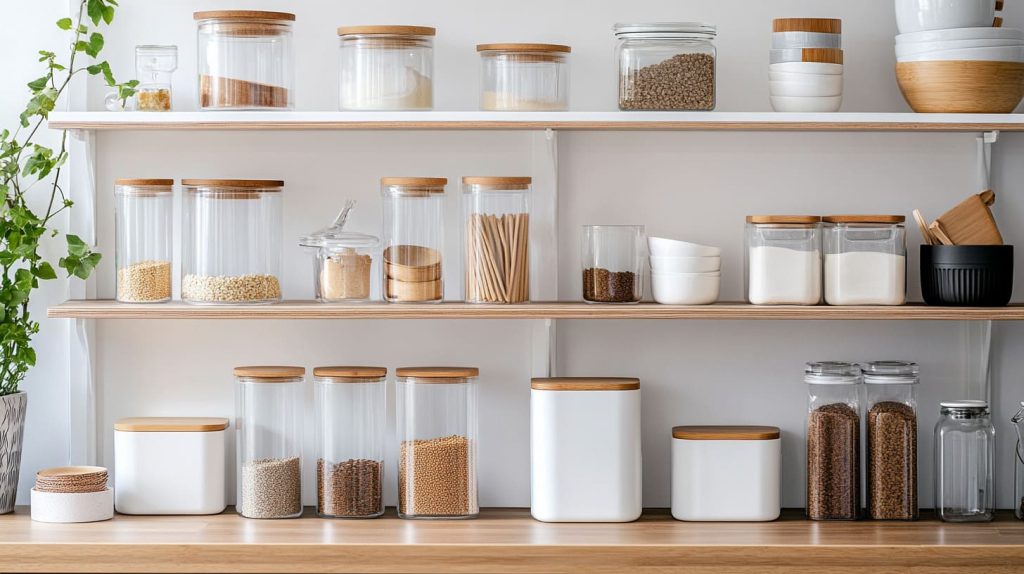
No single container rules every kitchen—or warehouse. I match glass with tangy sauces, steel with campfire stews, silicone with tight freezers, and plastic when weight beats lifespan. Whatever you choose, chase certifications first, heat-proof second, and sustainability always. Buy once, keep it clean, and your food—and conscience—stay fresh for years.