Skip to content

I remember the day I first stepped into a workshop filled with all kinds of display boxes. I was captivated by how these boxes could transform ordinary products into eye-catching centerpieces. That moment, I realized that display boxes serve more than just the obvious—they bring practical function and a subtle touch of artistry to any space.
What Are Display Boxes?
Display boxes are containers designed to showcase or protect valuable items, collectibles, or products. They come in different shapes, sizes, and materials. I’ve seen them in retail stores holding anything from jewelry to baked treats, and in living rooms, displaying memorabilia or keepsakes. When I look at a display box, I ask: Does it enhance the item or overshadow it? A well-thought-out design should highlight what’s inside without stealing the show.
Why Are Display Boxes Important For Businesses And Homes?
I believe businesses thrive when they present products in an attractive, safe way. Homes benefit, too, as display boxes can protect family heirlooms, trophies, or fragile souvenirs. Both settings value clarity, convenience, and style. Yet, it’s not always straightforward. Sometimes, I see people choose a gorgeous box, but it doesn’t match their store’s décor or vibe at home. That’s when I usually share a simple table with them to compare their needs:
| Purpose | Material Preference | Budget Range | Visual Style Needed |
|---|---|---|---|
| Retail Store | Acrylic/Glass | Medium-High | Modern / Glossy |
| Personal Display | Wood/Acrylic | Varies | Warm / Classic |
| Event/Promotion | Cardboard/Plastic | Low | Temporary / Fun |
Overview Of The Types Of Display Boxes
In my experience, display boxes mainly come in acrylic, glass, wood, cardboard, metal, plastic, or specialty forms. Each has unique strengths, so it’s worth exploring them before making a decision. At this point, you might be picturing different types of boxes you’ve come across. Let’s head over to the acrylic section to dive deeper. Stick around—I promise the details get more interesting.
Acrylic Display Boxes

Acrylic display boxes are my personal favorite. I’ve worked with these for years at Feilong Acrylic, and I’ve seen how they balance elegance and practicality.
What Are Acrylic Display Boxes?
Acrylic display boxes are made from a transparent plastic known for its clarity, durability, and lightweight nature. I compare them to glass boxes minus the heavy weight and fragility. While acrylic offers crystal-clear views, it can be prone to scratches if not cared for properly. This is a smaller trade-off for something that’s less likely to shatter and easier to move around.
Common Uses Of Acrylic Display Boxes
I’ve come across many uses, from showcasing collectibles at a convention to displaying cosmetics in a chic boutique. Some businesses keep these boxes near checkout counters, while others use them in product showrooms for prototypes or limited-edition items. Yet, sometimes acrylic might not be the right fit if the item inside is extremely heavy. It’s all about balance: Do you need portability or maximum structural strength?
Advantages Of Acrylic Over Other Materials
- Lightweight: Easier to transport and install.
- Shatter-Resistant: Safer for public spaces where accidents can happen.
- High Clarity: Great for highlighting intricate details of the displayed item.
If acrylic feels like a fit for you, hold that thought. Before you finalize your decision, let’s see how other materials stack up.
Glass Display Boxes
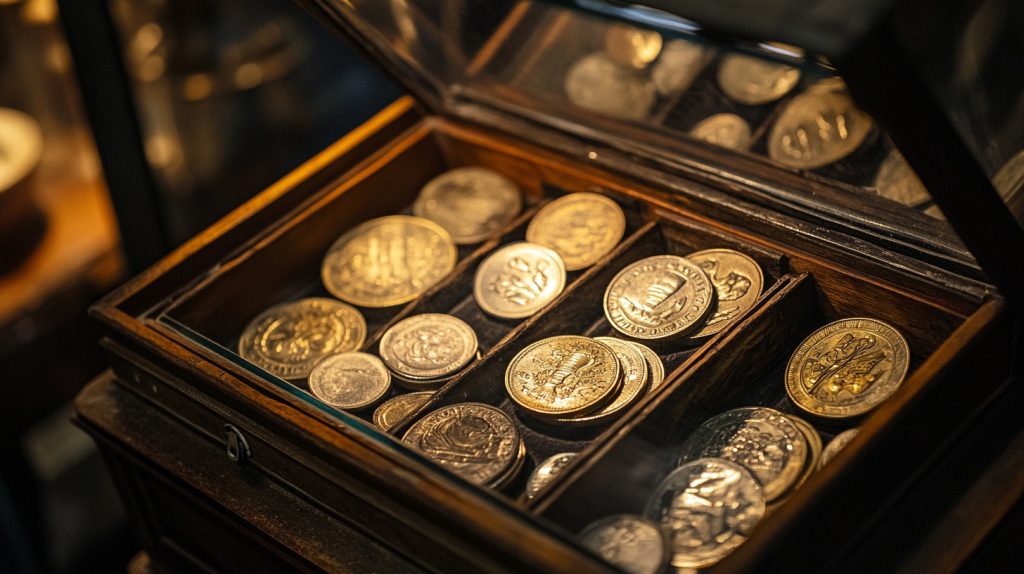
I vividly recall an antique shop I visited in France. The owner had an entire wall of glass display boxes filled with old coins and jewelry. The timeless look was mesmerizing, but it also carried some practical considerations.
Features Of Glass Display Boxes
Glass boxes typically offer exceptional clarity and a classic style. Their heft can be reassuring, though they can break easily. I often ask: Is the extra elegance worth the risk? In many high-end or museum-like settings, the answer is yes.
Where Are Glass Display Boxes Most Commonly Used?
They’re often found in places like upscale jewelry stores, museums, or galleries. These industries value a luxurious appearance, which glass naturally provides. I’ve even seen individuals use them at home to give a personal collection a polished feel. On the other hand, glass can be too heavy for traveling exhibitions or rotating displays.
Maintenance Tips For Glass Display Boxes
- Clean regularly with mild glass cleaners.
- Inspect for cracks or chips to prevent accidents.
- Use soft cloths to avoid scratches.
Glass has a timeless vibe, but I always remind people to weigh those pros and cons. Now, let’s transition to another beloved material: wood.
Wooden Display Boxes

I grew up in a house where wooden furniture was a staple. So, wooden display boxes hold a special place in my heart. They exude warmth, nostalgia, and a sense of heritage.
Characteristics Of Wooden Display Boxes
Wooden boxes are sturdy, with a more organic feel than acrylic or glass. You can choose from rich mahogany, light pine, or mid-tone oak. However, wood may be prone to warping if exposed to humidity. I ask myself, Do I prioritize that natural, rustic look, or do I need something sleeker?
Popular Applications For Wooden Display Boxes
Collectors of vintage items or artisanal products often pair them with wooden boxes. I also see them in old bookstores or cozy cafés, holding specialty goods like handmade soaps or local crafts. But in a minimalist studio setting, wooden boxes might clash with the modern décor.
Customization Options For Wooden Display Boxes
From carved patterns to paint finishes, wood offers a chance for creativity. I’ve seen folks brand their boxes with custom logos or unique design elements. This versatility is a major plus if you want to inject personality into your display. If you crave variety, you’ll be excited about the next material as well.
Cardboard Display Boxes
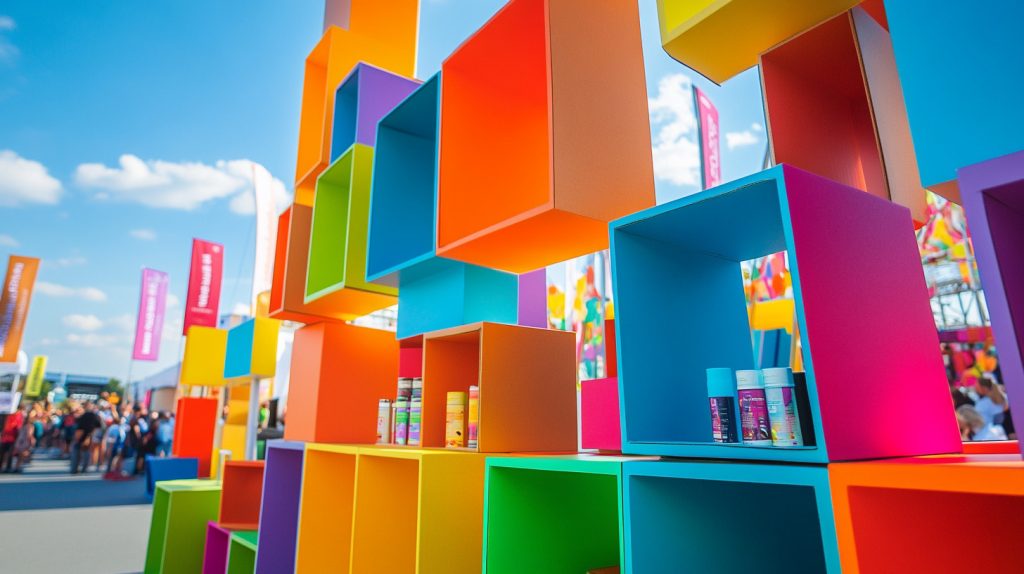
I once helped set up a pop-up event where cardboard display boxes saved us time and money. This was especially helpful when we needed large quantities on short notice.
What Are Cardboard Display Boxes?
They’re essentially folded cardboard structures that are cheap, lightweight, and usually for short-term use. Because of their affordability, I think they’re a solid choice if you want something quick and disposable. Yet, if you plan to use them long-term, cardboard might be too fragile.
Why Are Cardboard Display Boxes Ideal For Temporary Use?
- Low Cost: Perfect for product launches or promotions.
- Easy Setup: Minimal labor involved.
- Recyclable: You can discard them without guilt once the event ends.
However, water or heavy loads can compromise cardboard’s integrity, so I wouldn’t recommend it for high-end items or permanent installations.
Eco-Friendly Aspects Of Cardboard Display Boxes
Cardboard can be recycled or made from recycled materials, appealing to those who want a greener choice. Keep in mind that not all cardboard is created equal—some are more durable and hold up better over time. If you need something tougher, the next material might catch your eye.
Metal Display Boxes
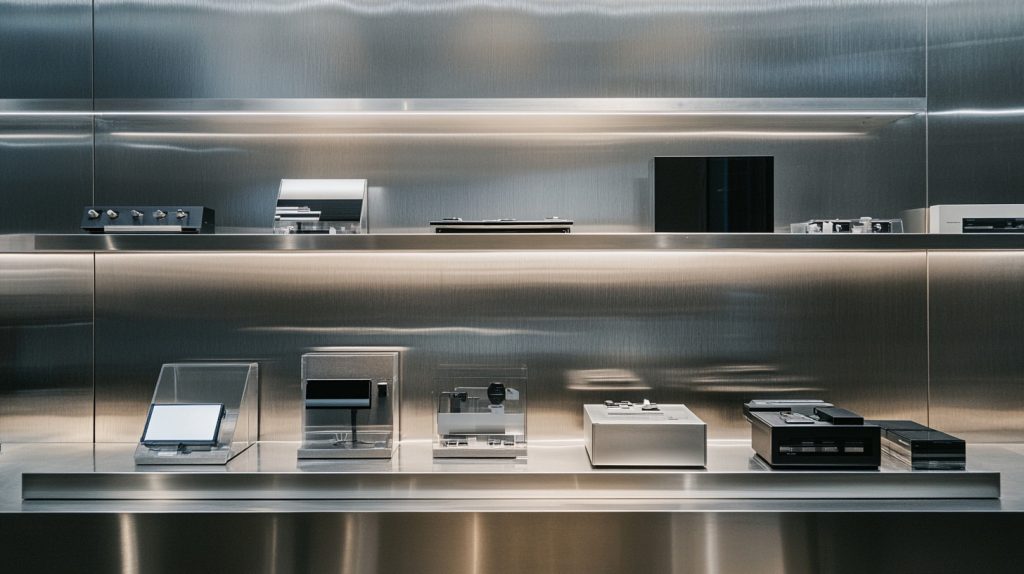
My most surprising encounter with metal display boxes was during a visit to a high-tech trade show in Shanghai. The boxes were sleek, industrial, and seemingly indestructible.
What Makes Metal Display Boxes Durable?
Metal—like aluminum or steel—offers superior strength. It can handle substantial weight and withstand more wear compared to cardboard or wood. Still, metal can dent or show scratches if mishandled. Nothing is truly invincible.
Industries That Prefer Metal Display Boxes
Sectors like automotive, electronics, or heavy machinery often use metal boxes in showrooms or trade events. The metal look aligns with their product aesthetics, highlighting precision and modernity. A cozy bakery, however, might find these too cold or uninviting.
Pros And Cons Of Metal Display Boxes
- Pros: Long-lasting, stable, easy to clean.
- Cons: Can be heavy, may look too industrial, and can be more expensive.
If the industrial flair isn’t for you, there’s another route: plastic.
Plastic Display Boxes

Plastic display boxes remind me of simpler times—think school science fairs or fun exhibitions. They can be colorful or transparent, depending on the type of plastic used.
Types Of Plastics Used In Display Boxes
Some popular plastics include PET, PVC, and polycarbonate. Each type has a different level of clarity and durability. Polycarbonate is stronger but can cost more. From a broader perspective, plastic is a strong all-rounder if you handle it gently.
Cost-Effectiveness Of Plastic Display Boxes
Plastic often comes in cheaper than acrylic or metal, making it a good medium-tier choice. You get decent durability without emptying your wallet. However, if you have environmental concerns, keep in mind that not all plastics are easily recycled.
Tips For Maintaining Plastic Display Boxes
- Clean gently to avoid scratches.
- Store away from direct sunlight to prevent fading or yellowing.
- Inspect for cracks, since plastic can weaken over time.
Now we’ve covered common materials. What if you want something truly distinct or interactive?
Specialty Display Boxes

My eyes light up when I see specialty display boxes because they bring a dash of “wow” factor. Whether it’s an LED-lit box or a rotating stand, these boxes turn heads.
LED-Lit Display Boxes
Imagine your product illuminated from all angles, creating a mesmerizing effect. I’ve used these for jewelry exhibitions. However, I also consider how LED lighting might affect the color of the displayed item and its energy costs.
Rotating Display Boxes
Rotation can grab attention better than a static display. But is this movement beneficial or distracting? I think it depends on the context—fast-moving consumer goods might benefit, whereas delicate antiques might not.
Combination Material Display Boxes (E.g., Metal And Glass)
A hybrid approach can merge the best of multiple materials. But remember, combining materials usually drives up cost and complexity. Weigh the wow factor against your budget, and don’t forget about the final aesthetic.
Choosing The Right Display Box
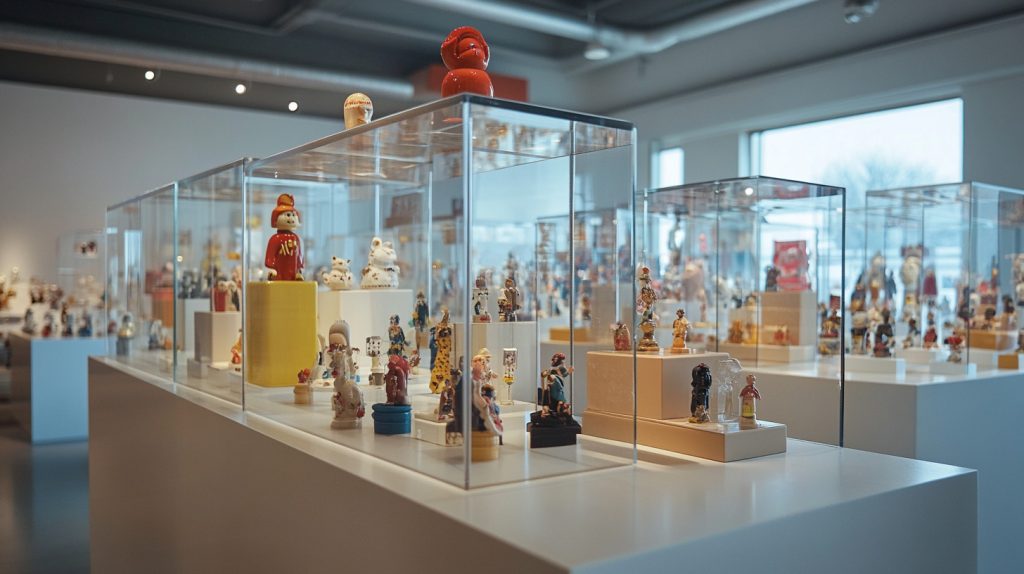
Selecting the right display box is much like choosing the right travel companion: it has to fit your style, budget, and purpose. Over time, I’ve learned a few tips to smooth out the decision process.
Factors To Consider When Choosing A Display Box
- Item Size & Weight: A fragile figurine differs from a hefty electronic device.
- Aesthetic Fit: Match the display box to your brand or personal décor.
- Durability Needs: Will it be moved frequently or stay in one place?
Matching Display Boxes To Your Specific Needs
I always encourage folks to think about their end use. Are these boxes for a temporary display or a permanent installation? Will you showcase items that need extra security? Reflecting on these questions helps narrow down options quickly.
Budget And Material Preferences
I’ve had times when a client fell in love with a glass display, only to discover that acrylic was more suitable for their budget and weight requirements. So, it’s wise to do a quick cost comparison. If you still need help, you might consider display box cost calculation or custom acrylic solutions.
Conclusion

Recap Of The Types Of Display Boxes
We’ve seen acrylic, glass, wood, cardboard, metal, plastic, and specialty boxes. Each offers its own benefits, from durability to a unique aesthetic. I believe understanding these differences is the key to making the best choice.
How To Determine The Best Display Box For Your Needs
It boils down to your item’s weight, environment, budget, and desired look. I recommend creating a pros-and-cons list for each material, then pairing it with your goals.
Encouragement To Explore Custom Solutions
If you still feel uncertain, don’t worry. You can always look for customized options that bring out the best in your items. That’s what we do at Feilong Acrylic—tailor solutions to your needs. I hope you find the perfect box that does justice to whatever you’re showcasing.