Skip to content
Acrylic boxes are everywhere once you start noticing them. Sitting neatly in store displays, organizing makeup on vanities, showcasing collectibles behind a soft gleam of clarity—they quietly do their job while making everything around them look better. What seems like just a “clear box” is actually the result of dozens of small design decisions: thickness, clarity, edge finish, UV resistance, even how it opens or locks.
In my work, I’ve spent years helping buyers, designers, and brand managers get these choices right—especially in high-volume, custom projects. And if you’re like Jacky—someone experienced in product sourcing, who’s visited China factories and knows the value of asking the right questions—then you already know that every small detail affects the outcome.
This guide is for people like you. People who want function and form to work hand in hand. Whether you’re customizing display units for retail or sourcing smart, scalable storage for a product launch, let’s walk through everything you need to know about acrylic boxes: materials, finishes, manufacturing, applications, and how to choose the best ones for your needs.
What Is Acrylic Material & Types Used for Boxes

I once held two cubes side by side—one glass, one acrylic—and sunlight playing through both changed my thinking. Acrylic isn’t just plastic, it’s a material with depth.
What is PMMA (polymethyl methacrylate) and how is it different from glass & other plastics
- PMMA is the scientific name for acrylic. It looks like glass but weighs much less.
- Versus glass: glass is heavier, brittle; acrylic resists shattering more, handles impact better.
- Versus other plastics: polycarbonate is tougher, but can scratch; PET or PVC may yellow or warp, clarity suffers.
Variants (cast vs extruded acrylic; UV‑resistant, colored, mirrored, frosted, glossy, matte)
- Cast acrylic: more expensive, better optical clarity, more uniform thick panels.
- Extruded: cheaper, quicker, good for many uses but less clarity, might have internal stresses.
- UV‑resistant acrylic: protects against yellowing when exposed to sun.
- Finish types: colored / mirrored surfaces give style; frosted or matte reduce glare but cut visibility.
Thicknesses & sheet grades: optical clarity, impact strength, weather resistance
- Thinner sheets (2‑3 mm) good for small boxes, decorative, lightweight display.
- Thicker (6‑10 mm or more) needed for big boxes, outdoor, heavy contents.
- Grades: optical grade vs industrial grade – optical gives better clarity, fewer distortions.
- Weather resistance: some acrylics are treated/coated to resist UV, moisture, but many are not.
Key Advantages of Acrylic Boxes

Too often people think only of beauty when considering acrylic. But there’s more. I’ve tested these in real showrooms under harsh light, shipping knocks, customer fingerprints—and the good ones still impress.
Transparency & visual clarity: light transmittance, display appeal
- Acrylic can transmit ~90‑92% of visible light. So things look vivid.
- For displays (cosmetics, jewelry) you want no distortion, little haze.
- Examples: a cosmetics line in a transparent acrylic box – eyes are drawn first to the product, not the container.
Lightweight and portability vs glass or metal
- Great for shipping, display changes, moving booths.
- In my factory, we often do large trade‑show orders: lighter boxes reduce freight cost, ease handling.
- Portability means you can change layout more often.
Durability: impact resistance, shatterproof features
- Acrylic resists impact much better than glass. A dropped glass piece shatters; acrylic may crack, but not explode.
- In busy retail settings or where children are around, that counts.
Safety and UV / weather resistance (yellowing over time; protection of contents)
- UV treated acrylic slows yellowing. Untreated, over years, can go slightly yellow or brittle.
- Weather exposure: heat can warp, so need good grade if outdoors.
- For stores with big windows: UV protection keeps colors true.
Design flexibility & customization: shapes, sizes, finishes, closures, features
- Because acrylic can be laser cut, CNC routed, bent with heat, joined with solvent or adhesive, many forms possible.
- Need special closures? Hinges, locks, sliding lids—all doable.
- Branding: engraving, printing, color inlays—it’s flexible.
Cost considerations: up‑front cost vs lifetime value
- Up‑front, good acrylic is more expensive than simple plastics or cardboard.
- But consider lifespan: less breakage, better look preserved, fewer replacements.
- For bulk orders, cost per unit drops; you benefit more.
Potential Drawbacks & Limitations
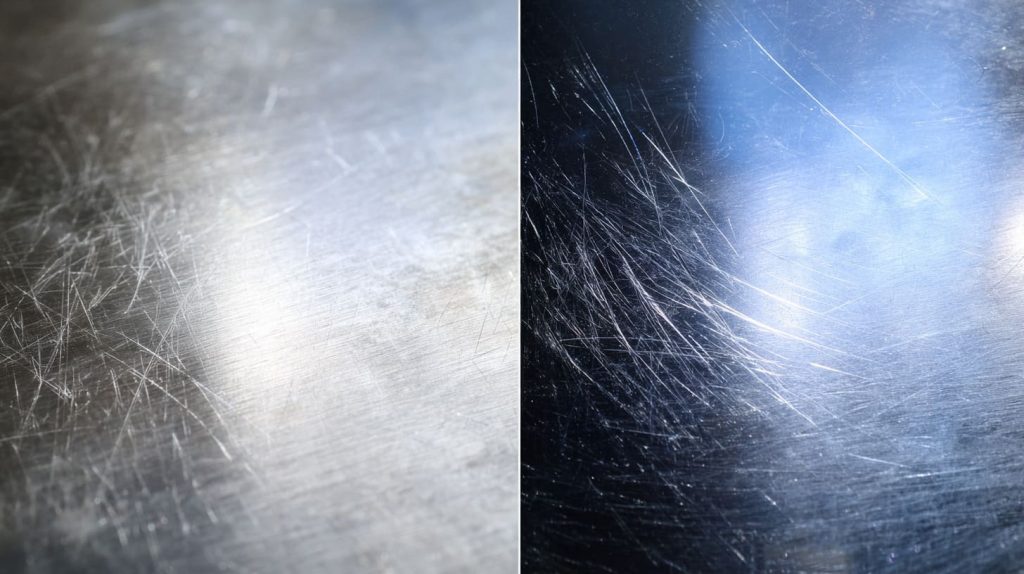
When I first ordered a large batch for a cosmetics client, the acrylic looked perfect. But under direct sun, some yellowed a little after a year. I learned some hard lessons.
Scratch vulnerability; how easily surface gets marred
- Acrylic surfaces scratch more easily than glass or hard coatings.
- Everyday items (keys, makeup brushes, etc.) can mar them.
- Protective films or coatings help, but add cost.
Possible yellowing or UV‑damage over extended exposure
- UV rays degrade acrylic over time. Even UV‑resistant acrylic isn’t perfect—it delays, doesn’t stop completely.
- In outdoor or high‑sunlight indoor settings, this matters greatly.
More expensive than very cheap plastics; sometimes heavier than thin plastic alternatives if thick acrylic used
- If you pick thick sheet or special features, price goes up.
- Sometimes rigid plastics or composite materials might be cheaper per unit.
Manufacturing limitations: size, joins, edge finishing; risk of warping if heat or poor adhesive used
- Very large boxes need to consider warpage during bending, stress relief, correct supports.
- Poor joins (bad adhesive, misaligned joints) show gaps or weaken.
- Polished vs raw edges: polishing takes time, cost.
Common Applications & Use Cases

Let me tell one story: a boutique in Montreal asked me to create acrylic boxes for their entire cosmetics line. Each box had to match packaging, logo, but also be durable. The result felt like art pieces in the shop.
Retail display & merchandising: jewelry, cosmetics, electronics
- Clear acrylic lets products shine; strong enough to resist knocks from customers.
- Crystal displays, point‑of‑sale counters, testers all benefit.
Museums, galleries & protection/display of artifacts
- Need not just display, but protection from dust, UV, touch.
- Acrylic boxes often sealed, with UV filtering, to preserve delicate art.
Home organization & decor: organizers, boxes with lids, decorative units
- People use acrylic boxes for make‑up, stationery, keepsakes.
- The clear look gives clean organization.
Food & hospitality use: dessert display, bakery items etc. (with food‑safe considerations)
- When used for food, need acrylic that is food‑safe, easy to clean, free of toxins.
- Pretty cases in bakeries or cafés look good, but must meet safety standards.
Signage, awards, trophies, donation / ballot boxes, promotional displays
- Thick acrylic, polished edges, engraving make them look premium.
- I helped a client build donation boxes: they needed lockable lids, custom logos, strong base.
How to Choose the Right Acrylic Box: Buyer’s Checklist

Here’s where I wish someone had given me a checklist. Makes all the difference when ordering big batches.
| Checklist Item | Why It Matters | What to Ask / Check |
|---|---|---|
| Purpose & environment | Determines material type, thickness, UV needs | “Will this box be outside or indoors? Will it be moved often?” |
| Size & dimensions | Affects usability and cost | “What internal vs external size? Any extra room needed?” |
| Thickness / wall gauge | Impacts strength, warp, cost | “What thickness ensures it won’t bow under weight?” |
| Finish & edge treatment | Affects looks & safety | “Polished edges vs raw? Smoothness of joints?” |
| UV resistance & material grade | Long life & clarity | “Is acrylic treated? What grade / certificate?” |
| Customization features | Matching brand and function | “Any hinges, lids, locks, logos, color inserts?” |
| Cost & MOQ | Budget & scale considerations | “What is unit price at low vs high qty? What is lead time?” |
| Manufacturer credibility | Avoid surprises | “Do you have photos of past work? Certifications? QC checks?” |
Want to skip mistakes I made? Use this checklist every time. It saves money, time, and headaches. Ready to see how to care for them?
Care, Maintenance & Longevity Tips
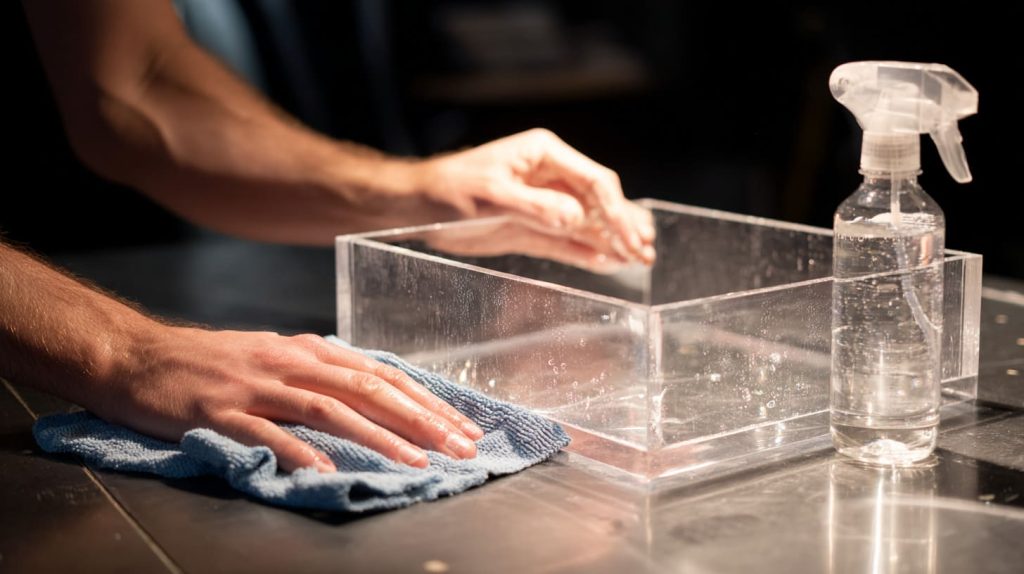
After those factories visits, I picked up small habits. They keep acrylic boxes looking new for years.
Cleaning: what cleaners to use, what to avoid (abrasives, solvents)
- Use soft cloths, mild soap, avoid ammonia or strong solvents.
- Hard cloths or paper towels can scratch.
Protection from UV and heat: placement away from direct sun, using UV‑coated material if needed
- Don’t put acrylic boxes in windows with full sun for hours.
- If unavoidable, use UV‑treated acrylic.
Handling & Storage: transporting safely, avoid scratching, stacking with protective layers etc.
- Pad them during transport. Use bubble wrap or soft material between boxes.
- Store flat if possible, not leaning or bent.
Repair & Dealing with Damage: minor scratches (polishing), edge chips, warping
- For scratches: buffing compounds, acrylic polish kits help.
- For edge chips: small fills, smoothing.
- For warping: may need thicker material, better supports in design.
Manufacturing Processes & Custom Factory Insights

One midnight in the factory, I watched the laser cut through a thick panel. Sparks, precision, everything aligned. That moment taught me how much process matters.
Production methods: laser cutting, CNC, bending, solvent welding, injection or thermoforming
- Laser / CNC for precise edges, clean joins.
- Bending with heat gives curved shapes.
- Solvent welding vs adhesives: solvent gives seamless joints, but needs skilled work.
Edge finishing & join methods: polished edges, seamless joints, adhesives vs mechanical fasteners
- Polished edges look premium, reduce risk of cuts.
- Seams: visible seams cheap, hidden seams cost more.
Quality control & material sourcing: transparency, optical clarity, weather testing, material grade verification
- Check for consistent clarity, no bubbles or distortions.
- Ask for material certificates. Test small samples first.
Lead time & production capacity: how factory scale, mold design, batch vs custom order impacts delivery time
- Custom designs need mould or cuts; that takes time.
- Factories with more lines, good tooling, can deliver faster.
Comparison with Alternative Materials
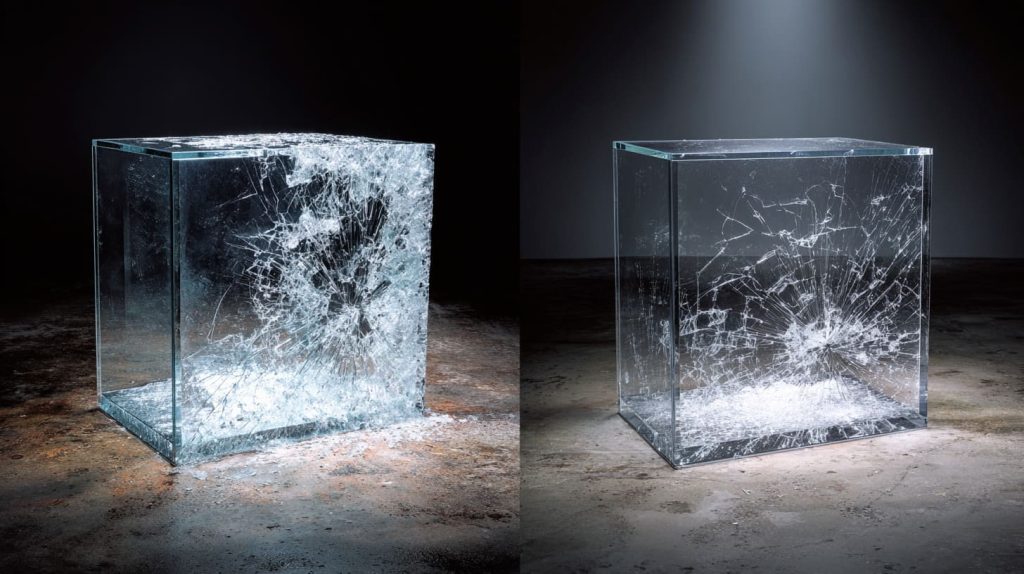
I once considered using glass for a display, for that “classic” feel. Then I dropped a prototype. Glass shattered. Acrylic survived. That taught me to always weigh options.
Glass vs Acrylic: clarity, weight, safety, cost, durability
- Glass: excellent clarity, scratch resistance, but heavy, fragile, more expensive to transport.
- Acrylic: lighter, safer, easier to shape; but less scratch‑resistant.
Other plastics (polycarbonate, PET, PVC etc.): pros & cons compared to acrylic
- Polycarbonate: stronger, more impact resistant, but yellows faster, more expensive.
- PET / PVC: cheaper, easy mass production; clarity often worse, durability less.
Metal, wood or composite boxes: aesthetic, durability, cost, environmental concerns
- Metal: durable, strong, but opaque; heavier; may corrode.
- Wood: warm, natural; but harder to clean, less precise, may warp.
- Composite: mixed materials give hybrid benefits, but cost, complexity, finishing often difficult.
Pricing, Cost Drivers & Budgeting for Custom Orders

I’ve seen quotes go wild—from “cheap‑but‑flawed” to “perfect but overpriced.” Knowing cost drivers helps me avoid overpaying.
What affects cost: material thickness, sheet quality, custom cuts, finishes, complexity of joints, special coatings, artwork/printing
- Thicker acrylic, premium optical grade, polished edges add cost.
- Custom shapes, curved bends, printed logos, UV coating all raise price.
Minimum order quantities & economies of scale
- Small orders cost more per unit.
- If you order 100 vs 1, usually big saving per item.
Shipping & packaging considerations: weight, risk of damage, protection during transit
- Even though acrylic is lighter than glass, large volume adds up.
- Packaging must protect edges, surfaces. Poor packaging causes damage, returns.
DIY vs OEM / Factory Made: Pros and Trade‑offs
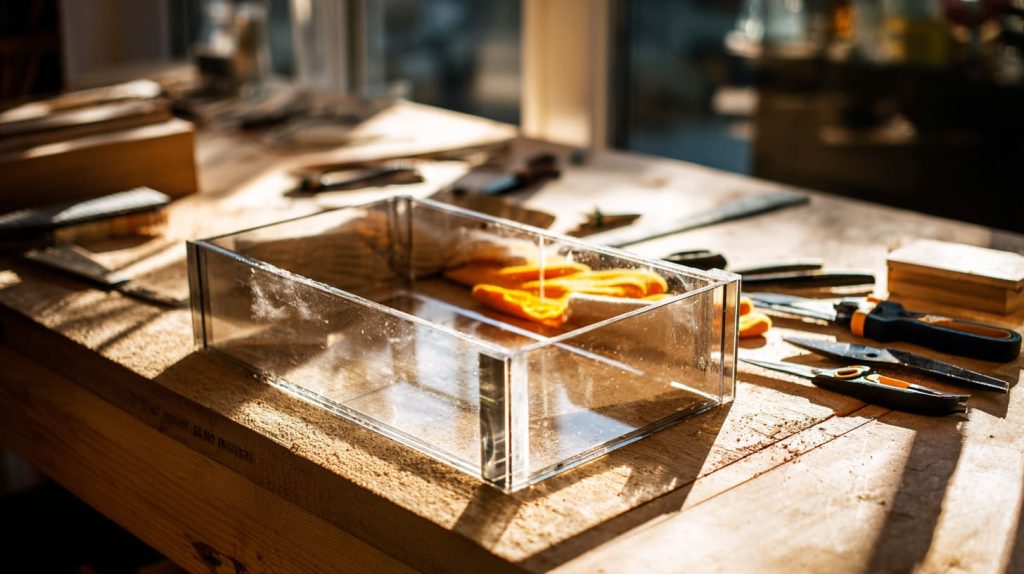
Once I tried DIY cutting with a rented heat‑bender. It looked okay. But repeatability, precision, finish—factory wins.
When DIY makes sense: small scale, simple designs, prototyping
- If you need just one or a few boxes, simple shapes, and have tools, DIY might be okay.
- Useful for prototyping ideas.
When factory / OEM is better: large scale, precision, special finishes, faster lead times, cost savings per unit
- For volume, consistent quality, branding, features (locks, printed graphics etc.).
- Factories offer tooling, finishing, QC.
Working with a factory: design submission, sample approval, QC, communication
- Send drawings, specify dimensions, material, finishes.
- Ask for prototypes and inspect them.
- Maintain clear communication: photos, samples, agreed metrics.
Trends & Innovations in Acrylic Boxes

I like watching trade fairs. What catches my eye now? Innovations that mix beauty with smart solving of past pains.
Sustainable acrylics, recycled materials, environmental concerns
- Some new materials use recycled or bio‑based acrylic.
- The challenge: retaining clarity, durability.
Advanced coatings: anti‑scratch, anti‑UV, anti‑fog, anti‑glare finishes
- Anti‑scratch coatings help with frequent handling.
- Anti‑fog useful in humid climates.
Smart features: integrated lighting, sensors, hybrid materials
- Light inside boxes to highlight displays.
- Hybrid frames: acrylic + metal or wood.
Aesthetic trends: minimalism, colored acrylic, mixed materials, branding/printing
- Minimal lines, clean edges, color accents.
- Use of logo or pattern printing on clear acrylic.
Conclusion
Here’s what I want you to remember:
- Acrylic boxes offer a mix of clarity, safety, and style.
- There is no perfect box; each project needs the right mix of material, thickness, finish.
- Weigh advantages vs limitations: UV, scratching, cost.
- Always use the buyer’s checklist to avoid surprises.
For Jacky, and anyone ordering custom acrylic boxes: ask hard questions of your supplier. Request samples. Check their quality control. Think not just of price, but long‑term value.
Let’s make your next acrylic box not just “good,” but right.