Skip to content


Last weekend, I decided to build a custom display case for my favorite collectibles. As I picked up the plexiglass sheets, I realized that drilling holes without cracking the material might be trickier than I thought.
To drill into plexiglass without causing cracks, it's essential to use a drill bit specifically designed for plastics. These drill bits have a tip angle of 60 to 90 degrees and a spur point to reduce chipping. Using standard metal or wood drill bits can lead to cracking or melting the plexiglass due to excessive heat and pressure.
Let's dive into the specifics of drilling plexiglass effectively and safely.
Do you need a special drill bit for plexiglass?
Yes, using the right drill bit makes all the difference when working with plexiglass. I've learned this the hard way after a few cracked sheets.
You need a drill bit designed for plastics when drilling plexiglass. These bits have a sharper angle and a spur point that reduce friction and prevent cracking. Regular drill bits for metal or wood aren't suitable, as they can generate too much heat and pressure, damaging the plexiglass.

Why Specialized Drill Bits Matter
When I first tried drilling plexiglass with a standard metal drill bit, the result was a mess—cracks radiating from the hole and a ruined project. Plexiglass is more brittle than materials like wood or metal, so it requires a gentler touch.
Features of Plastic Drill Bits
Plastic drill bits are specifically designed with a point angle between 60 and 90 degrees, compared to the 118 to 135 degrees found in metal bits. This sharper angle reduces the cutting force and heat generated, minimizing the risk of cracking.
Here's a quick comparison:
| Feature | Metal Drill Bit | Plastic Drill Bit |
|---|---|---|
| Tip Angle | 118-135 degrees | 60-90 degrees |
| Spur Point | No | Yes |
| Heat Generation | Higher | Lower |
| Risk of Cracking | Higher | Lower |
Personal Tips for Success
I've found that using a plastic drill bit not only prevents damage but also makes the drilling process smoother. Remember to let the drill do the work—apply gentle pressure and keep the speed appropriate. I'll touch on speed specifics later.
What is the best way to drill holes in plexiglass?
Drilling holes in plexiglass can be tricky, but with the right approach, it's entirely manageable. I've gathered some tips from my own experience.
The best way to drill holes in plexiglass is to use a specialized plastic drill bit at a slow speed, apply gentle pressure, and support the material firmly. Starting with a small pilot hole and gradually increasing the size can also help prevent cracking.
Step-by-Step Guide to Drilling Plexiglass
Here's how I approach drilling plexiglass:
Secure the Plexiglass: Place the sheet on a flat, stable surface, and clamp it down to prevent movement.
Mark the Drill Point: Use a non-permanent marker to indicate where you want the hole.
Start with a Pilot Hole: Begin with a small drill bit to create a pilot hole. This reduces stress on the material.
Use the Right Speed: Set your drill to a slow speed. High speeds generate heat, which can melt or crack the plexiglass.
Apply Gentle Pressure: Let the drill bit do the work. Pushing too hard can cause the material to chip or crack.
Step Up Gradually: If you need a larger hole, increase the drill bit size incrementally.
Additional Tips
Cooling the Drill Bit: Occasionally lifting the drill bit out of the hole can help dissipate heat.
Protective Backing: Keeping the protective film on the plexiglass during drilling can reduce scratching.
Test Drilling: Practice on a scrap piece of plexiglass to get a feel for the process.
By following these steps, I've been able to drill clean holes without damaging the plexiglass, making my DIY projects look professional.
Can I use a wood drill bit on plexiglass?
I once wondered if my wood drill bits could double for plexiglass projects. Spoiler alert: it's not the best idea.
Using a wood drill bit on plexiglass is not recommended. Wood drill bits are designed differently and can cause chipping or cracking in plexiglass. For best results, use a drill bit specifically made for plastics to ensure clean holes and prevent damage.

Why Wood Drill Bits Aren't Ideal
Wood drill bits have a design optimized for cutting through fibrous material. They often have spurs that can catch and tear the plexiglass, leading to cracks or chips.
Potential Issues
Chipping Edges: The aggressive cutting action of wood bits can cause rough, uneven edges around the hole.
Cracking: Excessive force and improper cutting angles increase the risk of cracking.
Personal Experience
I tried using a wood drill bit once, thinking it wouldn't make much difference. Unfortunately, the hole ended up jagged, and small cracks appeared around it. That taught me the importance of using the right tools.
Recommended Approach
Stick to drill bits designed for plastics. If you don't have one, you can modify a standard metal drill bit by dulling the cutting edges slightly to reduce aggressiveness, but this requires skill and isn't foolproof.
Quick Comparison
| Aspect | Wood Drill Bit | Plastic Drill Bit |
|---|---|---|
| Designed for | Fibrous wood | Brittle plastics |
| Risk of Chipping | High | Low |
| Risk of Cracking | High | Low |
| Cutting Action | Aggressive | Gentle |
In conclusion, using the appropriate drill bit saves time and materials, ensuring your plexiglass project turns out as planned.
What speed do you drill plexiglass?
Speed matters when drilling plexiglass. Too fast, and you'll end up with melted plastic or cracks. I've learned to pay close attention to this.
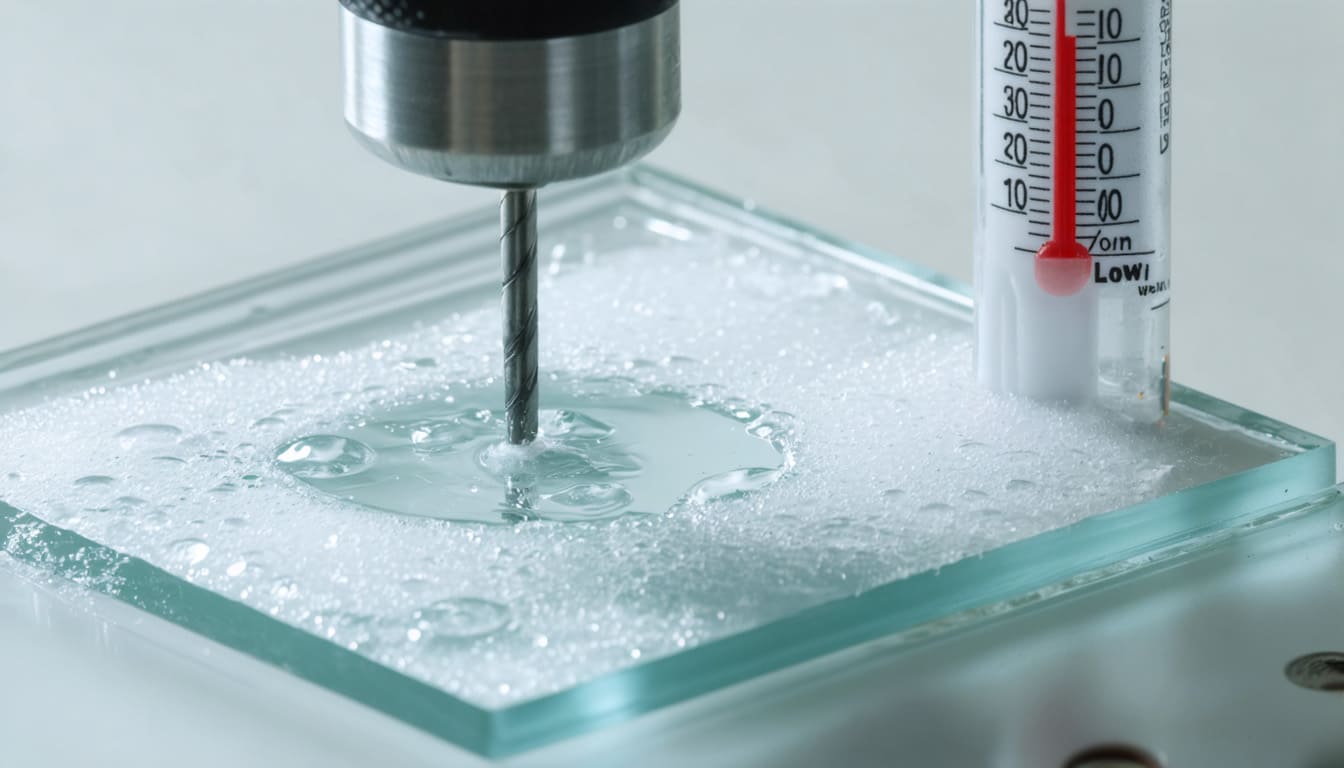
When drilling plexiglass, use a slow to moderate drill speed, typically around 500 to 1,000 RPM. High speeds generate heat, which can melt or crack the plexiglass. Adjust the speed based on the drill bit size—the larger the bit, the slower the speed should be.
The Importance of Drill Speed
Plexiglass is sensitive to heat, and drilling at high speeds increases friction, leading to melted or deformed edges around the hole. This not only looks bad but can weaken the material.
Recommended Speeds
Small Drill Bits (up to 1/8 inch): Use speeds up to 1,000 RPM.
Medium Drill Bits (1/8 to 3/8 inch): Reduce speed to around 500-750 RPM.
Large Drill Bits (over 3/8 inch): Slow down to 250-500 RPM.
My Personal Tips
Start Slow: Begin at a low speed to create the initial indentation.
Monitor Heat: If you feel the plexiglass heating up, pause and let it cool.
Use Lubrication: Applying a small amount of soapy water can reduce friction and heat.
Speed vs. Pressure
Remember, drilling is a balance between speed and pressure. Applying too much pressure at a low speed can also cause cracking. Let the drill bit cut at its own pace.
Adjusting Based on Experience
Over time, I've gotten a feel for the right speed by listening to the sound of the drill and observing the material. If I see melting or smell burnt plastic, I immediately stop and adjust my technique.
Summary Table
| Drill Bit Size | Recommended Speed (RPM) |
|---|---|
| Up to 1/8" | 750-1,000 |
| 1/8" to 3/8" | 500-750 |
| Over 3/8" | 250-500 |
By keeping the speed in check, I've managed to drill clean, precise holes in plexiglass for all my projects.
Conclusion
Drilling plexiglass doesn't have to be daunting. With the right drill bit, proper speed, and gentle technique, you can achieve professional results. I've turned my initial mishaps into valuable lessons, and I hope my experiences help you in your next plexiglass project.