Skip to content
Most people treat mirrors like furniture—until they realize one might be watching them back.
A two-way mirror is a semi-reflective surface that reflects light on one side and lets light through on the other, often used for observation or privacy.
In busy commercial spaces or public restrooms, what looks like a simple mirror could be something entirely different. And when that thought enters your mind, it’s hard to ignore. Let’s take a closer look at what these mirrors are really made for—and how to tell them apart.
What is a two-way mirror used for?
You’ve probably stood in front of one and never noticed.
Two-way mirrors are used for surveillance, privacy, and observation in interrogation rooms, dressing areas, and smart devices.
Common Applications
| Application | Purpose |
|---|---|
| Police Stations | Observe suspects discreetly |
| Retail Fitting Rooms | Monitor customer safety or theft |
| Offices | Hide security cameras or sensors |
| Smart Homes | Blend screens with décor |
They work best when the observing side is darker than the observed side. That light imbalance creates the illusion of a normal mirror.
How do you tell if a mirror is two-way?
Not all mirrors are what they seem.
You can perform a flashlight test or the fingernail test to check if a mirror is two-way.
Shining a light directly at the mirror in a dark room—if you see through it, it’s likely two-way. There’s also the finger test.
The Fingernail Trick
Place your fingertip gently against the mirror.
- If there's a visible gap between your finger and its reflection, it's a regular mirror.
- If there's no gap, and your fingertip appears to touch itself, you may be looking at a two-way mirror.
What's the difference between a one-way and two-way mirror?
The name sounds tricky, but it’s all about light control.
A two-way mirror allows partial visibility from one side depending on lighting; a one-way mirror doesn’t exist in practice—it's a misnomer.
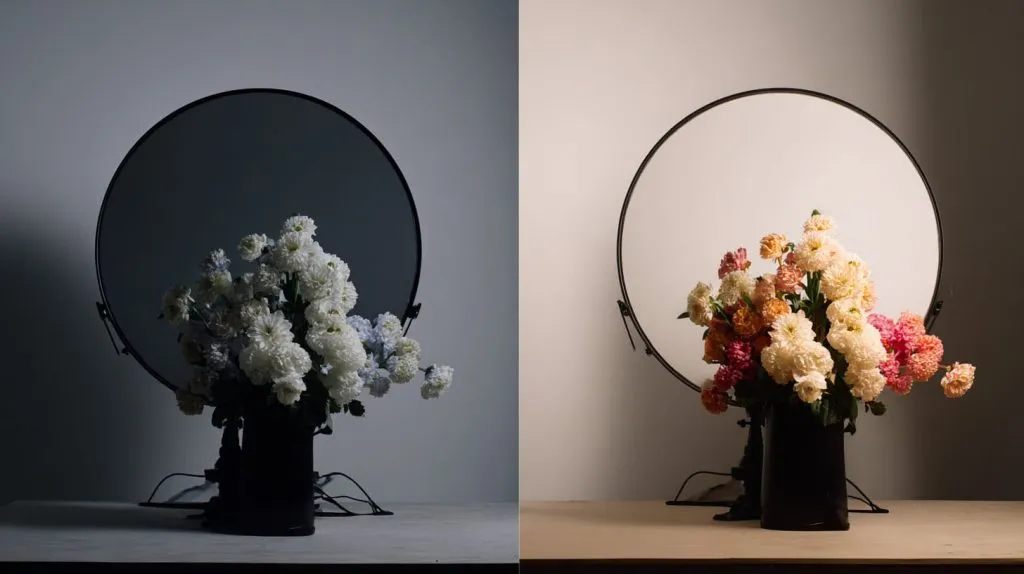
People often confuse the two. In reality, “one-way” is just another name people use for two-way mirrors. There’s no mirror that works strictly one direction under all conditions.
Can you see through two-way mirrors?
Sometimes, yes—and that’s the point.
If the room behind the mirror is dark and your room is bright, someone can see through it.

That's why lighting control is everything in two-way mirror setups. Bright lighting on your side = reflection. Darkness behind = vision.
How do I know if a mirror has a camera?
This one still makes my skin crawl.
Look for tiny holes, odd reflections, or use a flashlight to spot lens glints behind glass.
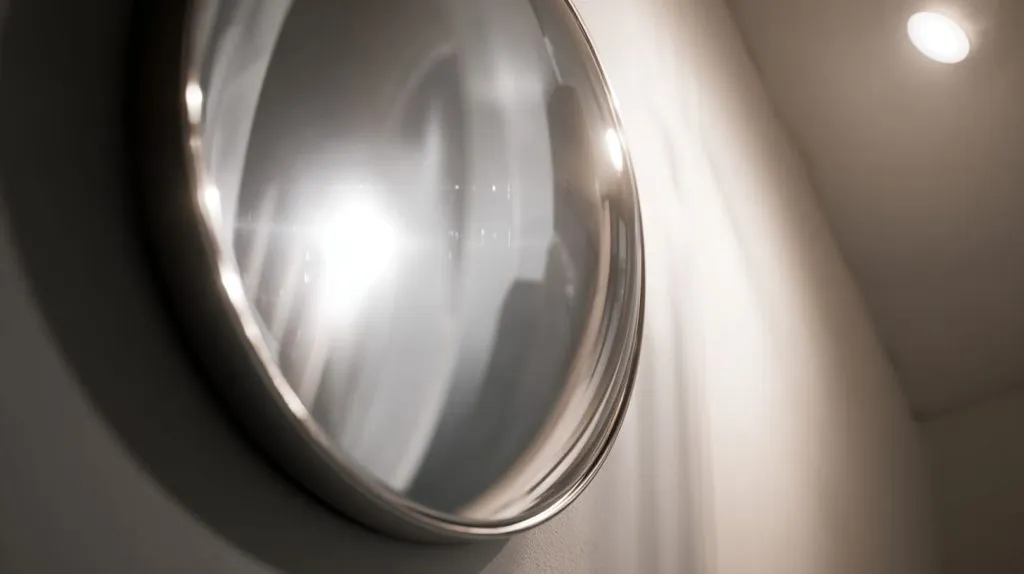
In modern builds, tiny cameras can hide easily. Some are no larger than a button. Look for pinhole-sized openings, or inspect with a phone flashlight at sharp angles.
How can I protect my privacy from two-way mirrors?
This question comes up a lot—especially in hotels or rentals.
Turn off the lights and shine a flashlight into the mirror. You’ll see what’s behind if it’s not backed. Cover the mirror if you're unsure.
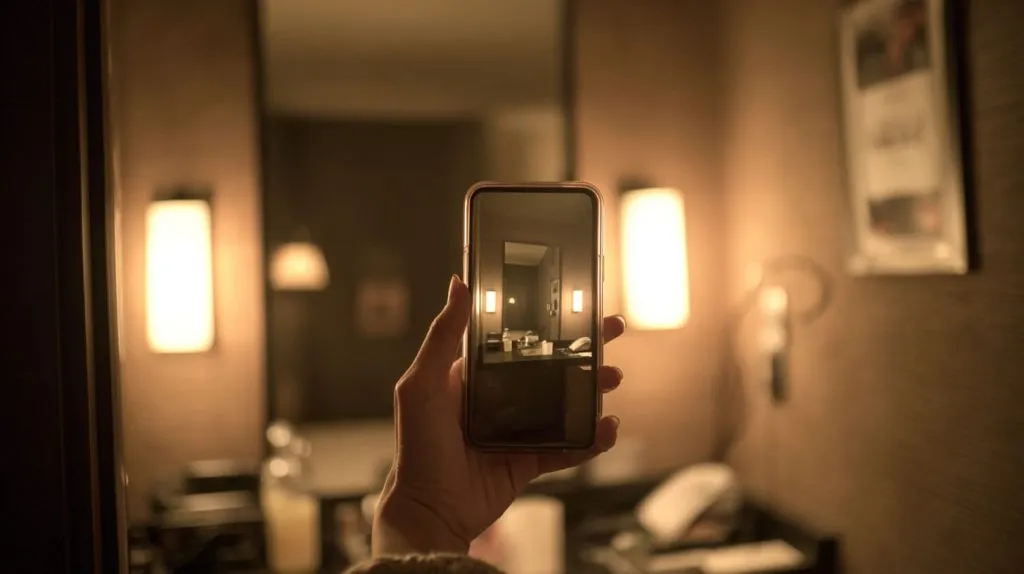
Quick Privacy Checklist
- Use your phone’s flashlight
- Look for anchoring (true mirrors are mounted on walls, not hung like pictures)
- Tap it—real mirrors often sound dull, glass sounds sharper
- Ask management (and trust your gut)
What does it mean if your finger touches in a mirror?
This one sparks a lot of myths.
If your finger touches its reflection directly, it might be a two-way mirror—but not always.
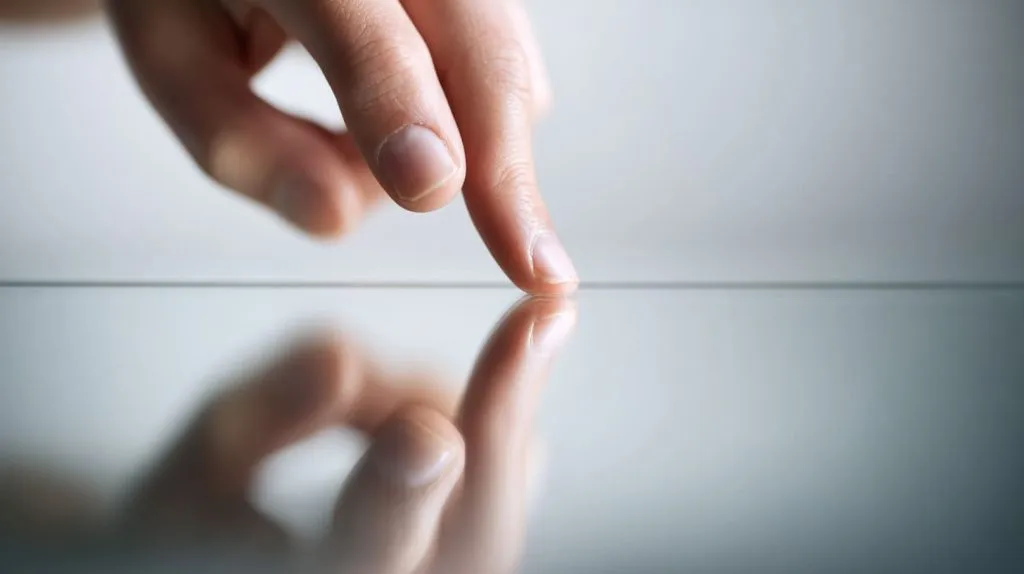
This test checks if the mirror has a second-glass layer. While useful, it’s not foolproof. Some regular mirrors may also show close reflections depending on construction.
How does a two-way mirror work in acrylic form?
Glass isn’t the only material that works like this.
Acrylic two-way mirrors are coated with a reflective film that behaves like a standard two-way mirror under controlled lighting.
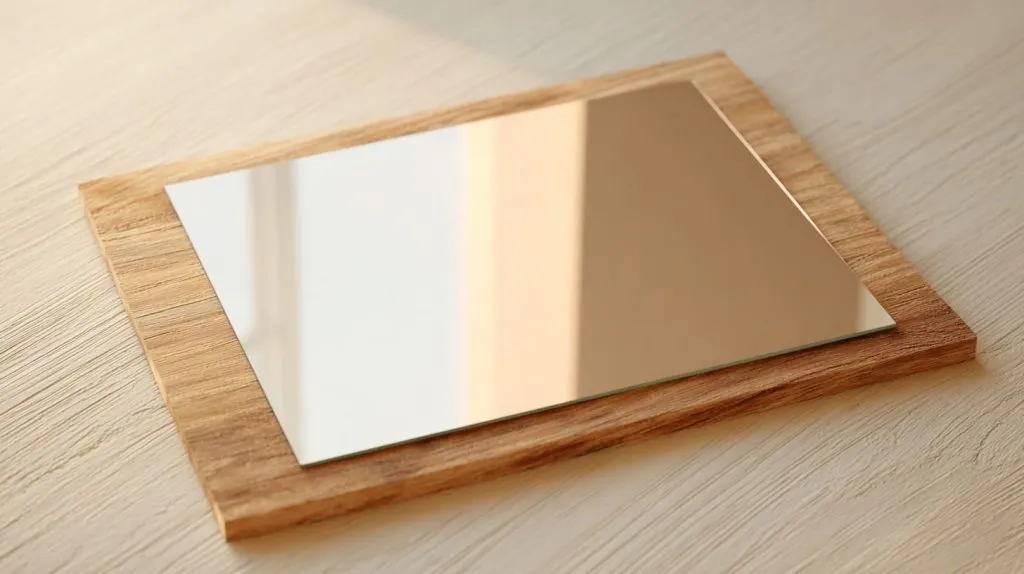
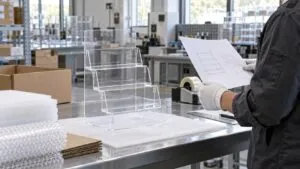
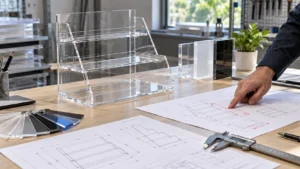
They’re lighter, shatter-resistant, and easy to customize. We use them often in custom display work where weight or safety is a concern.
Can acrylic be used to make a two-way mirror?
Yes—and it’s a game-changer for displays.
Acrylic is a popular alternative to glass for two-way mirrors, especially in commercial, retail, and smart device settings.

The trick is in the coating. We apply a specialized reflective layer that mimics mirror behavior, then test it under various lighting conditions.
What are the applications of two-way mirrors in commercial spaces?
This is where things get interesting.
They’re used in security, retail monitoring, branding displays, and tech interfaces.
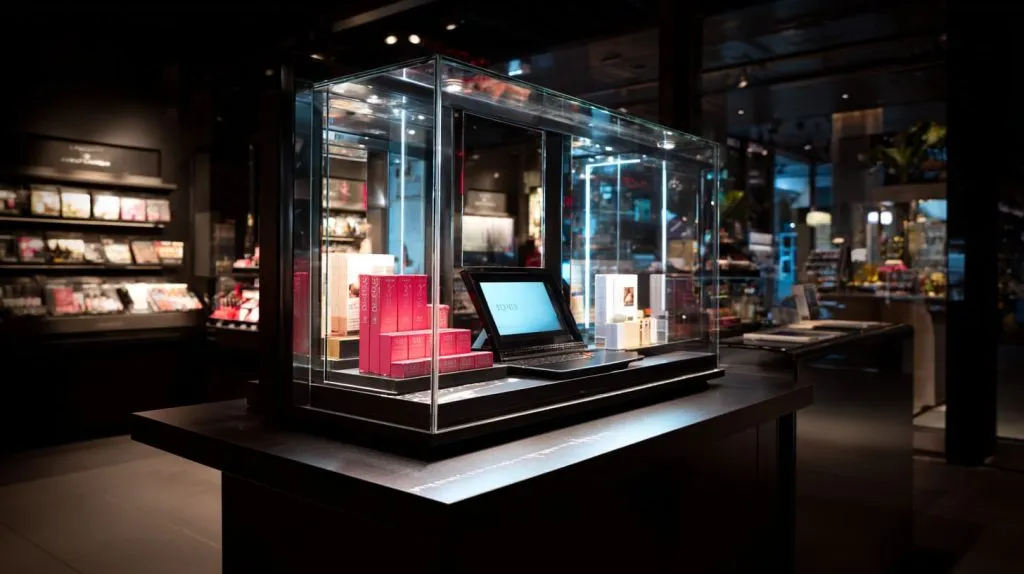
Real Uses in Real Spaces
- Retail shops use two-way acrylic for hidden cameras.
- Museums create interactive displays that change with lighting.
- Smart tech brands build hidden screens behind mirrored surfaces.
- Showrooms use them for privacy panels or illusions.
We’ve done projects where the client wanted a mirror that would turn into a screen—acrylic made that transition seamless.
What thickness is best for acrylic two-way mirrors?
I get this question from designers all the time.
3mm to 6mm is standard, but thickness depends on size and framing.
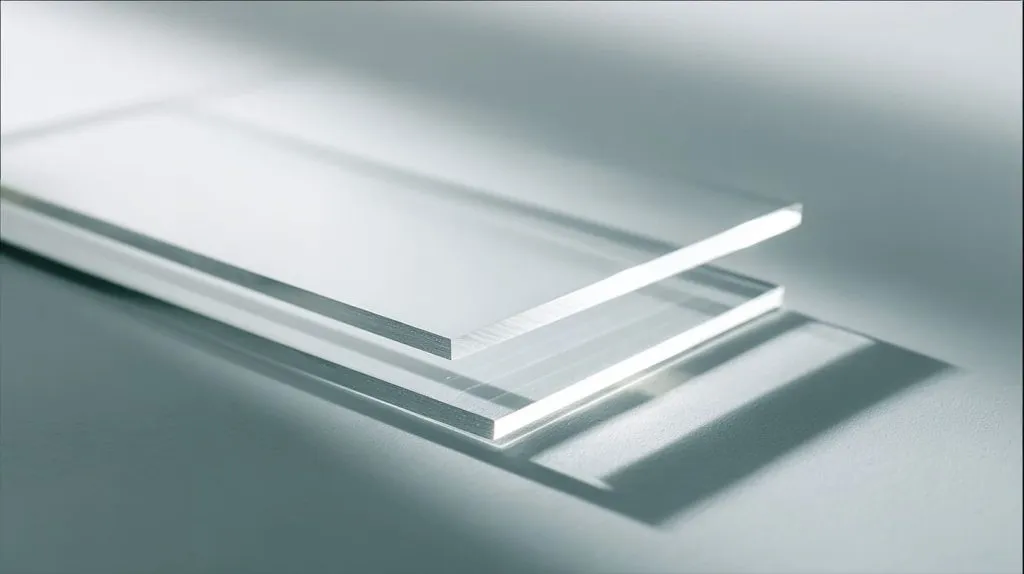
Larger panels need more rigidity, while small inserts work well at 3mm.
| Thickness | Best Use Case |
|---|---|
| 3mm | Small panels, sensors |
| 5mm | Display windows, signage |
| 6mm+ | Large architectural use |
What industries use two-way acrylic mirrors in custom displays?
Surprisingly more than you’d expect.
Retail, electronics, healthcare, education, and entertainment all use acrylic two-way mirrors for various display and privacy purposes.
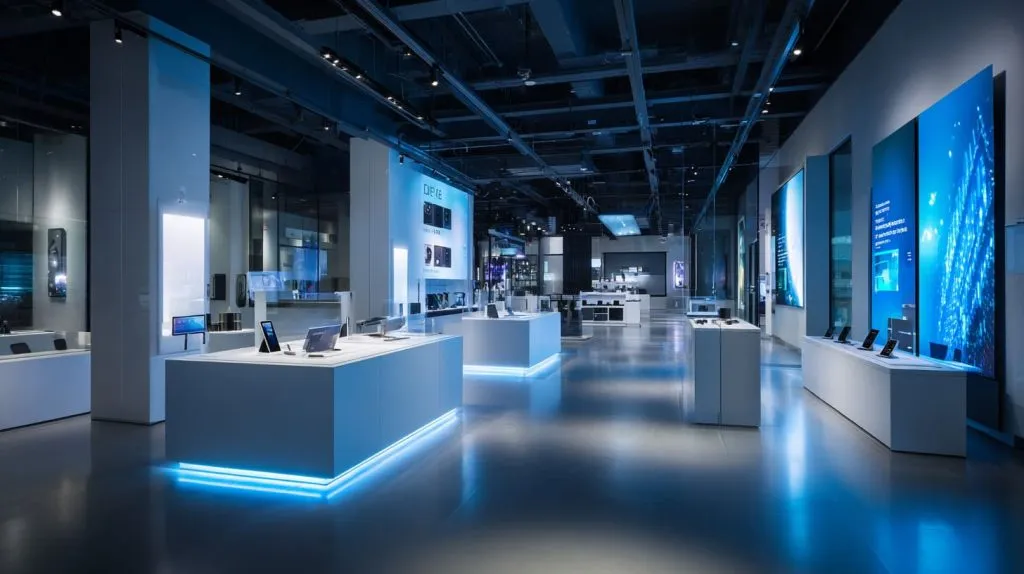
When we work with clients, we often see repeat demand from:
- Cosmetic brands: for sleek display mirrors with hidden lighting
- Electronics OEMs: to hide sensors behind clean surfaces
- Interior designers: building private rooms with see-through control
- Museums and galleries: for illusion-based exhibits
Conclusion
Two-way mirrors aren’t just about secrecy—they’re about control, design, and experience. Acrylic gives us a safer, lighter, and more creative way to bring that idea to life.