Skip to content
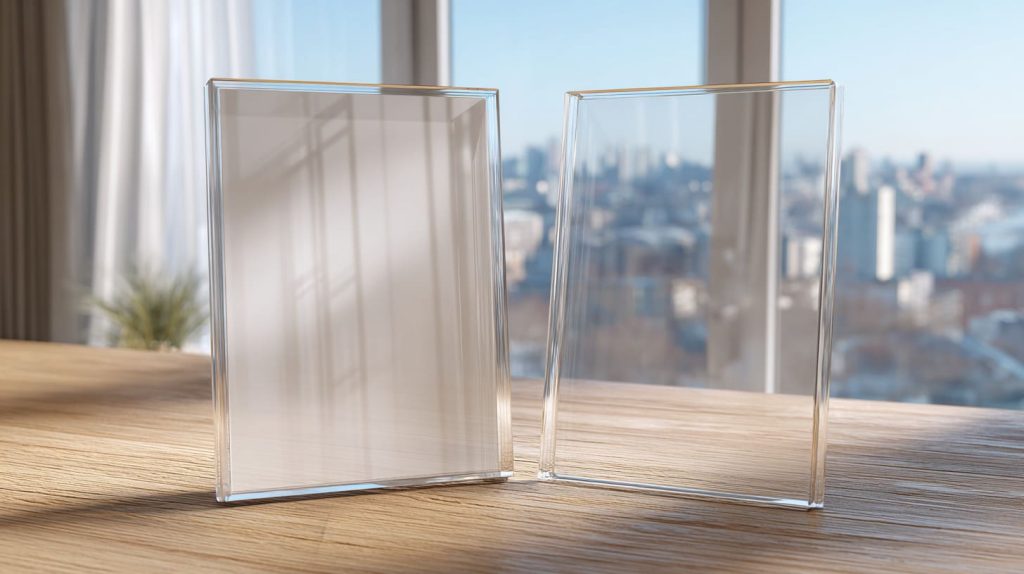
A picture frame cover looks like a small detail.
Just one clear sheet.
It sits in front of a photo, a certificate, a poster, a print, or a piece of artwork. Many buyers look at it for two seconds and then move on to the frame color, packaging, price, or logo position.
I understand that feeling.
When a frame sample is placed on the table, the cover does not shout. It does not have a fancy shape. It does not have a moving part. It does not ask for attention.
But in real custom production, I have learned one simple thing:
The cover can quietly decide whether a picture frame feels cheap, premium, safe, risky, easy to ship, or painful to sell.
I have seen nice-looking frame samples become a problem after shipment. The glass looked beautiful in the sample room, but cartons arrived with broken corners. I have also seen acrylic covers pass shipping well, but the buyer forgot to consider scratch resistance. Then the customer complained after cleaning the surface with the wrong cloth.
Small sheet. Big consequence.
That is why I do not treat picture frame covers as a small accessory. I treat them as one of the key decisions in a frame project.
For B2B buyers like Jacky, this choice is not only about “which one looks clearer.” It is about cost, risk, customer use, display environment, packaging method, and long-term product positioning.
In this article, I will walk through the main types of picture frame covers: acrylic, glass, UV-protective options, and anti-glare choices. I will also share how I usually think about them when I look at a real custom frame project.
What Are Picture Frame Covers and Why Do They Matter?
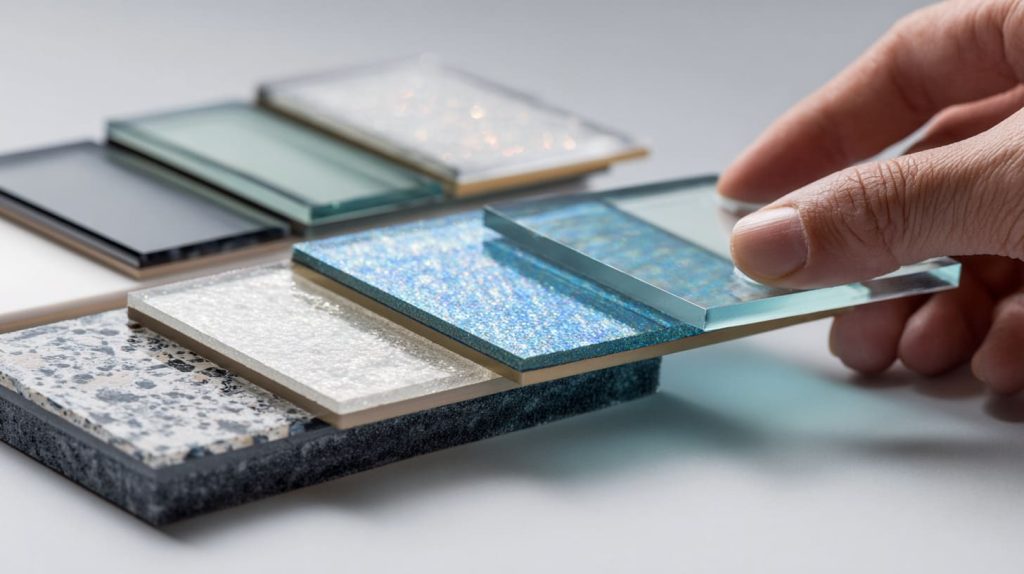
A picture frame cover is the transparent front panel that protects what sits inside the frame.
It may protect a family photo.
It may protect a retail poster.
It may protect a certificate.
It may protect a limited print.
It may protect a product image inside a store display.
At first, it sounds simple.
But a frame cover does more than “cover” something. It changes how the product looks, feels, ships, and survives.
When I check a frame project, I do not only ask, “Is the cover clear?” I also ask, “Who will touch it, where will it be used, how far will it ship, and what happens if it breaks?”
That question often saves trouble later.
What is a frame cover?
A frame cover is the clear sheet placed in front of the photo, poster, print, or artwork.
Most frame covers are made from:
| Cover Material | Common Name | Main Feeling |
|---|---|---|
| Acrylic | Plexiglass, PMMA | Lightweight, safe, easy to customize |
| Glass | Standard glass, float glass | Hard surface, premium feel |
| UV acrylic | UV-filtering acrylic | Better fade protection, safer shipping |
| UV glass | UV-coated glass | Premium protection, heavier structure |
| Anti-glare acrylic | Matte acrylic, P95/P99 | Less reflection, softer image |
| Anti-glare glass | Etched or coated glass | Less glare, higher cost |
A buyer may call all of them “clear panels.”
But they behave very differently.
That difference matters when the product moves from sample table to real market.
Key functions of a frame cover
A frame cover has three main jobs.
It protects.
It displays.
It supports the product value.
That sounds basic, but each job has hidden details.
| Function | What It Means in Real Use | Why Buyers Should Care |
|---|---|---|
| Dust protection | Keeps dirt away from photos and prints | Reduces cleaning and customer complaints |
| Impact protection | Helps prevent direct damage | Important for shipping and public use |
| UV protection | Slows fading from light exposure | Important for artwork and long-term display |
| Visual clarity | Keeps image clean and sharp | Affects first impression |
| Surface feel | Changes perceived product quality | Important for premium frames |
| Safety | Reduces injury risk if damaged | Important for homes, schools, stores, and children’s areas |
I once checked a frame project for a retail display. The buyer first asked only about cost. But after we discussed where the frame would be used, the answer changed.
The frames were not going into quiet living rooms. They were going into stores. Workers would move them. Customers might touch them. Cartons would travel a long distance. In that case, the “cheapest clear cover” was not really cheap.
It only looked cheap on paper.
Why cover selection impacts total project cost
The cost of a frame cover is not only the material price.
The real cost includes:
- Broken covers during shipping
- Extra protective packaging
- Higher freight cost from weight
- Customer returns
- Replacement parts
- Poor reviews
- Cleaning problems
- Long-term fading
- Unsafe breakage
Here is a simple way I like to look at it:
| Cost Area | Acrylic Cover | Glass Cover |
|---|---|---|
| Material cost | Usually moderate | Often low to moderate |
| Shipping cost | Lower because it is light | Higher because it is heavy |
| Breakage risk | Low | Higher |
| Scratch risk | Higher | Lower |
| Safety risk | Lower | Higher if broken |
| Packaging pressure | Easier | More careful packing needed |
| Customer handling | Safer | Needs more care |
A cover that costs less at the factory may cost more after shipment.
That is the uncomfortable part.
A buyer may save a few cents or a few dollars on each frame. But if the breakage rate rises, the saving disappears quickly.
I have seen this happen. Nobody enjoys that email.
“Some units arrived broken. Please advise.”
That one sentence can ruin a calm Monday morning.
So before choosing the cover, I like to slow down and look at the full journey of the product.
Because the frame does not live only in a sample room.
It lives in cartons, trucks, warehouses, retail shelves, homes, and sometimes in the hands of people who do not handle products gently.
And that brings us to the main cover types available in the market.
What Types of Picture Frame Covers Are Available?
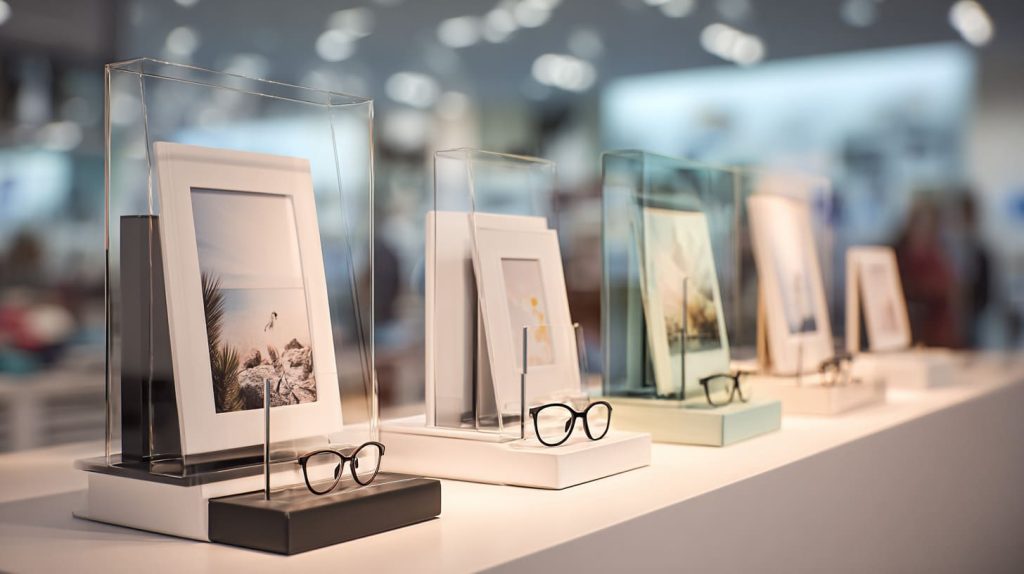
Picture frame covers can be grouped in several ways.
Some buyers group them by material.
Some group them by surface.
Some group them by function.
In real projects, I prefer to look at all three. A material name alone does not tell the full story.
This is where many frame projects become confusing, because “acrylic” does not always mean the same acrylic, and “glass” does not always mean the same glass.
Standard categories in the market
The most common frame cover types are:
| Category | Common Options | Best For |
|---|---|---|
| Acrylic | Clear acrylic, anti-glare acrylic, UV acrylic | Shipping safety, custom sizes, public use |
| Glass | Standard glass, tempered glass, low-iron glass | Premium indoor frames, scratch resistance |
| UV-protective covers | UV acrylic, UV-coated glass | Artwork, photos, long-term display |
| Anti-glare covers | Matte acrylic, etched glass, coated glass | Bright rooms, retail lighting, office displays |
Most buyers start with this question:
“Should I use acrylic or glass?”
That is a good start. But it is not enough.
The better question is:
“What must this cover survive?”
That question moves the conversation from material name to real use.
How the industry classifies cover types
I usually classify frame covers by three layers.
1. By material
This is the basic layer.
| Material | Main Character |
|---|---|
| Acrylic | Light, safer, easier to process |
| Glass | Harder surface, heavier, fragile |
| Polycarbonate | Very strong, but often more expensive and easier to scratch |
| Specialty coated material | Designed for UV, glare, or scratch performance |
For most picture frame projects, acrylic and glass are the main choices.
Polycarbonate is strong, but it is not always the first choice for normal frames because of price, scratch concerns, and optical needs.
2. By surface treatment
This is where many buyers miss details.
Two covers may both be acrylic, but one may be clear and glossy, while another may be matte anti-glare.
| Surface Type | Visual Result | Common Trade-Off |
|---|---|---|
| Clear glossy | Sharp and bright | More reflection |
| Matte / anti-glare | Less reflection | Slightly softer image |
| Coated | Better special performance | Higher cost |
| Scratch-resistant coating | Better cleaning durability | May increase price and MOQ |
A cover is not only a material. It is also a surface.
That surface decides how the image behaves under light.
3. By performance
This is the layer I care about most in B2B projects.
| Performance Need | Possible Cover Type |
|---|---|
| Less breakage | Acrylic |
| Better scratch resistance | Glass |
| Less fading | UV acrylic or UV glass |
| Less reflection | Anti-glare acrylic or glass |
| Premium appearance | Low-iron glass or high-quality acrylic |
| Large custom size | Acrylic is often easier |
| Safer public display | Acrylic is often safer |
A good cover choice is not about picking the “best” material.
It is about matching performance to risk.
For example, a small desk frame sold in local shops may work fine with standard glass. But a large wall frame shipped internationally may become much safer with acrylic.
Same product category. Different answer.
That is why I always want to know the use case before I judge the material.
Now let us look at acrylic first, because acrylic is one of the most common choices for custom frame projects that need safer shipping and flexible sizes.
What Is Acrylic (Plexiglass) Frame Cover?

Acrylic frame cover is a clear plastic sheet made from PMMA. Many people call it plexiglass.
It looks similar to glass at first glance, but it behaves differently.
It is lighter.
It is more impact-resistant.
It is easier to cut.
It is safer when shipped.
I often see acrylic used in picture frames, poster frames, acrylic blocks, display covers, retail signage, and custom display products.
When I see a frame project with large sizes, international shipping, or public use, acrylic usually becomes one of the first materials I consider because damage risk matters more than the clean look of one perfect sample.
Key properties of acrylic
Acrylic has a very useful balance.
It is clear enough for many display needs, but it is much lighter and safer than glass.
| Property | Acrylic Frame Cover Performance |
|---|---|
| Weight | Much lighter than glass |
| Impact resistance | Better than glass |
| Clarity | High transparency |
| Processing | Easy to cut, drill, polish, and customize |
| Safety | Does not shatter like glass |
| Scratch resistance | Lower than glass |
| Static dust | Can attract dust if handled poorly |
| Shipping | More friendly for export projects |
I like acrylic because it gives buyers more freedom.
A buyer can choose custom size, thickness, edge finish, drilling holes, special shapes, and different surface treatments. That is very useful for B2B custom work.
But acrylic is not magic.
It can scratch.
It needs protective film.
It needs careful cleaning.
It should not be wiped with rough cloth.
I always tell customers one thing: acrylic is strong against impact, not strong against careless surface treatment.
That small difference matters.
Types of acrylic used in frames
Not all acrylic frame covers are the same.
Here are the common types.
| Acrylic Type | Main Feature | Typical Use |
|---|---|---|
| Clear acrylic | High clarity, glossy surface | General picture frames, displays |
| Anti-glare acrylic | Matte surface reduces reflection | Retail, office, bright rooms |
| UV-filtering acrylic | Helps reduce UV damage | Art prints, photos, long-term display |
| Scratch-resistant acrylic | Coated surface improves durability | Higher-end displays, frequent cleaning |
| Colored or tinted acrylic | Decorative effect | Special design frames |
Clear acrylic
Clear acrylic is the most basic and common option.
It gives a clean look. It is light. It works well for many home, office, and retail frame projects.
For custom acrylic frame products, clear acrylic is often a practical choice because it balances price, appearance, and processing flexibility.
But clear acrylic reflects light.
If the frame will be under strong lighting, reflection may become a problem.
Anti-glare acrylic
Anti-glare acrylic has a matte or lightly textured surface.
It reduces reflection. It makes the image easier to see under certain lighting.
But there is a trade-off.
The image may look slightly softer, especially if the cover is not close to the print.
This is a detail that buyers often miss.
If there is an air gap between the print and the anti-glare cover, the image can look less sharp. So the frame structure also matters.
UV-filtering acrylic
UV acrylic is used when fading is a concern.
It is useful for photos, artwork, posters, certificates, and display materials that need longer life.
For B2B buyers, UV acrylic can also help create a more premium product line.
It gives the product a clear selling point.
But the buyer should not treat UV protection as a total shield. It reduces damage. It does not stop time.
Light, heat, humidity, and ink quality still matter.
Advantages and limitations
Acrylic is a very practical material, but I never like to sell it as perfect.
Acrylic has strengths and weak points.
| Factor | Advantage | Limitation |
|---|---|---|
| Safety | Safer than glass when damaged | Can still crack under extreme force |
| Shipping | Lower breakage risk | Needs surface film protection |
| Weight | Easier to handle and ship | Very thin sheets may feel flexible |
| Customization | Easy to cut and shape | Tight tolerances still need control |
| Appearance | Clear and modern | Can scratch if cleaned wrongly |
| Cost | Good for many custom projects | Special grades cost more |
When I prefer acrylic
I usually prefer acrylic when:
- The frame is large
- The product will be exported
- The customer worries about breakage
- The frame is used in retail
- Children or public users may touch it
- The frame needs custom size or shape
- The buyer wants lighter packaging
- The project needs OEM flexibility
Acrylic is not always the premium-feeling option. But it is often the more forgiving option.
And in real export business, forgiving materials are valuable.
Because cartons get dropped.
Workers get busy.
Customers clean products in strange ways.
Shipping is not a spa treatment.
I have seen enough damaged samples to respect that.
Still, some buyers need the hard surface and premium feel of glass. So let us look at glass next.
What Is Glass Frame Cover?
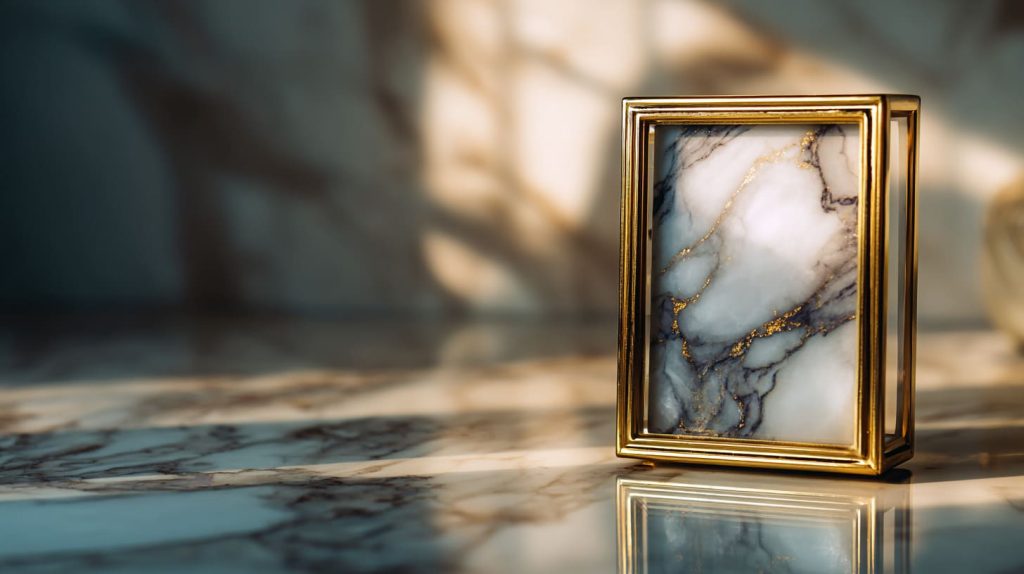
Glass is the traditional frame cover material.
Many customers still like it because it feels hard, flat, and premium. When you tap it, it sounds solid. When you clean it, it resists scratches better than acrylic. For small indoor frames, glass can work very well.
But glass has one big personality problem.
It breaks.
That one fact changes packaging, shipping, safety, weight, and after-sales risk.
Before I choose glass for a frame project, I always imagine the worst carton in the shipment, not the best sample on the table.
Types of glass used in frames
There are several types of glass used for picture frame covers.
| Glass Type | Main Feature | Common Use |
|---|---|---|
| Standard float glass | Basic clear glass | Low-cost frames, home use |
| Tempered glass | Stronger and safer when broken | Larger or safer frame designs |
| Low-iron glass | Better clarity, less green tint | Premium frames, art display |
| UV-coated glass | Helps reduce fading | Artwork and archival framing |
| Anti-glare glass | Reduces reflection | Gallery and bright environments |
Standard float glass
Standard float glass is common and affordable.
It has good scratch resistance. It gives a clean, flat surface. It is often used in small or mid-size frames.
But it can break into sharp pieces.
That is the part B2B buyers must consider, especially when shipping frames across countries.
Tempered glass
Tempered glass is stronger than standard glass.
When it breaks, it usually breaks into small pieces instead of sharp long shards. That can improve safety.
But tempered glass has limits.
It still breaks.
It is still heavy.
It may cost more.
It needs careful processing before tempering.
After tempering, cutting or drilling is usually not possible. So the design must be confirmed early.
Low-iron glass
Low-iron glass has better clarity because it reduces the greenish tint seen in normal glass.
It is often used for higher-end displays.
The image may look cleaner, especially with white backgrounds or light-colored artwork.
But the cost is higher. It may not be necessary for every project.
If the frame is for mass-market retail, the buyer may not get enough value from low-iron glass. If the frame is for premium art or high-end interior display, it may make sense.
Key properties of glass
Glass has a strong surface advantage.
It resists scratches better than acrylic. That is why many people still trust it for long-term indoor display.
| Property | Glass Frame Cover Performance |
|---|---|
| Weight | Heavy |
| Scratch resistance | Strong |
| Impact resistance | Weak compared with acrylic |
| Clarity | Good, better with low-iron glass |
| Safety | Risky if broken |
| Cleaning | Easy to clean |
| Shipping | Needs stronger protection |
| Customization | Less flexible than acrylic |
The surface hardness of glass is useful.
In a home or gallery, people may clean the frame often. Glass can handle wiping better than acrylic.
But heavy weight becomes a real issue for larger sizes. It affects wall mounting, package strength, freight cost, and handling.
Advantages and limitations
Glass works well when the environment is controlled.
It becomes risky when the product is large, shipped far, or handled often.
| Factor | Advantage | Limitation |
|---|---|---|
| Surface durability | Hard to scratch | Can still chip or crack |
| Appearance | Solid, premium feel | Can have green tint unless low-iron |
| Cleaning | Easy to wipe | Broken glass is dangerous |
| Cost | Standard glass can be affordable | Packaging and freight may add cost |
| Safety | Tempered glass improves safety | Still heavier and breakable |
| Custom use | Good for fixed designs | Less flexible for special shapes |
When I prefer glass
I may prefer glass when:
- The frame is small
- The product is sold locally
- Scratch resistance is more important than breakage risk
- The buyer wants a traditional premium feel
- The display stays indoors
- The product is not handled often
- The packaging budget can support protection
For example, a small certificate frame for an office may use glass very well. But a large poster frame shipped in bulk across the ocean may be another story.
Glass can look calm in the showroom.
But logistics can turn calm into drama.
That is why the next cover type matters: UV-protective covers. Because sometimes the biggest damage is not breakage. It is fading.
What Are UV-Protective Frame Covers?
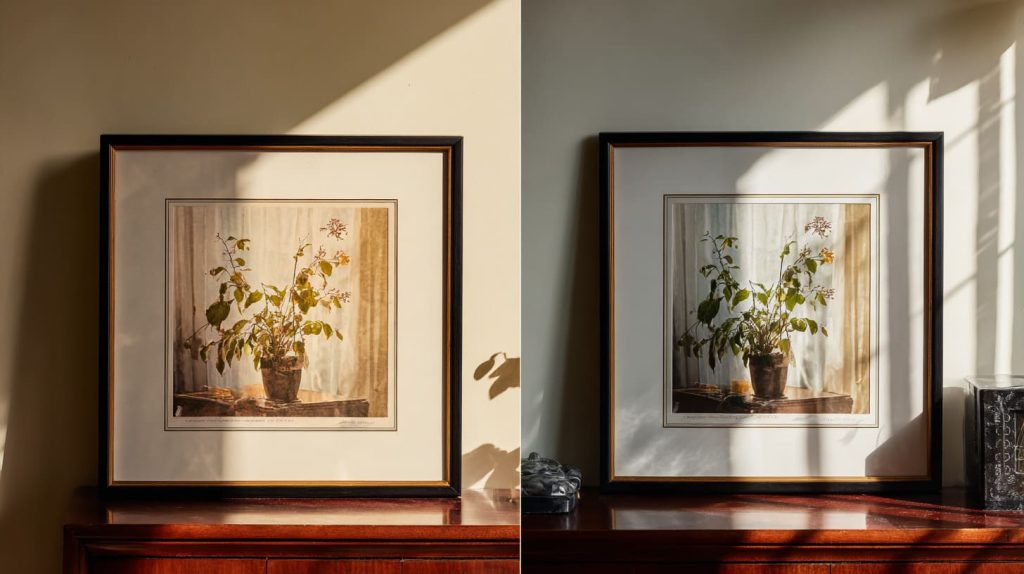
UV-protective frame covers are designed to reduce damage from ultraviolet light.
This matters because light can slowly fade photos, posters, prints, and artwork.
The change does not happen in one day. It happens quietly. A red area becomes dull. A black area becomes weak. A bright poster starts to look tired.
I have seen buyers focus on frame style but forget the display environment. If the frame sits near sunlight every day, the cover is no longer just a clear sheet; it becomes part of the protection plan.
Why UV protection matters
UV light can damage many printed materials.
It can affect:
- Photos
- Art prints
- Posters
- Certificates
- Retail graphics
- Museum-style displays
- Collectible items
- Signed prints
The risk depends on the light source, display time, ink quality, paper quality, and room conditions.
| Display Situation | UV Risk Level | Suggested Cover |
|---|---|---|
| Dark hallway | Low | Standard acrylic or glass may work |
| Normal office | Medium | Clear acrylic or UV option |
| Near window | High | UV acrylic or UV glass |
| Retail store with strong lighting | Medium to high | UV or anti-glare option |
| Gallery or collectible display | High | UV acrylic or UV-coated glass |
| Temporary event display | Low to medium | Standard or anti-glare cover |
UV protection does not make a print immortal.
But it can slow down fading.
For higher-value displays, that matters.
Types of UV-protective covers
There are two common UV-protective options.
UV acrylic
UV acrylic is one of the most practical choices for many B2B frame projects.
It combines:
- Lighter weight
- Better impact resistance
- UV filtering
- Easier customization
- Safer shipping
Many UV acrylic products can block a high percentage of UV light, often around 98% depending on the grade and supplier specification.
For export projects, I like UV acrylic because it solves two problems at the same time: breakage risk and fading risk.
That is a useful combination.
UV-coated glass
UV glass uses coating or special treatment to reduce UV transmission.
It can offer strong visual quality and better scratch resistance than acrylic.
But it also keeps the weight and breakage issues of glass.
| UV Cover Type | Strength | Weak Point |
|---|---|---|
| UV acrylic | Light, safer, customizable | Easier to scratch |
| UV glass | Hard surface, premium feel | Heavy and breakable |
| UV anti-glare acrylic | UV protection + lower reflection | Image may be slightly softer |
| UV anti-glare glass | Premium performance | Higher cost and careful handling |
When UV protection is necessary
UV protection is not always needed.
If the frame holds a low-cost temporary poster for a short event, UV material may not be worth the extra cost.
But I would consider UV protection when:
- The frame will be placed near windows
- The image has strong colors
- The artwork has value
- The product is sold as premium
- The display must last for years
- The customer may complain about fading
- The frame is used in galleries, offices, hotels, or stores
One detail is easy to overlook.
A buyer may not know where the final customer will place the frame. The buyer sells the frame, but the end user controls the room.
That is why UV protection can be a useful safety margin for better product lines.
It reduces a risk that is hard to control later.
Still, UV protection does not solve everything. A UV cover may protect against fading, but it may still reflect light, scratch, break, or increase cost.
So we need to compare acrylic and glass in real projects, not just in material descriptions.
How Do Acrylic and Glass Compare in Real Projects?
Acrylic and glass are often compared like two simple choices.
Acrylic is light.
Glass is hard.
That is true, but it is not enough.
In real projects, the better choice depends on size, shipping method, target customer, display place, packaging, and after-sales risk.
When I compare acrylic and glass, I do not ask which material wins in theory; I ask which material creates fewer problems for this exact order.
Comparison table: Acrylic vs Glass
Here is a practical comparison.
| Factor | Acrylic Cover | Glass Cover |
|---|---|---|
| Weight | Light | Heavy |
| Impact resistance | Stronger | Weaker |
| Scratch resistance | Weaker | Stronger |
| Clarity | High | High |
| Premium feel | Modern and clean | Traditional and solid |
| Safety | Safer if damaged | Can be dangerous if broken |
| Shipping risk | Lower breakage risk | Higher breakage risk |
| Custom size | Easier | More limited |
| Large frames | Usually better | Heavy and risky |
| Cleaning | Needs soft cloth | Easier to wipe |
| Cost view | May cost more than basic glass | Material may be cheap, but shipping can cost more |
This table looks simple. But the real decision is not always simple.
For example:
A small tabletop photo frame for local sales may use glass well.
A large wall frame shipped by sea to North America may be better with acrylic.
A premium gallery frame may use low-iron UV glass.
A retail poster frame that workers change often may use acrylic because safety and handling matter.
Same product family. Different answer.
Real-world decision factors
1. Shipping distance and logistics
Shipping changes everything.
A frame cover may survive factory inspection but fail during transportation.
I have seen packaging tests where the product looked fine at first. Then one corner impact changed the result.
For long-distance export, acrylic often gives more peace of mind.
| Shipping Situation | Safer Choice |
|---|---|
| Local delivery, small frames | Glass can work |
| International shipment | Acrylic is often safer |
| Mixed cargo or rough handling | Acrylic is better |
| Premium small frames with strong packaging | Glass may work |
| Large-size frames | Acrylic is usually better |
Acrylic reduces breakage risk. It also reduces weight.
That helps freight cost and handling.
2. Target market
The customer’s expectation matters.
Some markets expect glass because it feels traditional. Some customers prefer acrylic because it is safer and lighter.
| Market Position | Possible Cover Choice |
|---|---|
| Budget home frame | Standard glass or clear acrylic |
| Child-safe frame | Acrylic |
| Retail display frame | Acrylic or anti-glare acrylic |
| Premium office frame | Glass, low-iron glass, or high-quality acrylic |
| Art print frame | UV acrylic or UV glass |
| Large poster frame | Acrylic |
A buyer should not only think like a factory.
A buyer should think like the end user.
Will they touch it?
Will they hang it?
Will they clean it?
Will they complain if it scratches?
Will they complain if it breaks?
Those questions are not small.
They decide the right material.
3. Size of frame
Size changes the answer very quickly.
Small glass may be acceptable. Large glass becomes heavy and risky.
| Frame Size | Acrylic | Glass |
|---|---|---|
| Small | Good | Good |
| Medium | Good | Possible |
| Large | Very practical | Heavy and risky |
| Oversized custom | Often preferred | Usually difficult |
When the size grows, acrylic becomes more attractive.
It reduces weight. It improves handling. It lowers breakage concerns.
But thickness must be chosen carefully. Too thin, and the acrylic may feel flexible. Too thick, and cost increases.
That is the trade-off.
4. Cleaning and daily use
Glass wins in scratch resistance.
Acrylic needs better care.
For end users who clean often, this matters.
| User Behavior | Better Choice |
|---|---|
| Careful home use | Acrylic or glass |
| Frequent wiping | Glass or scratch-resistant acrylic |
| Public touch area | Acrylic for safety |
| Store staff changing posters | Acrylic |
| Premium static display | Glass or UV glass |
I like acrylic for safety. But I still remind customers to use soft cloth and avoid harsh cleaning.
Acrylic is friendly, but it is not careless-proof.
That is why some projects need anti-glare or matte covers, especially when the frame will be used under bright lights.
What Is Anti-Glare and Matte Frame Cover?
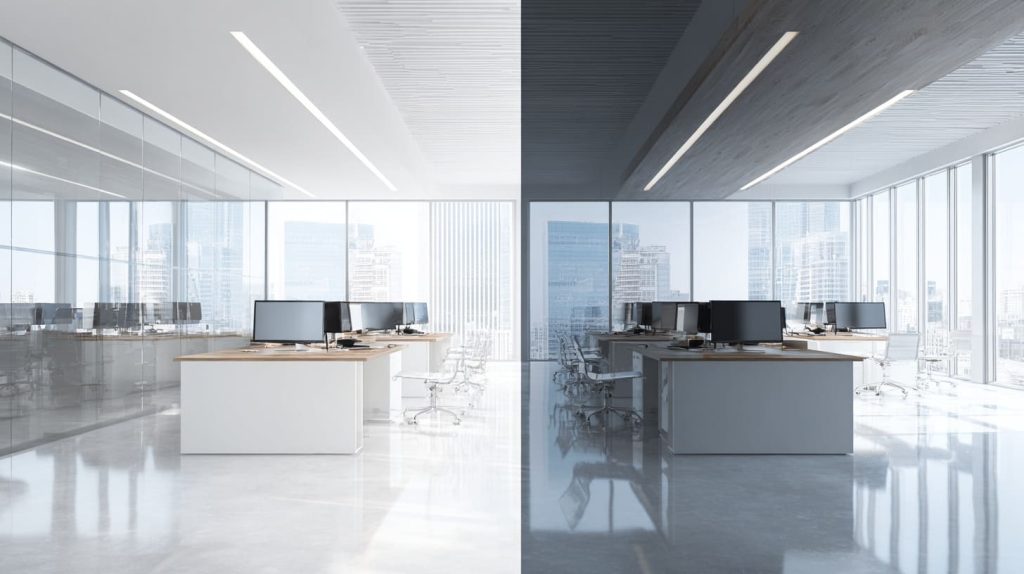
Anti-glare frame covers reduce reflection.
This sounds simple, but it can change the whole viewing experience.
A clear glossy cover can look beautiful in a quiet room. But under strong light, it may become a mirror. The viewer sees lamps, windows, or even their own face instead of the image.
That is not a small problem.
The moment I see a frame design for retail shelves or bright office walls, I start thinking about reflection before I think about surface beauty.
How glare affects display quality
Glare happens when light reflects from the cover surface.
It can make the image harder to see.
Common glare sources include:
- Windows
- Ceiling lights
- Store spotlights
- Office lighting
- Camera flash
- Display booth lights
| Environment | Glare Risk | Cover Suggestion |
|---|---|---|
| Bedroom wall | Low to medium | Clear acrylic or glass |
| Office corridor | Medium | Anti-glare option may help |
| Retail store | High | Anti-glare acrylic is useful |
| Gallery | High but quality-sensitive | Premium anti-reflective glass may fit |
| Trade show booth | High | Anti-glare cover can improve viewing |
| Menu or sign display | High | Matte acrylic often works well |
Glare is not only a visual issue.
It can hurt product value.
If a customer cannot see the print clearly, they may blame the frame, not the lighting.
Types of anti-glare solutions
There are several ways to reduce glare.
Matte acrylic
Matte acrylic has a treated surface that scatters light.
It reduces reflection and makes the display easier to view in bright conditions.
P95 and P99 acrylic are common examples in the acrylic industry. They are often used when a soft anti-glare effect is needed.
| Matte Acrylic Type | General Feature | Possible Use |
|---|---|---|
| P95 acrylic | One-side matte surface | Picture frames, display covers |
| P99 acrylic | Stronger matte effect depending on grade | Anti-glare display applications |
| Frosted acrylic | Strong diffusion | Decorative or privacy use, not always best for image clarity |
The trade-off is clarity.
Matte surfaces can reduce sharpness.
If the cover touches the print closely, the image can still look good. If there is a gap, the image may look more blurred.
This detail matters a lot.
Etched or coated glass
Anti-glare glass can be etched or coated.
It gives a more premium feel. Some high-end anti-reflective glass can reduce reflection while keeping very good clarity.
But cost can rise quickly.
Also, glass still has weight and breakage issues.
| Anti-Glare Option | Strength | Trade-Off |
|---|---|---|
| Matte acrylic | Light, safer, lower reflection | Softer image |
| Anti-glare glass | Hard surface, premium feel | Heavy and breakable |
| Anti-reflective coated glass | Better clarity and less reflection | Higher cost |
| Frosted acrylic | Strong light diffusion | Not ideal for sharp photos |
Trade-offs of anti-glare materials
Anti-glare sounds like an upgrade, but it is not always the right choice.
If the buyer wants maximum image sharpness, clear cover may be better.
If the frame will be in bright light, anti-glare may be better.
| Buyer Priority | Better Direction |
|---|---|
| Maximum sharpness | Clear acrylic or glass |
| Less reflection | Anti-glare acrylic or glass |
| Premium gallery look | Anti-reflective glass |
| Safer shipping | Anti-glare acrylic |
| Cost control | Standard clear acrylic or glass |
| Retail readability | Matte acrylic |
I once saw a buyer choose matte acrylic because it sounded “better.” But the frame design had a deep gap between the cover and the printed image. The result looked softer than expected.
The material was not wrong.
The structure was wrong for that material.
That is why I always check the distance between the cover and the image when anti-glare acrylic is used.
A surface choice can be smart in one frame and disappointing in another.
Now the real question becomes practical: how should a buyer choose the right cover for a specific project?
How to Choose the Right Frame Cover for Your Project?

Choosing the right frame cover is not about memorizing material names.
It is about matching the cover to the job.
I like to think of it like choosing shoes. A leather dress shoe may look beautiful, but it is not the best choice for a rainy warehouse visit. A running shoe may not look formal, but it survives the real road better.
Frame covers are the same.
When I help judge a cover choice, I first separate what the buyer wants from what the product must survive, because these two things are not always the same.
Key decision factors for B2B buyers
Here are the main questions I like to ask.
| Question | Why It Matters |
|---|---|
| Where will the frame be used? | Home, retail, gallery, office, school, hotel |
| How large is the frame? | Size affects weight and breakage risk |
| How far will it ship? | Export needs more safety margin |
| Who will touch it? | Public use needs safer materials |
| Is scratch resistance important? | Glass or coated acrylic may be needed |
| Is UV protection needed? | Long-term display may need UV cover |
| Is glare a problem? | Anti-glare may improve visibility |
| What is the target price? | Performance must match budget |
| Is the product premium or practical? | Material should match market position |
A good cover choice usually comes from honest answers.
Not from a beautiful sample alone.
Recommended combinations by use case
Here is how I usually think about common frame projects.
| Use Case | Recommended Cover | Why |
|---|---|---|
| Home photo frame | Clear acrylic or standard glass | Good balance of cost and appearance |
| Children’s room frame | Acrylic | Safer and lighter |
| Retail poster frame | Acrylic or anti-glare acrylic | Safer handling and better visibility |
| Office certificate frame | Glass or acrylic | Depends on price and shipping |
| Gallery-style frame | Low-iron glass or UV glass | Premium clarity and scratch resistance |
| Long-term photo display | UV acrylic | Fade protection and safer shipping |
| Large wall frame | Acrylic | Lower weight and breakage risk |
| Trade show display | Anti-glare acrylic | Less reflection under strong lighting |
| E-commerce shipped frame | Acrylic | Reduces damage claims |
This table is not a fixed rule.
It is a starting point.
Real projects still need details like thickness, frame structure, packaging, order quantity, and market expectation.
Common mistakes to avoid
Mistake 1: Choosing based on appearance only
A glass cover may look great in the sample room.
But if the product ships far and breaks easily, the beautiful sample does not help.
Appearance matters. But it is only one part of the decision.
Mistake 2: Ignoring shipping risk
Shipping risk is often invisible during sample approval.
A buyer sees one sample. The real order may involve 500, 2,000, or 10,000 pieces.
That changes the risk.
| Sample Stage Thinking | Mass Production Reality |
|---|---|
| One frame looks good | Thousands must arrive safely |
| One package is handled carefully | Many cartons face rough handling |
| One cover has no scratch | Many covers need stable protection |
| One buyer approves the look | Many end users judge the product |
Mass production has less patience than a sample room.
Mistake 3: Underestimating UV exposure
Some buyers think UV protection is only for museums.
I do not agree.
Retail displays, office walls, hotel décor, and home frames near windows can all face light damage.
If the image matters, UV should at least be discussed.
Mistake 4: Using anti-glare without checking image distance
Anti-glare acrylic can look good when used correctly.
But if the print sits too far behind the cover, the image may lose sharpness.
This is one of those small details that can surprise people.
Mistake 5: Choosing too thin material
Thin material saves cost.
But it may feel weak, bend too much, or reduce product quality.
| Frame Size | Common Cover Thinking |
|---|---|
| Small frame | Thin cover may work |
| Medium frame | Need balance between cost and stiffness |
| Large frame | Thicker acrylic may be needed |
| Premium frame | Feel and flatness matter more |
The cheapest thickness is not always the best thickness.
Sometimes it makes the whole product feel cheap.
A simple selection method
If I had to make the choice simple, I would use this method:
Start with the use environment
- Indoor, outdoor-like light, retail, gallery, home, office
Check shipping and handling risk
- Local, export, e-commerce, bulk carton
Decide the main risk
- Breakage, scratch, glare, fading, weight, cost
Match the cover
- Acrylic for safety and shipping
- Glass for scratch resistance and premium surface
- UV cover for fading control
- Anti-glare cover for bright light
Confirm thickness and structure
- Large frames need more stiffness
- Anti-glare needs proper image distance
- Packaging must protect the surface
This method is simple. But it works.
Because it starts from real life, not from material labels.
And once the material direction is clear, customization becomes the next important part.
Customization Options for Frame Covers
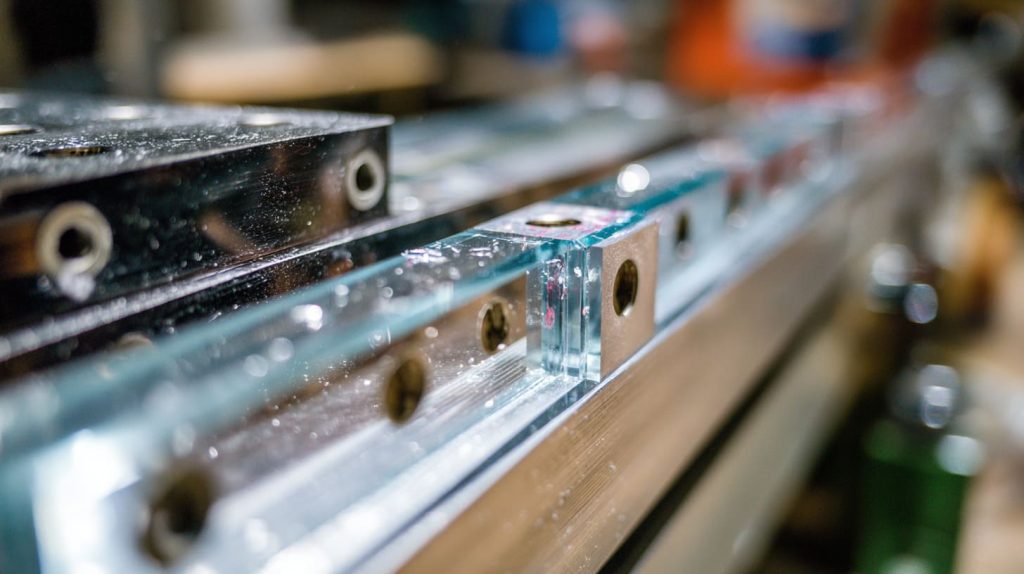
Custom frame covers are not only about cutting a sheet to size.
For B2B projects, customization can include size, thickness, edge finishing, surface treatment, UV performance, holes, shapes, protective film, packaging, and integration with the full frame design.
That is where a factory’s experience matters.
A drawing may show only length and width, but the real product depends on many small decisions that never look exciting on paper.
During custom frame cover production, I pay close attention to tolerance and surface protection because one tiny scratch or wrong size can make a clear cover look like a careless product.
Size and thickness customization
Acrylic is very friendly for custom sizes.
It can be cut into many dimensions and shapes. This is useful for custom picture frames, display frames, poster covers, acrylic blocks, and special retail display products.
| Custom Item | Why It Matters |
|---|---|
| Length and width | Must fit the frame structure |
| Thickness | Affects stiffness and product feel |
| Corner shape | Sharp or rounded corners change safety and look |
| Hole position | Important for screws or mounting |
| Edge finish | Affects premium appearance |
| Tolerance | Affects assembly and movement |
Thickness is one of the most important choices.
Too thin, and the cover may bend.
Too thick, and the cost rises.
Too heavy, and assembly may change.
| Frame Type | Thickness Thinking |
|---|---|
| Small photo frame | Thin acrylic or glass may work |
| Medium display frame | Need better stiffness |
| Large poster frame | Thicker acrylic often feels safer |
| Premium acrylic frame | Thickness affects visual value |
| Retail display frame | Strength and handling matter |
I do not like choosing thickness only by price.
Price matters, of course. But a weak-feeling cover can make the whole frame feel poor, even if the frame body is good.
Surface treatments and coatings
Surface treatment changes how the cover performs.
| Treatment | Main Purpose | Common Trade-Off |
|---|---|---|
| Clear glossy | Maximum clarity | More reflection |
| Matte / anti-glare | Less reflection | Softer image |
| UV filtering | Less fading | Higher cost |
| Scratch-resistant coating | Better surface durability | Higher MOQ or cost |
| Frosted finish | Decorative or diffusion effect | Less image clarity |
| Protective film | Prevents scratches before assembly | Must be removed carefully |
Acrylic covers often come with protective film on both sides.
This film is not decoration.
It protects the surface during cutting, packing, and assembly.
But it must be handled correctly. If workers remove it too early, scratches may appear before shipment. If the film adhesive is poor, it may leave marks.
Small detail. Real headache.
Branding and OEM possibilities
For custom frame projects, cover customization may also connect with branding.
This can include:
- Custom size
- Custom shape
- Logo printing on frame parts
- Special packaging
- Protective corners
- Labeling
- Barcode stickers
- OEM carton design
- Assembly support
- Material specification control
At Feilong Acrylic, our work is custom order focused. So I care about how the cover works with the full product, not only the sheet itself.
A picture frame cover may need to match:
| Related Part | Why It Matters |
|---|---|
| Frame border | Cover must fit cleanly |
| Back board | Pressure affects flatness |
| Clips or screws | Holes and tolerance must match |
| Packaging | Surface must not rub during transport |
| Printed insert | Clarity and glare affect image |
| Hanging method | Weight affects safety |
| End user cleaning | Surface choice affects complaints |
A clear cover can look simple, but it works inside a system.
If one part is wrong, the customer may not know which part caused the problem. They only know the product feels bad.
That is why I like to discuss the full frame structure before quoting a custom cover.
Bulk production considerations
A sample is one piece.
Bulk production is a different animal.
For bulk orders, I focus on:
- Stable material grade
- Consistent thickness
- Clean cutting
- Controlled tolerance
- Surface protection
- Packing method
- Worker handling
- Final inspection
- Clear communication with the buyer
Here is a practical checklist.
| Production Check | What I Look For |
|---|---|
| Material clarity | No yellowing or obvious defects |
| Surface condition | No scratches, bubbles, or marks |
| Size tolerance | Matches drawing and assembly need |
| Edge quality | Smooth enough for the product level |
| Protective film | Clean and stable |
| Packing | Prevents rubbing and pressure damage |
| Sample approval | Same standard used for mass production |
| Inspection | Clear criteria before shipment |
This is where factory discipline shows.
Not in the best sample.
In the 1,000th piece.
A buyer like Jacky knows this well. He has visited factories. He understands that a clean sample is only the beginning.
The real question is whether the supplier can repeat that result.
And that is exactly where the final decision should return: not to acrylic or glass as a name, but to the full real-world use of the product.
Conclusion
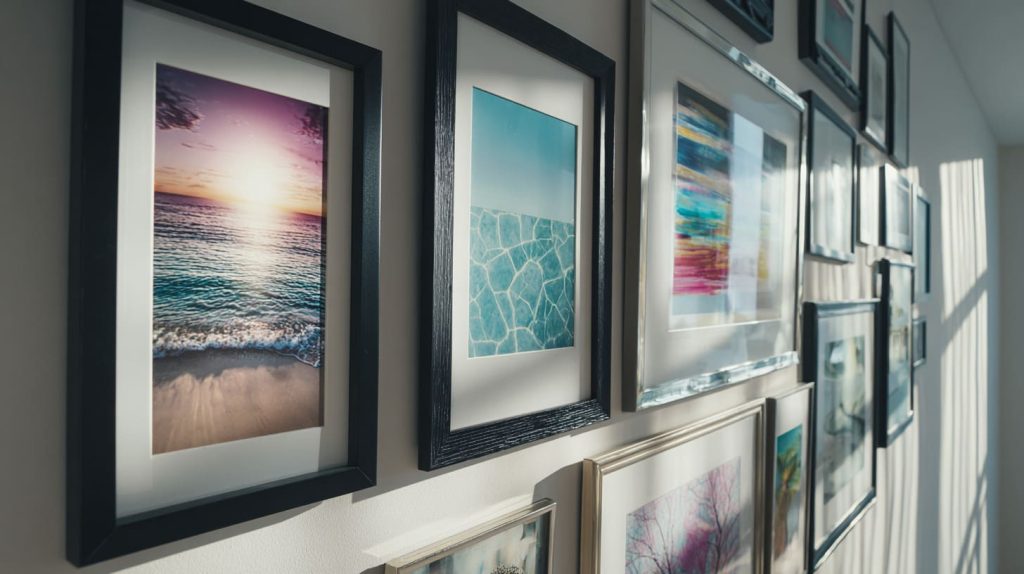
Picture frame covers may look like simple transparent sheets, but they carry many hidden decisions.
Acrylic is light, safe, impact-resistant, and friendly for custom sizes and export shipping. It is a strong choice for large frames, retail displays, e-commerce products, and projects where breakage risk matters.
Glass has a hard surface, a solid feel, and better scratch resistance. It can work very well for small indoor frames, premium products, and controlled display environments. But it brings more weight, breakage risk, and packaging pressure.
UV-protective covers help reduce fading. They are useful for artwork, photos, retail graphics, certificates, and long-term displays. UV acrylic is often practical when the buyer wants both fade protection and safer shipping.
Anti-glare covers reduce reflection. They can help in bright rooms, stores, offices, and trade show displays. But they may reduce sharpness if the frame structure is not designed well.
So I do not believe there is one “best” picture frame cover for every project.
There is only the best match.
A good choice depends on:
- Where the frame will be used
- How far it will ship
- Who will handle it
- How large it is
- How often it will be cleaned
- Whether glare matters
- Whether fading matters
- What market position the product needs
For me, the smartest cover choice is the one that reduces real problems after the product leaves the factory.
If you are developing a custom picture frame, acrylic frame cover, display frame, or OEM frame product, you can start with one simple question:
What must this cover survive in real life?
Once that answer is clear, the material choice becomes much easier.
At Feilong Acrylic, we work with custom acrylic products for B2B buyers, including displays, boxes, frames, stands, racks, and other tailored acrylic parts. If you need a custom acrylic frame cover or want to compare clear, anti-glare, and UV acrylic options for your project, you can share your drawing, size, thickness, quantity, and application details with us.
A clear cover may look quiet.
But when it is chosen well, it protects the product, supports the brand, and saves many headaches before they ever happen.