Skip to content
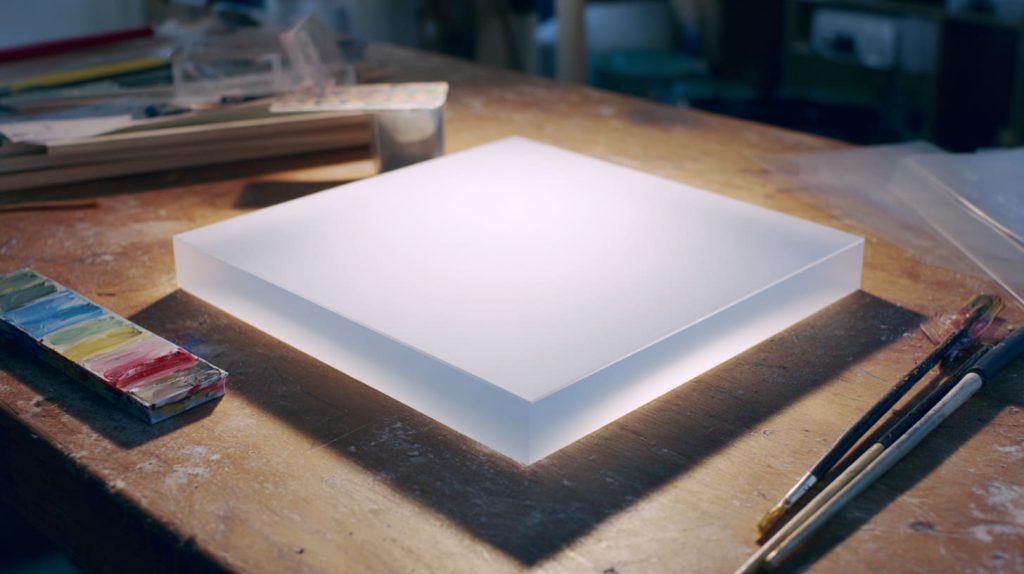
A frosted acrylic panel has a quiet kind of beauty.
It does not shout like a glossy clear sheet. It softens light. It hides small marks better. It gives signs, displays, partitions, and décor pieces a calm, premium feeling. That is why many buyers like it for retail displays, office branding, cosmetic stands, menu boards, decorative panels, and custom store fixtures.
But painting on frosted acrylic is not as simple as putting paint on paper.
The surface looks friendly. The matte texture feels like it should hold paint well. Then the real problems show up. Paint may peel. Color may look uneven. A coating may scratch too easily. A beautiful sample may fail after cleaning, shipping, or daily use.
I have seen this happen in custom acrylic projects. A buyer approves the design first. Everyone likes the frosted effect. The logo color looks good on screen. Then the painted surface behaves differently in real life. The same red looks softer. The same black looks less sharp. A small dust mark becomes visible under the coating. Suddenly, painting is no longer a small finishing step. It becomes a quality decision.
Before I decide how to paint a frosted acrylic panel, I always think about where the panel will be used, who will touch it, how often it will be cleaned, and whether the color needs to stay stable across many pieces. That small check often saves a project from a painful remake.
This article is written for buyers, designers, and product people who need practical answers. Not theory alone. Not random DIY advice. I want to look at frosted acrylic the way I look at it in real projects: as a material that can look simple, but rewards careful handling.
A good painted frosted acrylic panel is like a clean white shirt. It looks effortless only when someone has done the hard work quietly.
What Is Frosted Acrylic and How Is It Different from Clear Acrylic?
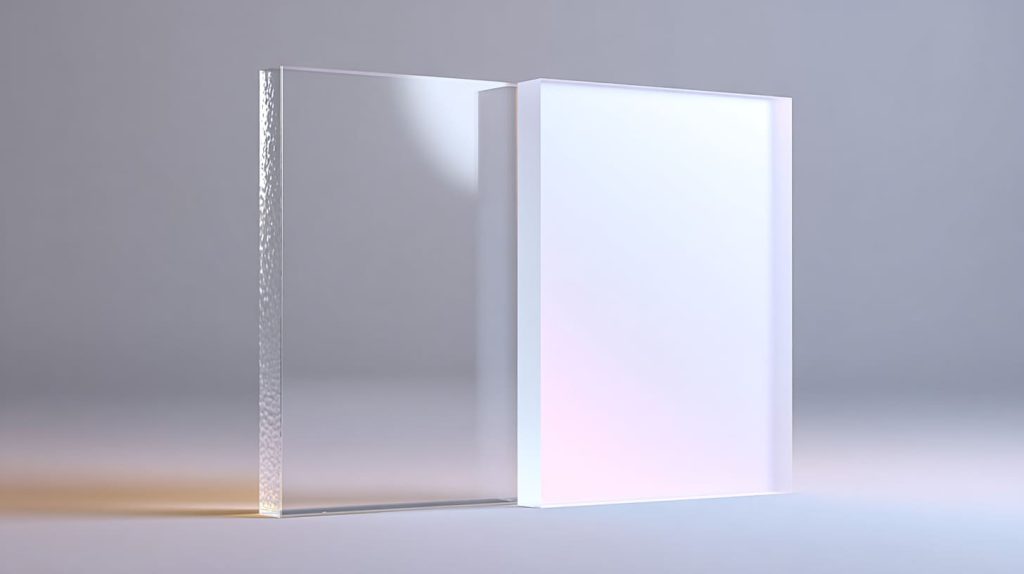
Frosted acrylic is acrylic sheet with a matte or diffused surface. It can be made by surface treatment, texture, film, or material process. Compared with clear acrylic, it does not show everything sharply through the panel. It spreads light and creates a softer look.
Clear acrylic feels direct. Frosted acrylic feels more controlled.
That difference matters a lot when painting.
A painted clear acrylic panel can show strong color and sharp edges. A painted frosted acrylic panel can look softer, more muted, and more elegant. But the same surface that creates that soft look can also change how paint bonds, dries, and reflects light.
Surface Characteristics of Frosted Acrylic
Frosted acrylic usually has a matte surface. That means it does not reflect light like a mirror. It breaks light into a softer glow. This is why it works so well in privacy panels, display backgrounds, illuminated signage, and decorative retail fixtures.
Clear acrylic gives a bright and glossy look. Frosted acrylic gives a calm and diffused look.
| Feature | Clear Acrylic | Frosted Acrylic |
|---|---|---|
| Surface look | Glossy and transparent | Matte and translucent |
| Light behavior | Passes light clearly | Diffuses light softly |
| Paint appearance | Brighter and sharper | Softer and more muted |
| Fingerprint visibility | More visible | Less visible |
| Surface texture | Smooth | Slightly textured or matte |
| Common use | Display boxes, covers, windows | Signs, partitions, décor panels |
The tricky part is this: frosted acrylic can make paint look better in some cases and worse in others.
For example, white paint on frosted acrylic can look soft and clean. Black paint can look modern and quiet. But very fine logos or small text may lose sharpness if the method is not controlled well.
This is where I slow down in real work. I do not judge frosted acrylic only by beauty. I also ask whether the final user needs strong contrast, easy cleaning, and repeatable color across the whole batch.
How Frosting Affects Paint Adhesion
Many people think a matte surface always helps paint stick better.
Sometimes it does. Sometimes it does not.
A frosted surface may have tiny rough areas. These areas can give paint more grip. But paint adhesion is not only about roughness. It is also about chemistry. The paint must be compatible with acrylic. The surface must be clean. The drying time must be right. The coating thickness must not be too heavy.
If one of these things is wrong, paint can still peel.
I have seen samples where the paint looked perfect on day one. Then someone scratched it with a fingernail near the edge. A small piece lifted. Once the edge lifted, the buyer lost confidence in the whole batch. That tiny failure told a bigger story.
| Cause of Paint Failure | What Usually Happens |
|---|---|
| Oil or dust on surface | Paint forms weak spots |
| Wrong paint type | Paint peels or stays soft |
| No primer when needed | Poor bonding |
| Coating too thick | Cracking or uneven drying |
| Poor drying conditions | Bubbling or weak finish |
| Sharp unprotected edges | Paint lifts from the edge |
Frosted acrylic gives paint a chance to grip. It does not give paint a guarantee.
That small difference is easy to ignore. It is also the difference between a nice sample and a stable production order.
A frosted panel may look calm on the table, but once paint enters the story, the surface starts asking questions.
What Are the Best Paint Types for Frosted Acrylic Panels?
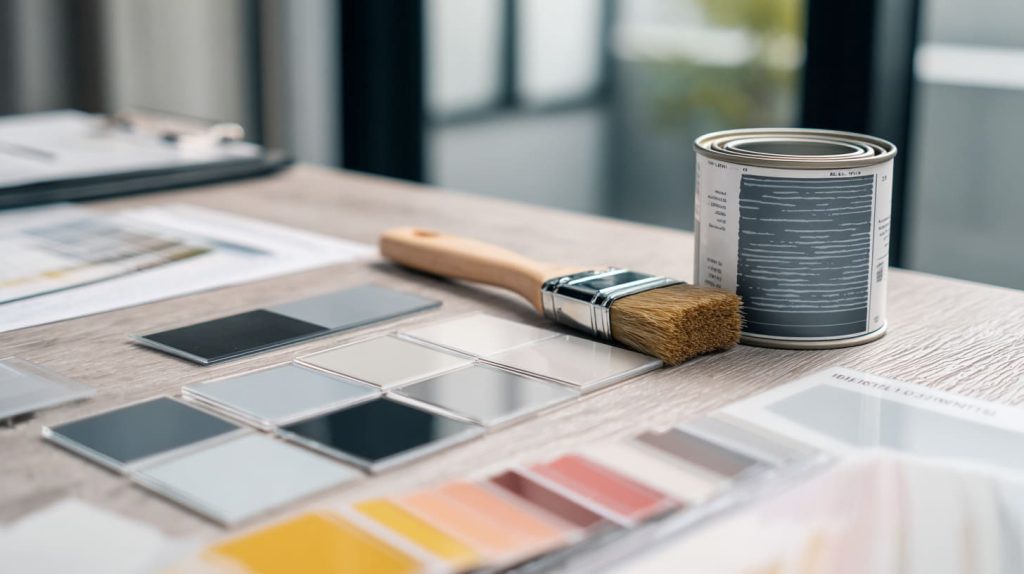
The best paint for frosted acrylic depends on the use case.
That answer sounds boring, but it is honest.
Acrylic paint, spray paint, plastic-bonding paint, screen printing ink, and UV printing ink can all work. But they do not work the same way. A small handmade décor piece does not need the same finish as a retail display panel used every day. A one-off art panel does not need the same color control as 500 branded store signs.
When I choose paint, I do not start with the paint brand. I start with the job. I ask whether the panel will be touched, cleaned, shipped, exposed to sunlight, or placed near lighting.
Acrylic Paint vs Spray Paint
Acrylic paint is common for hand painting. It is easy to buy. It is easy to use. It works well for small projects, art pieces, samples, and decorative designs.
Spray paint is better when you need a smoother finish across a larger area. It can cover evenly if the technique is good. But it can also create streaks, dust marks, and uneven thickness if the operator works too fast.
| Paint Type | Best For | Strength | Weakness |
|---|---|---|---|
| Acrylic paint | Small art, hand work, prototypes | Easy to control | Brush marks may show |
| Spray paint | Larger panels, solid color areas | Smooth coverage | Needs skill and clean space |
| Plastic-bonding spray paint | Durable plastic surfaces | Better adhesion | Color choices may be limited |
| Industrial coating | Commercial projects | Stronger durability | Needs process control |
Acrylic paint feels friendly. Spray paint feels faster. But speed is not always cheaper.
For a small custom panel, hand painting may be fine. For a batch of branded retail panels, spray painting or printing often gives better control.
Specialty Paints for Plastic Surfaces
Specialty paints made for plastic usually perform better than general craft paint. They are designed to bond with plastic surfaces. Some also have better resistance to scratches, sunlight, and cleaning.
This matters when the frosted acrylic panel is used in a commercial place.
A retail display is not treated gently. People touch it. Staff clean it. Boxes rub against it. Lights heat it. A beautiful finish must survive boring daily abuse. That is the real test.
Here is how I usually think about paint choice:
| Application | Better Paint Direction |
|---|---|
| Indoor décor panel | Acrylic paint or spray paint |
| Retail display panel | Plastic-bonding spray paint or industrial coating |
| Outdoor sign panel | UV-resistant coating system |
| Logo or graphic area | Screen printing or UV printing |
| Sample prototype | Simple spray paint may be enough |
| High-touch panel | Coating plus protective sealant |
The mistake I see is simple. Buyers ask, “Can it be painted?” But the better question is, “Can it stay good after use?”
That second question is less exciting. It is also more useful.
Ink and Coating Options for Professional Use
For professional acrylic projects, paint is not always the best choice.
Screen printing and UV printing are often better for logos, patterns, text, and repeatable graphics. These methods give cleaner edges and better control. They are also easier to repeat across many pieces.
Screen printing works well for simple colors and larger batches. UV printing works well for detailed graphics, gradients, and smaller custom runs.
| Method | Best Use | Why It Helps |
|---|---|---|
| Screen printing | Logos, simple graphics, batch orders | Strong color and repeatability |
| UV printing | Detailed designs, short runs, custom graphics | High precision and flexible design |
| Spray painting | Solid background color | Smooth surface coverage |
| Hand painting | Art, samples, special effects | Personal and flexible |
I like painting when the design needs a soft, handmade, or full-surface effect. I like printing when the design needs sharp lines, repeatability, and brand control.
A buyer may love the word “painted” because it sounds simple. But the factory floor often prefers the method that gives fewer surprises.
Paint choice is not only about color. It is also about patience, risk, and what happens after the panel leaves the workshop.
How Should You Prepare Frosted Acrylic Before Painting?
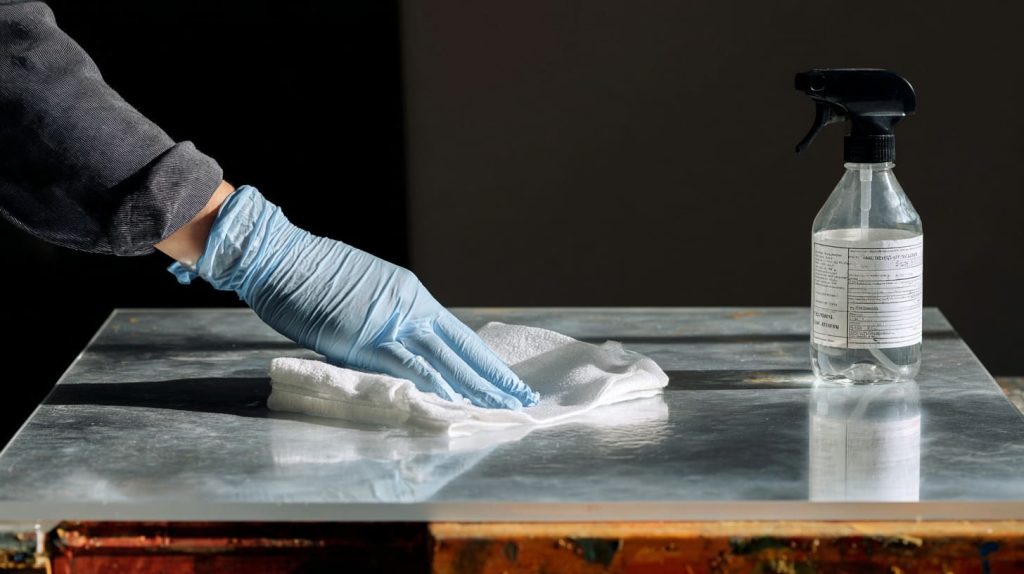
Preparation is the part nobody wants to talk about.
It is also the part that decides whether the paint stays or fails.
A frosted acrylic panel may look clean when it arrives. But it can still carry dust, oil, static, fingerprints, cutting residue, or packaging marks. These small things are not dramatic. They do not look like trouble. But paint notices them.
The surface remembers everything.
Before painting, I care more about cleaning than speed. A rushed cleaning step can ruin a beautiful design faster than a cheap paint can.
Cleaning the Surface Properly
The surface must be clean before painting. That sounds basic. But many failures begin here.
Dust creates small bumps. Oil creates weak adhesion. Static pulls tiny particles back onto the surface. Fingerprints can create strange marks under paint.
For frosted acrylic, cleaning should be gentle. Harsh solvents can damage the surface or change the frosted look.
| Cleaning Step | Purpose | Notes |
|---|---|---|
| Remove protective film carefully | Avoid dust and edge marks | Do it in a clean area |
| Blow off dust | Remove loose particles | Use clean air if possible |
| Wipe gently | Remove oil and fingerprints | Use a soft lint-free cloth |
| Use mild cleaner | Clean without attacking acrylic | Avoid strong solvents |
| Let it dry fully | Prevent trapped moisture | Do not rush this step |
I do not like aggressive wiping on frosted acrylic. The matte surface can catch fibers or show rubbing marks. A soft cloth and a calm hand usually work better than force.
Sanding: Is It Necessary for Frosted Acrylic?
Sometimes sanding helps. Sometimes it creates new problems.
Frosted acrylic already has a matte surface. Light sanding may improve grip if the surface is too smooth or if a coating system requires it. But over-sanding can change the appearance. It can create uneven patches. It can make the final paint look cloudy or dirty.
This is where many DIY guides sound too confident. They say, “Just sand it.” I would not say that so quickly.
| Situation | Sanding Advice |
|---|---|
| Small art project | Light sanding may help |
| Already matte frosted surface | Test before sanding |
| High-end visible panel | Avoid unnecessary sanding |
| Industrial coating requirement | Follow coating process |
| Logo printing area | Do not sand unless tested |
| Back-painted panel | Sanding may affect light diffusion |
For commercial projects, I prefer testing one small area first. If the painted sample passes adhesion and appearance checks, I do not add extra sanding just because it sounds safe.
More process does not always mean better quality. Sometimes more process just means more chances to make mistakes.
Using Primers for Better Adhesion
Primer can help paint stick better to acrylic. It can also create a more even base for color.
But primer must be compatible with both acrylic and the topcoat. A wrong primer can cause peeling, bubbling, softening, or color change.
Primer is most useful when:
- The painted area will be touched often
- The panel needs long-term durability
- The paint does not bond well by itself
- The product will be used in retail or public spaces
- The panel needs a strong solid color
- The project requires repeatable production quality
| Primer Use | Benefit | Risk If Wrong |
|---|---|---|
| Adhesion primer | Helps paint bond | May react with acrylic |
| Plastic primer | Designed for plastic surfaces | Needs correct drying time |
| White base primer | Makes color brighter | Can add thickness |
| Clear primer | Keeps surface look cleaner | May not hide defects |
I once saw a frosted acrylic sample with a beautiful color but weak edge adhesion. The middle looked fine. The edges failed first. That is often where real use attacks the product. A primer could have helped, but only if it had been tested with the full coating system.
A clean surface is not exciting. A good primer is not glamorous. But both are like the foundation under a nice floor. Nobody praises it when it works. Everyone complains when it fails.
After the panel is prepared, the real personality of the finish starts to appear.
What Painting Methods Work Best on Frosted Acrylic?
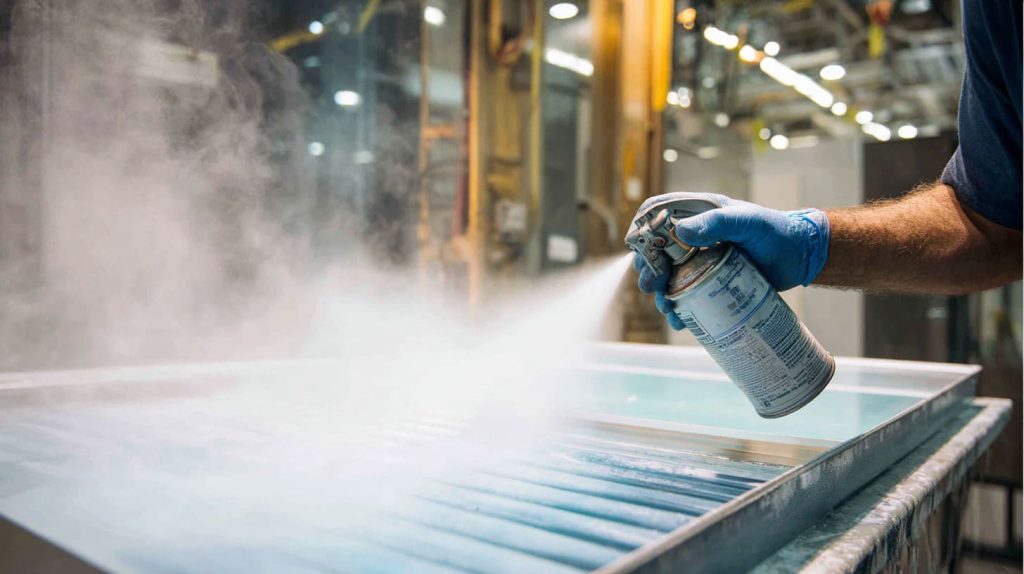
Different painting methods create different results.
Spray painting gives a smooth and even look. Hand painting gives control and character. Screen printing and UV printing give repeatability and clean branding. Each method has a place.
The wrong method can turn a good design into a production headache.
When I look at a project, I do not ask which method is “best” in general. I ask which method fits the design, quantity, budget, surface, and final use.
Spray Painting Techniques
Spray painting works well for solid colors and large areas. It can create a clean finish on frosted acrylic if the operator controls distance, speed, coating thickness, and drying time.
The goal is not to cover everything in one heavy pass.
The better way is usually several light coats. This helps avoid runs, puddles, and uneven drying.
| Spray Painting Factor | Better Practice | Common Mistake |
|---|---|---|
| Spray distance | Keep steady distance | Moving too close |
| Coating thickness | Use light coats | One heavy coat |
| Drying time | Wait between coats | Rushing layers |
| Environment | Clean and dust-free | Painting near dust |
| Panel position | Stable and flat | Moving panel too soon |
| Edge coverage | Coat carefully | Overloading edges |
Spray painting is like making tea. Too little time gives weak results. Too much force makes a mess. A steady hand matters.
For frosted acrylic, spray paint can look very nice because the surface softens the finish. But it can also show cloudy patches if the coating is uneven.
Hand Painting with Brushes or Rollers
Hand painting is useful for small projects, creative work, samples, and decorative effects. It gives more personal control. It also allows small corrections during the process.
But brush marks can show. Roller texture can show. Thick paint can sit on the surface instead of bonding well.
Hand painting is not bad. It is just honest. It shows the hand behind the work.
| Tool | Best For | Watch Out For |
|---|---|---|
| Soft brush | Small details and art | Brush lines |
| Foam brush | Smooth small areas | Air bubbles |
| Small roller | Medium panels | Roller marks |
| Sponge | Special texture effects | Uneven color |
| Masking tape | Clean borders | Paint bleeding |
For commercial display panels, I rarely trust hand painting for large visible areas unless the handmade look is part of the design. Customers may accept natural variation in art. They usually do not accept it in branded retail displays.
That is a big difference.
A designer may call it “texture.” A purchasing manager may call it “inconsistent.” Both may be right, depending on the project.
Screen Printing and UV Printing Methods
Screen printing and UV printing are not traditional painting methods, but they are often better choices for frosted acrylic panels.
Screen printing works well when the graphic is simple and the quantity is enough. It gives strong color and good repeatability.
UV printing is useful when the design has details, gradients, or multiple colors. It can print directly on acrylic and can be very flexible for custom projects.
| Method | Good For | Main Advantage |
|---|---|---|
| Screen printing | Simple logos and patterns | Stable color in batches |
| UV printing | Detailed graphics | High design flexibility |
| Spray painting | Full background colors | Smooth wide coverage |
| Hand painting | Artistic effects | Personal appearance |
For B2B custom projects, this choice matters. A buyer may need 20 samples now and 2,000 pieces later. The method must not only work today. It must scale tomorrow.
I have learned to respect that small future question. A beautiful sample that cannot be repeated is not a full solution. It is only a nice beginning.
The method should match the life of the product, not just the mood of the first sample.
How to Prevent Common Problems When Painting Frosted Acrylic?

Most paint problems do not appear as big disasters at first.
They begin as small warnings.
A corner lifts. A color looks patchy. A bubble appears near the edge. A surface feels dry but scratches too easily. Someone says, “Maybe it is okay.” That sentence always makes me nervous.
Small defects in painted acrylic often grow after cleaning, packing, shipping, or use.
My personal rule is simple: if a painted sample fails under small pressure, it will usually fail harder in real use.
Peeling and Poor Adhesion Issues
Peeling usually means the paint did not bond well to the acrylic surface.
This can happen for many reasons. The surface may be dirty. The paint may be wrong. The primer may be missing. The drying time may be too short. The coating may be too thick.
Edges are especially risky. Paint often lifts from corners, holes, cutouts, and sharp edges first.
| Peeling Cause | Practical Fix |
|---|---|
| Dust or oil | Clean surface better |
| Wrong paint | Use plastic-compatible paint |
| No primer | Test primer system |
| Thick coat | Apply thinner layers |
| Sharp edges | Polish or soften edges when needed |
| Poor curing | Allow full drying time |
A simple tape test can reveal a lot. It is not a perfect lab test, but it helps show whether paint is weak. For commercial projects, more formal testing may be needed.
I do not like guessing with adhesion. Guessing feels cheap at the start and expensive at the end.
Uneven Coverage and Streaking
Uneven coverage can come from poor technique, bad lighting, uneven surface cleaning, unstable spray distance, or paint that dries too fast.
Frosted acrylic can make this tricky because its surface already diffuses light. Some uneven areas may not be obvious under weak lighting. Then the panel moves to a store environment with bright lights, and the problem suddenly appears.
| Problem | Possible Reason | Better Control |
|---|---|---|
| Streaks | Uneven spray movement | Keep steady passes |
| Dark patches | Too much paint in one area | Use light coats |
| Cloudy areas | Poor drying or dust | Improve environment |
| Weak color | Too few layers | Build color slowly |
| Edge buildup | Overspray at edges | Control angle and distance |
Lighting is a silent inspector. It shows what the workshop may hide.
For display panels, I like checking the painted part under different light angles. Front light, side light, and back light can tell different stories.
Cracking or Bubbling Paint
Cracking and bubbling often happen when paint layers do not dry correctly or when the paint does not suit acrylic.
A heavy top layer may dry faster than the layer below. Trapped solvent or moisture can create bubbles. Some paints may shrink too much and crack. Heat can also create problems.
| Failure | What It May Mean |
|---|---|
| Small bubbles | Moisture, dust, or trapped solvent |
| Large bubbles | Poor adhesion or wrong coating |
| Fine cracks | Paint too thick or incompatible |
| Soft surface | Drying time too short |
| Wrinkling | Chemical reaction between layers |
This problem feels especially painful because it may not show right away. A panel can look fine after painting. Then the surface changes later.
For this reason, I prefer sample aging before mass production. Even one or two extra days can reveal problems that a same-day approval may miss.
The paint does not only need to look dry. It needs to become stable.
That difference is small in words. It is big in production.
How Do You Seal and Protect Painted Acrylic Surfaces?
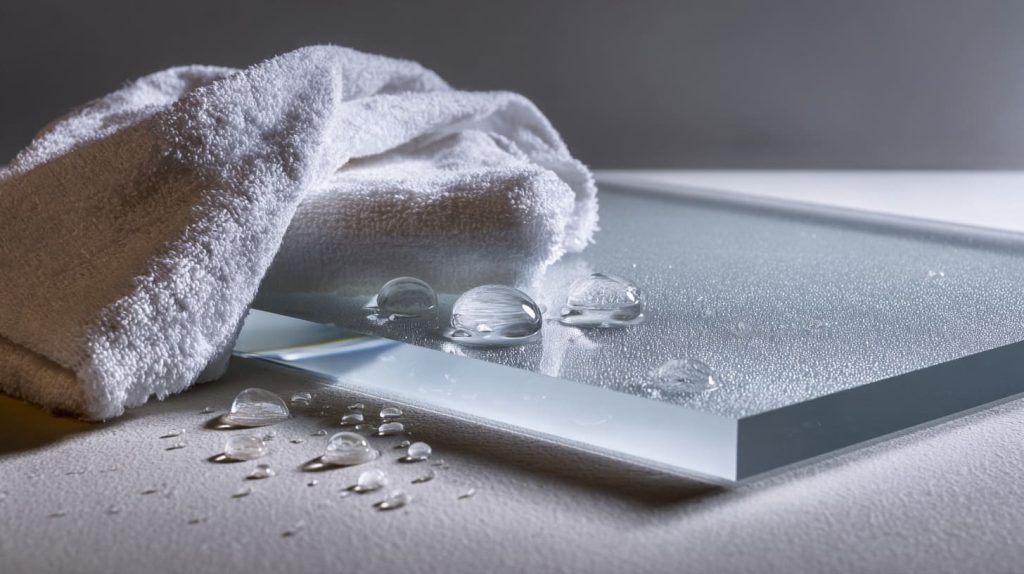
A painted acrylic surface needs protection when it will be touched, cleaned, shipped, or used for a long time.
Sealants and clear coatings can help. They can protect the paint from scratches, moisture, cleaning marks, and UV exposure. But they must be chosen carefully. A clear coat that works on one paint may react badly with another.
Protection should not be an afterthought.
When I add a protective coating, I first check whether it changes the look of the frosted acrylic. A coating that protects well but ruins the soft matte feeling may solve one problem and create another.
Clear Coatings and Sealants
Clear coatings can be matte, satin, or glossy. The choice affects both appearance and performance.
A glossy clear coat can make the surface look brighter. But it may reduce the frosted feeling. A matte clear coat keeps the soft look better. But some matte coatings may show marks more easily.
| Clear Coat Type | Appearance | Best Use |
|---|---|---|
| Matte clear coat | Soft and low reflection | Frosted panels and subtle designs |
| Satin clear coat | Slight glow | Balanced decorative panels |
| Gloss clear coat | Bright and shiny | Designs needing stronger color |
| UV-resistant clear coat | Stable under light | Outdoor or bright indoor areas |
Compatibility is important. The clear coat, paint, primer, and acrylic must work together. If not, bubbling, softening, cracking, or yellowing may appear.
I usually do not trust a clear coat until I see it tested on the same acrylic and same paint. A product label can sound confident, but the surface has the final vote.
Scratch Resistance and Durability
Acrylic can scratch. Paint can scratch too.
For retail displays and public-use panels, this matters. A display may look beautiful at installation. After one month of handling and cleaning, weak coating quality becomes clear.
| Use Environment | Durability Concern |
|---|---|
| Cosmetic display | Product bottles may rub surface |
| Store signage | Staff may clean often |
| Office décor panel | Fingerprints and dust |
| Restaurant menu board | Cleaning and moisture |
| Exhibition display | Packing and transport |
| Outdoor panel | UV, rain, heat |
A protective coating can help, but it does not make the surface indestructible. Cleaning method still matters. Packaging still matters. Edge protection still matters.
A painted panel should be handled like a finished product, not like raw plastic sheet.
Outdoor Protection Considerations
Outdoor use is harder than indoor use.
Sunlight can fade colors. Rain can attack edges. Heat can stress paint layers. Dust and cleaning can wear down the surface.
If frosted acrylic panels are used outdoors, I pay attention to:
- UV-resistant paint
- UV-resistant clear coating
- Sealed edges
- Proper mounting
- Drainage and water exposure
- Expansion and contraction
- Cleaning method
| Outdoor Risk | What to Consider |
|---|---|
| Sunlight | UV-stable paint and coating |
| Rain | Edge sealing and drainage |
| Heat | Coating flexibility |
| Wind-blown dust | Scratch resistance |
| Cleaning | Chemical resistance |
| Mounting stress | Avoid tight fixing points |
Outdoor panels are less forgiving. They live a harder life.
A finish that survives on an indoor wall may fail outside in a few months. That does not mean the finish is bad. It means the environment was stronger than the design.
Protection is not only about adding a clear layer. It is about respecting where the product will live.
What Are the Best Practices for Commercial and Custom Projects?

Commercial acrylic projects need more than a nice first sample.
They need repeatability.
A single painted frosted acrylic panel can look great. But a B2B order needs the tenth piece, the hundredth piece, and the last piece to look controlled. This is where process becomes more important than charm.
A designer may focus on the look. A buyer may focus on risk. A factory must balance both.
When I handle custom frosted acrylic projects, I treat painting as part of product design, not just decoration. Color, surface, thickness, printing, packing, and cleaning all belong in the same conversation.
Design Considerations for Painted Acrylic Displays
Frosted acrylic changes how color appears.
Bright colors can look softer. Dark colors can look more elegant but may show dust or scratches. Fine details may need printing instead of painting. Backlighting can change everything again.
| Design Factor | Why It Matters |
|---|---|
| Color contrast | Frosted surface softens color |
| Logo size | Small details may lose sharpness |
| Viewing distance | Retail signs need clear reading |
| Lighting | Backlight changes color effect |
| Touch frequency | High-touch areas need protection |
| Cleaning method | Harsh cleaning can damage paint |
A logo on a frosted acrylic panel should not only look good in a digital file. It should look good from the distance where real customers see it.
That sounds simple. But many designs are approved on a screen, not in the store.
Batch Consistency in Production
Batch consistency is one of the biggest issues in custom work.
Paint color may vary if mixing is not controlled. Spray thickness may vary if technique changes. Drying time may vary with humidity and temperature. Even the frosted acrylic sheet itself may have slight differences between batches.
| Consistency Point | Control Method |
|---|---|
| Paint color | Use approved color sample |
| Coating thickness | Standardize process |
| Drying time | Set clear time rules |
| Surface cleaning | Use fixed cleaning steps |
| Operator technique | Train and check |
| Final inspection | Compare against master sample |
For large orders, I like having a golden sample. This is the approved physical sample used for comparison. It is more useful than words like “light gray” or “soft white.”
Words are flexible. Samples are stricter.
Cost vs Quality Trade-offs
Painting frosted acrylic can look affordable at first. But cost depends on preparation, paint type, labor, rejection rate, drying time, inspection, and packaging.
Cheap painting can become expensive if many pieces need rework.
| Choice | Lower Cost Side | Higher Quality Side |
|---|---|---|
| Paint type | General paint | Plastic-compatible coating |
| Surface prep | Quick wipe | Controlled cleaning |
| Application | Manual fast work | Process-controlled coating |
| Protection | No clear coat | Tested sealant |
| Inspection | Visual only | Adhesion and appearance checks |
| Packaging | Basic packing | Surface-protective packing |
I do not always choose the most expensive method. That would be lazy thinking. I choose the method that fits the risk.
For a temporary display, simple painting may be enough. For a branded fixture used in stores for years, stronger finishing makes more sense.
The right method is not the fanciest one. It is the one that matches the job without pretending the risks are smaller than they are.
Custom acrylic work is full of these quiet decisions. They do not always appear on the drawing, but they show up in the final product.
When Should You Choose Printing Instead of Painting?
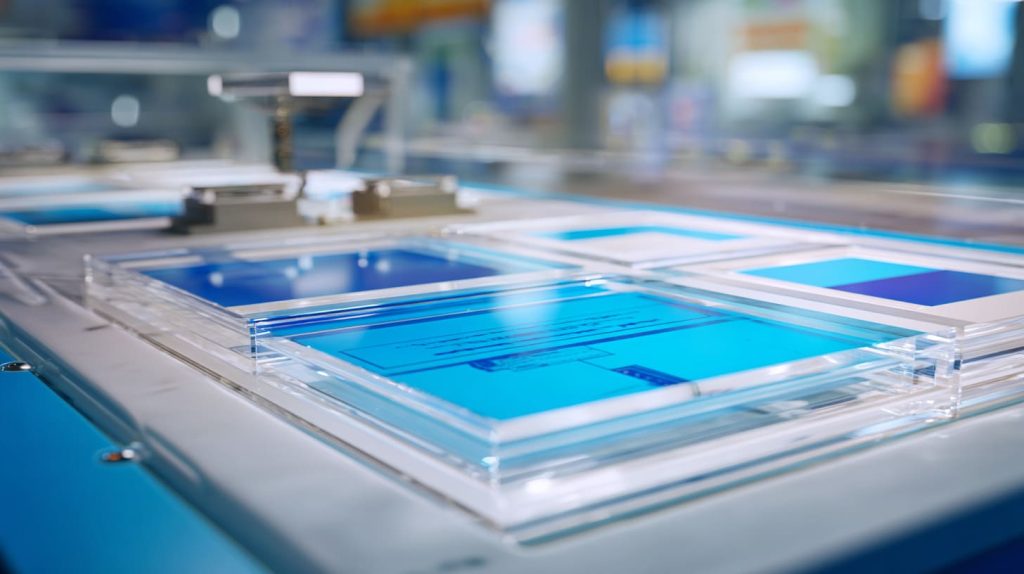
Sometimes painting is not the best answer.
Printing may be better when the design needs sharp graphics, repeatable color, detailed logos, or efficient batch production. This is especially true for B2B display projects, where brand appearance must stay consistent.
Paint is good for surface color and certain decorative effects. Printing is better for control.
I usually suggest printing when the buyer cares more about precision than handmade texture. A clean logo often needs discipline more than romance.
UV Printing vs Traditional Painting
UV printing can place graphics directly on acrylic. It is useful for detailed images, multiple colors, gradients, and short custom runs.
Traditional painting is better for full-surface color, soft effects, or certain custom finishes. But it is not always ideal for detailed branding.
| Feature | UV Printing | Traditional Painting |
|---|---|---|
| Detail level | High | Medium to low |
| Color repeatability | Good | Depends on process |
| Full surface coverage | Possible but may cost more | Good |
| Logo sharpness | Strong | Depends on masking or stencil |
| Small batch flexibility | Good | Good |
| Handmade effect | Limited | Better |
UV printing can feel less “crafted,” but it often solves real business problems. It gives cleaner artwork and easier repeat orders.
For buyers like Jacky, this matters because the purchasing department is not only buying appearance. It is buying fewer complaints.
Long-Term Durability Comparison
Durability depends on the ink, paint, coating, use environment, and protection method.
A printed graphic may hold detail better. A painted surface may cover larger areas better. Both may need protection in high-use areas.
| Use Case | Better Direction |
|---|---|
| Small logo on display | Printing |
| Large solid color background | Painting |
| Detailed artwork | UV printing |
| Soft decorative effect | Painting |
| Repeat store signage | Printing |
| Outdoor color panel | Tested coating system |
Neither method wins every time.
That is the honest answer.
If a buyer wants a frosted acrylic panel with a full painted color and one sharp logo, the best solution may use both methods: paint for the background, printing for the logo.
Good production is often a mix, not a single magic method.
Cost Efficiency in Bulk Orders
For bulk orders, printing may become more efficient than painting. It can reduce labor variation and improve repeatability. Screen printing can also be cost-effective when the design is simple and the quantity is large.
Painting may still be cost-effective for large single-color panels, but it needs space, drying time, quality control, and careful handling.
| Quantity / Design | Often Better Method |
|---|---|
| One sample with handmade effect | Hand painting |
| Small batch with solid color | Spray painting |
| Small batch with detailed logo | UV printing |
| Large batch with simple logo | Screen printing |
| Large batch with full color design | UV printing or hybrid method |
| Large batch with solid background | Controlled spray painting |
The hidden cost is not always the unit price. It is the cost of mistakes.
A lower painting price can lose its advantage if color variation, scratches, or rework increase. A higher printing setup cost may become reasonable if the order repeats.
This is why I do not look at painting and printing as enemies. I see them as tools. The real skill is knowing when to use each one.
And that choice should happen before production starts, not after the first problem appears.
Conclusion
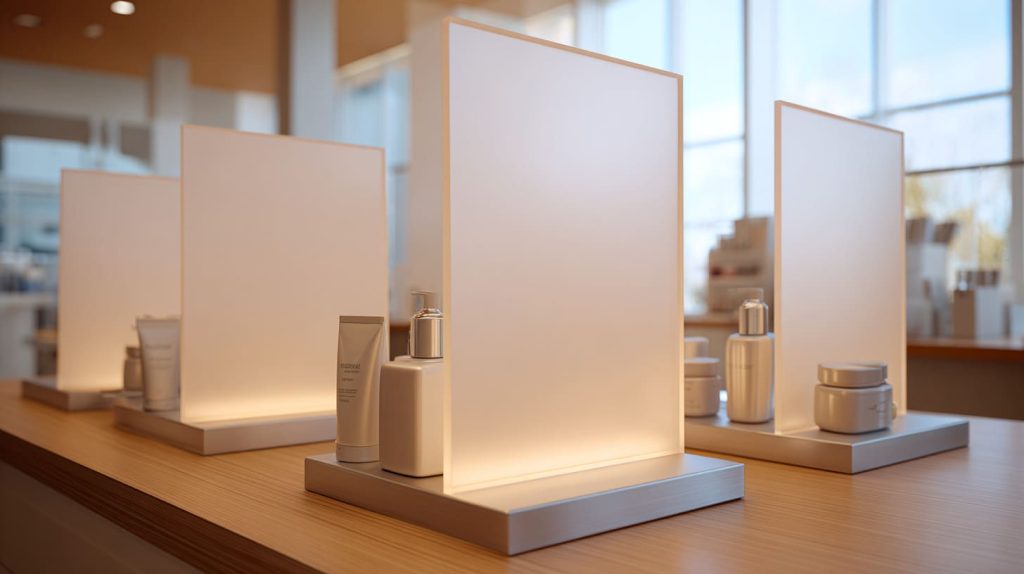
Painting on frosted acrylic plastic panels can create a beautiful result. The surface already has a soft and modern feeling. When the paint is chosen well, prepared well, applied well, and protected well, the final panel can look clean, calm, and professional.
But frosted acrylic is not a “paint anything and hope” material.
The surface must be cleaned. The paint must match acrylic. Primer may be needed. The method must fit the design. Spray painting, hand painting, screen printing, and UV printing all have their own place. Sealants and coatings can help, but they must be tested. For commercial projects, batch consistency matters as much as the first sample.
The detail I care about most is not only whether the panel looks good today. I care whether it still looks acceptable after shipping, cleaning, touching, and real daily use.
For a small DIY panel, simple paint may be enough. For a custom retail display, office sign, cosmetic organizer, or branded acrylic fixture, the safer path is to treat painting as part of the whole product plan.
That means asking better questions:
- Where will the panel be used?
- Will people touch it often?
- Does the color need to match a brand standard?
- Will the panel be cleaned often?
- Is the design better painted, printed, or both?
- Does the finish need UV or scratch protection?
- Can the same result be repeated in bulk?
These questions may feel small. But small questions protect big orders.
If you are developing custom frosted acrylic panels for signs, displays, boxes, racks, organizers, or store fixtures, it helps to work with a manufacturer who understands both acrylic material and finishing process. A good supplier should not only say “yes, we can paint it.” They should help you check the surface, method, color, protection, and production risk before the order moves too far.
At Feilong Acrylic, I look at these details because custom acrylic work is never just about making a panel. It is about making a panel that still makes sense after the customer opens the box and starts using it.