Skip to content
Acrylic signs look simple on the surface. A clear sheet. A logo. Maybe a bold color block.
But I have learned that the printing method behind that clean look decides whether the sign feels premium or cheap.
I once worked with a Canadian buyer—very detail-focused, just like Jacky. He sent a sharp logo file. The design looked perfect on screen. The first sample came back dull and slightly off-color. The issue was not the acrylic. The issue was the printing method. That moment reminded me again: printing is not decoration. Printing is strategy.
UV printing and screen printing are the two main methods for acrylic signs. Each method changes cost, flexibility, durability, and even how confident your customer feels when they touch the product.
In this article, I will break them down in simple terms. I will look at cost. I will look at quality. I will look at real factory behavior. My goal is simple: help you choose the right method before small mistakes turn into expensive rework.
1. What Is Screen Printing?
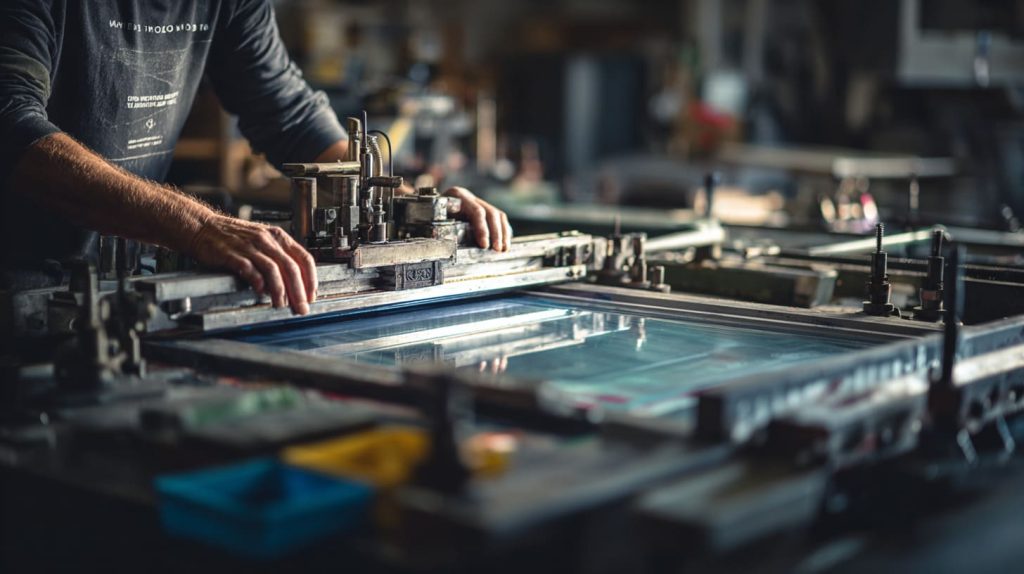
Screen printing feels traditional. When I visit factories that still run it daily, I can smell the ink before I see the machine. It feels mechanical. Hands-on. A bit old school.
1.1 Definition and How It Works
Screen printing pushes ink through a mesh screen onto the acrylic surface. Each color uses its own screen. Each screen must align perfectly.
If you print four colors, you need four setups.
Here is a simple breakdown:
| Step | What Happens |
|---|---|
| 1 | Create a screen for each color |
| 2 | Align the screen with acrylic sheet |
| 3 | Push ink through mesh |
| 4 | Dry and cure ink layer |
| 5 | Repeat for next color |
The method looks simple. But alignment is sensitive. One small shift ruins the design.
I often tell buyers: screen printing rewards stability. It does not reward change.
1.2 Typical Use Cases
Screen printing works best when:
- The design is simple.
- Colors are solid.
- Volume is high.
- The artwork does not change often.
For example:
| Scenario | Suitable? |
|---|---|
| 5,000 identical retail logo boards | ✅ Yes |
| 200 custom nameplates with different names | ❌ No |
| Large solid-color background panel | ✅ Yes |
| Detailed photo image | ❌ No |
The method prefers repetition.
1.3 Pros and Cons
Pros:
- Low cost per unit at high volume.
- Strong ink thickness.
- Good for bold flat colors.
Cons:
- High setup cost.
- Hard to print gradients.
- Hard to modify design mid-production.
When I see a project with frequent artwork revisions, I immediately question screen printing. The setup cost multiplies fast.
But then something changed in the industry. Digital machines started entering the workshop. That brings us to UV printing.
2. What Is UV Printing?
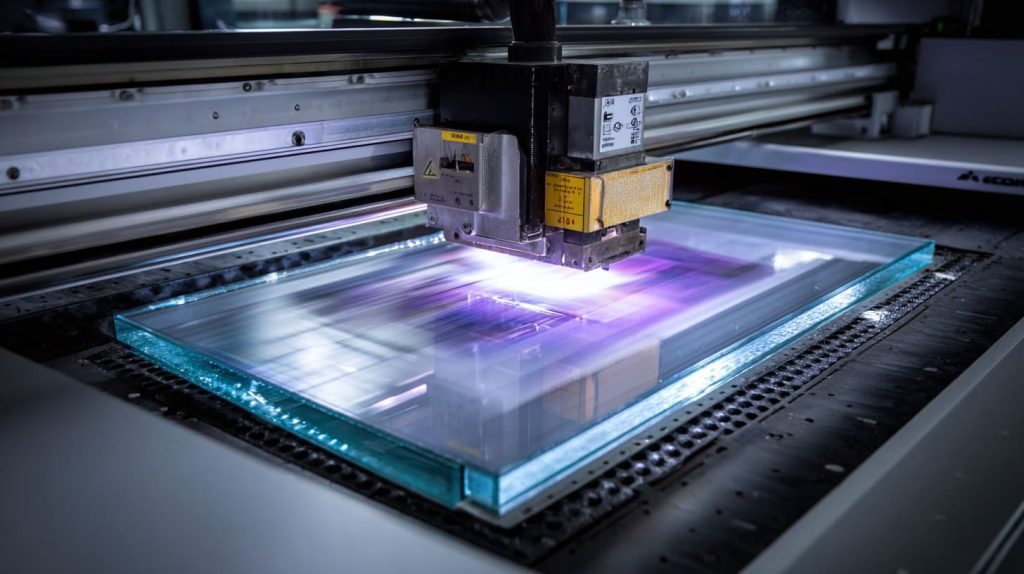
The first time I saw a UV flatbed printer running, I stood quietly for five minutes. It looked like a giant office printer. But it was printing directly on acrylic.
No screens. No messy ink trays.
2.1 Definition and Printing Process
UV printing uses a digital file. The machine sprays ink directly onto acrylic. UV light cures the ink instantly.
Here is how it works:
| Step | What Happens |
|---|---|
| 1 | Upload digital artwork |
| 2 | Place acrylic sheet on flatbed |
| 3 | Printer sprays ink |
| 4 | UV light cures ink immediately |
| 5 | Finished piece comes out dry |
The key advantage is simple: no physical screen preparation.
This makes design changes easy. You just adjust the file.
2.2 Typical Use Cases
UV printing works well for:
- Short runs.
- Custom orders.
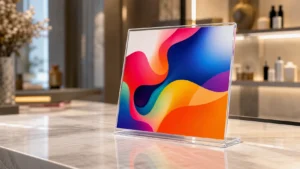
- Detailed artwork.
- Gradients.
- Photo-quality images.
Here is a quick comparison:
| Project Type | UV Suitable? |
|---|---|
| 50 custom award plaques | ✅ Yes |
| 1000 identical simple logo boards | Maybe |
| Complex gradient brand panel | ✅ Yes |
| Personalized retail display | ✅ Yes |
I like UV for flexible projects. It gives breathing space to designers.
2.3 Pros and Cons
Pros:
- No setup screens.
- Easy to adjust artwork.
- Full-color printing (CMYK + white).
- Good surface durability.
Cons:
- Slightly slower at extreme large volumes.
- Ink layer is thinner than screen print.
I once had a client who insisted on screen printing for a 300-piece order. After calculation, UV was cheaper because there was no setup cost. The numbers surprised him.
Now the question becomes deeper. It is not just “what is it?” but “what is the real difference?”
3. Key Differences Between UV and Screen Printing
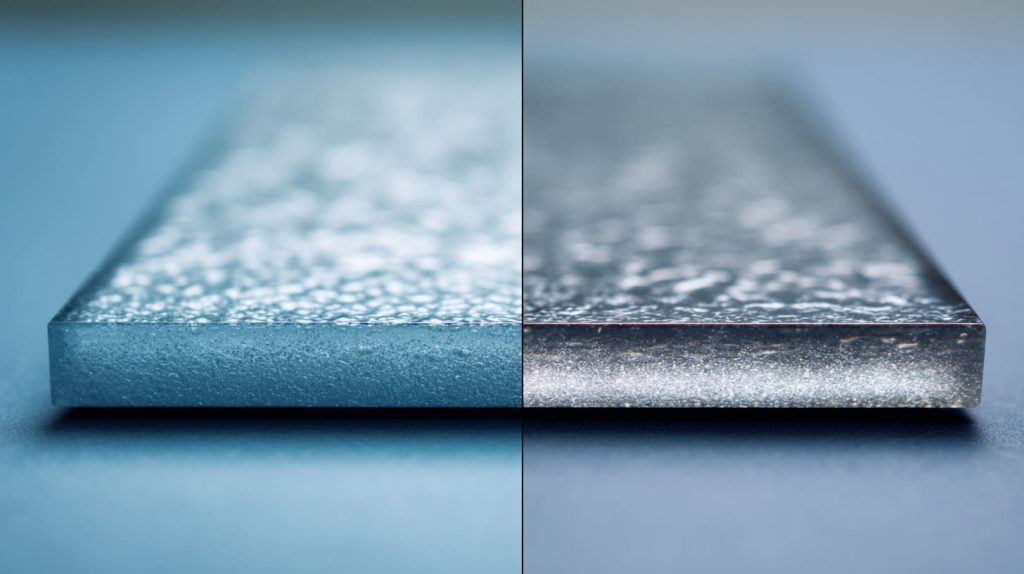
This is where buyers must slow down. I often ask: what are you optimizing? Cost? Flexibility? Color accuracy? Long-term stability?
Let us break it down clearly.
3.1 Design Flexibility
| Feature | Screen Printing | UV Printing |
|---|---|---|
| Gradients | Poor | Excellent |
| Photographic detail | Limited | Strong |
| Quick design change | Difficult | Easy |
If your marketing team changes artwork often, screen printing becomes painful.
3.2 Setup and Production Time
Screen printing needs screen creation and alignment.
UV printing prints directly from file.
For short runs, UV is faster overall.
For very large stable runs, screen printing becomes efficient.
3.3 Color Range and Print Quality
UV printing supports:
- CMYK
- White ink
- Layer printing effects
Screen printing works better with:
- Solid brand colors
- Pantone-matched blocks
This is not about “better.” It is about matching the need.
3.4 Durability and Outdoor Performance
Both can be durable. But surface conditions matter.
| Factor | UV | Screen |
|---|---|---|
| Scratch resistance | Good | Stronger ink thickness |
| UV resistance | Good with proper ink | Good with coating |
| Outdoor signage | Suitable | Suitable |
Durability depends more on ink quality than method alone.
3.5 Cost Structure
This is critical.
| Volume | UV Cost Behavior | Screen Cost Behavior |
|---|---|---|
| 50 pcs | Stable | High setup cost |
| 500 pcs | Competitive | Lower per unit |
| 5000 pcs | Slightly higher | Very low per unit |
Screen printing becomes cheaper only when volume absorbs setup cost.
3.6 Environmental and Workflow Considerations
UV printing produces less waste. It has low VOC emission. It feels cleaner inside the workshop.
Screen printing uses more manual handling.
If sustainability matters to your brand, UV usually aligns better.
But now we must ask something practical. When exactly should you choose each method?
4. When to Choose Screen Printing for Acrylic Signs
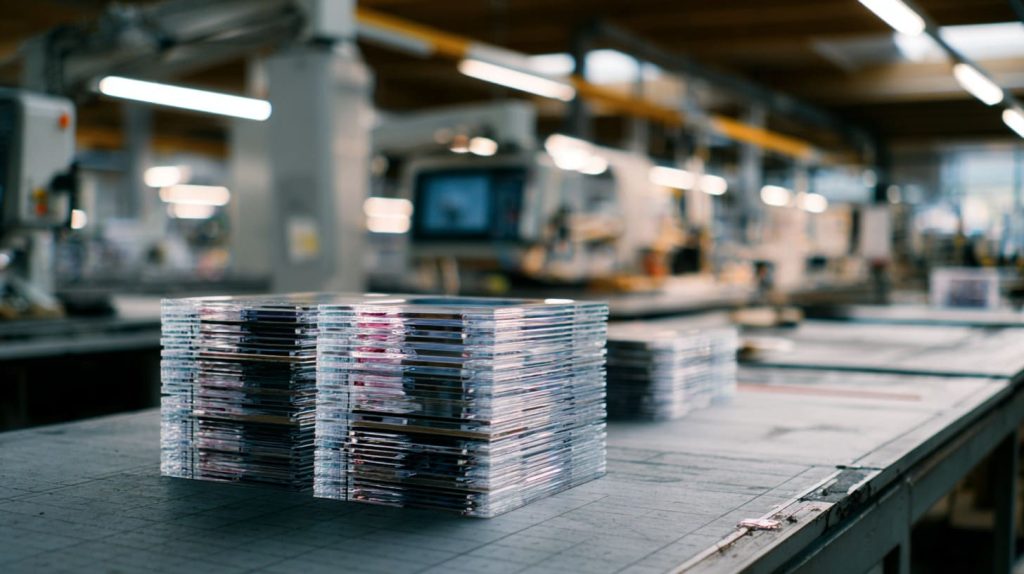
I choose screen printing when repetition rules the project.
4.1 Best Fit Scenarios
- Large identical orders.
- Limited color changes.
- Long-term repeat production.
For example:
| Situation | Recommendation |
|---|---|
| 10,000 store logo panels | Screen printing |
| Annual reorder same design | Screen printing |
| Single Pantone brand color | Screen printing |
4.2 Examples in Industrial & Retail Use
- Supermarket shelf branding.
- Large retail logo boards.
- Industrial safety panels with simple graphics.
I once helped a client reduce cost by 18% by switching to screen printing for a 12,000-piece reorder. That decision made sense because artwork never changed.
Still, many modern projects do not stay stable for long. That is where UV shines.
5. When to Choose UV Printing for Acrylic Signs
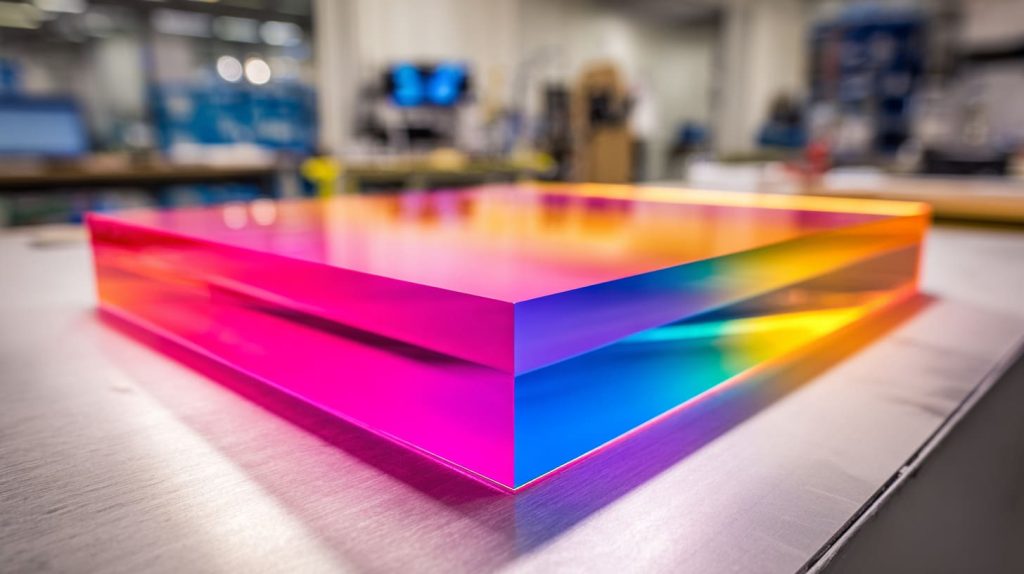
Modern branding moves fast. Marketing teams love change.
5.1 Best Fit Scenarios
- Custom display prototypes.
- Limited edition signage.
- Complex multi-color graphics.
- Small and medium batch orders.
| Situation | Recommendation |
|---|---|
| 200 custom cosmetic displays | UV printing |
| Photo-based design panel | UV printing |
| Short lead-time campaign | UV printing |
5.2 Examples in Industrial & Retail Use
- POP displays.
- Personalized nameplates.
- Decorative acrylic panels.
- High-definition brand walls.
UV printing gives freedom. Designers feel safe making adjustments late in the process.
And that flexibility often protects your project timeline.
But printing choice does not live alone. You also need to think about workflow and cost control.
6. Practical Considerations for Manufacturers and Designers
Now let me step back as a factory manager.
6.1 Turnaround Times
UV:
- Faster setup.
- Easier file updates.
- Better for urgent jobs.
Screen:
- Slower at start.
- Faster once mass production stabilizes.
If your customer pushes for tight delivery, UV reduces risk.
6.2 Cost per Unit at Different Volumes
Here is a simplified model:
| Volume | UV Advantage | Screen Advantage |
|---|---|---|
| Low (under 300) | Strong | Weak |
| Medium (300-1000) | Balanced | Competitive |
| High (1000+) | Slightly higher | Strong |
You must calculate total project cost, not unit cost alone.
6.3 Quality Control and Consistency
UV printing is digitally consistent.
Screen printing depends on operator skill and alignment.
I always ask: does your supplier control registration strictly?
Quality control discipline matters more than method choice.
Conclusion
Both UV printing and screen printing work well for acrylic signs. The better choice depends on your volume, design complexity, and flexibility needs.
If your project focuses on high volume and simple design, screen printing makes sense.
If your project requires customization, gradients, fast changes, and shorter runs, UV printing usually gives more control.
I always advise my buyers to think beyond unit price. Look at setup cost. Look at artwork stability. Look at timeline risk.
At Feilong Acrylic, I help clients analyze these factors before production starts. If you are planning an acrylic signage project and want honest advice on printing method, reach out to me. I will review your design and help you choose the method that protects both your budget and your brand.
Let us build something that looks right — and stays right.