Skip to content
I have seen many signage projects fail before the first sign is even installed. Not because the design was bad. Not because the logo was wrong. It failed because the plastic choice was made too fast.
A buyer once told me, “The artwork looks great, but the sign already looks tired.” The sign was only six months old. Same color. Same layout. But the plastic was wrong for where it lived.
I see this mistake often. People use the same plastic indoors and outdoors. They assume plastic is plastic. It is not.
This guide is written for people like Jacky. You already know suppliers. You already know pricing pressure. What you want is fewer surprises after installation, fewer replacements, and fewer emails that start with “Why did this happen?”
What Are the Key Differences Between Indoor and Outdoor Signage Environments?
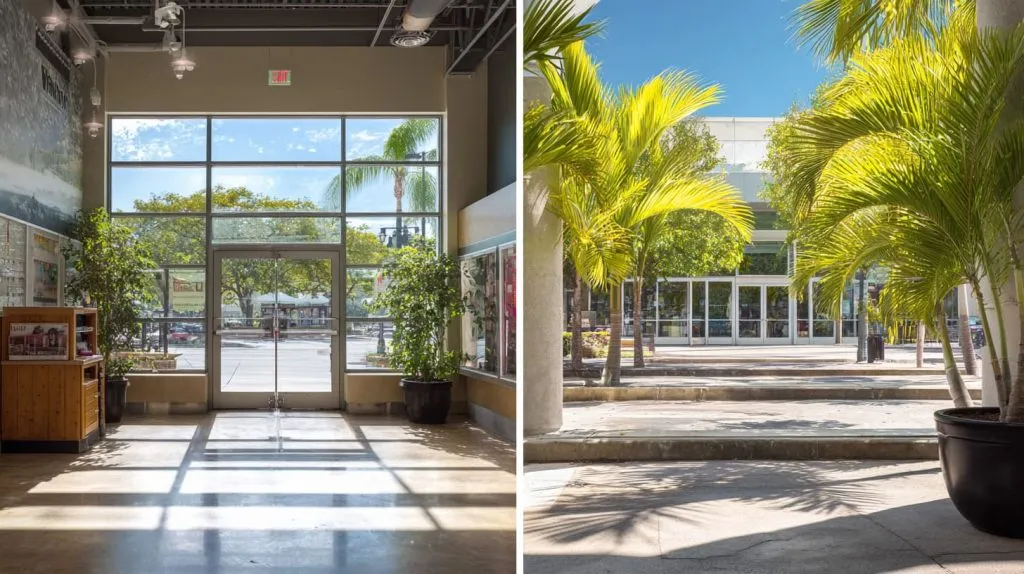
Indoor and outdoor signs live in two very different worlds. On paper, the size looks the same. In real life, the stress is not.
Environmental factors that affect plastic performance
Indoor signs live a calm life. Outdoor signs do not.
UV exposure and sunlight
Sunlight is quiet but aggressive. UV breaks plastic slowly. You do not see it on day one. You see it after months.
Temperature change
Outdoor signs heat up during the day and cool at night. This expansion and shrinkage creates stress.
Moisture
Rain, humidity, and condensation find their way into edges, holes, and mounts.
| Factor | Indoor Sign | Outdoor Sign |
|---|---|---|
| UV light | Minimal | Constant |
| Temperature swing | Low | High |
| Moisture | Controlled | Uncontrolled |
Usage patterns and wear
How people touch and clean a sign matters more than many expect.
- Indoor signs get wiped often
- Outdoor signs get hit by dust, sand, and wind
- Some signs are temporary. Others stay for years
A plastic that works fine for two months indoors may fail fast outdoors.
Before we talk about materials, we need to talk about where they live. That context changes everything.
Which Plastics Are Commonly Used for Indoor Signage?
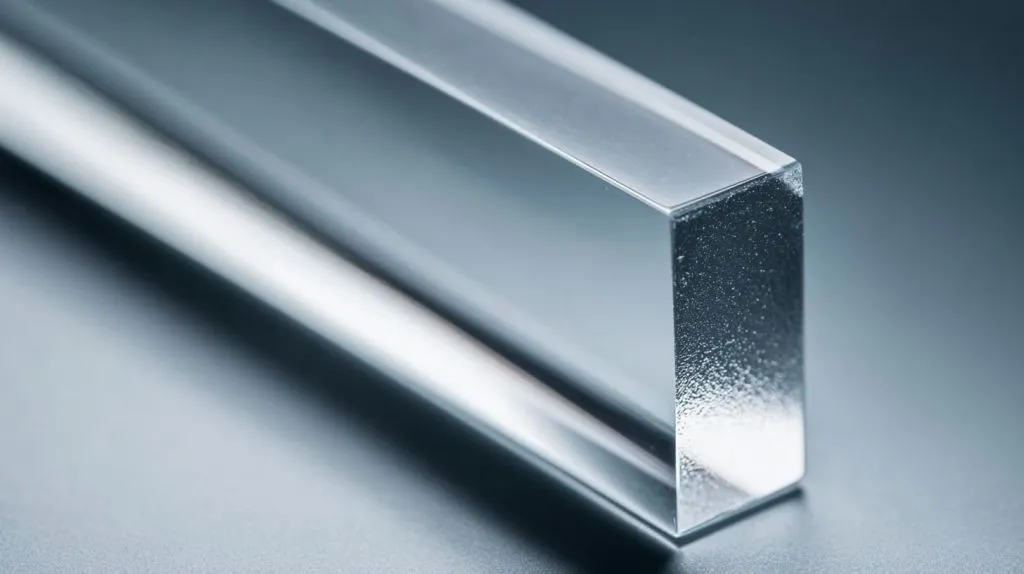
Indoor signage gives us more freedom. But freedom also creates lazy choices.
Acrylic (PMMA) for indoor signage
I use acrylic daily. I love it. But I also know its limits.
Acrylic looks clean. Clear. Sharp. It makes brands feel serious.
Strengths
- High clarity
- Polished edges look premium
- Stable shape indoors
Weak points
- Scratches show easily
- Not happy with rough cleaning
Typical indoor uses:
- Retail wall signs
- Menu boards
- Display panels
PVC and foam board options
PVC boards are popular because they are cheap and easy.
But cheap always has a condition.
- Foam boards stay flat at first
- They dent easily
- Edges age fast
They work best for short-term indoor signs.
PETG for impact-sensitive indoor signs
PETG sits between acrylic and polycarbonate.
- Tougher than acrylic
- Better impact resistance
- Slightly softer surface
| Material | Clarity | Scratch Risk | Impact Resistance |
|---|---|---|---|
| Acrylic | High | High | Medium |
| PETG | Medium | Medium | High |
| PVC | Low | Low | Low |
When signs sit where people touch them often, PETG deserves attention.
Indoor choices feel easy. Outdoor choices punish mistakes harder. That is where problems start.
Which Plastics Work Best for Outdoor Signage?
Outdoor signage is honest. It shows every weak decision.
UV-resistant acrylic for outdoor use
Not all acrylic is equal.
Cast acrylic lasts longer outdoors than extruded acrylic. This is not marketing. It is chemistry.
Cast acrylic
- Better UV stability
- Holds color longer
- Costs more
Extruded acrylic
- Cheaper
- More stress inside the sheet
- Ages faster outdoors
Thickness also matters. Thin sheets bend. Wind finds weakness.
Polycarbonate for high-impact outdoor signage
Polycarbonate is strong. Very strong.
- High impact resistance
- Does not crack easily
- Scratches more than acrylic
It works well for:
- Safety signs
- Protective covers
- Public areas
You trade clarity for survival.
PVC and composite panels for outdoor signage
When looks matter less, structure matters more.
Composite panels:
- Handle weather well
- Stay flat
- Look industrial
| Outdoor Need | Best Choice |
|---|---|
| Premium look | Cast acrylic |
| High impact | Polycarbonate |
| Low cost | Composite panel |
Outdoor plastics forgive nothing. UV will tell the truth.
How Does UV Exposure Change Plastic Performance Over Time?
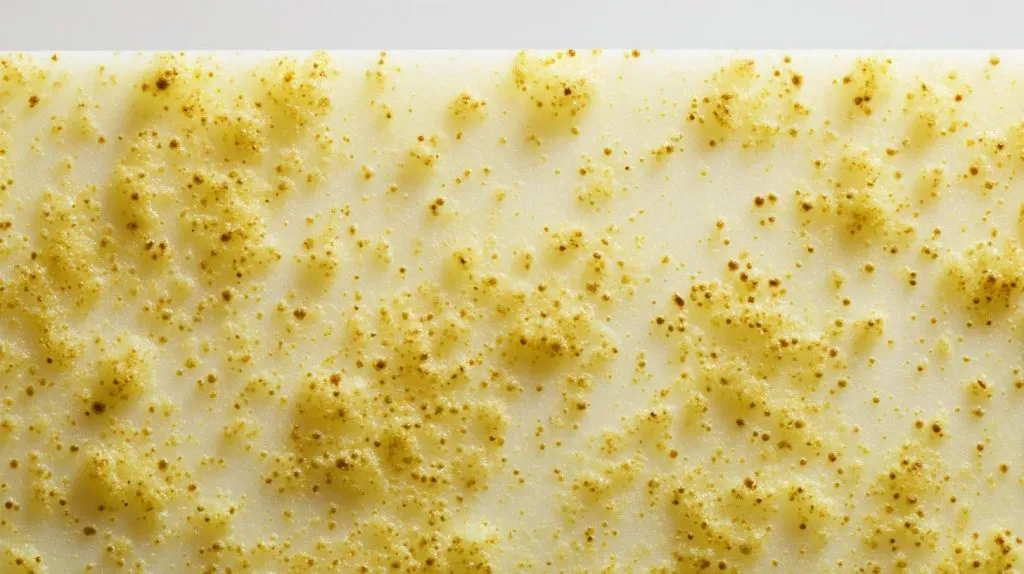
UV damage feels slow until it is not.
Yellowing, brittleness, and surface breakdown
Some plastics fade.
Some turn yellow.
Some crack at mounting holes.
This happens faster when:
- Sheets are thin
- UV additives are missing
- Edges are stressed
UV additives and material grades
“UV-resistant” is not a promise. It is a range.
Good questions to ask:
- How long is the UV rating tested?
- Indoor or outdoor UV standard?
- What market is the sheet made for?
| Material | Expected Outdoor Life |
|---|---|
| Cast acrylic | 5–8 years |
| Extruded acrylic | 2–4 years |
| PVC | 1–3 years |
UV does not care about budgets. It only cares about time.
How Should You Balance Appearance, Durability, and Cost?
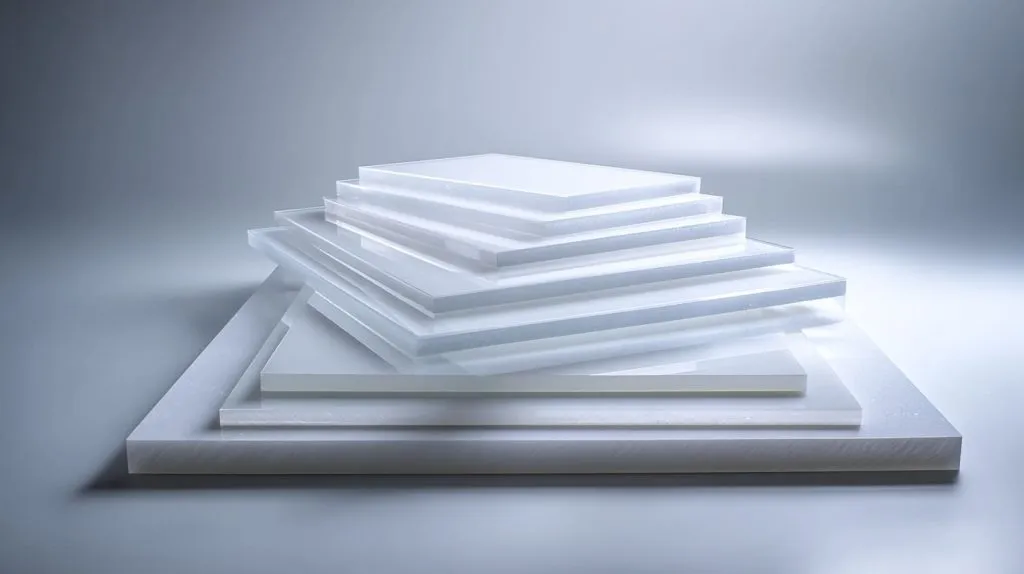
This is where buyers feel pressure.
Matching material to signage purpose
Ask one question first:
What job does the sign do?
- Brand image signs need clarity
- Direction signs need strength
- Promotion signs need speed
Cost traps in plastic selection
Cheap material often costs more later.
Hidden costs include:
- Reprints
- Replacements
- Labor to reinstall
Saving 10% on material can double long-term cost.
Once you see this pattern, thickness becomes the next silent risk.
What Thickness and Manufacturing Method Should You Consider?
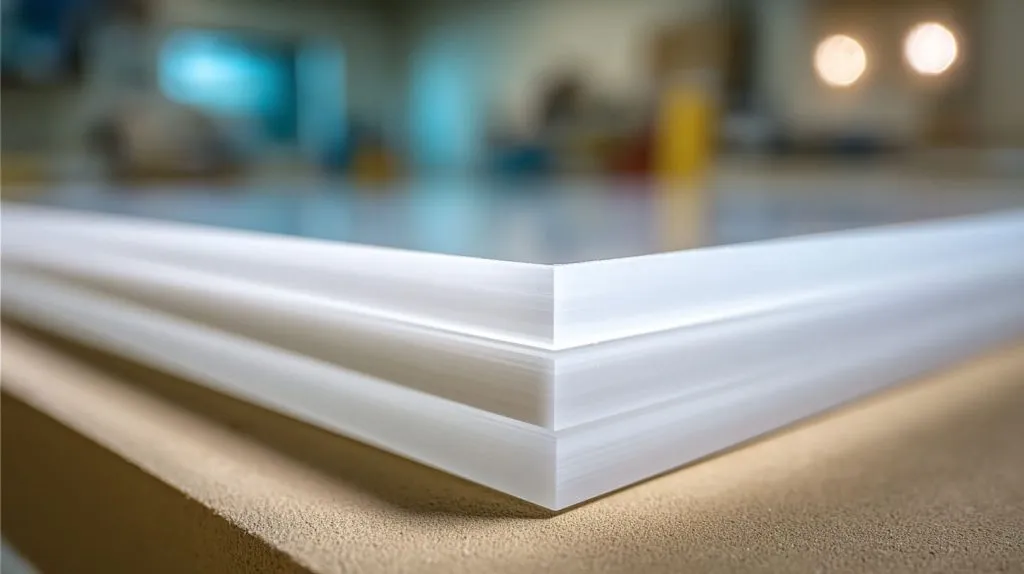
Thickness is not decoration. It is insurance.
Thickness guidelines for indoor vs outdoor signage
- Indoor flat signs: thinner works
- Outdoor freestanding signs: thicker needed
- Wind and mounting style change everything
| Use Case | Recommended Thickness |
|---|---|
| Indoor wall sign | 3–5 mm |
| Outdoor wall sign | 5–8 mm |
| Freestanding | 8–12 mm |
Manufacturing methods that affect performance
Laser cutting is fast.
CNC is calmer.
Laser edges look good but carry heat stress.
CNC edges reduce cracking risk.
Polishing hides stress. It does not remove it.
When signs fail at screw holes, it is rarely random.
This leads to the last step. Talking to suppliers.
What Questions Should You Ask Your Acrylic or Plastic Supplier?
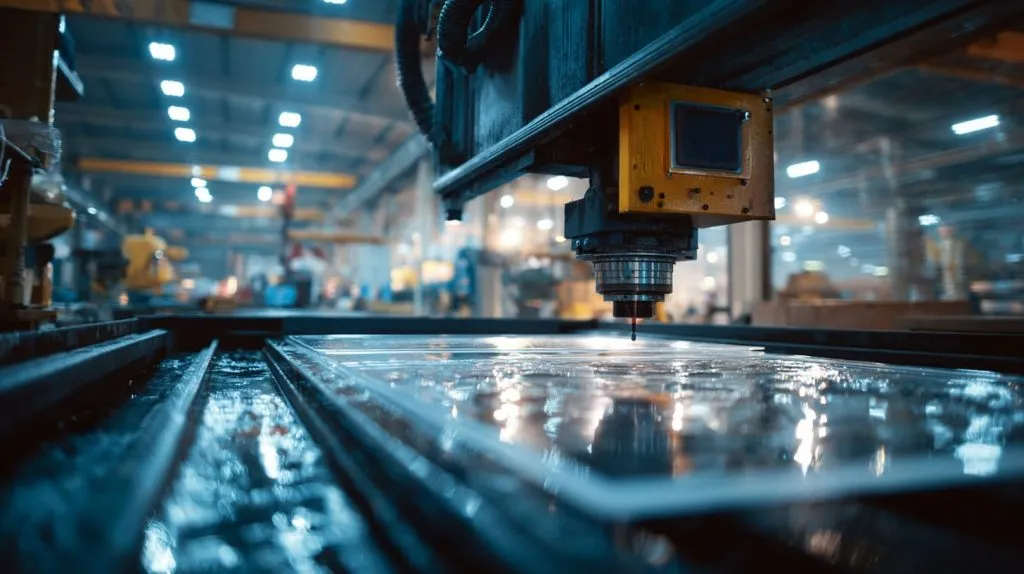
Suppliers know the truth. But only if asked clearly.
Material specification questions
Ask directly:
- Exact plastic name
- Sheet brand
- Indoor or outdoor rating
Production and quality checks
- Is sheet source stable?
- Has this material been used before?
- Any real project examples?
Good suppliers warn you. Bad ones stay quiet.
Conclusion
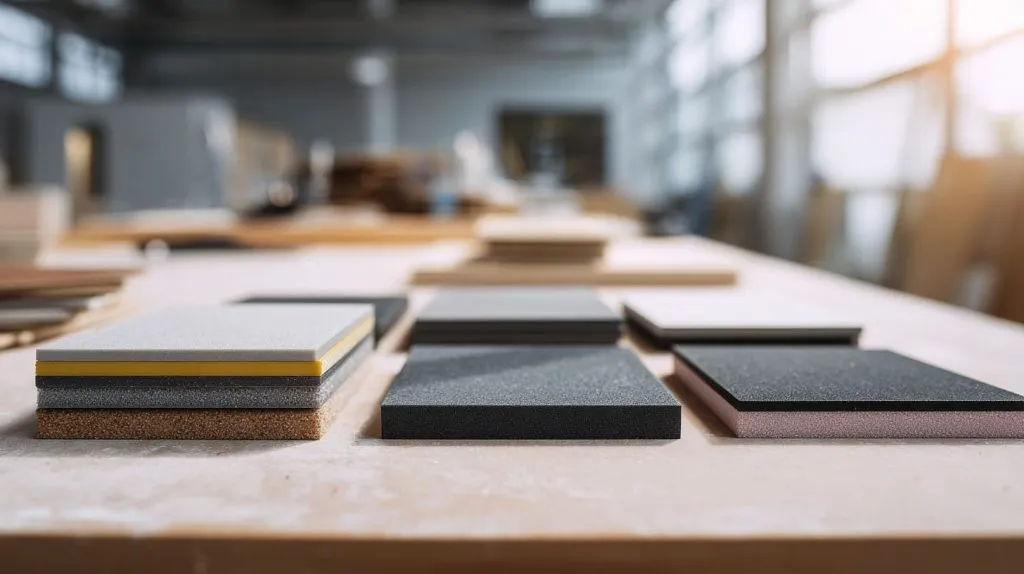
There is no perfect plastic. Only the right one for the right place.
Indoor signs reward clarity and finish.
Outdoor signs punish weak choices.
When you match environment, material, thickness, and process, signage stops being a risk and starts doing its job quietly.
If you are planning a new signage project and want a second opinion before cutting sheets, I am always open to talk. Sometimes one short conversation saves years of problems.