Skip to content
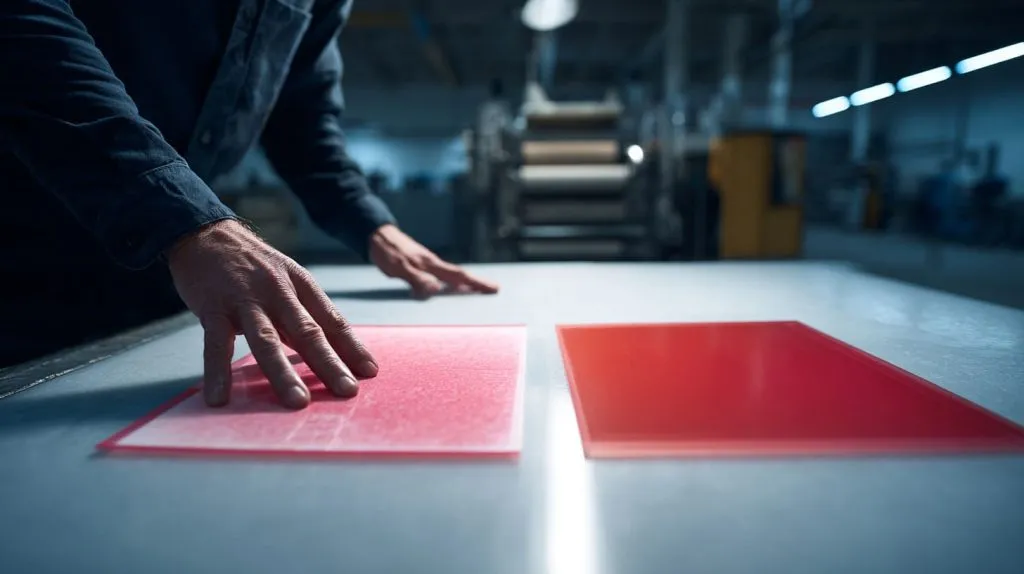
Acrylic always looks simple on the table. A clear sheet. A logo. Maybe a bold block of color. But I know, and you know, that printing is where the real risk hides.
I have stood next to buyers like you, Jacky, checking samples under factory lights. The sheet looked perfect. The cut was clean. Then we touched the logo. It felt thin. Or the red looked slightly off. And suddenly the whole project felt uncertain.
Printing on acrylic is not decoration. It is structure. It changes how the product feels. It changes cost. It changes complaints.
In our factory at Feilong Acrylic, I see two methods used again and again:
Both work. Both fail when chosen wrong.
In this article, I will break down how they work, where they shine, and how I decide between them when cost, quality, and delivery all matter.
Let me start with the more modern one.
What Is UV Printing on Acrylic?
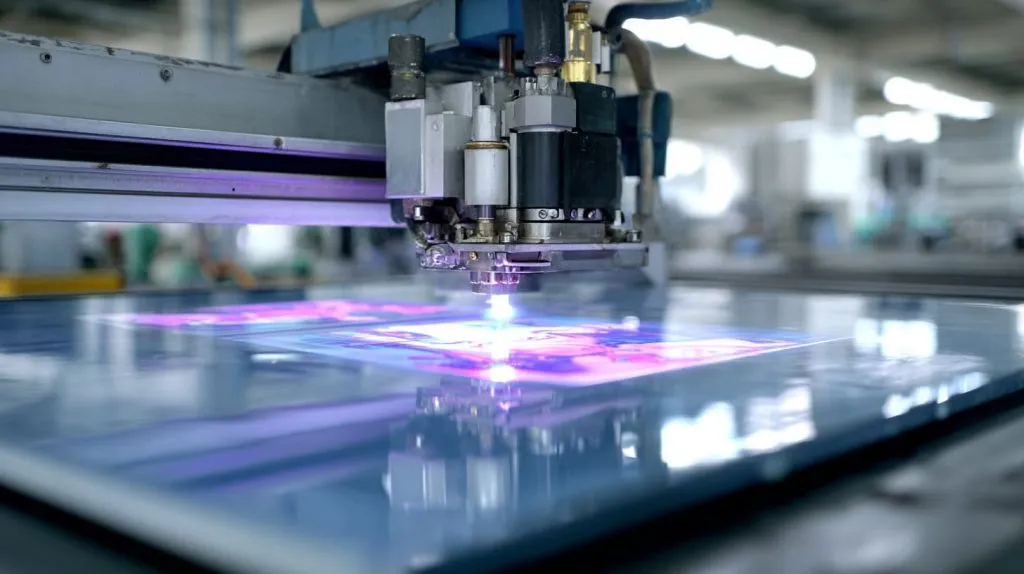
When I first saw UV printing run in a factory, I thought it looked almost too easy. The machine moved. The image appeared. The ink cured instantly. No drying racks. No waiting.
But easy does not mean simple.
How UV Printing Works
UV printing sprays tiny droplets of UV-curable ink directly onto the acrylic surface. Then UV light hits the ink immediately. The ink hardens in seconds.
I like to explain it this way:
| Step | What Happens | Why It Matters |
|---|---|---|
| 1 | Digital file goes to printer | No screens needed |
| 2 | Ink droplets land on surface | High detail possible |
| 3 | UV light cures ink instantly | No drying time |
| 4 | Surface becomes solid layer | Strong adhesion |
The ink does not soak into acrylic. It sits on top and bonds as it cures. That means surface cleaning is critical. I always tell my team: if dust stays, problems stay.
And here is something I learned the hard way — curing power matters. Too weak, and ink scratches. Too strong, and edges can become brittle.
Typical Applications of UV Printing
I choose UV printing when the design is complex.
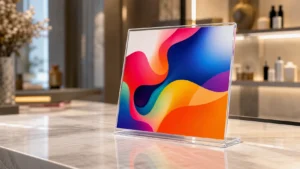
- Photo-quality images
- Gradient colors
- Multi-color brand logos
- Small batch custom projects
For example, one Canadian client wanted five cosmetic display variations for market testing. Screen printing would require five setups. UV printing handled all five from digital files.
| Project Type | UV Suitable? | Why |
|---|---|---|
| Photo display stand | Yes | High resolution |
| Multi-color logo box | Yes | Unlimited colors |
| Limited 200 pcs test run | Yes | No plate cost |
Key Advantages of UV Printing on Acrylic
Let me be honest. UV printing feels flexible. That is its biggest strength.
- Strong color vibrancy
- Sharp details
- Fast turnaround
- No screen setup
- Good scratch resistance
But I always ask one question: is flexibility what you need, or is stability what you need?
Because the answer sometimes changes everything.
That brings us to the older method that still survives for a reason.
What Is Screen Printing on Acrylic?
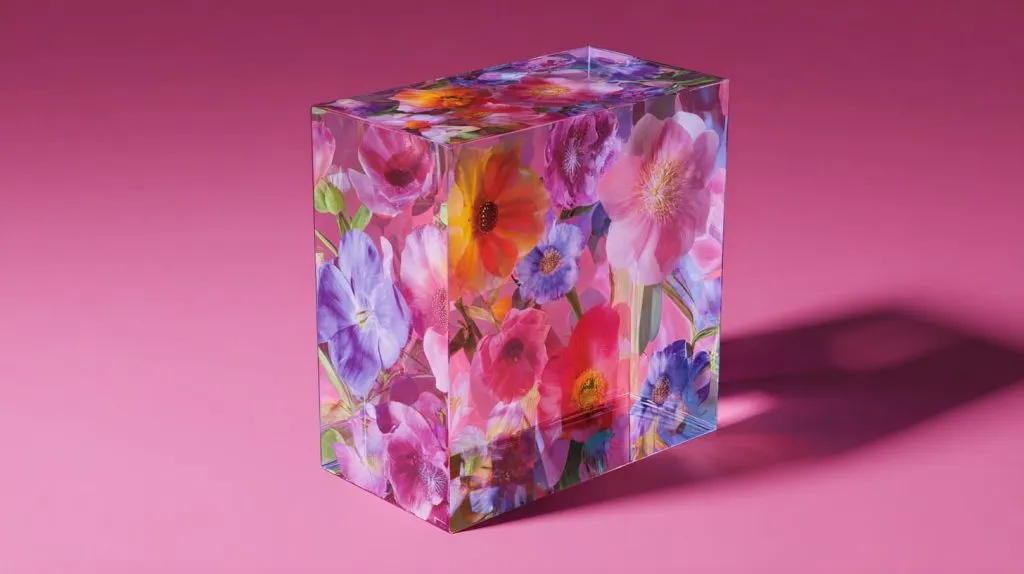
Screen printing feels more physical. More manual. You can see the ink being pushed through a mesh screen with a squeegee.
I still respect this method. It has been around for decades for a reason.
How Screen Printing Works
Screen printing uses a mesh screen with a stencil. Each color needs its own screen.
| Step | What Happens | Why It Matters |
|---|---|---|
| 1 | Screen prepared per color | Setup cost increases |
| 2 | Ink pushed through mesh | Thick ink layer |
| 3 | Color dried before next pass | Registration control needed |
| 4 | Repeat for each color | Complexity rises |
I once had a buyer assume three colors meant simple printing. In reality, it meant three screens, three alignments, and higher risk of slight misalignment.
That is where experience matters.
Typical Applications of Screen Printing
Screen printing shines in stable, high-volume projects.
- Single color logos
- Bold solid shapes
- Large repetitive runs
- Dark substrate with opaque ink
| Project Type | Screen Suitable? | Why |
|---|---|---|
| 10,000 pcs single logo | Yes | Low cost per unit |
| 2-color simple sign | Yes | Stable alignment |
| Photo image | No | Limited color blending |
Key Advantages of Screen Printing
Screen printing ink feels thicker. Sometimes slightly raised. Some customers like that tactile feel.
Advantages include:
- Strong solid color coverage
- Good opacity on dark acrylic
- Cost-effective at high volumes
But I always challenge myself with one thought: are we choosing it because it is cheaper per piece, or because we understand the full setup cost?
And that leads to the comparison that buyers always ask me about.
Head-to-Head Comparison: UV vs Screen Printing
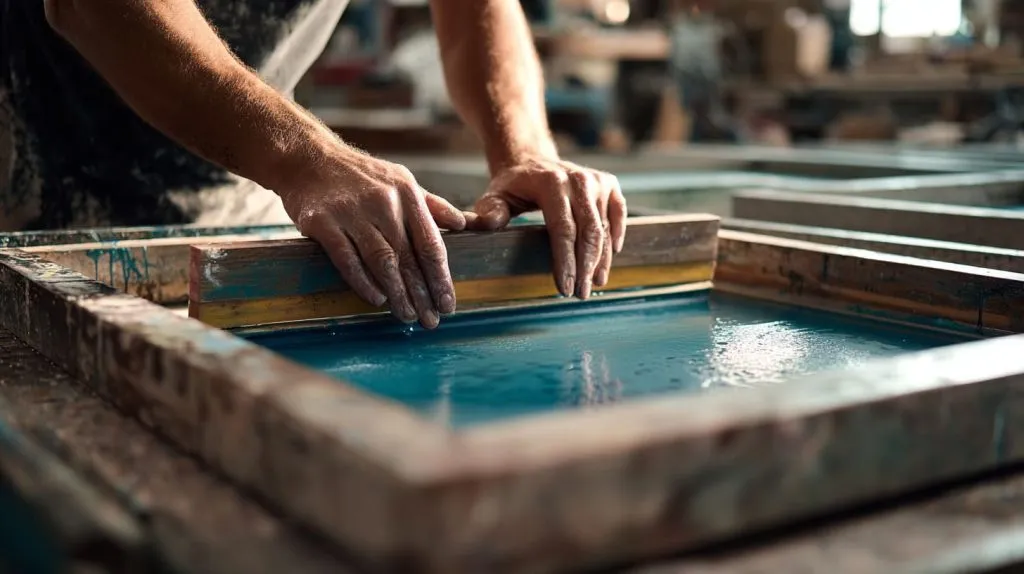
When Jacky visits our factory, he usually asks me to compare side by side. I like doing that. It removes emotion from the decision.
Setup and Workflow
| Factor | UV Printing | Screen Printing |
|---|---|---|
| File Setup | Direct digital | Requires screen preparation |
| Color Setup | Unlimited | One screen per color |
| Change Design | Easy | New screen required |
| Preparation Time | Short | Longer |
If you change design often, UV wins. If you run the same logo for years, screen can make sense.
Color & Design Capabilities
| Capability | UV | Screen |
|---|---|---|
| Full-color image | Yes | No |
| Gradient effect | Yes | Limited |
| Spot color | Yes | Yes |
| Fine details | Excellent | Moderate |
I always ask: is your design simple, or does it tell a story through color?
Cost Structure
Cost depends on volume and complexity.
| Scenario | Better Choice |
|---|---|
| 200 pcs, 5 designs | UV |
| 5,000 pcs, 1 color | Screen |
| 1,000 pcs, 3 colors | Depends on screen cost |
Screen printing has higher upfront cost. UV has higher machine cost but lower setup cost.
Print Durability & Performance
Both can be durable. But outdoor use changes the picture.
| Condition | UV | Screen |
|---|---|---|
| Indoor retail | Good | Good |
| Outdoor exposure | Strong resistance | Needs special ink |
| Scratch resistance | High when cured well | Moderate |
Surface prep always matters. No method fixes poor cleaning.
Production Speed & Flexibility
UV changes jobs quickly. Screen runs faster only after full setup.
So the real question becomes: speed of change, or speed of repetition?
And now I want to simplify it even further.
Pros and Cons Summary
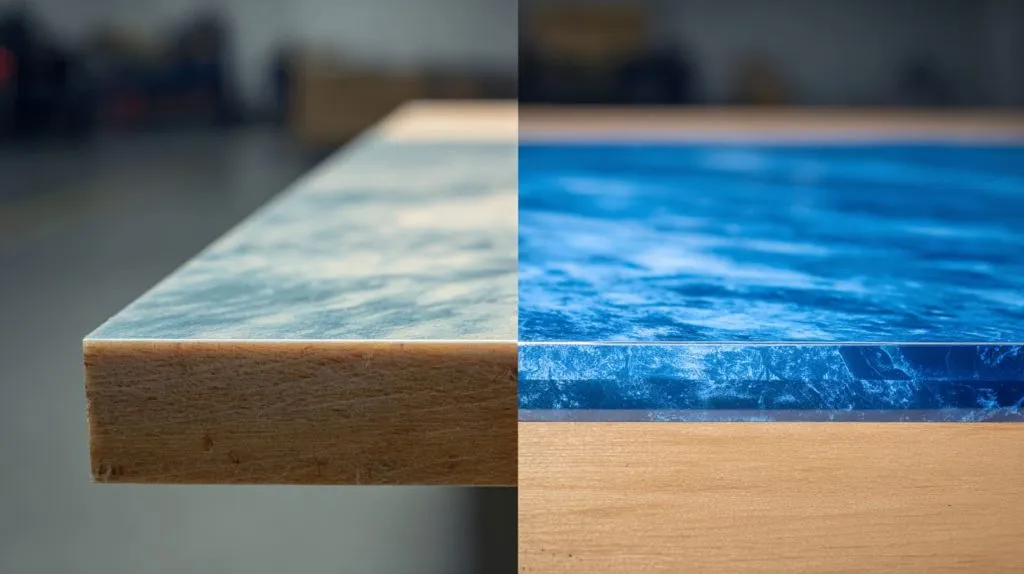
I like simple breakdowns when I make decisions.
Pros of UV Printing
- High resolution
- Flexible for customization
- No plate cost
- Strong color control
Cons of UV Printing
- Equipment cost high
- Slightly slower for huge single-color runs
Pros of Screen Printing
- Strong solid opacity
- Cost-effective at scale
- Thick ink feel
Cons of Screen Printing
- Limited color complexity
- Setup cost per color
- Less flexible for design changes
Every method has trade-offs. I never pretend one is perfect.
So how do I decide in real projects?
Choosing the Right Method for Your Acrylic Project
I always start with three questions.
Consider Order Size
| Quantity | My Recommendation |
|---|---|
| Under 500 pcs | UV |
| 500–3000 pcs | Compare both |
| Over 5000 pcs | Screen (if simple design) |
Volume changes everything.
Consider Visual Requirements
If your brand uses gradients, shadows, photography — UV.
If your logo is bold, flat, one color — screen works.
Consider Durability Needs
Outdoor signage? I prefer UV with proper curing.
Indoor cosmetic display? Either works.
And here is something I always remind buyers: do not only compare price per piece. Compare risk per piece.
Because complaints cost more than ink.
Conclusion
Both UV printing and screen printing work on acrylic. I use both in our factory. I do not favor one blindly.
UV printing gives flexibility, detail, and fast change. Screen printing gives stability and low cost at scale.
The right choice depends on:
- Volume
- Design complexity
- Budget
- Timeline
- Durability needs
If you are planning a custom acrylic display or box and feel unsure, talk to me before production starts. I prefer solving printing decisions at the drawing stage, not after samples disappoint.
At Feilong Acrylic, I focus on turning your idea into something stable, clean, and ready for market — without hidden printing surprises.
Let’s choose the method that fits your project, not just the one that sounds cheaper.