Skip to content
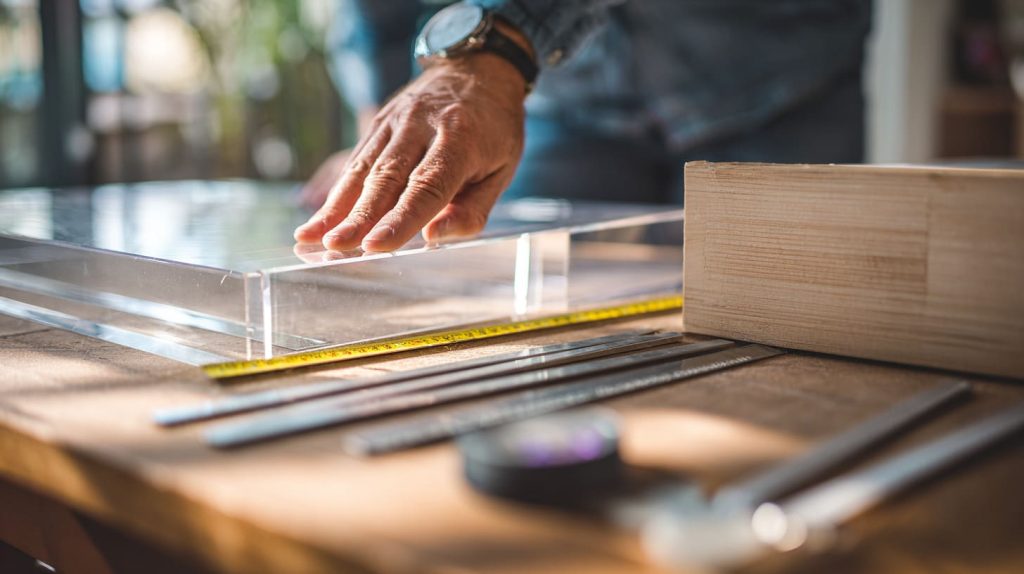
The idea for this topic came to me during a simple conversation with a buyer in Canada. We were talking about a shipment of acrylic displays, and the buyer casually mentioned how the box design changed the whole impression of the product. Not the display itself—the box.
That moment reminded me how often packaging decides the first emotional reaction, especially in B2B projects where people think “function first.” But even in our world, the box can add confidence, clarity and trust before your client even touches the product.
So in this post, I want to walk you through the factors that truly matter when creating custom boxes—materials, size and fit, branding, protection, cost and sustainability, and manufacturing quality. These elements work together more than many people think.
1. Material & Construction
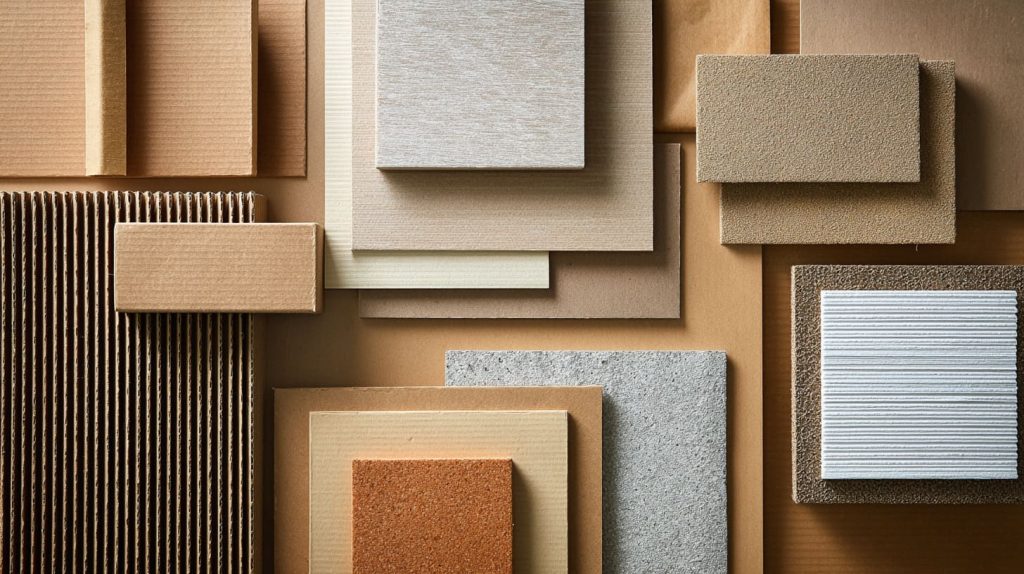
1.1 What materials are available for custom boxes?
When I first stepped into the packaging world, I assumed “a box is a box.” Quickly I learned that’s not true. Materials range from simple corrugated cardboard, rigid chipboard, to specialty materials like PET, acrylic, or foam‑core depending on the application.
A design guide notes that choosing the right material is key, because it influences durability, cost, printability and protection.
For example:
- Single‑wall corrugated board: cost‑effective, lightweight.
- Double‑wall corrugated: for heavier or more fragile items.
- Rigid chipboard or solid paperboard: premium feel, but higher cost and heavier weight.
1.2 How do material choices affect durability, aesthetics and functionality?
Here you need to think critically: you want a box that looks good and works well. If you use a thin material for a heavy item, you may get damage. If you use a premium rigid material for a basic product, you may over‑spend.
Consider this table:
| Material type | Durability | Aesthetic feel | Typical use case |
|---|---|---|---|
| Single‑wall corrugated | Moderate | Basic | Shipping outer boxes |
| Double‑wall corrugated | Higher | Mid‑range | Heavier products |
| Rigid board | High (premium) | Luxurious | Retail displays, premium gift boxes |
| Specialty (acrylic, foam‑core) | Depends | Very high | Custom inserts, display frames |
A poor choice of material might lead to: crushed corners, printing that fades, or a box that doesn’t align with brand expectations. On the other hand, the right material amplifies the product and brand.
1.3 What constructions (e.g., folds, flutes, corrugated vs rigid) should you consider?
Construction matters a lot. It’s not only what material you choose, but how you assemble it: the flute type in corrugated board, how it’s folded and glued, whether you use a one‑piece die‑cut, tray and cover, or rigid setup.
For example:
- Corrugated flute size influences strength and stacking ability.
- Rigid boxes often require hinges, magnets, inserts—more components and complexity.
- Custom die‑cut designs can allow special openings or handles, but add cost.
The guide from Express Packaging highlights the need to prototype your box construction to avoid surprises.
When you’re working with a Chinese factory (like mine at Feilong Acrylic), ask: What fluting is used? How many glue joints? Are inserts included? These answers help you avoid hidden weaknesses.
Ready to talk about how the box actually fits your product? Let’s go to the next factor.
2. Size, Shape & Fit
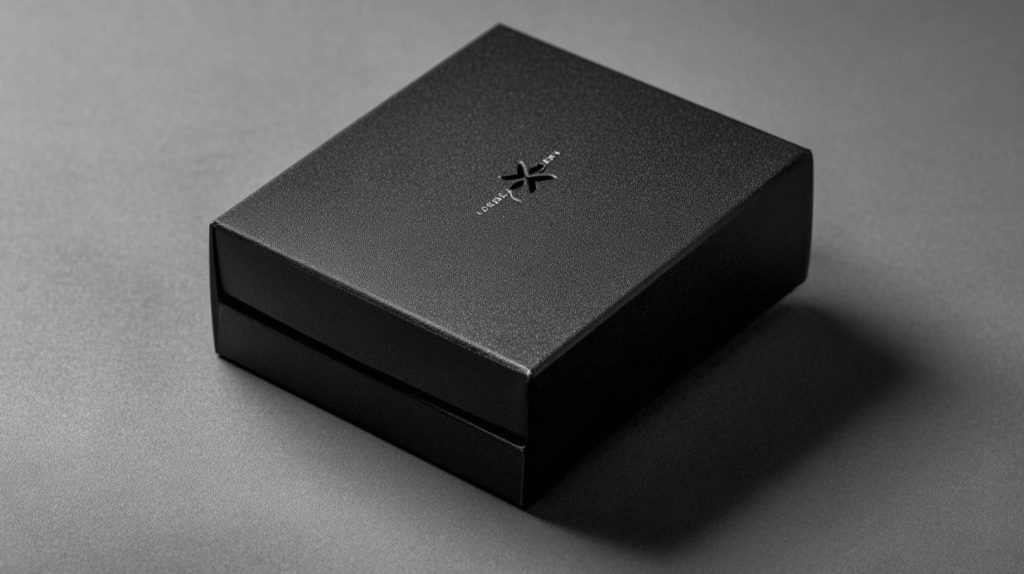
2.1 How important is the exact size relative to the product?
In one project we had a beautiful acrylic display and the box was oversized by 20%. On the day it arrived in Canada, shipping costs exploded and the display shifted inside the box during transport. That stay‑inside‑the‑box fit matters.
If the box is too large: wasted space, more filler, higher freight cost. Too small: items may damage bulbs, corners or get scratched.
So precision in size = better protection + lower cost.
2.2 How does shape (standard vs bespoke) impact cost and logistics?
Using a standard box shape (for instance, a regular slotted container) usually brings cost efficiency. A bespoke shape—say a trapezoidal box or one with a special opening—looks amazing, but often costs more and may complicate shipping, storage and manufacturing.
Here’s a simple comparison:
| Shape type | Cost factor | Logistics impact |
|---|---|---|
| Standard (rectangular) | Lower | Easy stacking & storage |
| Bespoke shape | Higher | Might require special handling or palletizing |
| Irregular/unique | Highest | May impact shipping zones, increase damage risk |
From the design viewpoint: ask yourself, does the bespoke shape add real value (brand identity, customer experience) or just aesthetic flourish? Without a business case, you might spend more for less return.
2.3 What role do internal elements (inserts, trays, dividers) play in fit and protection?
Internal components often make or break the success of the box. I once worked with an insert that rattled inside the box, and the product arrived scratched. We corrected it by redesigning the divider spacing, and everything changed.
Inserts/trays/dividers have functions like:
- Holding the product securely.
- Preventing movement during transport.
- Enhancing the unboxing look (premium feel).
When you’re working in a manufacturing‑heavy world, ask: Are these internal parts made in the same factory or outsourced? How are they assembled? What tolerance is there between insert and product?
When you get this right, your customers will feel the quality when they open the box.
If you’ve got the right material, fit and internal components, let’s shift to the brand side: how the box reflects your identity.
3. Branding, Design & Customer Experience
3.1 How does a box reflect brand identity (colors, finishes, typography)?
From my visits to factories in China, I’ve noticed that shops often focus on “box strength” and forget the “box presentation.” For you, Jacky, who frequently sources custom acrylic items, you know quality isn’t just structural—it’s visual and tactile.
The box is part of your brand story. It must align with your brand’s tone:
- High gloss finish vs matte feel.
- Color accuracy and print quality.
- Typography and branding placement.
A mismatch between the box’s look and the product’s quality leads to a brand disconnect. On the flip side, when done right, the moment your customer receives the item, the box already says: “I’m premium. I’m custom. I’m worth your investment.”
3.2 What is the unboxing experience, and why does it matter?
Let me be frank: in our B2B world people sometimes underestimate the unboxing. But I think they shouldn’t. Even in industrial or professional purchasing, the unbox moment sends a message—either of care or of “just shipped.”
Consider this: a customer opens the box and the product slides out smoothly, everything is secured, the branding is crisp, the insert aligns. That moment builds trust.
If instead the box is rough, the product rattling, the branding low quality, your customer might feel: “Hmm, did they cut corners?”
So design the unboxing as part of the product journey, even in B2B.
And that experience leads directly into our next question: how do you stand out in a crowded market?
3.3 How can design choices help a product stand out in a crowded market?
In a sea of generic shipping cartons, a well‑designed custom box can act like a beacon. But the key is thoughtful design—not flashy for flashiness’ sake.
Ask:
- Does the box’s shape or finish create a visual cue that aligns with product purpose?
- Are there unique features like spot‑UV, embossing, die‑cut windows or custom handles that enhance recognizability?
- Are you using typography, imagery or materials that resonate with your audience (you know your market—cosmetics, retail displays, acrylic furniture parts)?
For example: for a cosmetic organizer I sourced, we used a translucent window to show the product inside, matching the clarity of the acrylic itself. The result: “see‑through” packaging that reinforced the product’s transparency and premium nature.
Design choices matter not only for grabbing attention—but for reinforcing meaning.
Let’s tune into the practical side: protection, shipping and functionality.
4. Protection, Shipping & Functionality

4.1 What risks must a box protect against (impact, compression, handling, environment)?
I once visited a factory where thousands of boxes had collapsed under stack pressure. The reason? They skipped compression testing. For shipping from China to Canada, these risks are very real.
Boxes must protect against:
- Impacts during handling (drops, knocks).
- Compression from stacking during transit.
- Moisture or humidity (especially if in transit or storage).
- Vibration or shifting inside a larger carton or container.
A failure here means damage, returns, upset customers—and trust lost. So when you evaluate manufacturers, check their testing protocols, ask for past failure rates, ensure they can provide proven designs.
4.2 How should freight/shipping considerations influence your design?
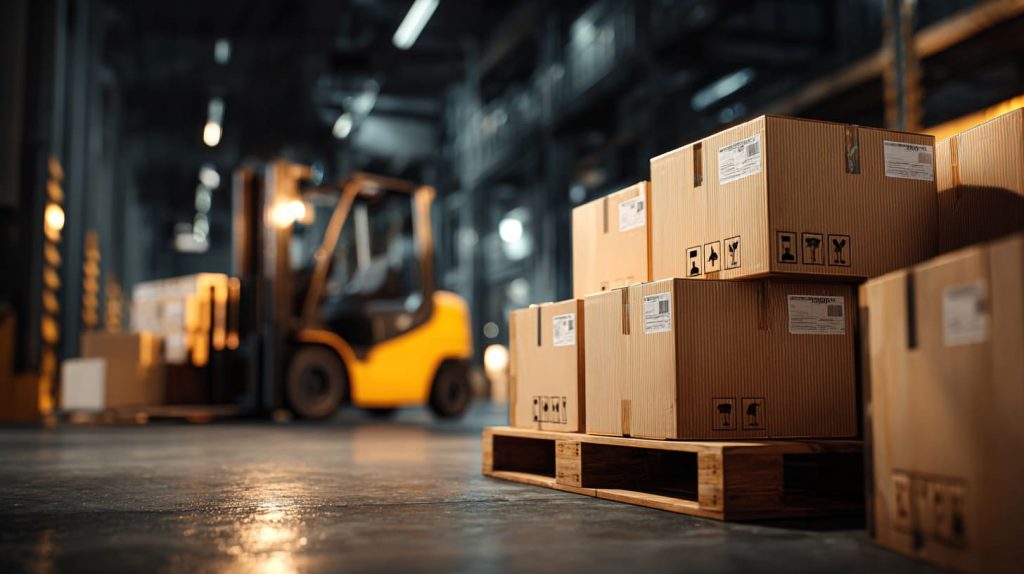
Freight costs are sneaky—they creep up when you least expect them. I’ve seen boxes that looked perfect in the factory, but once palletized for shipping from China to Canada they didn’t stack well, wasted space, and increased cost.
Consider:
- The external dimensions of the box and how many fit per pallet.
- Weight of the packaged product and any oversized factor that triggers air‑freight.
- How the box is placed in the shipping container—does it destabilize the load?
- Whether the formula supports sea freight, air freight or local truck transit.
When you’re ordering from China, ask your supplier: “How many boxes per pallet? What’s the finished weight? What’s the protective configuration in the shipping container?” Good answers save thousands.
4.3 What ease‑of‑use factors should be considered (opening, re‑closing, reuse)?
Functionality is often forgotten in favour of design flash. But for someone purchasing, distributing or storing the product—ease matters.
Ask:
- Does the box open easily without destructive pull‑tabs or tape that tears?
- Is re‑sealing or re‑closing required? Some displays benefit from a box that is also a shipper and a presentation case.
- Is the box reusable or positioned for multi‑trip use? For example, B2B clients may store and reuse packaging.
A well‑designed functional box shows the manufacturer (and your brand) is thinking about the whole user journey—not just the “first look”.
Next up: sustainability and cost. Because in 2025, you must care about both.
5. Sustainability & Cost Efficiency
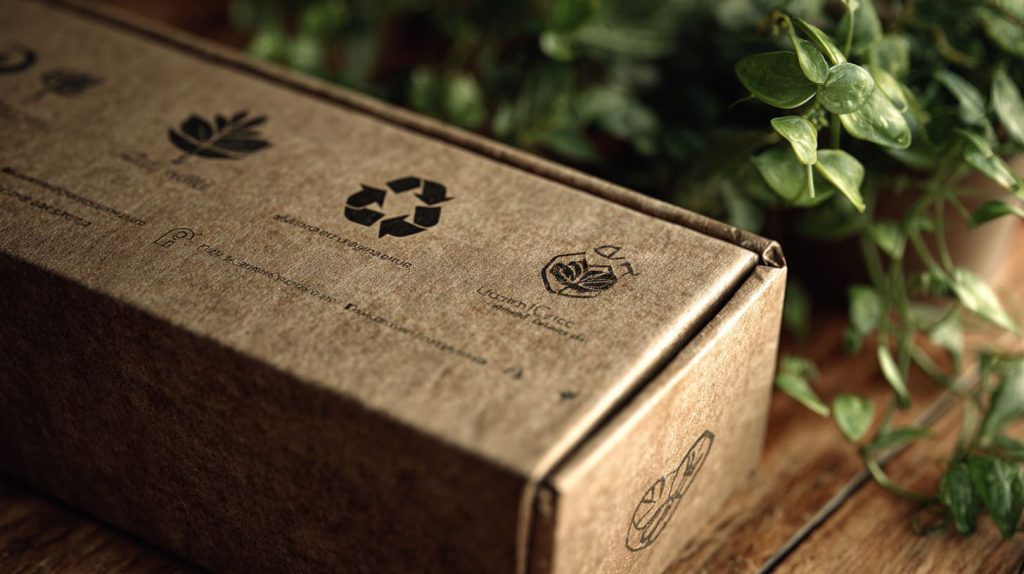
5.1 What sustainability trends/buyers are demanding (recycled materials, minimal waste)?
I cannot emphasise this enough: your purchasing team in Canada is hearing more about environmental impact than ever. “Is this packaging recyclable? Is it made from recycled material? Is there excess waste?” All valid questions.
Sustainability practices include:
- Using recycled board or post‑consumer content.
- Designing boxes with minimal excess material so there is less waste.
- Considering reuse or returnable packaging loops.
For a custom‑box project, mention to your supplier upfront that sustainability matters. It will influence material choice, cost, and even manufacturing lead‑time.
5.2 How do cost, scale and size of order affect unit cost of custom boxes?
We often think “let’s get the best box possible” but forget cost realities. As a seasoned purchasing professional, Jacky, you know volumes matter.
Here’s a simplified cost relation table:
| Order volume | Unit cost impact | Notes |
|---|---|---|
| Low volume (e.g., pilot run) | Higher cost per unit | Tooling amortized over fewer units |
| Mid volume | Lower cost | Better economy of scale |
| High volume | Lowest unit cost | Maximum leverage |
Custom boxes have many fixed costs: die cut tooling, setup, colour printing plates, etc. The more units you order, the more those costs spread.
But there’s a trade‑off: over‑ordering means storage cost, tying up capital, and risk of product revision.
Also, premium finishes or bespoke shapes add cost. That means balancing: “What’s the minimum acceptable spec that still meets brand + protection requirements?”
This is a big one. I’ve sat in budget meetings where the finance guys want “just a standard brown box” while the brand team pushes for “embossing, gloss varnish, magnetic flap”. The key is compromise.
Strategies I use:
- Prioritise the visible face: e.g., the lid or front panel gets the premium finish; sides/back get standard finish.
- Use premium design for key product lines (the “hero” SKUs) and simpler packaging for secondary SKUs.
- Get the box right structurally first, then layer the visuals. No point in spending on gloss if the box collapses.
- Reuse materials across lines: same box size, change insert or print for small variation—economy of scale.
When you view cost vs benefit this way, you make informed choices—not emotional ones.
Now we arrive at manufacturing and lead‑time—the moment where drawings meet reality.
6. Manufacturing, Lead Times & Quality Assurance
6.1 What should you check in a custom box manufacturer (experience, certifications, tooling)?
In my factory visits in China (including those with Feilong Acrylic), I’ve learned that a manufacturer’s credentials matter. You want someone with:
- Proven experience designing boxes like yours (e.g., for acrylic displays or custom shapes).
- Necessary certifications (ISO 9001, etc) to show structured process.
- In‑house tooling, finishing, print capability (less outsourced hand‑offs = fewer risks).
As one packaging guide says: don’t pick a manufacturer just on price—look at their background.
Also check: Can they provide sample prototyping? Are their lead times realistic? Are quality checks in place?
6.2 How do lead times, minimum order quantities and scalability influence your decision?
When you’re ordering from overseas (again, like from China to Canada), you must think in terms of weeks (or months), not days.
Key questions:
- What is the minimum order quantity (MOQ)? Smaller orders typically cost more per unit.
- How long is the manufacturing lead time from design approval to shipment?
- If demand unexpectedly doubles, can the manufacturer scale without compromising quality or delay you?
Remember: a beautifully designed box that ships a month late can damage your reputation and cost more in expedited shipping.
6.3 What quality checks and testing should be in place (prototypes, shipping tests, material specs)?
Here’s where you bring in your mold/product design thinking: testing matters.
Quality checks might include:
- Pre‑production sample (prototype) to verify size, print, material.
- Shipping simulation (drop test, compression test).
- Material specification verification (density, strength, fluting pattern, print adhesion).
- Approval sign‑off process: your purchasing department should approve samples before full production.
If any of those are skipped, you risk major issues: wrong size, poor print, collapsed boxes, delayed shipments.
Conclusion
In my years working alongside procurement teams and visiting factories in China, I’ve learned that a good custom box isn’t “nice to have” — it’s an integral tool in your product’s success.
When you combine material & construction, size/shape/fit, branding/design, protection/shipping, sustainability & cost, and manufacturing/lead‑time, you build a holistic view. Each factor interacts with the others — get one wrong and it affects the rest.
For someone like you, Jacky, who has experience dealing with Chinese suppliers and acrylic product workflows: always align the box design with your factory’s strengths. Ask tough questions early. Request prototypes. Use the box as part of the entire product story—not an afterthought.
Now is the time to design early, test thoroughly and partner with a manufacturer who aligns with your values (quality, customisation, fast lead‑time) — exactly what we at Feilong Acrylic stand for.
Here’s to your next custom box doing more than “just packaging”—here’s to it elevating your product, your brand, and your customer’s experience.