Skip to content

You know, after years in the acrylic business, I often find myself chatting with friends or clients over a cup of tea, and the question pops up: "What's really the difference between acrylic and plastic?" It's a topic that's both simple and surprisingly nuanced.
Acrylic is a type of plastic known as polymethyl methacrylate (PMMA), offering clarity, strength, and versatility that set it apart from other plastics. While all acrylic is plastic, not all plastic is acrylic. The key differences lie in their properties, applications, and performance in various environments.
Understanding these differences isn't just academic; it can help you make better choices for your projects.
Which is better, plastic or acrylic?
When it comes to selecting materials, the choice between acrylic and other plastics often depends on the specific needs of your project.
Acrylic often outperforms other plastics in terms of clarity and weather resistance. It offers a glass-like appearance with superior strength and is less prone to shattering. However, other plastics might be better suited for applications requiring higher flexibility or different thermal properties.

Let's dive a bit deeper into this. Acrylic shines when you need transparency and durability. For instance, in display cases or cosmetic organizers, its clear finish makes products stand out. On the other hand, plastics like polycarbonate might be preferable when impact resistance is critical.
Comparing Acrylic and Other Plastics
Here's a quick comparison:
| Property | Acrylic | Other Plastics |
|---|---|---|
| Transparency | Excellent | Varies |
| Strength | High | Varies |
| Weather Resistance | Excellent | Varies |
| Flexibility | Moderate | Can be higher |
| Cost | Generally Higher | Generally Lower |
So, the "better" material truly depends on what you're aiming to achieve.
How do I know if something is acrylic or plastic?
I remember the first time I tried to tell acrylic apart from other plastics; it felt like a daunting task.
You can identify acrylic by its clarity and rigidity. Acrylic is typically clearer and more rigid than other plastics. It doesn't yellow over time and has a distinct feel. A simple test is to tap it; acrylic often produces a higher-pitched sound compared to other plastics.

Another way is to look at the edges. Acrylic can be polished to a crystal-clear finish, whereas some plastics remain cloudy or rough. If you have access to a flame test (though I don't recommend this without proper safety measures), acrylic burns with a clear flame and doesn't produce soot.
What is the disadvantage of acrylic?
No material is perfect, and acrylic has its downsides too.
Acrylic can be more brittle than other plastics, making it susceptible to cracking under high stress or impact. It's also more prone to scratching, which can affect its clarity over time. Additionally, acrylic tends to be more expensive than other plastic options.

From my experience, if you're planning to use acrylic in a high-traffic area where it might get knocked around, you might want to consider protective coatings or alternative materials. Also, while scratches can be polished out, it's an extra step that you might not have time for.
Are acrylic containers better than plastic?
When it comes to storage and display, the choice of material can make a significant difference.
Acrylic containers offer superior clarity and a more upscale look compared to standard plastic containers. They are ideal for showcasing items while protecting them. However, for simple storage needs where appearance isn't a priority, standard plastic containers might be more cost-effective.
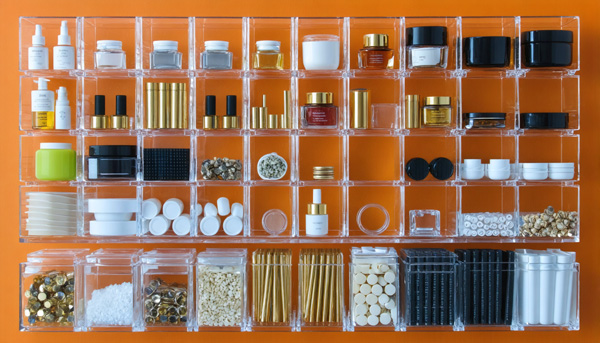
In my line of work, I've seen how an acrylic organizer can transform a cluttered space into a sleek display. They're not just functional; they're aesthetically pleasing. But again, if budget is a major concern, traditional plastics can do the job just fine.
Conclusion
Choosing between acrylic and other plastics boils down to your specific needs and preferences. If clarity, durability, and aesthetics are top priorities, acrylic is an excellent choice. But if flexibility and cost are more critical, other plastics might serve you better.