Skip to content
I once felt stuck when my team asked for acrylic cost estimates. The confusion made me worry about budgets. A closer look revealed that typical prices were more manageable than I first imagined.
Acrylic often ranges from to per pound. Thickness, supplier, and raw materials affect where your final cost lands. Try to confirm quality with smaller test orders before committing.
I recall an overbudget project that taught me to research supplier pricing carefully. That insight helped me secure better quotes for future orders.
What factors influence the price of acrylic plastic per pound?
When I visited a local distributor, I noticed unpredictable quotes. I dug deeper and uncovered various drivers behind acrylic prices.
Prices shift due to raw material costs, manufacturing processes, branding, and supply-demand patterns. Bulk orders help reduce unit expenses.

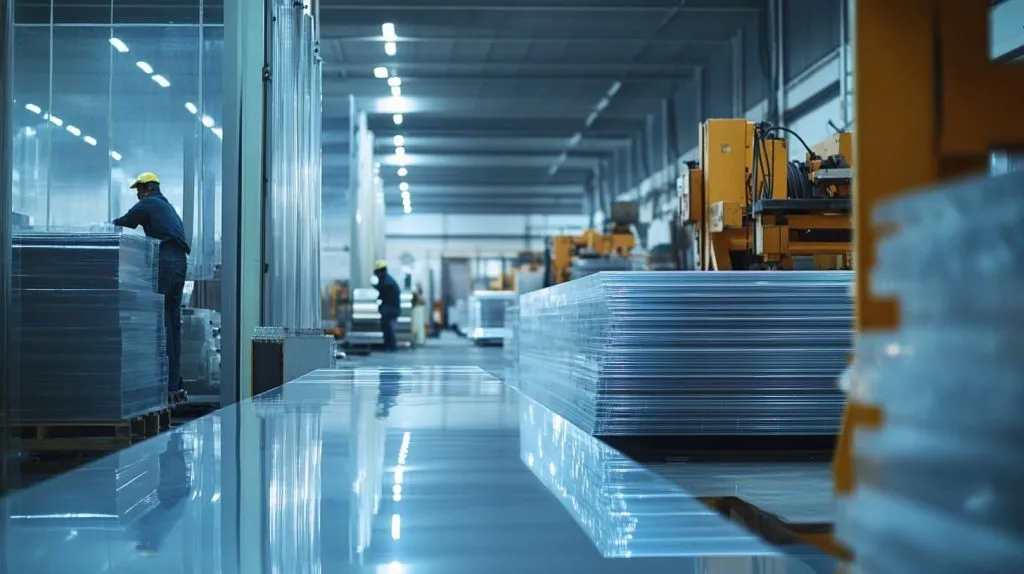
I once toured a Feilong Acrylic factory in China, which showed me how specialized laser cutting, labor, and quality checks can shape the final tag. The following table sums it up:
Key Cost Drivers
| Factor | Influence on Price | Example |
|---|---|---|
| Material Quality | Higher clarity = higher cost | Eco-friendly GSG-certified acrylic |
| Production Method | Intricate steps raise expenses | Multi-layer lamination |
| Order Quantity | Larger orders bring discounts | B2B deals for wholesale volumes |
| Certification/Brand | Reputable names charge premiums | ISO9001, known brand reputation |
How does the cost of acrylic plastic compare to other types of plastic?
I once had a project needing polycarbonate. Sticker shock was real, and it led me to compare costs with acrylic.
Acrylic typically lands in the mid-price range. It’s more expensive than PVC but often cheaper than high-grade polycarbonate.
Exploring Different Plastics
I love how acrylic’s clarity offers a show-stopping effect without the hefty cost of some alternatives. Here’s a quick side-by-side:
| Plastic | Price Range (per lb) | Transparency | Durability |
|---|---|---|---|
| PVC | \$1 - \$2 | Moderate | Average impact resistance |
| Acrylic | \$3 - \$5 | Excellent | Good impact resistance |
| Polycarbonate | \$4 - \$7 | Great | Very high impact resistance |
Acrylic finds its sweet spot by balancing appearance and budget. That’s why I keep using it for displays, stands, and frames.
Where can I purchase acrylic plastic sheets at the best price?
I remember initially buying from a small shop. Prices were steep, and I later found better deals online and through direct factory contacts.
Comparing online wholesalers, local distributors, or direct manufacturers can unlock competitive pricing. Bulk discounts often apply for large orders.

In my experience, B2B bulk ordersfrom factories like Feilong Acrylic (flacrylic.com) often beat typical retailer costs. I request samples first to check clarity and thickness. Negotiating volume-based deals helps me stay within budget.
Insider Tips
- Check verified B2B marketplaces to compare feedback
- Factor in shipping fees for large quantities
- Ask for lead times and reliability records
Has the price of acrylic plastic changed over time?
Years back, I saw acrylic sheet costs jump sharply. It spurred me to track trends and notice subtle pricing shifts.
Prices do fluctuate, mainly due to raw oil costs, seasonal demand, and market dynamics. However, acrylic typically stays within its core range.
I learned that surging demand for retail displays or protective shields can push prices. Economic shifts also play a part. That’s why I lock in quotes early when I sense an upswing.
Is recycled acrylic plastic cheaper than virgin acrylic plastic?
I once tried recycled acrylic to cut costs. My final product wasn’t as pristine but still fit the bill for back-end parts.
Recycled acrylic can be slightly cheaper, although clarity may vary. It provides an eco-friendly route while saving a bit on cost.
Points to Consider
- Clarity: Recycled sheets may have slight tints
- Durability: Generally solid, though minor scratches are common
- Eco Impact: Less waste, a green choice for certain projects
I often use recycled acrylic for less visible pieces, saving virgin sheets for top-tier display surfaces.
Conclusion
Acrylic is versatile, transparent, and generally affordable. I keep exploring its evolving market to balance price and performance.