Skip to content
A client once told me, “I just want something that looks like glass but won’t shatter when someone bumps it.” That’s where acrylic quietly steps in.
Acrylic is a durable, lightweight, and crystal-clear material that mimics glass while offering better impact resistance and versatility across industries.
I’ve worked with it for over a decade—from laser-cut display racks to custom blocks with edge-polished perfection. Let’s walk through what makes it so beloved in the world of design and fabrication.
What are the advantages of acrylic material?
This is the first question I ask new buyers to think about.
Acrylic offers high transparency, impact resistance, UV resistance, and excellent machinability, making it ideal for custom designs.
Clarity & Strength
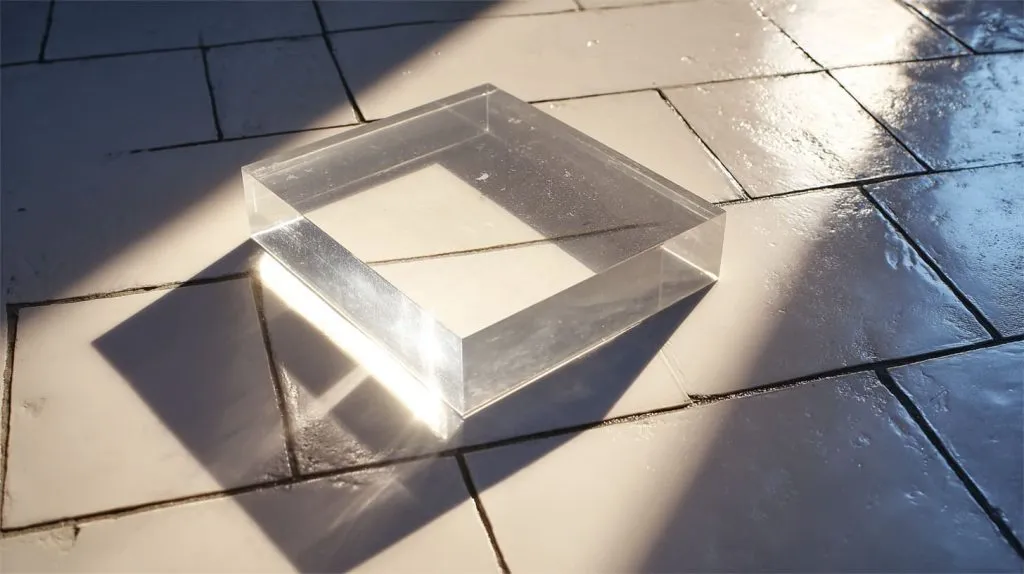
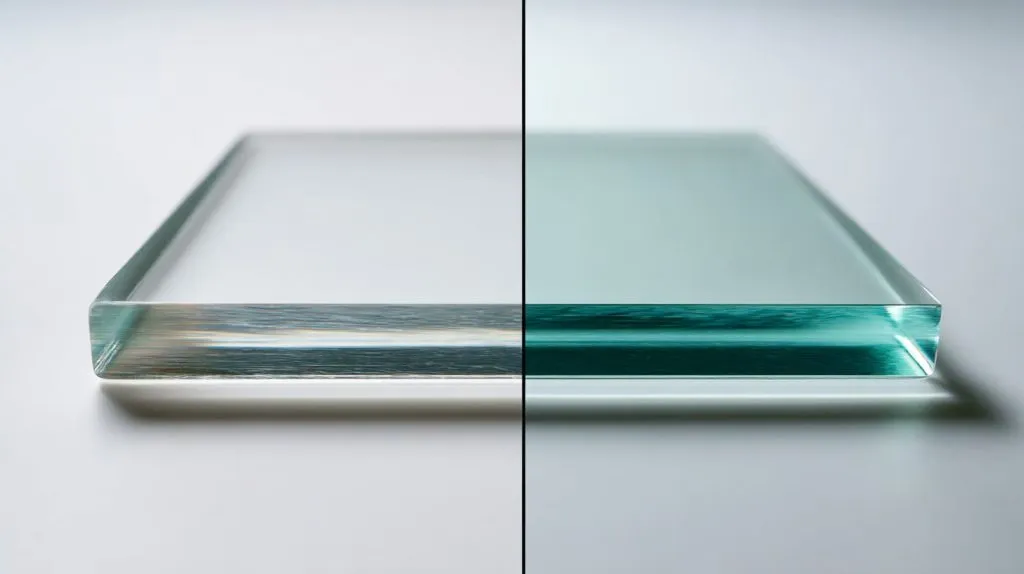
Acrylic transmits up to 92% of visible light—brighter than most glass. At the same time, it resists impacts nearly 10–20 times better than glass of the same thickness.
| Property | Acrylic | Glass |
|---|---|---|
| Light Transmission | ~92% | ~88–90% |
| Weight | ~50% lighter | Heavier |
| Impact Resistance | 10–20x stronger | Brittle |
Custom-Friendly
It cuts cleanly on CNC, engraves like a dream under lasers, and glues seamlessly. Designers love it. I’ve seen display prototypes come to life in just days.
Does acrylic break easily?
This is a common misconception I’ve had to clarify many times.
No, acrylic does not break easily under normal use—it’s significantly more impact-resistant than glass, though it can crack under stress or sharp impact.
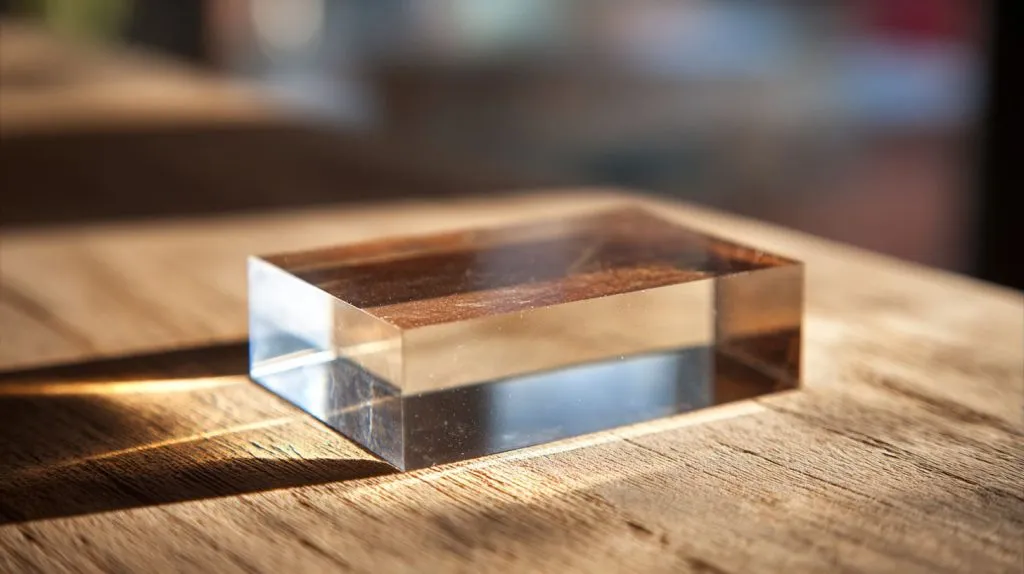
I remember accidentally dropping a sample block from shoulder height. It didn’t even chip. That’s the kind of daily toughness we’re talking about.
Is acrylic healthy to wear?
Some fashion brands ask me this when prototyping accessories.
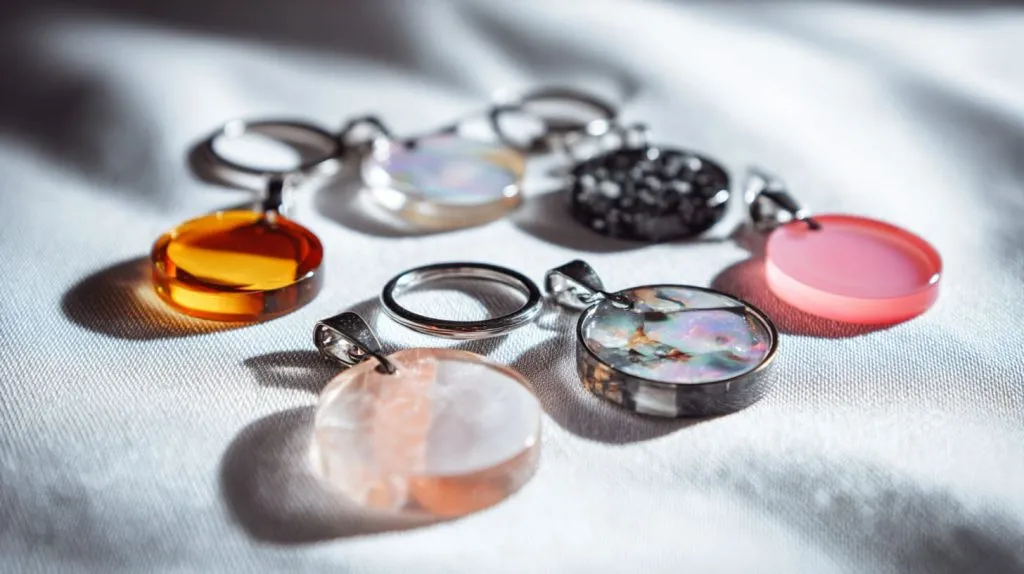
Yes, acrylic is safe to wear on the skin, as long as it’s properly finished and free from sharp edges or residues.
I’ve worked with clients on keychains, pendants, and even wearable art pieces. As long as it's polished and cleaned, there’s no irritation or smell.
Why is acrylic better than plastic?
Funny thing—acrylic is a plastic. But it's not your average disposable kind.
Acrylic is clearer, stronger, and more durable than common plastics like PVC or PET, making it better for long-term applications.
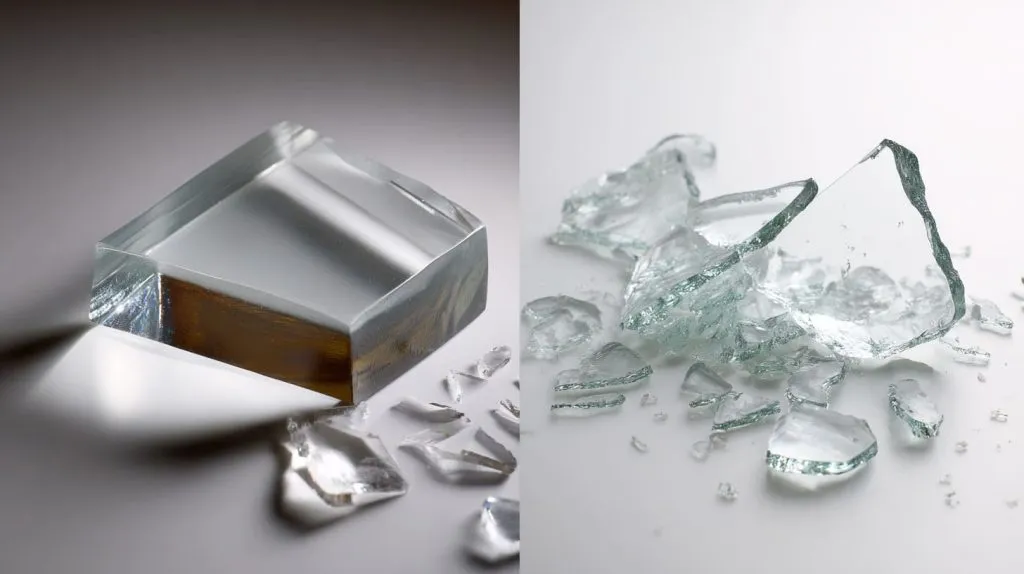
Many people confuse cheap injection-molded plastics with acrylic. But once they hold a polished PMMA block, they get it. It feels… premium.
Does acrylic material last long?
I’ve had displays I made 8 years ago still looking like new.
Yes, acrylic is long-lasting, especially indoors. With proper care, it can maintain clarity and strength for over a decade.
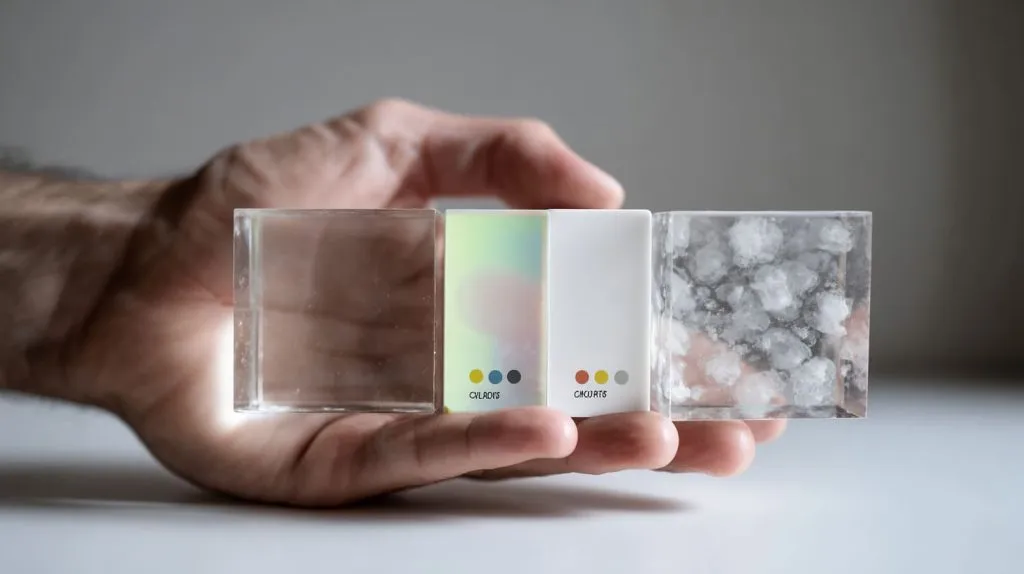
Avoid strong solvents or rough scrubbing, and it will serve for years—whether in stores, museums, or homes.
What are the advantages of using acrylic over glass?
This one comes up all the time with display buyers.
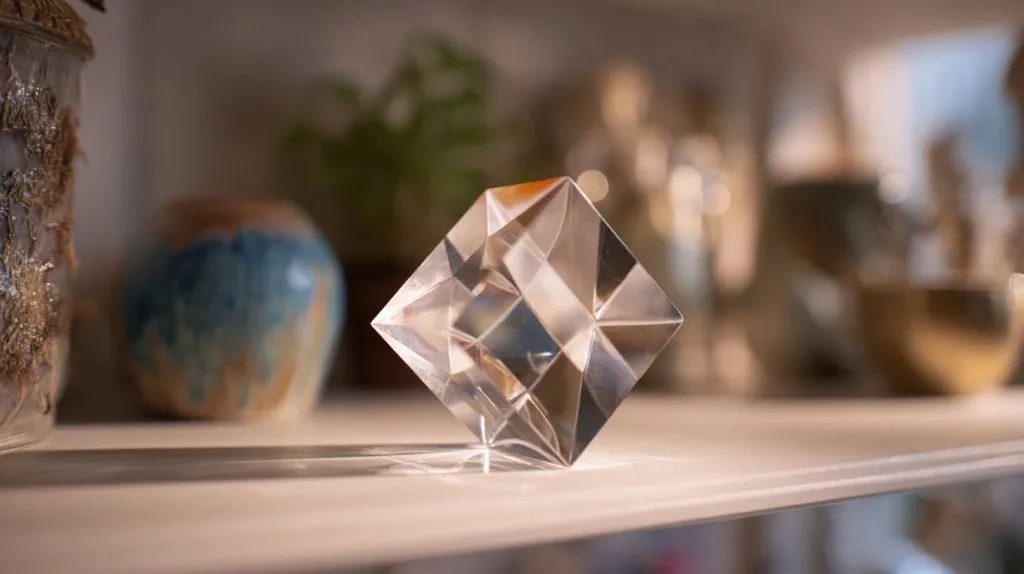
Acrylic is lighter, safer, easier to fabricate, and more impact-resistant than glass—yet still delivers excellent transparency.
Comparison Table
| Feature | Acrylic | Glass |
|---|---|---|
| Weight | Lightweight | Heavy |
| Shatter Resistance | High | Low (shatters) |
| Fabrication | Easy to cut & bond | Harder to process |
| Safety | Safer if dropped | Sharp fragments |
In many retail or gallery settings, acrylic has quietly replaced glass—and no one notices the difference until they drop it.
Is acrylic stronger than polycarbonate or PVC?
Engineers sometimes challenge me on this.
Acrylic is stiffer and more scratch-resistant than PVC and offers better clarity than polycarbonate, though not as impact-tough as polycarbonate.
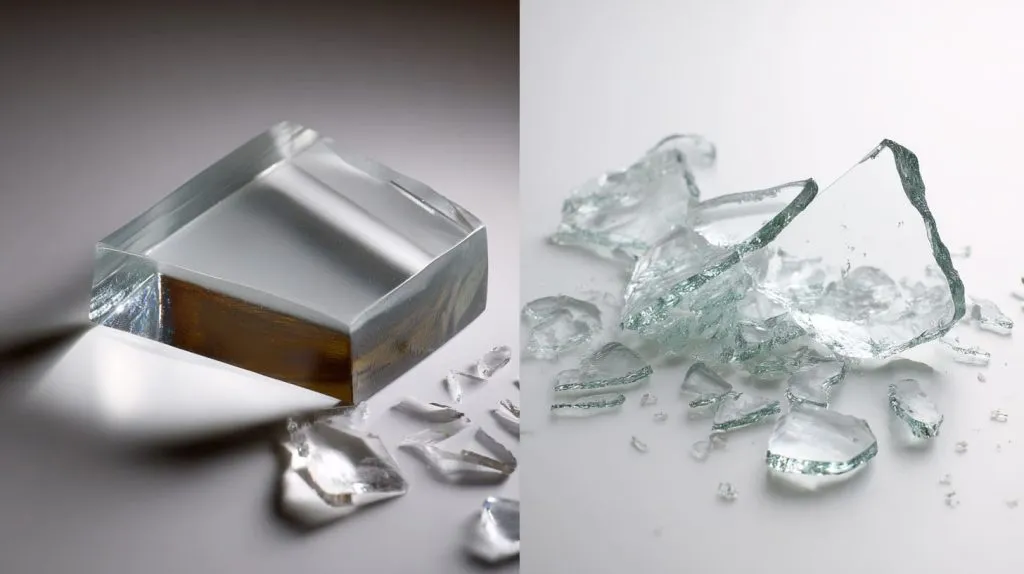
Polycarbonate bends; acrylic holds its form. That’s why we use it for crisp, clean edges.
Quick Comparison
| Property | Acrylic | Polycarbonate | PVC |
|---|---|---|---|
| Clarity | Excellent | Good | Low |
| Impact Resistance | Good | Excellent | Moderate |
| Rigidity | High | Medium | Low |
| Scratch Resistance | High | Low | Low |
Can acrylic withstand outdoor or UV exposure?
I get this one a lot from signage buyers.
Yes, especially UV-resistant grades of acrylic are suitable for outdoor use and resist yellowing under sunlight.
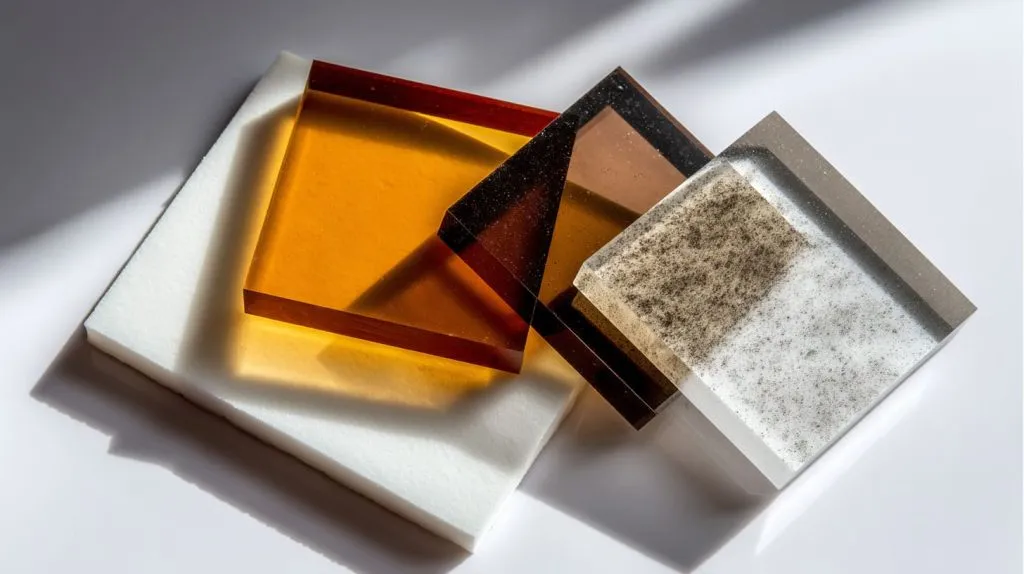
We use cast acrylic for most outdoor signage because it stays clear and resists UV better than cheaper extruded versions.
How does acrylic compare to glass in terms of weight and impact resistance?
Here’s where acrylic wins big in shipping costs.
Acrylic weighs about half as much as glass and is far more impact-resistant, reducing the risk of damage during transit or daily use.
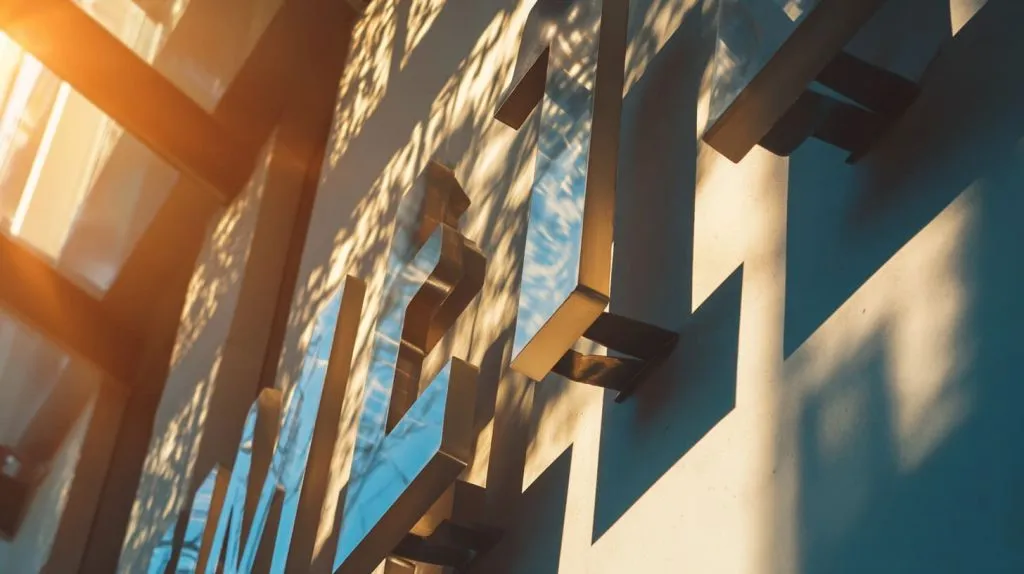
I’ve shipped hundreds of acrylic displays globally—and glass would’ve cost 3x more in protective packaging alone.
Is acrylic safe for food contact or cosmetic storage?
Some cosmetic clients need clarification here.
Yes, food-grade acrylic is safe for dry food storage, and it's widely used in cosmetic organizers and retail display units.
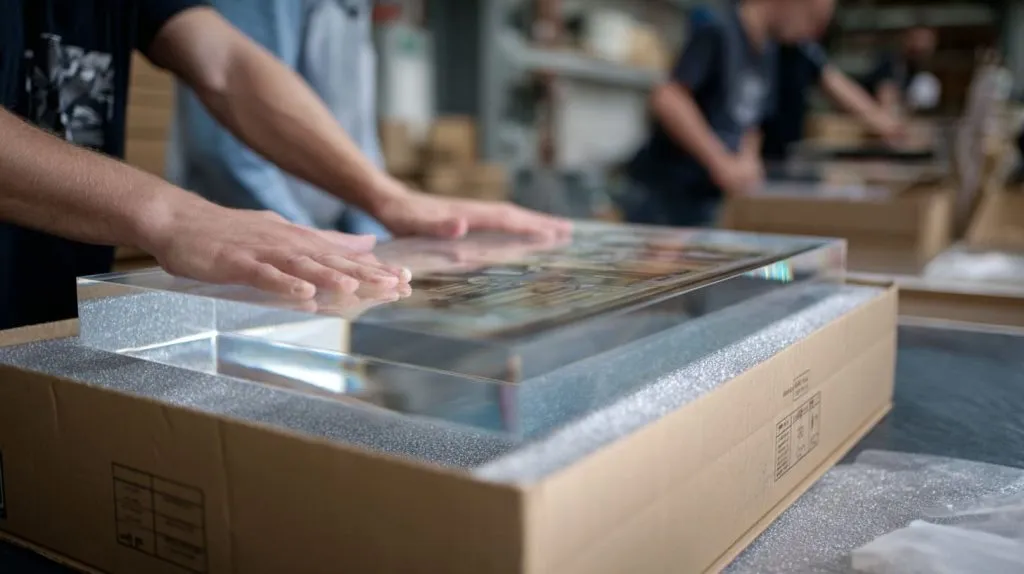
We’ve made clear lipstick holders, cotton pad boxes, even tea bag organizers. Just avoid contact with oils or acids long-term.
What thickness of acrylic should I choose for display stands or boxes?
This depends a lot on the item’s size and use.
For small desktop boxes, 3–5 mm works well. For larger shelves or stands, use 8–10 mm or reinforced acrylic.
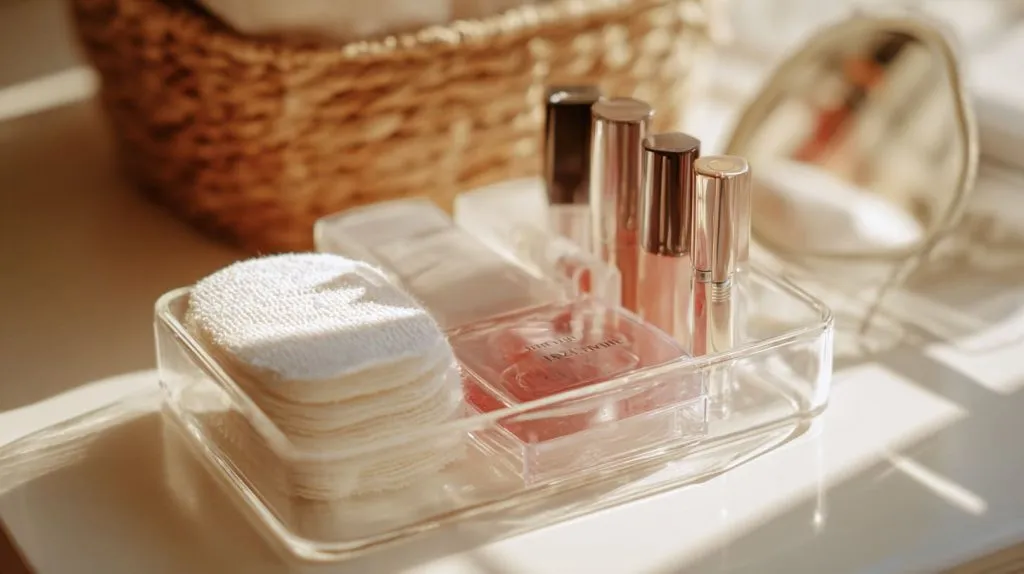
Here’s a simple guide:
| Application | Recommended Thickness |
|---|---|
| Desktop Organizer | 3–5 mm |
| Large Display Stand | 8–10 mm |
| Wall-Mounted Rack | 6–10 mm + reinforcement |
Can acrylic be recycled or is it environmentally friendly?
It’s a fair concern today.
Acrylic (PMMA) can be recycled, but not as easily as PET. It’s more sustainable when used for long-term or reusable items.
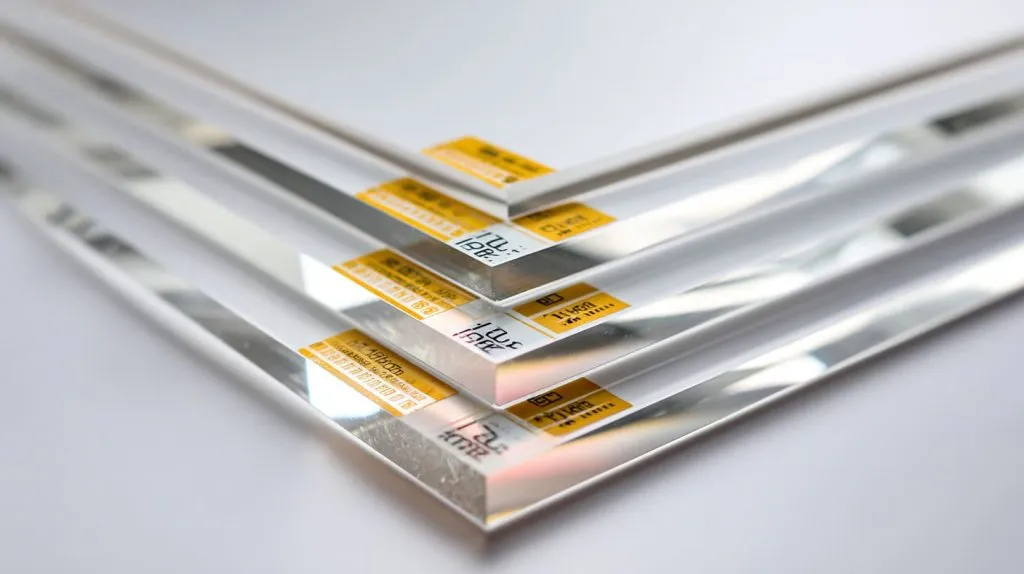
We always recommend bulk buyers to design for longevity—because reusability is the real green path.
Does acrylic turn yellow or crack over time?
A lot of people assume it ages badly.
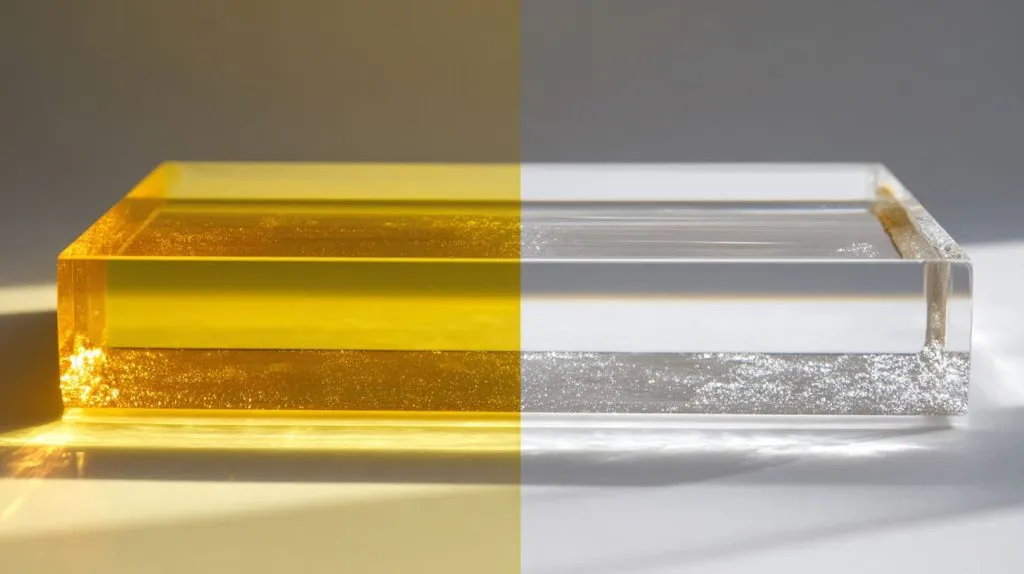
High-quality cast acrylic resists yellowing and cracking for many years, especially if kept indoors.
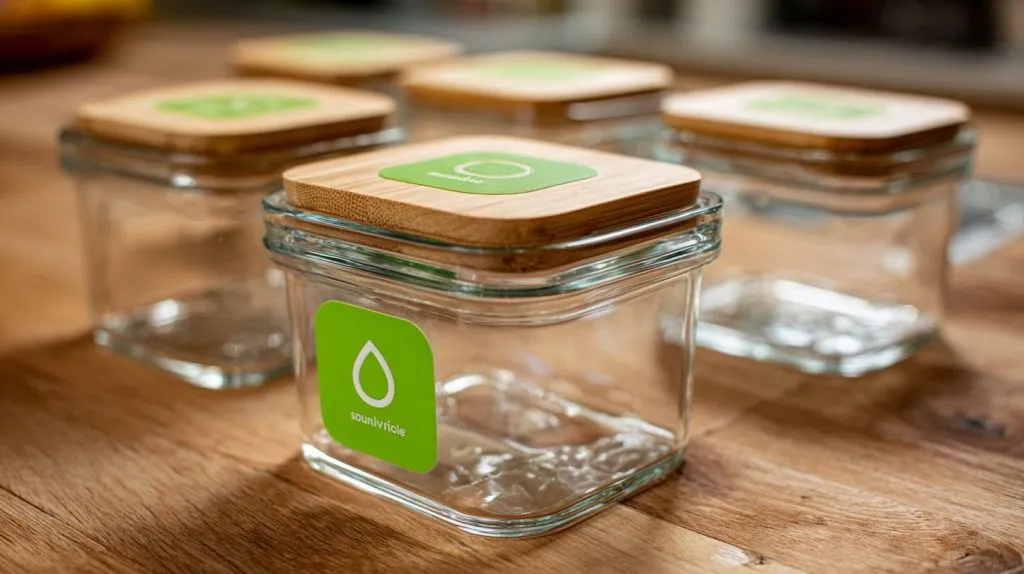
Cheaper extruded types? Yes, they might yellow. But GSG-certified cast acrylic? I’ve got samples from 6 years ago still crystal clear.
Is acrylic easy to laser cut or CNC machine?
This is where acrylic truly shines.
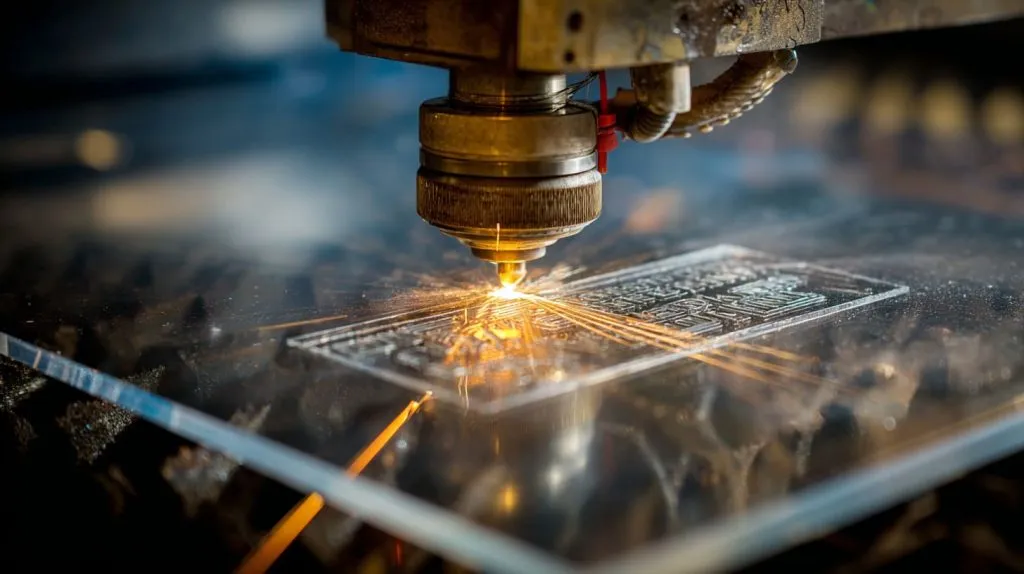
Yes, acrylic machines beautifully with lasers and CNCs, allowing precise edges, cutouts, and engraving.
I’ve seen clients’ jaws drop after seeing their logo perfectly etched—down to every tiny serif.
How much does custom acrylic fabrication cost compared to other materials?
Cost always matters, especially at scale.
Acrylic is more expensive than PVC but cheaper than glass in total cost (fabrication, shipping, safety), making it a balanced choice for many applications.
Let’s say you order a batch of 200 display stands:
- PVC: Cheap per unit, but flexible, dull, and not premium
- Acrylic: Slightly more upfront, but perfect look + faster assembly
- Glass: Expensive, fragile, and heavy—adds cost in packaging and risk
Acrylic often sits in that “just right” sweet spot.
Conclusion
Acrylic combines clarity, durability, and versatility like few materials can—and that’s why I keep choosing it again and again.