Skip to content
You know, I've always been fascinated by the versatility of acrylic sheets. They're everywhere once you start paying attention—from the clear protective barriers at stores to the sleek displays in art galleries.
Acrylic sheets are lightweight, durable plastic materials used in a wide range of applications. They serve as an alternative to glass, offering transparency and strength without the heavy weight. Common uses include signage, display cases, picture frames, and even furniture components. Their ease of customization makes them ideal for both personal and industrial projects.
But what exactly makes acrylic sheets so popular, and are there downsides to consider?
What is the purpose of acrylic sheets?
So, let's dive into the core purpose of acrylic sheets. Why are they chosen over other materials like glass or polycarbonate?
Acrylic sheets are used primarily for their transparency, strength, and ease of fabrication. They replace glass in many applications due to their lightweight nature and shatter resistance. They are ideal for creating displays, protective barriers, windows, and decorative items, offering both aesthetic appeal and functional durability.

When I first started working with acrylic sheets, I was amazed at how adaptable they were. Unlike glass, acrylic can be cut, drilled, and shaped without the risk of cracking. This flexibility opens up a world of possibilities for designers and manufacturers alike.
Versatility in Design
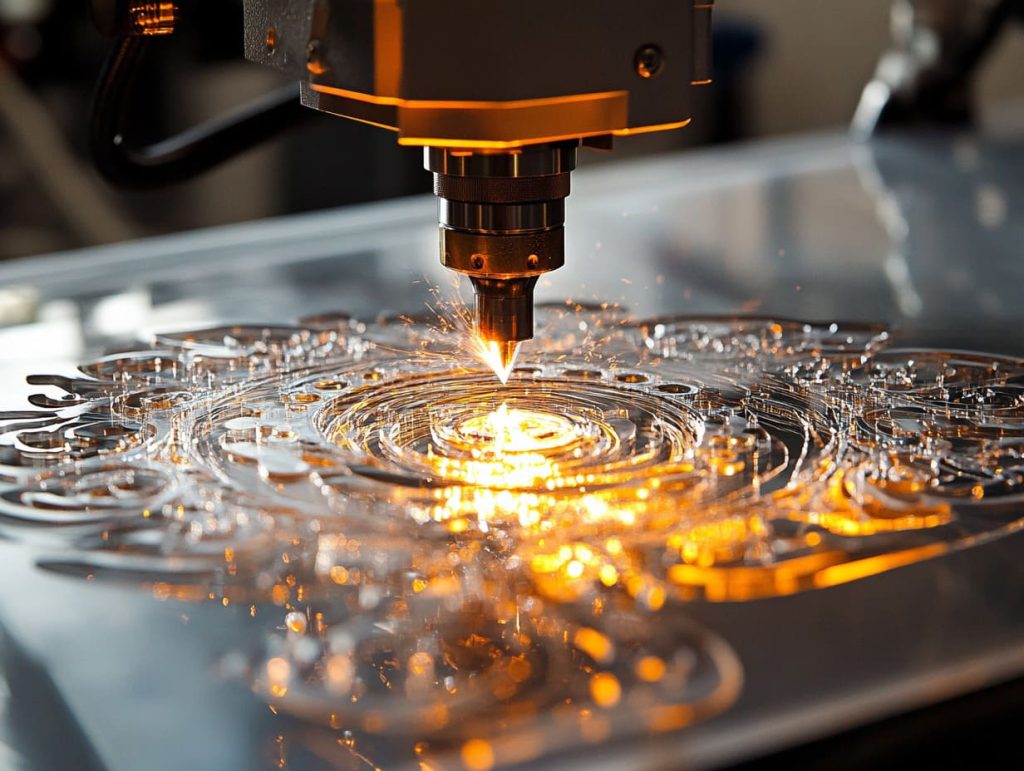
Acrylic sheets come in various thicknesses, colors, and finishes. Whether you're looking to create a clear display case or a vibrant sign, there's an acrylic sheet that fits the bill. The material can be laser-cut for intricate designs or bent into shapes when heated, making it a favorite in the fabrication industry.
Strength and Safety
One of the main reasons people choose acrylic over glass is safety. Acrylic is much more impact-resistant; it doesn't shatter into sharp pieces when broken. This property makes it suitable for environments where safety is a concern, like children's furniture or public installations.
Ease of Customization
At Feilong Acrylic, we specialize in turning ideas into custom acrylic solutions. Whether it's a unique store display or a specialized component for a product, the ease with which acrylic can be customized is a significant advantage. Our advanced laser and CNC machinery allow us to create precise and complex designs efficiently.
What are three disadvantages of acrylic?
Of course, no material is perfect. Acrylic sheets have their drawbacks that are worth considering before choosing them for your project.
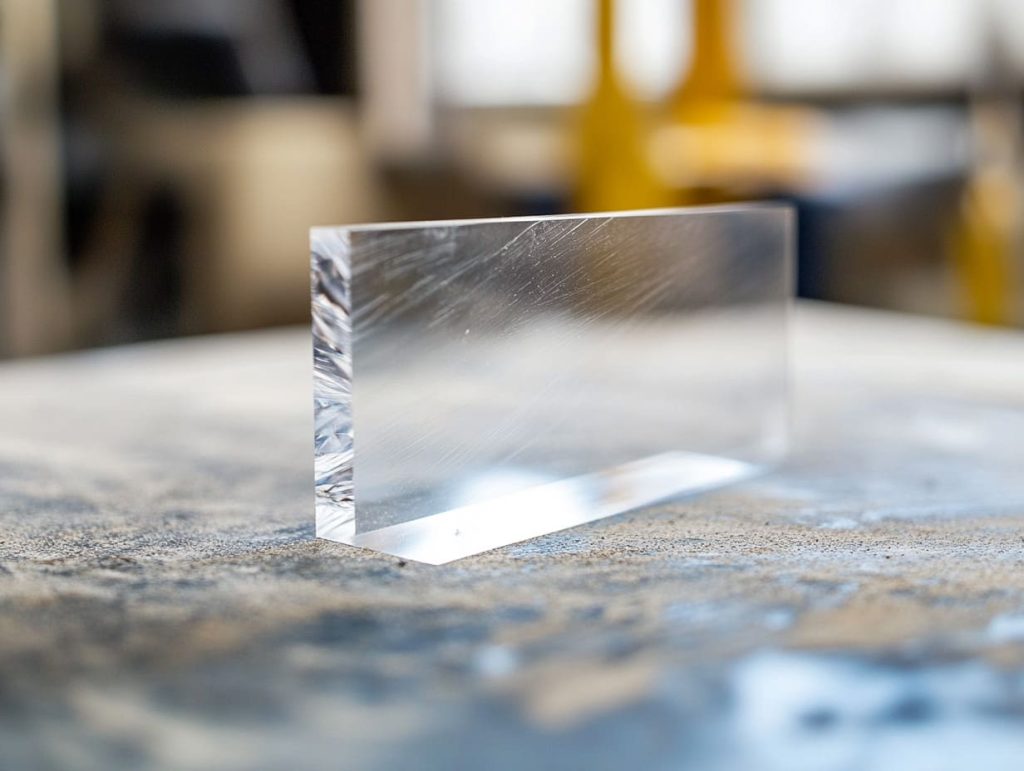
Three disadvantages of acrylic are its susceptibility to scratching, lower heat resistance compared to glass, and potential for chemical damage. While it's durable in many ways, acrylic can scratch easily, may warp under high temperatures, and can be damaged by certain solvents.
I've learned over time that understanding a material's limitations is just as important as knowing its strengths.
Scratching Concerns
Acrylic's surface can be easily scratched, which might affect the clarity and appearance over time. This is particularly important for items like display cases or protective barriers that are meant to be clear. However, scratches can often be polished out, and there are scratch-resistant coatings available.
Heat Sensitivity
Acrylic isn't as heat-resistant as glass. It can start to warp or melt at temperatures around 160 degrees Celsius (320 degrees Fahrenheit). This means it's not suitable for applications involving high heat, such as certain lighting fixtures or kitchenware.
Chemical Vulnerability
Certain chemicals and solvents can damage acrylic. Substances like alcohol or ammonia-based cleaners can cause crazing or cracking. It's essential to use the right cleaning agents and avoid exposing acrylic to harmful chemicals.
Does an acrylic sheet break easily?
Breaking is a common concern, especially when replacing glass with acrylic. So, how does acrylic hold up under impact?
Acrylic sheets are more impact-resistant than glass and do not break easily under normal conditions. While they can crack or chip if subjected to strong forces, they are generally more durable and safer than glass, making them suitable for high-traffic or safety-conscious environments.
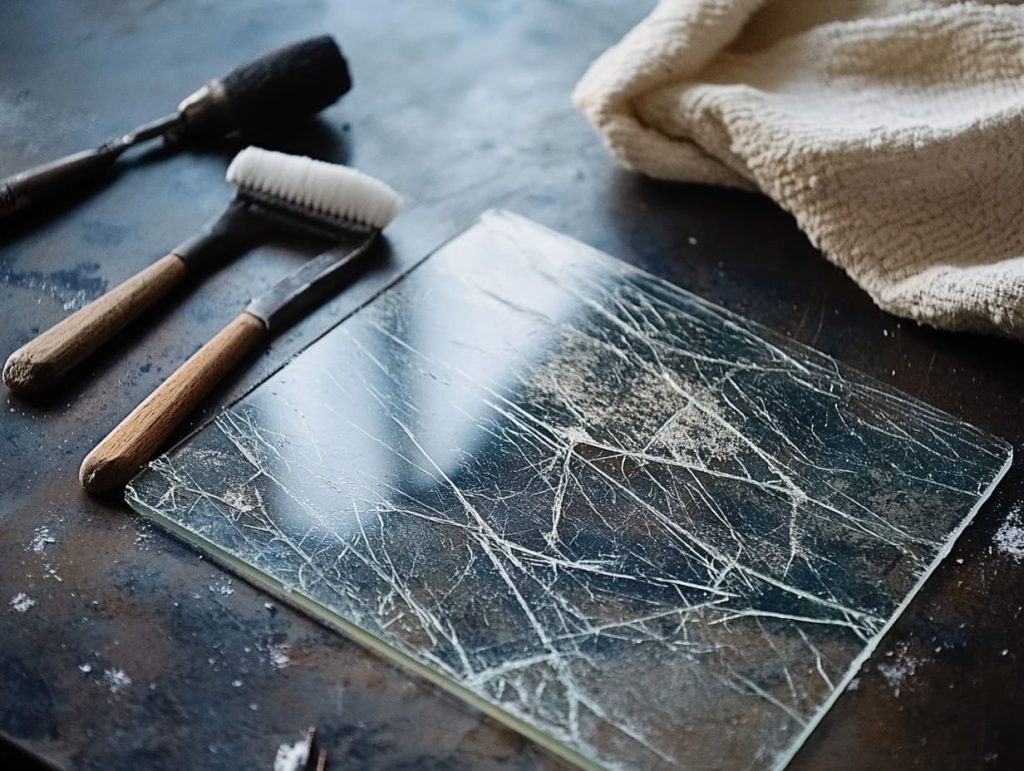
Safety was a big factor for me when I first considered using acrylic in a project.
Impact Resistance
Acrylic is about 17 times more impact-resistant than glass of equal thickness. This means it's less likely to break when struck. For example, in retail environments where displays might be bumped or knocked, acrylic offers a durability that glass simply can't match.
Behavior Under Stress
When acrylic does break, it doesn't shatter into sharp shards like glass. Instead, it tends to crack in larger pieces, reducing the risk of injury. This property makes it an excellent choice for applications like protective barriers or enclosures.
Practical Applications
In our production lines at Feilong Acrylic, we often recommend acrylic for items that require both transparency and toughness. From store displays that need to withstand customer interaction to furniture parts that must endure daily use, acrylic provides a reliable solution.
Who uses acrylic sheets?
Acrylic sheets are used across various industries, but who exactly benefits the most from this material?
Acrylic sheets are used by a wide range of professionals, including architects, designers, retailers, and manufacturers. They are popular in industries like signage, interior design, retail displays, and construction. Hobbyists and artists also use acrylic for its versatility and ease of use.

I've seen acrylic sheets being utilized in some of the most innovative ways.
Retail and Display
Retailers love acrylic for creating eye-catching displays and signage. Its clarity and ability to be shaped into various forms make it perfect for showcasing products. We often work with clients to design custom display units that highlight their merchandise effectively.
Architecture and Interior Design
Architects and interior designers use acrylic to add modern touches to spaces. Whether it's in the form of partitions, light fixtures, or decorative elements, acrylic adds a sleek, contemporary feel.
Manufacturing and Prototyping
Manufacturers use acrylic for machine guards, control panels, and other industrial applications. Its durability and transparency are valuable in settings where visibility and protection are crucial.
Arts and Crafts
Artists and hobbyists appreciate acrylic for DIY projects. Its ease of cutting and shaping allows for creative expression in everything from sculptures to home décor.
Can acrylic sheet be used in kitchen?
The kitchen is a space where materials need to be both durable and safe. Is acrylic suitable for this environment?
Yes, acrylic sheets can be used in kitchens for applications like cabinet doors, backsplashes, and countertop protectors. They offer a modern look and are easy to clean. However, they should be kept away from direct heat sources, as they are sensitive to high temperatures.
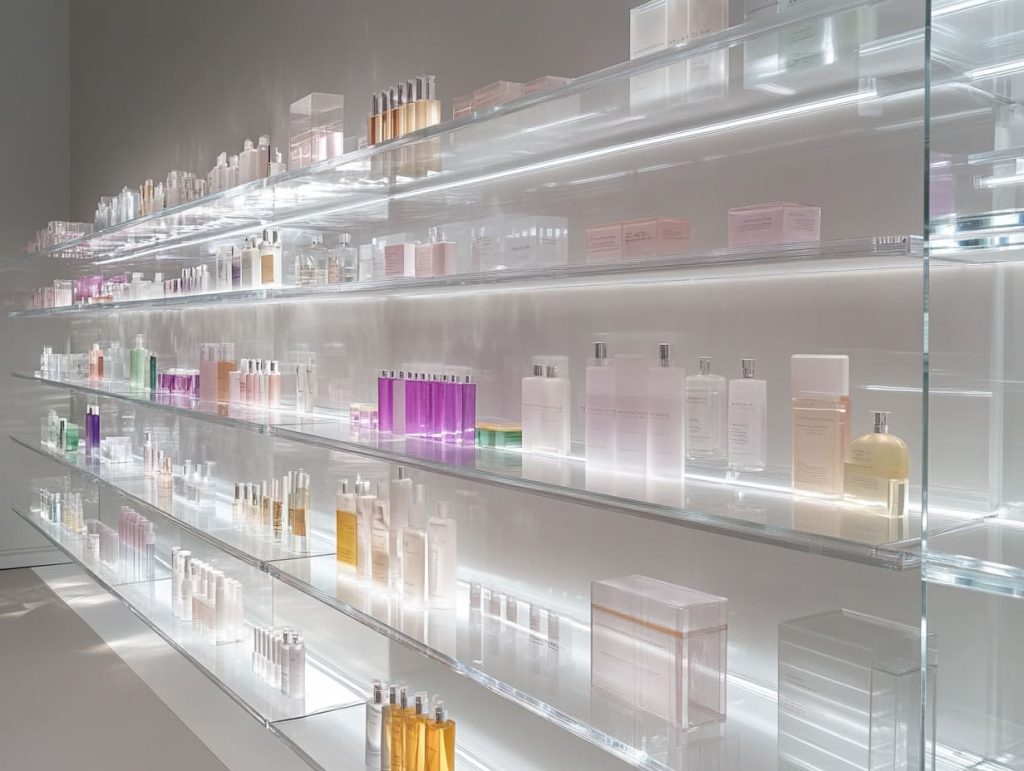
I recently helped a friend renovate his kitchen, and we considered acrylic for several elements.
Aesthetic Appeal
Acrylic can provide a sleek, glossy finish that's ideal for modern kitchen designs. It's available in various colors and finishes, allowing for customization to match any décor.
Practical Considerations
For cabinet doors and backsplashes, acrylic is easy to clean and maintain. Its non-porous surface doesn't harbor bacteria, making it a hygienic choice. However, for countertops, care must be taken to protect the acrylic from hot pots and pans.
Heat Sensitivity
As mentioned earlier, acrylic can warp under high temperatures. It's essential to ensure that acrylic surfaces are not placed near stovetops or other heat sources. Using heat-resistant mats or trivets can help protect acrylic surfaces in the kitchen.
Is acrylic plastic sheet waterproof?
Water resistance is crucial for many applications. Does acrylic hold up against moisture?
Yes, acrylic plastic sheets are waterproof and can withstand exposure to moisture without degrading. They are often used in aquariums, bathroom enclosures, and outdoor signs. Their resistance to water makes them suitable for both indoor and outdoor applications.
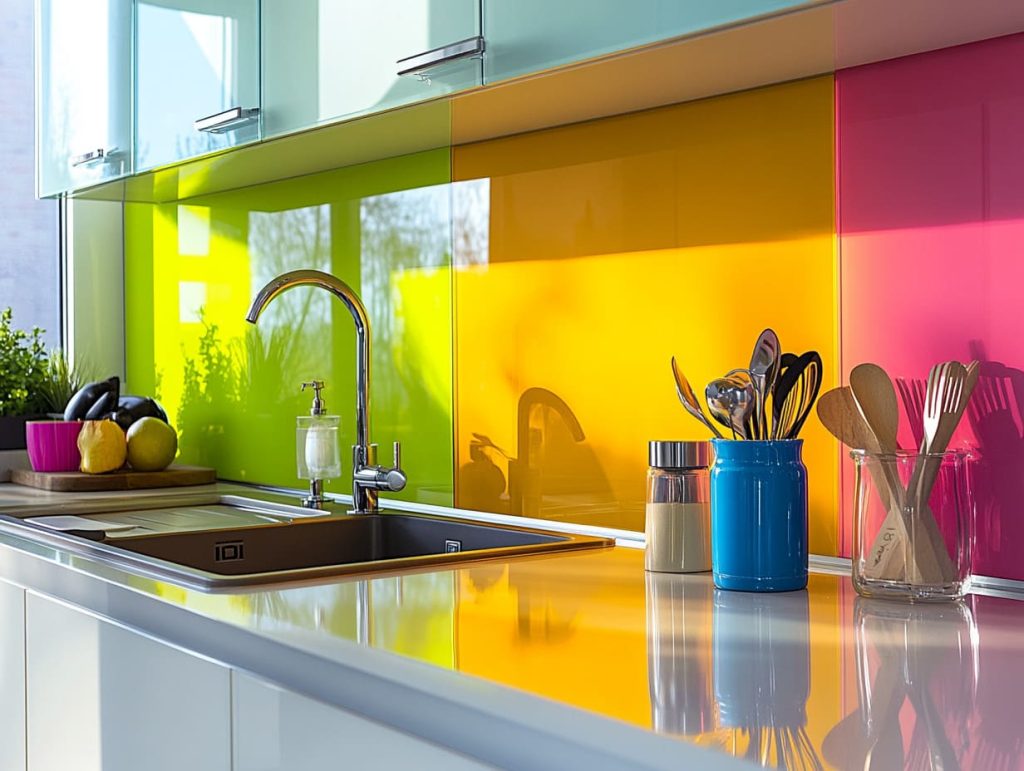
Waterproofing was a key factor in a project I worked on involving outdoor signage.
Performance in Moist Conditions
Acrylic doesn't absorb water and remains stable when exposed to moisture. This property makes it ideal for use in environments where humidity or water exposure is a concern.
Applications in Wet Environments
Aquariums and terrariums often use acrylic due to its clarity and waterproof nature. Bathroom accessories like shower doors and enclosures also benefit from acrylic's water resistance.
Outdoor Durability
For outdoor signs and displays, acrylic can withstand rain and humidity without deteriorating. UV-resistant grades of acrylic are available to prevent yellowing or degradation from sun exposure.
Conclusion
In exploring the many facets of acrylic sheets, it's clear that they offer a blend of versatility, durability, and aesthetic appeal. Whether for personal projects or industrial applications, understanding both their advantages and limitations can help you make informed decisions for your next endeavor.