Skip to content

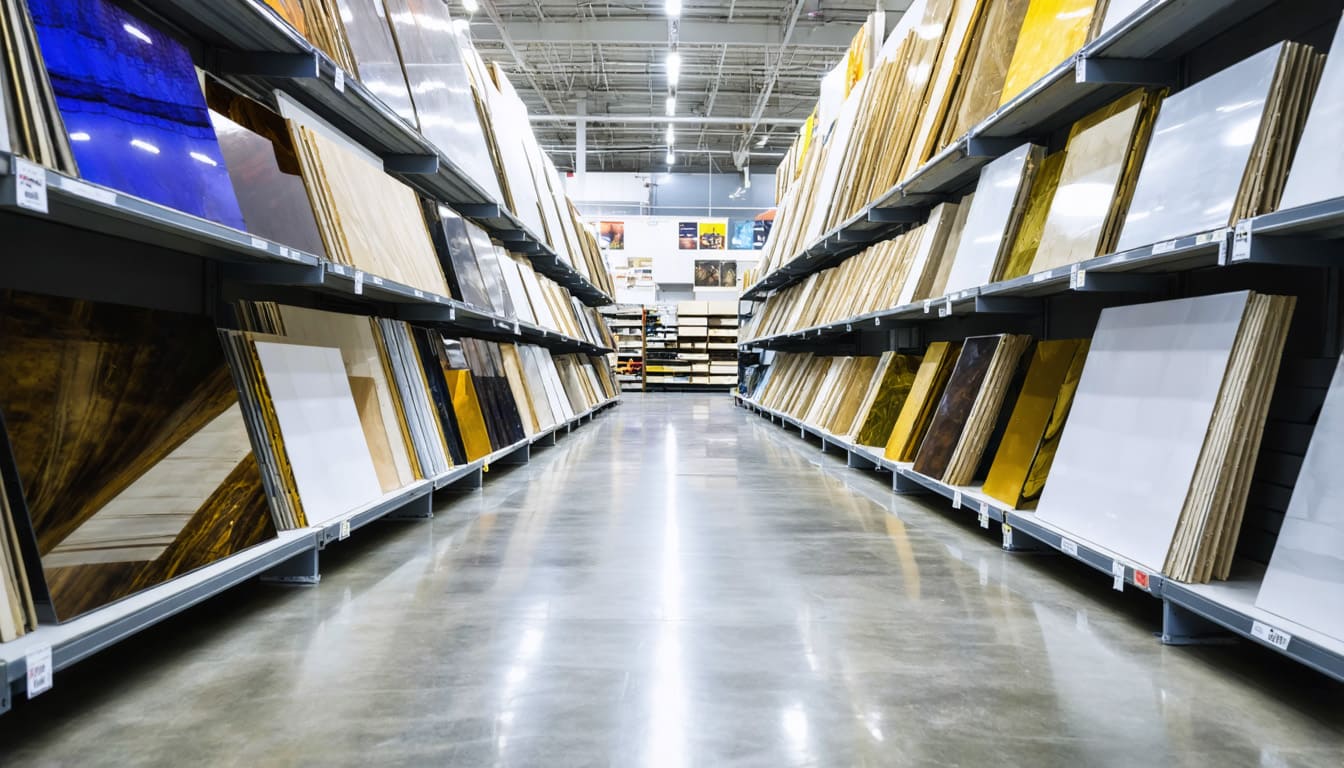
I still remember the first time I walked into a materials store, overwhelmed by the myriad of acrylic sheets on display. It felt like trying to find a needle in a stack of needles—all shiny, all seemingly identical. But as I delved deeper, I realized that not all acrylic sheets are created equal.
Choosing an acrylic sheet isn't just about picking the clearest one on the shelf. You need to consider the quality, thickness, grade, and type. High-quality acrylic is crystal clear and free from imperfections. The right thickness depends on your project—whether it's a delicate display or a sturdy cabinet. Understanding the different grades and types, like cast or extruded acrylic, ensures you select a sheet that perfectly suits your needs.
Let's dive deeper into how you can make the best choice for your specific needs.
How can you tell the quality of acrylic sheets?
I've been fooled before by acrylic sheets that looked pristine at first glance but turned out to be subpar once I started working with them.
To tell the quality of an acrylic sheet, look for crystal clarity, a smooth surface without scratches or bubbles, and consistent thickness. High-quality sheets are free from discoloration and impurities. Don't hesitate to check for certifications like ISO or GSG that vouch for the material's standards.

Visual Inspection
Early on, I learned that holding a sheet up to the light reveals a lot. If it sparkles without any cloudiness or yellow tint, you're on the right track.
Surface Feel
Running my fingers over the surface has become second nature. A flawless, smooth finish is a hallmark of quality. Any bumps or scratches are red flags.
Thickness Consistency
I once crafted a display case only to find the acrylic sheet varied in thickness, leading to an ill-fitting lid. Since then, I always measure at multiple points to ensure uniformity.
Certifications and Standards
Trust me, certifications aren't just bureaucratic fluff. They ensure you're getting a product that meets established quality benchmarks.
| Feature | High-Quality Acrylic | Low-Quality Acrylic |
|---|---|---|
| Clarity | Crystal clear | Cloudy or yellowish |
| Surface Finish | Smooth, flawless | Scratched, pitted |
| Thickness Consistency | Uniform | Varies across the sheet |
| Certifications | ISO, GSG certified | None |
By paying attention to these details, you can avoid the pitfalls I've stumbled into and choose a sheet that stands the test of time.
What is the best thickness for an acrylic sheet?
Choosing the right thickness can be the difference between a masterpiece and a mishap.
The best thickness for an acrylic sheet depends on its intended use. For small displays or picture frames, 3mm to 5mm works well. For shelves or larger structures, thicker sheets like 10mm to 25mm provide better strength and rigidity. Always match the thickness to the project's demands.

Assessing Your Needs
When deciding on thickness, start by considering the load and size. A small jewelry display might only need a thin sheet, while a large aquarium requires something much thicker.
Common Thicknesses and Uses
| Thickness | Common Uses |
|---|---|
| 3mm | Picture frames, small signs |
| 5mm | Display cases, brochure holders |
| 10mm | Shelving, furniture components |
| 20mm+ | Structural applications, aquariums |
Factors to Consider
- Load-Bearing Requirements: Thicker sheets can support more weight.
- Aesthetic Preferences: Thicker sheets have a more substantial look.
- Budget Constraints: Thicker acrylic is more expensive.
I recall a time when a client insisted on using a 3mm sheet for a shelf. Despite my advice, they proceeded, and the shelf bowed under the weight of a few books. We replaced it with a 10mm sheet, and it's held up ever since.
What are the different grades of acrylic sheets?
Acrylic isn't just acrylic; there are different grades that serve different purposes.
Acrylic sheets come in various grades, primarily standard, optical, and impact-modified. Standard grade is suitable for general use like displays and signage. Optical grade offers superior clarity for applications where visual perfection is critical. Impact-modified acrylic provides increased durability for high-stress environments.

Standard Grade Acrylic
This is the most common type, ideal for everyday applications. It's cost-effective and offers good clarity and durability.
Optical Grade Acrylic
Optical grade acrylic is manufactured to higher standards, minimizing distortions and imperfections. It's used where clarity is paramount, like in lenses and high-end displays.
Impact-Modified Acrylic
This grade has additives to increase its impact resistance, making it suitable for environments where durability is a concern.
| Grade | Features | Applications |
|---|---|---|
| Standard | Good clarity, cost-effective | Displays, signage |
| Optical | Superior clarity, low distortion | Lenses, high-end displays |
| Impact-Modified | Increased durability | Protective barriers, machinery guards |
Understanding the different grades helps you select the right material for your project's demands.
How strong is a 3mm acrylic sheet?
Thickness isn't just a number; it translates directly to strength and flexibility.
A 3mm acrylic sheet is relatively strong for its thickness, suitable for small displays, photo frames, and protective covers. However, it may flex under load and isn't ideal for structural applications or where significant weight will be applied.

Load-Bearing Capacity
A 3mm sheet can support light loads but will bend under pressure. It's perfect for applications where the sheet is supported or where minimal weight is involved.
Flexibility vs. Rigidity
Thinner sheets like 3mm are more flexible. This can be an advantage in applications requiring slight bending but a disadvantage where rigidity is needed.
Personal Experience
I once used a 3mm sheet for a custom display case for model cars. It was perfect because it was lightweight and clear, and the structure didn't require it to support additional weight.
When to Choose Thicker Sheets
For shelves, tabletops, or any application where the acrylic will bear weight, opt for thicker sheets to prevent bending or breaking.
Why isn't acrylic used for windows?
It might seem logical to use clear acrylic for windows, but there's more to consider.
Acrylic isn't commonly used for windows due to its susceptibility to scratching, lower thermal insulation compared to glass, and potential for expansion and warping under temperature changes. Glass remains the preferred material for windows because of its durability and thermal properties.

Scratch Resistance
Acrylic scratches more easily than glass, leading to decreased clarity over time when used as a window.
Thermal Properties
Acrylic doesn't insulate as well as glass, which can lead to higher energy costs in heating or cooling a space.
Expansion and Warping
Temperature changes can cause acrylic to expand or contract, potentially leading to warping or gaps in window frames.
Cost Considerations
While acrylic can be more cost-effective initially, the long-term drawbacks often outweigh the benefits for window applications.
Alternatives
In some cases, acrylic is used for specialty windows, like in boats or certain aircraft, where weight is a critical factor.
Conclusion
Choosing the right acrylic sheet boils down to understanding your project's needs and the material's properties. By considering factors like quality, thickness, and grade, you can select an acrylic sheet that not only meets but exceeds your expectations.