Skip to content

Ever strolled into a store and felt instantly drawn to a product without really knowing why? I've been there, wondering what makes certain items leap off the shelves while others fade into the background.
Effective display packaging in retail combines visual appeal, functionality, and brand messaging to capture customer attention and drive sales. By using strategic design elements like color, typography, and materials, it not only highlights the product but also creates an emotional connection with shoppers, encouraging them to make a purchase.
But what exactly goes into making display packaging that captivates and convinces? Let's delve deeper.
Why is display important in retail?
We've all heard that first impressions matter, right? In retail, the way a product is displayed can make or break a sale. It's the silent salesperson that communicates value without uttering a word.
Display is crucial in retail because it directly influences customer perception and purchasing decisions. An engaging display attracts attention, conveys product benefits, and enhances the shopping experience, ultimately boosting sales and brand loyalty.
The Power of First Impressions
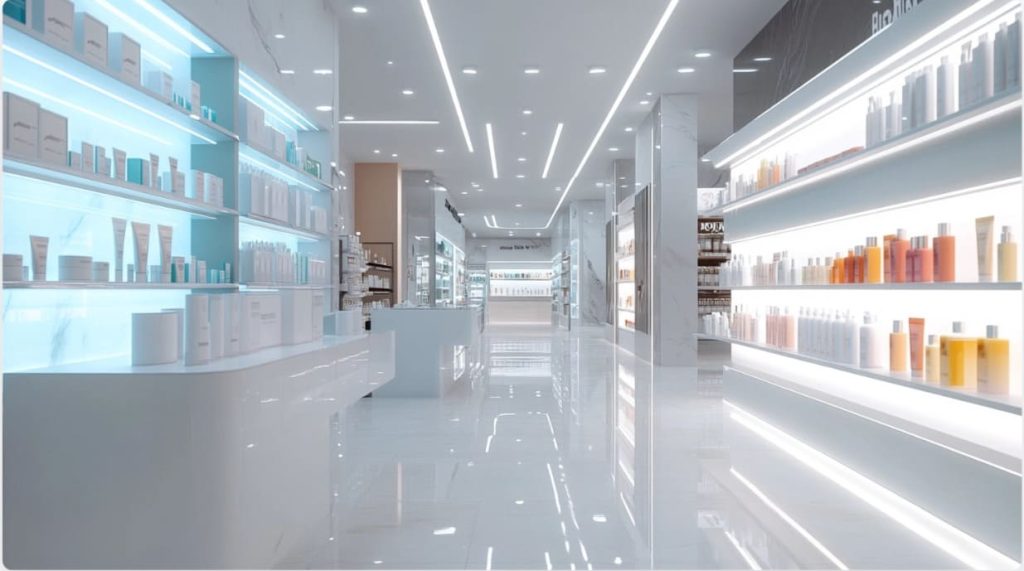
When customers walk into a store, they're immediately bombarded with countless products vying for their attention. A well-crafted display cuts through this noise. By using strategic visual cues, retailers can guide shoppers to the products they want to highlight.
- Color Psychology: Colors evoke emotions. Warm tones can create excitement, while cool tones may soothe.
- Spatial Arrangement: Proper spacing prevents clutter and makes products more approachable.
- Interactive Elements: Touchscreens or product samples can engage customers on a deeper level.
Impact on Customer Behavior
A compelling display not only attracts but also retains customer interest. It can:
- Increase Dwell Time: The longer customers stay, the more likely they are to purchase.
- Encourage Impulse Buys: Eye-catching displays can lead to spontaneous purchases.
- Enhance Brand Image: Quality displays reflect a quality brand.
What is display packaging?
You might be wondering, what's the deal with display packaging? Isn't packaging just about protecting the product? Well, it's so much more than that.

Display packaging refers to packaging designed not only to protect the product but also to showcase it effectively in a retail environment. It's crafted to enhance visibility, communicate brand messages, and attract customers, making it a vital tool in retail marketing strategies.
Marrying Form and Function
Display packaging strikes a balance between aesthetics and practicality. It's about presenting the product in a way that's both appealing and informative.
Key Elements:
- Transparency: Using clear materials like acrylic to let the product shine.
- Branding: Incorporating logos and slogans to reinforce brand identity.
- Durability: Ensuring the packaging withstands handling and remains pristine.
Why It Matters
- Differentiation: In a saturated market, unique packaging sets a product apart.
- Storytelling: Packaging can tell the brand's story, creating a deeper connection.
- Value Perception: High-quality packaging can make the product seem more valuable.
How important is the way items are displayed in a shop?
I've often noticed that even the best products can go unnoticed if they're not displayed well. It made me realize just how pivotal presentation is in retail.
The display of items in a shop is critically important because it affects visibility, customer engagement, and sales. Effective displays highlight products' features and benefits, guiding customers through the store and influencing their purchasing decisions.

Guiding the Customer Journey
A store's layout and displays act as a roadmap for shoppers.
- Ease of Navigation: Clear signage and organized displays help customers find what they need.
- Thematic Displays: Grouping products by theme or use can inspire additional purchases.
- Sensory Engagement: Incorporating touch, sight, and even smell enhances the shopping experience.
Boosting Sales Through Display
Effective displays can lead to:
- Higher Conversion Rates: Well-placed products are more likely to be bought.
- Upselling Opportunities: Placing premium items at eye level can encourage customers to trade up.
- Cross-Selling: Displaying related products together prompts customers to buy more.
How to display items in a shop?
So, what's the secret sauce to displaying items that not only look good but sell? Over the years, I've picked up a few tips that might help.
To display items effectively in a shop, focus on strategic placement, attractive presentation, and customer convenience. Use visual merchandising techniques like eye-level shelving, thematic grouping, and interactive displays to draw attention and enhance the shopping experience.
Tips for Effective In-Store Displays
- Know Your Customer: Tailor displays to the preferences and behaviors of your target audience.
- Keep It Fresh: Regularly update displays to showcase new products and keep the store interesting.
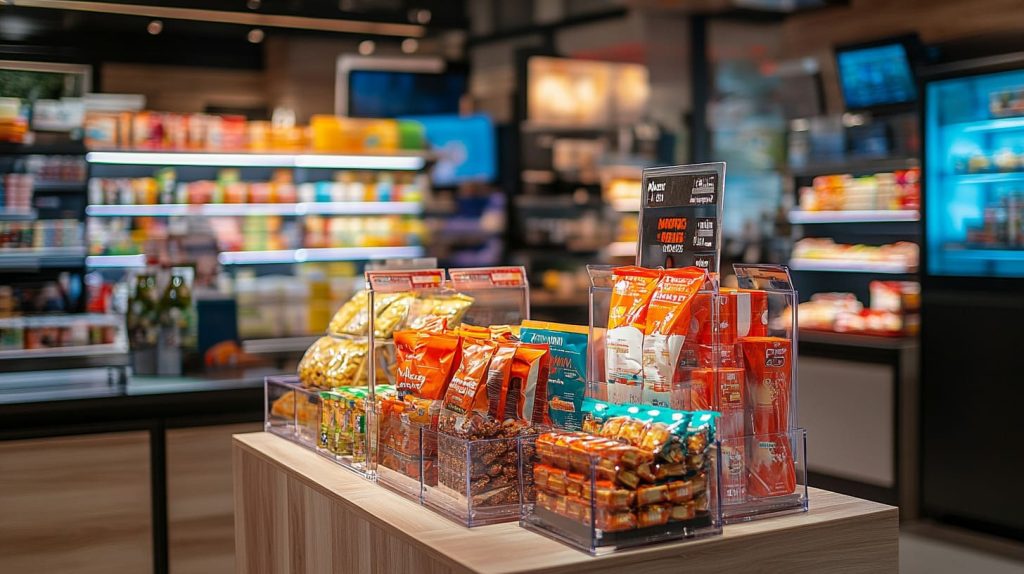
- Use Quality Fixtures: High-quality acrylic displays can enhance product appeal and durability.
- Lighting Matters: Proper lighting can highlight products and create ambiance.
- Tell a Story: Use displays to convey how products fit into customers' lives.
Common Display Types
- Window Displays: Attract passersby and set expectations.
- End Caps: Highlight promotions at the end of aisles.
- Point of Purchase (POP): Encourage last-minute purchases near the checkout.
What is the primary purpose of a display?
At the end of the day, you might ask, what's the main goal here? What's the primary purpose of a display in retail?
The primary purpose of a display in retail is to attract customer attention and promote products effectively. Displays are designed to highlight key features, communicate brand messages, and ultimately drive sales by influencing customer behavior and preferences.

The Core Objectives
- Attract Attention: Stand out in a crowded retail environment.
- Inform: Provide essential information about the product.
- Persuade: Influence purchasing decisions through visual appeal.
Beyond Selling
Displays also play a role in:
- Brand Building: Reinforcing brand identity and values.
- Customer Experience: Enhancing satisfaction by making shopping enjoyable.
- Market Research: Observing customer interactions with displays can provide valuable insights.
Conclusion
Understanding what makes display packaging effective is like unlocking a secret weapon in retail. It's about connecting with customers on a visual and emotional level. By focusing on thoughtful design and presentation, we can turn casual browsers into loyal buyers.