Skip to content
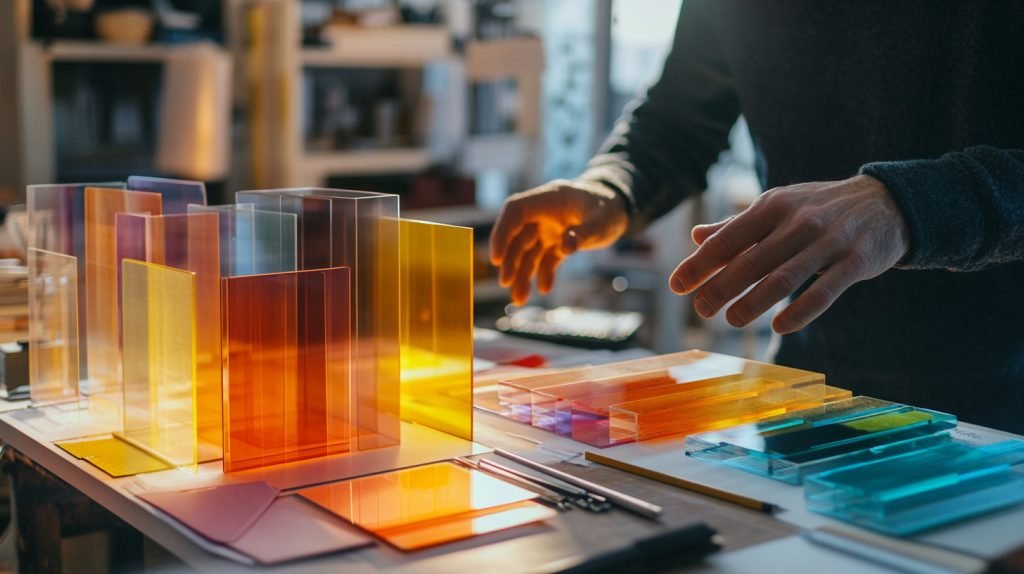
I remember the first time I considered working with a new acrylic display manufacturer—it felt like stepping into unfamiliar territory, hoping to find someone who truly understood my vision.
When seeking an acrylic manufacturing partner, focus on their customization capabilities, production equipment, and ability to communicate well. Check if they hold quality certifications like ISO9001, use advanced machinery for precision, and offer eco-friendly acrylic. Prioritize a partner who can transform your ideas into polished displays while meeting tight deadlines. Their history of serving global clients and handling custom requests will help ensure a smooth, reliable relationship.
Let’s get into some details.
What manufacturing process is used for acrylic?
I used to wonder about this myself, curious if the factory’s methods could impact the final product.
Acrylic is commonly created by polymerizing methyl methacrylate, forming PMMA sheets that are either cast or extruded. These sheets are then cut, shaped, and polished. Skilled workers rely on CNC machining and laser cutting to achieve precise contours, resulting in displays known for clarity and durability. A stable, well-tested process ensures consistent quality every time.
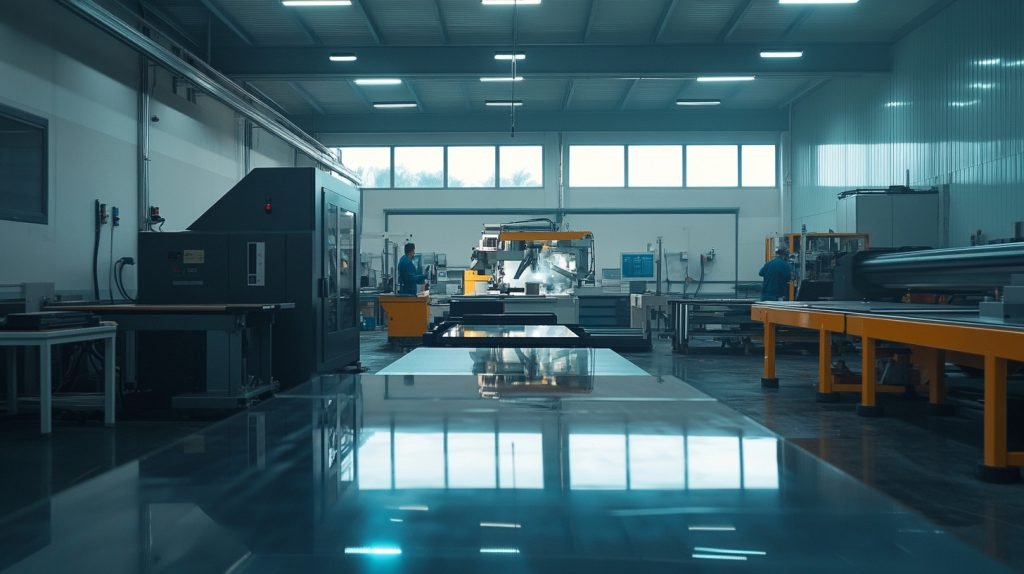
I’ve walked through busy workshops where casting and extrusion lines run in tandem. Casting yields thicker sheets with amazing clarity and durability—ideal for premium retail stands or custom organizers. Extrusion, on the other hand, produces thinner, cost-effective sheets perfect for larger orders. Workers often use thermoforming to shape these sheets into everything from store racks to home décor items.
Casting vs. Extrusion
| Process | Characteristics | Best Use Cases |
|---|---|---|
| Casting | High clarity & thickness | High-end displays, art pieces |
| Extrusion | Consistent, cost-friendly | Mass orders, basic stands |
After shaping, detailed cuts and holes are made via CNC machines, while laser cutting refines edges. I once watched a seasoned technician handle a delicate job: cutting intricate shapes with a laser, ensuring each piece fit perfectly together. Finally, polishing makes every edge smooth and transparent, so you don’t see scratches or rough spots when admiring a final product. This attention to detail is what sets factories like Feilong Acrylic apart: they know how to balance efficiency, quality, and creative flair.
Why is acrylic good to work with?
Acrylic won me over with its friendly personality—easy to handle, light to ship, and stunning when polished to perfection.
Acrylic’s appeal lies in its clarity, strength, and flexible shaping options. It’s more impact-resistant than glass, resists UV damage, and remains crystal clear. This makes acrylic great for custom retail fixtures, cosmetic displays, and even household pieces. Its versatility allows you to achieve unique designs without sacrificing durability or style.

When I think about acrylic, I recall a past project: swapping fragile glass stands for acrylic saved me money and headaches. Acrylic’s resilience meant no more cracks in transit, and its lightweight nature made shipping easier.
Durability and Adaptability
| Advantage | Benefit |
|---|---|
| Impact-Resist | Fewer damages, safer shipping |
| UV-Stable | Long-lasting clarity |
| Customizable | Shapes to fit any concept |
Acrylic’s charm also comes from its ability to take on unique forms. Factories can bend it into curves, cut custom angles, and even incorporate branding elements. Working with a reliable manufacturer that understands acrylic’s strengths is key. For instance, creative display designs can help you stand out in a crowded market.
How do they make acrylic?
I’ve learned that acrylic’s journey is like watching a skillful chef transform raw ingredients into a gourmet dish.
Acrylic starts as a liquid monomer (methyl methacrylate) that’s polymerized into PMMA resin and turned into sheets. From there, these sheets are cut, shaped, and polished. Advanced tools like CNC and laser cutters ensure tight tolerances, while polishing and inspection guarantee the end product meets exacting standards. This careful process leads to stunning, flawless displays.
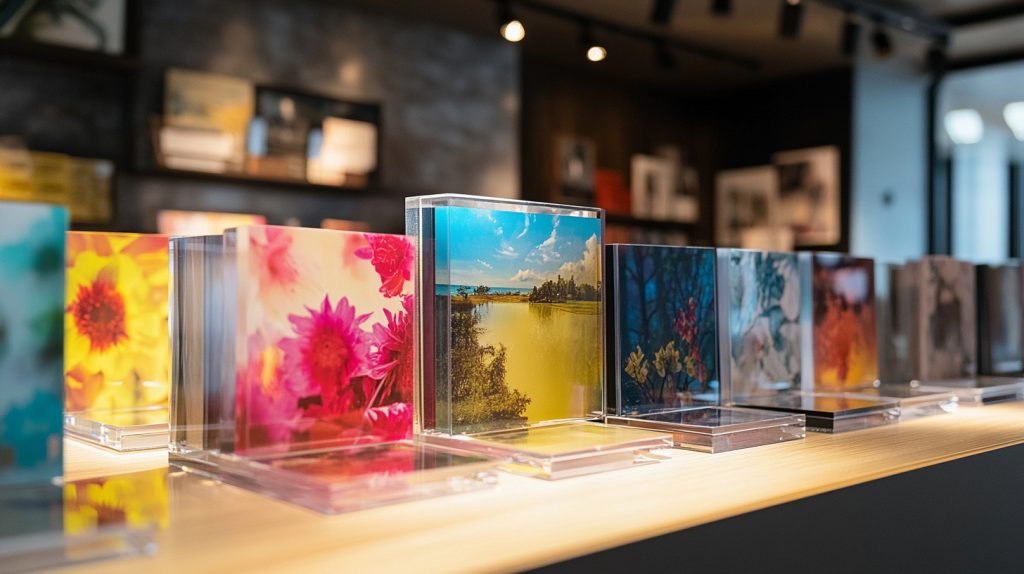
It’s fascinating to watch the process unfold: clear sheets emerge from polymerized resin, ready to be molded.
Precision Tools Make Perfect Results
| Tool | Purpose |
|---|---|
| CNC Machine | Complex contours |
| Laser Cutter | Clean, precise edges |
I recall seeing a technician creating slots and grooves for jewelry stands. Once polished, every line was crisp, every angle flawless. Factories also maintain strict quality control to ensure each piece meets requirements. Buyers like Jacky in Canada, who have experience sourcing from China, know that consistent standards matter, making repeat orders smooth and predictable.
What aspects make acrylics desirable to work with?
If I had to pick one word: reliability. Acrylic just works, again and again, with fewer surprises.
Acrylic’s desirability comes from its clarity, strength, ease of shaping, and affordability. It looks high-end without the risk of breaking like glass. Its forgiving nature makes it great for custom orders, both small and large, ensuring that your designs come to life while staying within budget.
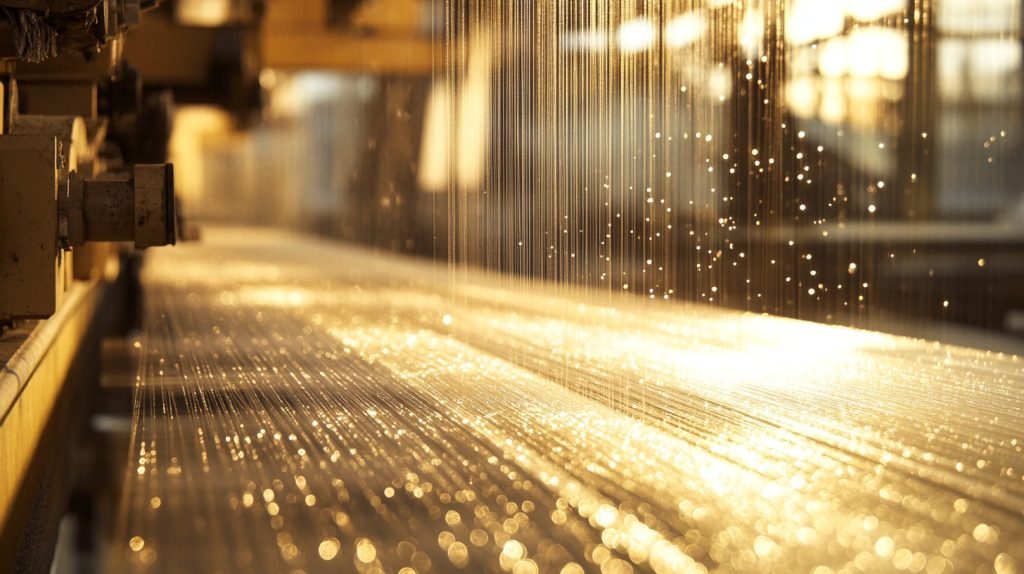
I’ve seen it used everywhere—boutique displays, conference showpieces, even personal storage units. It’s like a well-rounded performer who never steals the spotlight but always enhances the show.
Balancing Quality with Cost
| Aspect | Why It Matters |
|---|---|
| Clarity | Showcases products better |
| Durability | Reduces damages & returns |
| Affordability | Keeps projects on budget |
When partnered with skilled craftsmen, acrylic transforms into pieces that reflect your brand’s personality and practical needs. The manufacturers’ experience ensures no request is too complex. They work with you, interpret your ideas, and deliver results that feel both personal and professional.
What is the manufacturing process of acrylic fabric?
This might sound a bit different, but acrylic isn’t just for displays—acrylic fabric is another spin on this versatile material.
Acrylic fabric is created by spinning acrylic fibers from a polymer solution, then weaving or knitting these fibers into lightweight, durable textiles. These fabrics resist stains, hold color well, and withstand outdoor conditions. It’s why you might find them in awnings, outdoor furniture covers, and apparel.

While visiting a textile factory, I saw how delicate fibers emerged from spinnerets before becoming soft, functional fabrics.
From Fibers to Textiles
| Step | Description |
|---|---|
| Fiber Spinning | Monomers form PMMA fibers |
| Weaving/Knitting | Fibers form sturdy fabric |
The resulting fabric is surprisingly versatile. You might dress up your patio set or choose acrylic-blend clothing. It’s a reminder of how adaptable acrylic can be in various industries. With proper finishing techniques, the fabric maintains vibrant colors and stands up to weather, making it a practical, attractive choice for many applications.
Conclusion
In the end, I focus on a manufacturing partner’s craftsmanship, communication, and experience. With the right team, acrylic’s strengths shine through, ensuring your displays meet expectations time and time again.