Skip to content
Entering retail stores with your custom acrylic designs isn’t something that happens overnight. It requires a mix of creativity, effective marketing, and, most importantly, solid relationships with the right people. Over the years, I’ve learned that having a great product isn’t enough—you need a strategy that speaks to the retailer's needs. So, let’s break down the key steps to introduce your custom acrylic designs successfully to the retail world.
1. Develop High-Quality, Custom Designs

1.1 Understand Market Trends
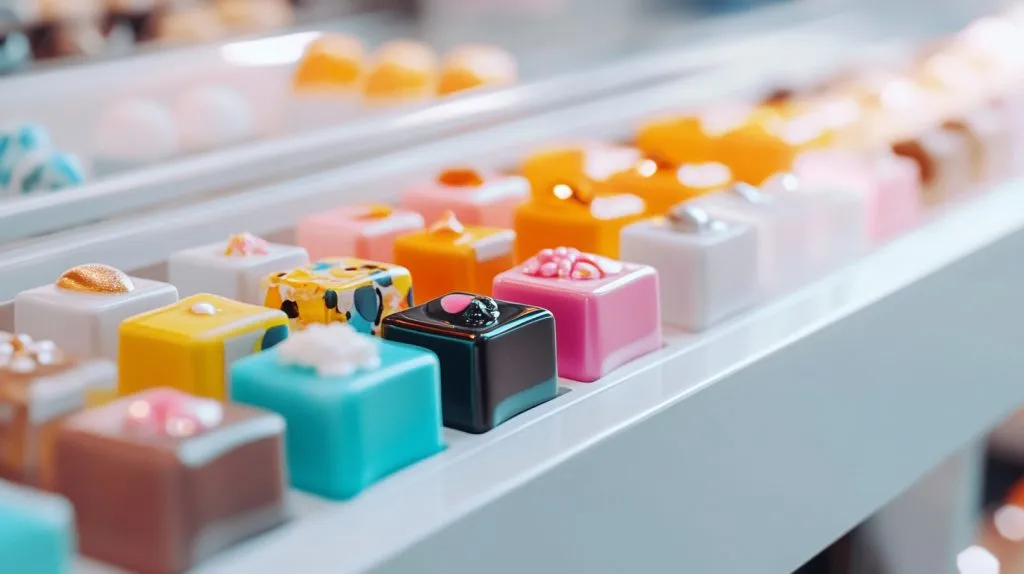
One of the first things I always recommend to anyone entering the retail space is keeping up with current market trends. You need to know what people are looking for, what’s hot, and what might be next. Take the 3D manicures trend, for example—people are loving unique, personalized products. Understanding trends like this helps shape your product designs so they align with what consumers want. If you’re not in tune with market trends, your product might miss the mark.
1.2 Focus on Quality and Functionality
Now, quality is where the rubber meets the road. I’ve had clients come to me with beautiful designs, but if they don’t stand the test of time or work as intended, retailers won’t take them. Think about it: a store needs to offer products that look good but also serve a purpose. Your acrylic designs should be both functional and sturdy—something that won’t fall apart after a few months on the shelf. Quality matters!
2. Create Professional Product Samples
2.1 Design and Fabricate Samples
When you're introducing a new design, your product sample has to do the heavy lifting. I can’t stress enough how important it is to create prototypes that are visually appealing, functional, and made to last. A sample is your opportunity to show the retailer that your custom acrylic designs aren’t just concepts—they are real products that could work in their stores.
2.2 Prepare Detailed Product Information
It’s not just about the sample; the information you provide with it is just as crucial. I always recommend including clear details like dimensions, materials, and applications for your products. This helps retailers assess whether your acrylic designs are the right fit for their shelves. Plus, it shows you’re professional and organized.
3. Identify Potential Retail Partners
3.1 Research Retailers
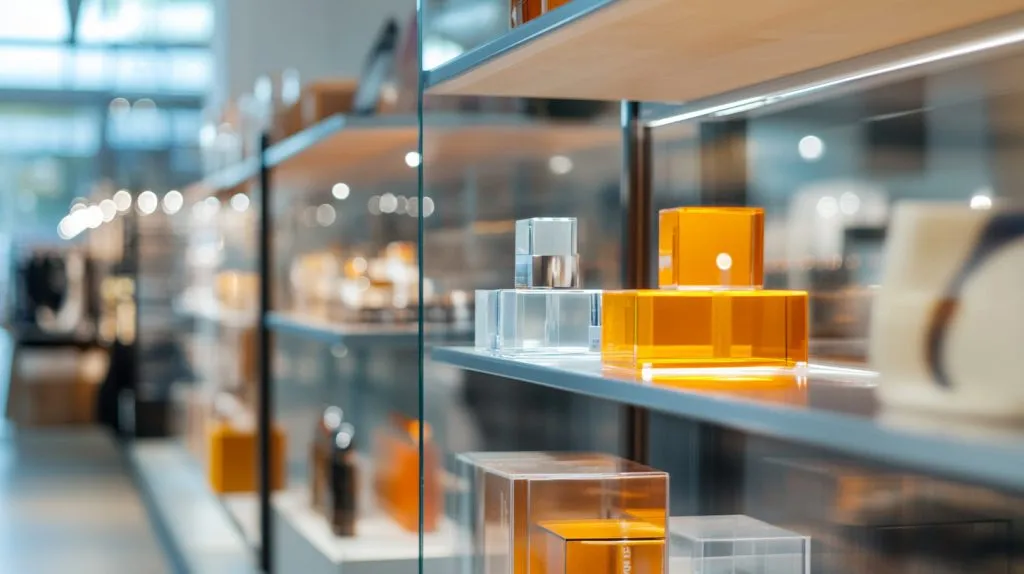
Before you pitch your designs to just any retailer, take some time to research the stores that could be a good match for your acrylic products. Look at their product offerings, target demographics, and brand values. You wouldn’t try to sell a luxury item in a discount store, right? Find stores that align with the quality and style of your designs. This research will save you time and energy in the long run.
3.2 Attend Industry Events
Here’s where networking comes into play. Industry events, trade shows, and exhibitions are perfect for meeting potential retail partners. I’ve found that many successful collaborations began with a handshake at a trade show. These events also give you the chance to see the latest trends and get direct feedback from retailers. The connections you make can be invaluable for getting your products in the door.
4. Develop a Compelling Pitch
4.1 Highlight Unique Selling Points
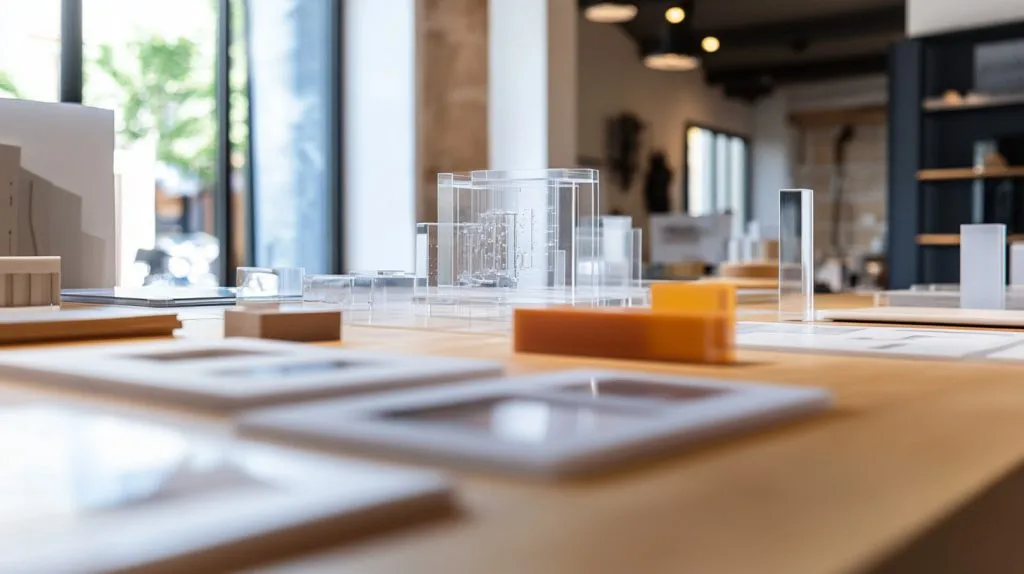
When pitching your products, you need to show the retailer what sets your acrylic designs apart from the competition. What’s special about your products? Maybe it’s your ability to offer customization, or perhaps you use eco-friendly materials. Whatever it is, highlight those unique selling points that make your designs stand out in a crowded market.
4.2 Provide Market Insights
Retailers are always looking for products that have a proven demand. If you can provide data or case studies showing that similar products have done well in the market, it will make your pitch much stronger. Retailers want to know that the product will sell, and market insights are a great way to prove it.
5. Establish Clear Terms and Conditions
5.1 Define Pricing and Margins
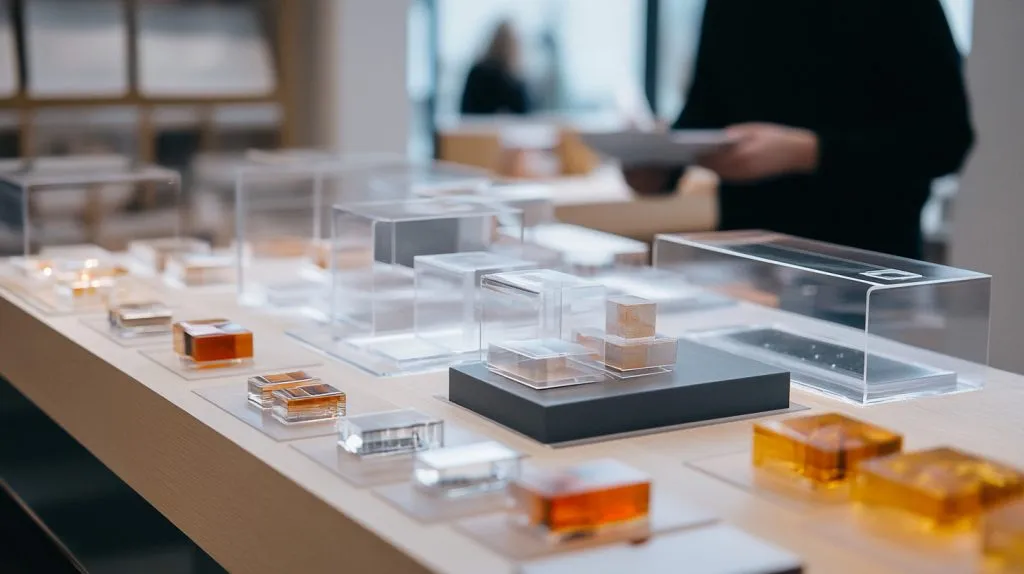
Pricing can make or break a deal. Be sure to set competitive pricing that works for both you and the retailer. It’s important to leave room for the retailer to mark up your products while still making sure your business is profitable. This balance is key to maintaining a healthy business relationship.
5.2 Outline Delivery and Lead Times
Another factor retailers care about is delivery. They want to know that you can deliver on time and at the agreed-upon terms. Clearly communicate your lead times and make sure you can meet them. If you promise delivery in 30 days, you’d better stick to it—timeliness is crucial in retail.
6. Offer Support and Training

6.1 Provide Marketing Materials
Once you get your products into retail stores, you want to make sure they fly off the shelves. Retailers will appreciate it if you provide them with high-quality images, product descriptions, and marketing content. This helps them promote your products effectively.
6.2 Conduct Training Sessions
Sometimes, a retailer’s sales staff may not fully understand the benefits of your product, which can hurt sales. Offering training sessions to teach them about the features and benefits of your acrylic designs can go a long way. When sales staff are knowledgeable, they’re more likely to sell your products.
7. Build and Maintain Relationships
7.1 Engage in Regular Communication
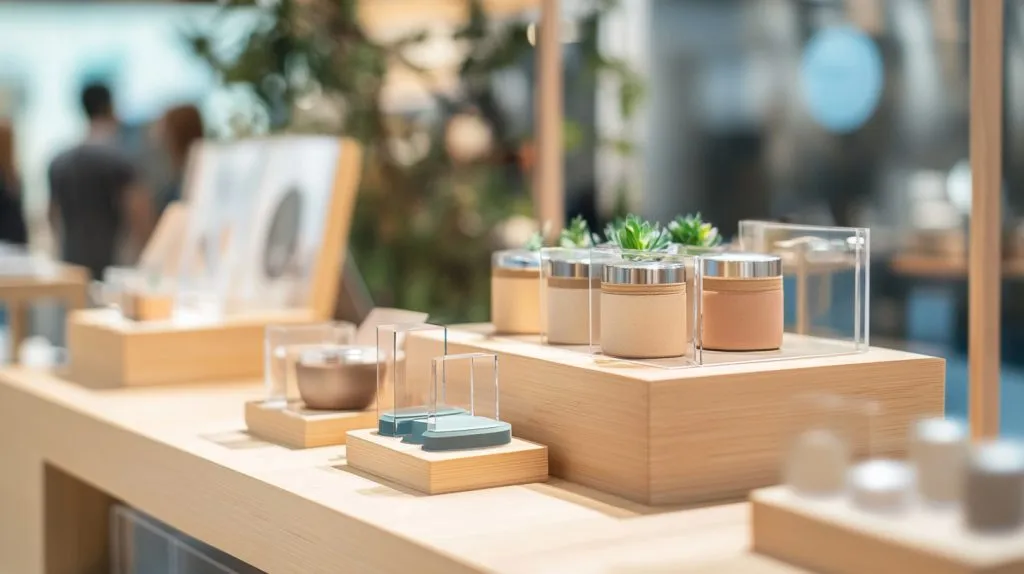
Keeping the lines of communication open is key. Regular check-ins with retail partners can help you identify issues early and build a strong, long-term relationship. Retailers will appreciate it when you stay in touch and address any concerns promptly.
7.2 Monitor Sales Performance
Once your products are on the shelves, it’s important to track how well they’re doing. I always recommend monitoring sales data so you can spot trends, adjust strategies, and expand your product offerings if needed. If a design is doing well, think about scaling it up!
Conclusion

Getting your custom acrylic designs into retail stores isn’t easy, but with the right approach, it’s totally doable. From creating top-notch products to building strong partnerships with retailers, every step counts. Follow these steps, and you’ll be on your way to seeing your designs in stores, making a big impact in the market. Let’s make it happen!