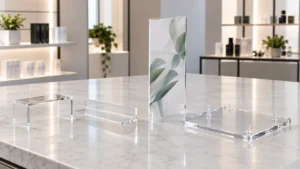
Skip to content

I still remember the first time I walked into a retail store and felt like everything around me was carefully choreographed. The layout drew me in, the displays highlighted the products, and I ended up spending more time (and money) than I intended. That experience taught me how important a well-planned retail display can be. In this guide, I’ll explore the world of custom store displays, sharing insights I’ve gained over the years of working closely with manufacturers and store owners.
Overview of Retail Store Displays
Many times, I’ve seen store owners underestimate the power of a simple display. A modest stand in the corner might not scream for attention, but it sets a tone. It tells me if the store cares about detail and quality. It also helps me navigate the space in a logical flow. Seeing customers gravitate toward visually appealing racks, stands, or acrylic organizers has proven time and time again how vital these little elements can be.
Why Customization Matters
I’ve had conversations with store managers who chose off-the-shelf displays, only to regret it because they didn’t align with the brand’s personality. Customization allows you to break the mold. It also assures you that your brand is properly represented. If I walk into a store and everything, from the color of the racks to the shape of the stands, aligns with the brand’s identity, I feel more connected.
Purpose of This Guide
I’m writing this guide to help you avoid the trial-and-error approach. By focusing on a few core principles—like knowing your target audience and ensuring brand consistency—you can save both time and money. I’ve spoken to many buyers and product designers who wish they had a straightforward roadmap. This guide is my attempt to provide one.
At this point, some might wonder if there’s more to learn. Trust me, the fun is just beginning, so let’s keep going!
Understanding the Importance of Retail Store Displays
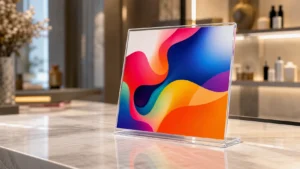
One day, I realized how much retail displays influence my own buying decisions. It’s like when I notice a well-lit acrylic display by the entrance—it’s almost magnetic. Let’s dig deeper into why these displays matter.
Enhancing Brand Visibility
From my perspective, a striking display is the ultimate billboard for a brand. Placing items in well-crafted stands or boxes not only showcases the product; it also connects back to the brand’s story. If you and I see a logo or slogan placed right, it’s hard to forget. But we should also consider angles like design complexity and cost. Some stores choose simple signage, while others invest in digital signage or interactive elements. Each option can emphasize brand visibility differently.
Improving Customer Engagement
I’ve watched customers linger at displays that encourage them to touch, move, or test products. That small interaction can create a bond between the customer and the product. It’s not just about placing items at eye level; it’s about guiding the shopper’s journey. On the other hand, setting up interactive components can be expensive and might not be suitable for every store type. Finding a balance is key.
Influencing Purchase Decisions
When a shopper feels intrigued, they’re more likely to buy. Sometimes, all it takes is a strategically placed sign or a neat acrylic stand that presents a product in a fresh way. But let’s remember that impulse buys don’t happen by accident. It’s about understanding human behavior and designing displays to appeal to those instincts while remaining genuine.
Differentiating from Competitors
The difference between ordinary and extraordinary often comes down to small details. If I walk into a store and see a bland, cluttered setup, I might move on quickly. But if I see something unique—maybe an acrylic structure that’s both functional and visually appealing—I’ll remember that store. It’s a way of saying, “We care about your experience. We’re not just another store.”
We’ve uncovered some big ideas here. Want to see how we can turn these abstract thoughts into real action? Let’s move on.
Key Considerations in Custom Retail Store Displays

Every store has its quirks. I’ve discovered that a cookie-cutter approach rarely works, especially if you aim to stand out. So, here are some thoughts from my own experiences.
Space and Layout Planning
One big lesson I’ve learned is that space planning can’t be an afterthought. I remember working with a small boutique that insisted on large, bulky displays. The result was chaos. Shoppers felt cramped, and sales declined. So, it’s not just about filling space; it’s about how you arrange elements.
Space Planning Table
| Consideration | Example | Possible Issue |
|---|---|---|
| Display Size | Large acrylic stand | Blocks customer traffic flow |
| Item Quantity | Too many products | Creates a cluttered environment |
| Pathway Width | Narrow aisles | Reduces shopping comfort |
This table illustrates common pitfalls. By planning carefully, we can avoid big headaches.
Target Audience Analysis
One size doesn’t fit all. If I’m designing a display for a high-end boutique, I might opt for sleek, minimalistic stands that exude luxury. For a family-friendly store, I might choose interactive features. It’s all about understanding what your audience values. I find that focusing on their preferences can offer valuable insight into display style.
Brand Consistency and Messaging
When I see a store that mismatches color schemes or tosses logos around randomly, it feels off. A consistent look builds trust. But consistency means different things from multiple perspectives. For some, it’s about color coordination; for others, it’s about the overall shopping atmosphere. Knowing your brand’s core values helps guide these choices.
Durability and Safety Requirements
I once had a display shelf collapse during a grand opening because it wasn’t properly reinforced. Nothing ruins an event faster than broken merchandise. Safety should never be an afterthought. Different materials have different safety profiles, too. Acrylic, for instance, is sturdy but still lightweight. Metal might offer extra stability but can be heavier to move around. Evaluating these factors carefully is crucial.
Now that we’ve laid out these considerations, we should look at how those designs come to life. Let’s shift gears and explore the materials and processes involved.
Materials and Manufacturing Processes

When I started exploring custom displays, I was like a kid in a candy store. So many materials and processes exist, and each one shapes the final look and feel. Let’s examine them more closely.
Common Materials Used in Store Displays
- Acrylic
I’m partial to acrylic because it offers clarity and a modern feel. It’s also easy to shape. - Metal
Metal adds an industrial vibe. However, it can be heavier and sometimes costlier. - Wood
Wood has a warm, classic look. But if not treated properly, it can warp or deteriorate.
I’ve seen each of these materials shine in different contexts. From my perspective, the choice depends on your brand and the store atmosphere you want to create.
Advantages of Acrylic Displays
- Transparency and Versatility
Acrylic makes items pop. I love how it blends into any environment without overwhelming the product. - Durability and Maintenance
I’ve had acrylic displays last for years with minimal care. Wiping them down with a soft cloth is usually enough.
Custom Manufacturing Techniques
- CNC Machining
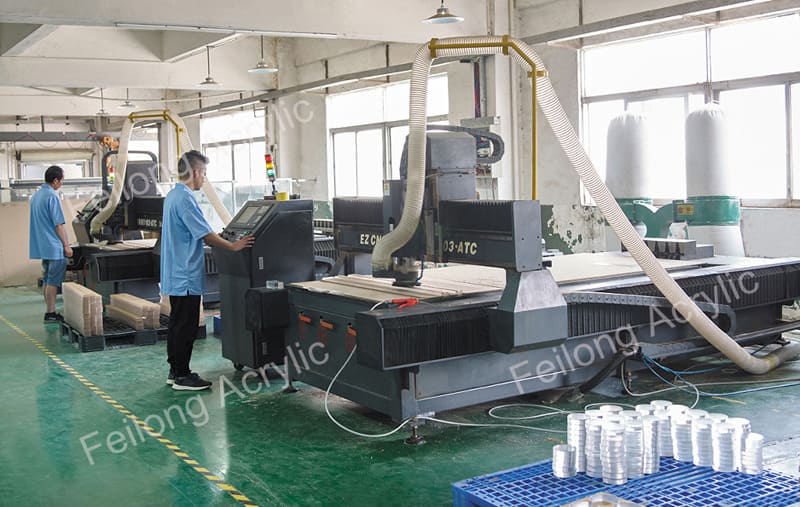
This is precise but might be more expensive if you’re working with complex designs. - Laser Cutting
Laser cutting offers clean edges and is great for intricate shapes. I’ve used it for custom logos. - Thermoforming and Bending
This method opens doors for curved designs. It can make displays feel organic and fluid.
Each technique has pros and cons from different viewpoints. For example, CNC machining can handle thicker materials, while laser cutting excels in intricate detailing. It’s all about matching the method to the end goal.
If you’re still with me, then you’re probably curious about maintaining a strong brand presence. Let’s talk about that next.
Designing for Brand Consistency

When I think of brand consistency, I often think of my own experiences designing displays. There’s a certain spark that happens when everything lines up perfectly—color, logo placement, and overall vibe.
Aligning Displays with Brand Colors and Themes
Some brands have specific PMS colors, and straying from them can dilute the overall message. In one project, I used a subtle color match for the acrylic edges, and the client was thrilled. Yet, from another perspective, an exact color match can be expensive. It’s a balancing act between budget and branding needs.
Incorporating Logos and Slogans
Placing logos in key areas ensures your brand is never overlooked. One approach is to engrave the logo onto an acrylic surface. Alternatively, you could print it on vinyl. But we should also look at practicality. Engraving is permanent. Printing can fade or peel if not done well. Thinking critically about these factors helps in making the right choice.
The Role of Graphics and Signage
Graphics can breathe life into your displays. I’ve experimented with LED backlit panels and dynamic signage. It can pull a shopper’s eye directly to the product. However, some store owners worry about the cost or worry it may clash with their brand’s simpler aesthetic. The key is to analyze whether the investment aligns with your overall vision.
We’ve made some headway on design. Now let’s tackle the numbers side, which I know can be stressful but is equally important.
Budgeting and Cost Management

I’ve learned that no matter how great a concept is, ignoring the budget can lead to heartbreak. So let’s break down a few practical steps.
Estimating Production Costs
I usually start with a rough estimate of material costs. Acrylic sheets come in various thicknesses, and metal prices fluctuate. Once you know the material, add in labor fees. For custom work, labor can sometimes outweigh the material cost. But from another angle, investing in quality might save you from frequent replacements.
Evaluating Quality vs. Price
Quality vs. Price Comparison Table
| Factor | High-Quality | Budget-Friendly |
|---|---|---|
| Lifespan | Longer | Shorter |
| Maintenance | Usually minimal | May need frequent checks |
| Aesthetic Appeal | Premium look | Basic or generic look |
This table highlights the trade-offs. While a cheaper display might save money upfront, a higher-end solution can pay off in the long run, especially if it aligns better with your brand.
Planning for Long-Term ROI
When I think ROI, I don’t just think money. I consider brand loyalty, word-of-mouth, and how the display affects a customer’s perception. Over the years, I’ve seen that well-crafted displays can be a subtle but powerful marketing tool. Yet, no two stores are the same, so it’s wise to review all factors, including location and customer foot traffic.
Next, let’s explore how to pick the right partner for this journey.
Choosing the Right Manufacturer
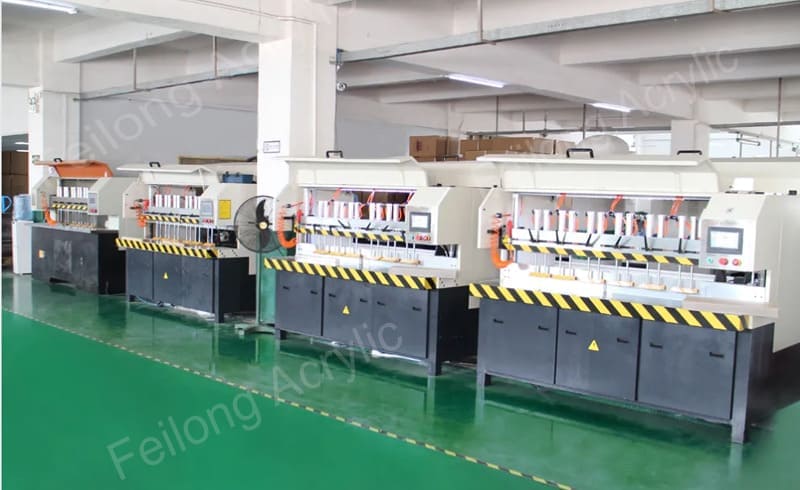
I’ve had the pleasure (and occasional frustration) of working with various manufacturers. Choosing the right one is critical because it can make or break your project.
Key Factors to Consider
- Production Capacity
Can the manufacturer handle large orders, or are they best suited for small batches? - Quality Certifications
ISO9001 or similar certifications signal commitment to quality. - Experience in Custom Orders
Customization requires flexibility. I look for signs they’ve done similar projects before.
Communication and Collaboration
One pitfall I encountered was working with a manufacturer that barely communicated. I ended up with a batch of displays that weren’t even close to my specifications. I always emphasize that open dialogue is the backbone of a successful partnership. From a different angle, too many updates can slow the process. Striking a balance is best.
Lead Times and Delivery Options
I’ve learned to confirm lead times in writing. Unforeseen delays can happen, but accountability matters. Also, consider shipping. Are you working with a local provider, or are they overseas? These factors might affect not just cost but also the final quality due to handling.
If you’re concerned about the environment, then you’ll love what’s next.
Sustainability Considerations

These days, sustainability isn’t just a buzzword—it’s a growing priority. I remember the look of relief on a client’s face when I offered eco-friendly acrylic options. Let’s look at how we can be more mindful.
Eco-Friendly Materials
Not all materials are created equal. Some acrylic sheets are GSG-certified, meaning they meet higher environmental standards. On the other hand, wood from responsibly managed forests can offer a warm, natural appeal.
Recycling and Reusability
I try to design displays that can be reconfigured or repurposed over time. This not only reduces waste but also can save costs in the long haul. Another perspective: if a store updates its branding, being able to adapt displays is a big plus.
Reducing Waste in Production
I once visited a factory that had a huge scrap pile of acrylic. By optimizing cutting layouts, they reduced that waste significantly. This example shows how small tweaks can make a big environmental impact. It’s a lesson I’ve taken to heart when planning new projects.
Curious about how to keep your fresh displays looking new? Let’s move on.
Best Practices for Installation and Maintenance

I’ve had displays arrive with scratches or broken edges. It’s a lousy feeling. Yet, a few simple steps can prevent disasters and keep everything in top shape.
Proper Assembly and Setup
Unboxing and assembling might seem straightforward, but one loose screw can cause a wobble. If your display involves multiple parts, a clear assembly guide with pictures can make life easier. However, complexity can also lead to frustration. Some store owners prefer one-piece stands to reduce setup time.
Maintaining the Display’s Appearance
Acrylic can scratch if you use abrasive materials to clean it. I use a mild solution and a soft cloth. If you’re working with metal, consider rust prevention, especially in humid climates. From another perspective, not every store has a big maintenance budget, so choose materials that align with your upkeep capabilities.
Regular Inspection and Safety Checks
I schedule monthly check-ups for high-traffic displays. That way, small cracks or stability issues get spotted before they escalate. This might seem tedious, but the peace of mind is worth it. If a store is prone to heavy foot traffic or children, more frequent checks might be wise.
Now that we’ve covered installation and maintenance, let’s talk about possible hurdles and how to handle them.
Common Challenges and Solutions

Challenges are inevitable. I’ve faced my share, and I want to share some experiences that might help you navigate similar waters.
I once fell in love with a spiraling acrylic design for a show display. It was beautiful but a nightmare to produce. If your design is complicated, you may face higher production costs or longer lead times. But from another angle, the wow factor could set you apart. It’s about weighing pros and cons.
Handling Tight Timelines
I’ve had clients who needed custom stands ready for a promotional event in just a couple of weeks. That usually means rush fees and potential compromises on quality. Effective communication with the manufacturer can mitigate some stress. But it’s still risky if you don’t factor in shipping or unforeseen delays.
Addressing Shipping and Logistics Issues
Shipping large or fragile displays can be costly and complex. I’ve had displays arrive with cracks when they weren’t packed well. Proper cushioning and labeling go a long way. Another perspective: local manufacturers might reduce shipping headaches, but might not always be the most cost-effective or flexible in terms of materials.
We’ve tackled a lot. Let me wrap up everything I’ve talked about so you have a clear path forward.
Conclusion

Recap of Key Takeaways
From my experience, thoughtful display design can elevate any retail space. It can also reflect a brand’s identity and values. The process involves selecting the right materials, ensuring a solid design plan, considering budget constraints, and choosing a reliable manufacturer.
Final Tips and Recommendations
I recommend embracing a mindset of continuous improvement. Even the best displays can use fine-tuning. If you see something not working, tweak it. Also, remember that engaging your audience and fostering a consistent brand message are crucial.
How Feilong Acrylic Can Help
Here at Feilong Acrylic, I’ve been part of a team that focuses on delivering high-quality custom solutions. Our slogan, Deliver high-quality, custom solutions with fast lead times that are suitable for personalized or bulk orders, isn’t just a tagline—it’s how we approach every project. From acrylic boxes to display stands and beyond, we tailor products to fit your exact needs. Because we’re a B2B custom order factory, we dedicate ourselves to serving clients looking for something beyond the ordinary.