Skip to content

I was hunched over a crate in my living room, bubble wrap stuck to my elbow, wondering why I ever thought moving would be easy. The painting inside that crate—an oil portrait my grandmother left me—felt like it was judging my every move. I couldn’t afford a single scratch. If you’ve ever sweated over a family heirloom or a gallery piece, you know the feeling. Let me share the plan I use when artwork needs to travel and arrive looking exactly the same.
Small confession before we dive in: I’ve shipped everything from delicate acrylic displays for Feilong Acrylic clients to my own sketches that were worth more sentimentally than financially. Each piece taught me something new. Ready to give your art the first-class treatment it deserves? Keep going.
Assessing the Artwork Before You Pack

Determine value, fragility, and medium
I start with three simple questions: What is it worth, how fragile is it, and what is it made of? A glass-front watercolor acts differently from a bronze sculpture. Knowing the answers guides every later step—if the risk is sky-high, I call a pro mover right away.
Quick Tip: I jot these details in a notebook. It keeps my head clear when packing chaos sets in.
Photograph and document pre-move condition
I snap photos in natural light, front and back, then store them in a cloud folder labeled “Move Day Proof.” If anything goes wrong, those images show insurers the artwork left in perfect condition.
Decide between DIY transport and professional fine-art movers
I use a simple table to decide:
| Scenario | DIY Works | Call a Pro |
|---|---|---|
| Small framed prints | ✅ | |
| Large glazed paintings | ✅ | |
| High insurance value | ✅ | |
| Short local move | ✅ |
If two or more boxes in the Call a Pro column light up, I reach for the phone.
Next, let’s round up the gear that keeps your art safe from bumps and bruises.
Gather Proper Packing Materials

Archival vs. temporary wrapping supplies (acid-free paper, glassine, bubble wrap, moving blankets)
I never let bare bubble wrap touch paint—it can imprint patterns. Instead, I lay a sheet of acid-free paper or glassine first, then add bubbles for cushioning.
Specialty boxes, flat picture cartons, crates, and tubes
Flat cartons fit most wall art. Tubes work for rolled canvases. When in doubt, I overbuild: plywood crate, foam inside, no wiggle room.
| Material | Best For | Lifespan | Cost |
|---|---|---|---|
| Picture carton | Framed art < 36" | Single use | $ |
| Tri-wall tube | Rolled canvas & prints | Reusable | $$ |
| Plywood crate | Museum-grade pieces | Years | $$$ |
Climate-control requirements for sensitive pieces
Acrylics, oils, and certain inks hate extreme heat. If temperatures will swing above 30 °C or below freezing, I book a climate-controlled truck.
Supplies in hand, it’s time to suit up the artwork itself—carefully.
Preparing the Artwork
Clean surfaces and remove loose hardware or cables
Dust attracts scratches. I dust lightly with a microfiber cloth and detach hanging wires so they don’t poke the canvas.
Protect corners, glazing, and frame edges with guards or cardboard sleeves
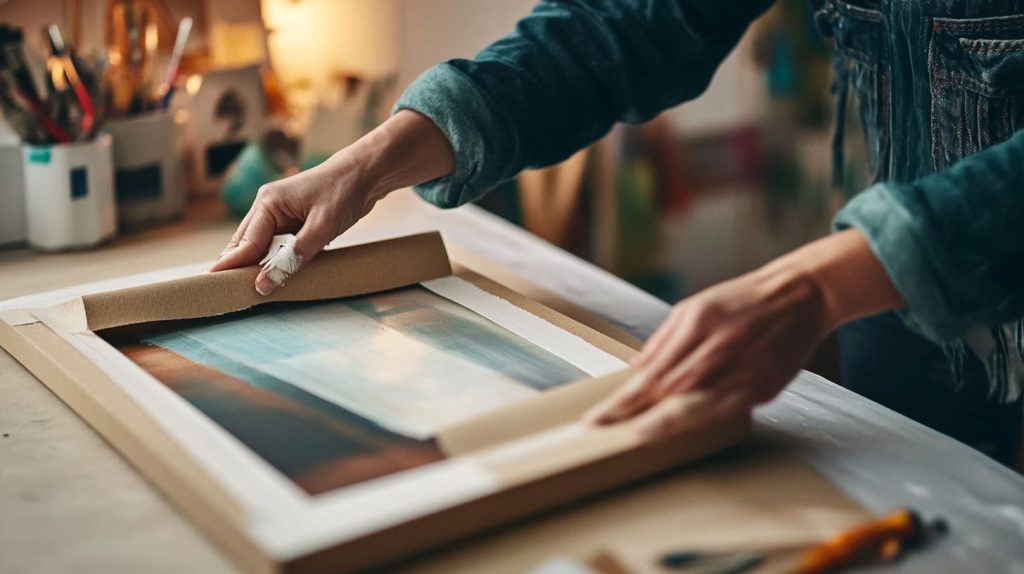
Corner protectors are a tiny expense that save pricey frames. I slide on cardboard sleeves and secure with painter’s tape—never duct tape, which leaves residue.
Use acid-free interleaving or glassine to separate art surfaces from packing materials
Paper first, bubbles second. That rule has saved me more times than I can count.
With surfaces shielded, let’s talk about the different shapes and sizes hiding in your collection.
Packing Techniques by Artwork Type
Framed paintings under glass
I place an “X” of painter’s tape over the glass—if it shatters, shards stick instead of slicing the canvas. Then cardboard, then bubble wrap.
Unframed canvases and stretched linen
I sandwich two canvases face-to-face with cardboard in between, wrap them together, and mark the package “FRAGILE – DO NOT PIERCE.”
Sculptures, ceramics, and other 3-D works
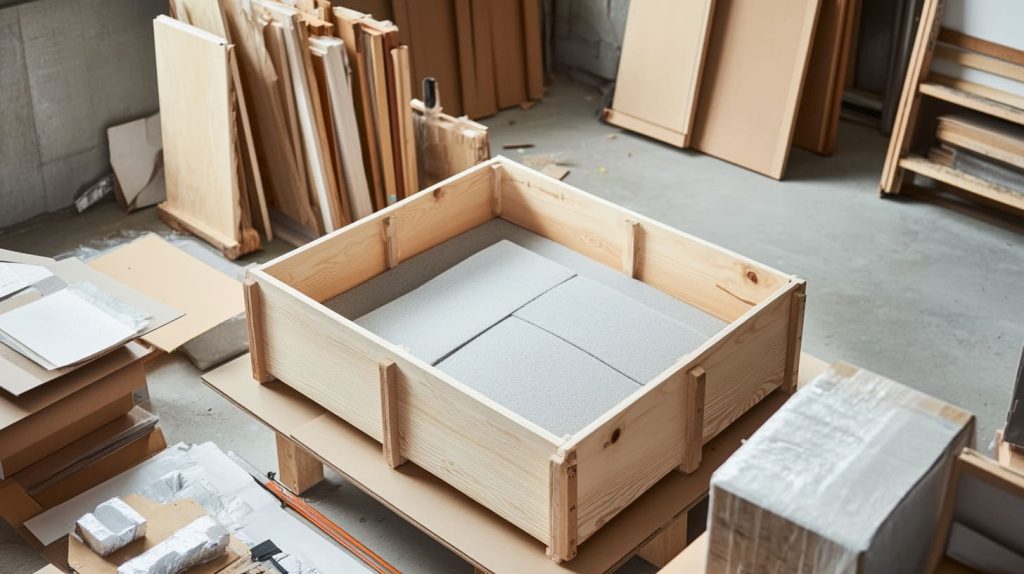
Loose parts make me nervous. I cushion each protrusion with foam and build a custom cavity in a double-wall box so the piece can’t shift.
Prints, photographs, and works on paper
They travel flat inside archival sleeves with a stiff board. Humidity is the real enemy here, not shock.
Oversized or irregularly shaped pieces
For the eight-foot acrylic sign we once shipped to Toronto, I built a wood skeleton that fit like a glove and wrapped the sign in soft foam. It arrived spotless.
Packed and sealed? Great. Now we have to move the whole show—safely.
Choosing the Right Transportation Option
Personal vehicle vs. rental truck considerations
My hatchback works for small loads. Anything larger, I rent a van so pieces can stand upright.
Hiring licensed, climate-controlled fine-art transport services
Pros bring air-ride suspension, GPS tracking, and hands that do this every day. The fee often feels low when compared to replacement costs.
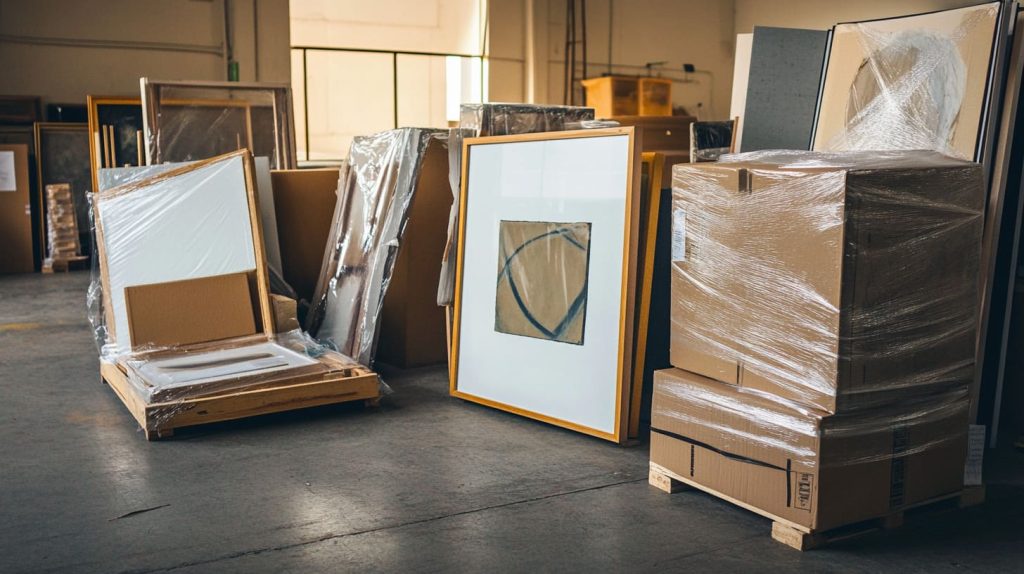
Custom crating, palletizing, and forklift handling for large works
If a forklift is involved, I insist on a pallet with cleats so forks never hit the crate wall.
Valuation, insurance coverage, and contracts
I read the fine print: declared value, deductible, and exclusions. If something spooks me, I buy a standalone fine-art policy.
Truck booked? Let’s get those boxes onboard without a single thud.
Loading, Handling & In-Transit Care

Proper orientation and secure placement in the vehicle
Paintings upright, never flat; sculptures anchored to tie-down points. I slide moving blankets between every item.
Cushioning, vibration reduction, and shock monitoring
Cheap hack: a layer of egg-crate foam on the van floor absorbs road buzz. Some pros tape a small shock-indicator to crates; if it turns red, you know to inspect.
Temperature, humidity, and light protection during transit
I avoid direct sun on glass pieces—greenhouse effect is real. For cross-country hauls, I rent climate-controlled space.
Labeling, security seals, and chain-of-custody documentation
Bright “Top Load Only” stickers reduce stacking accidents. For gallery pieces, a numbered seal on each crate keeps the chain of custody clear.
Almost there. Time to roll out the welcome mat at your new place.
Arrival: Unpacking & Post-Move Inspection

Safe unpacking order and workspace setup
I clear a table first. Nothing worse than juggling art in a cluttered hallway.
Condition checklist and post-move photo comparison
I compare arrival photos against my pre-move shots. If anything is off, I document immediately.
Stabilization, acclimatization, and short-term storage tips
Art hates sudden climate shocks. I let crates sit unopened for a few hours if the outside temperature differs by more than 10 °C from inside.
But what if, despite all care, something still went wrong?
Contingency Planning & Damage Mitigation
Immediate steps if damage is detected
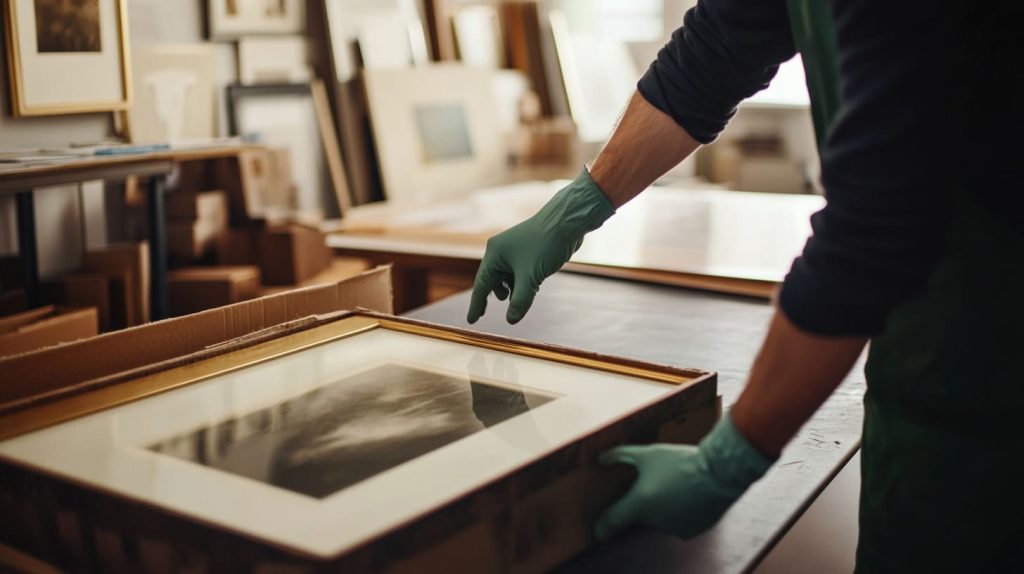
Stay calm. Photograph every angle before touching a thing. Note dates and times.
Filing claims with movers or insurers
I email the mover within 24 hours, attach photos, and reference the contract clause on claims. Speed matters—miss the deadline, and you may be out of luck.
Contacting conservators for professional restoration
I keep a shortlist of conservators by medium—paintings, paper, sculpture. Calling the right expert can turn a disaster into a minor footnote.
Damage handled or avoided, let’s wrap this up on a high note.
Conclusion
Moving valuable artwork is part art, part science, and a dash of nerves. With the right prep—assessment, smart packing, careful transit—you stack the odds in your favor. I’ve watched heirlooms cross oceans and arrive unscathed. Follow these steps, add a little patience, and your collection should greet its new home in perfect form. If you have doubts, reach out to experts sooner rather than later. Your future self—and your artwork—will thank you.