Skip to content
I once saw a box that looked cheap—and the product inside felt the same.
Corrugated display boxes are custom-printed packaging structures made from layered cardboard, designed to hold, display, and promote products in retail spaces.
But not all boxes are created equal. Some protect. Some impress. A few do both—and that’s where corrugated displays shine.
What is the purpose of a corrugated box?
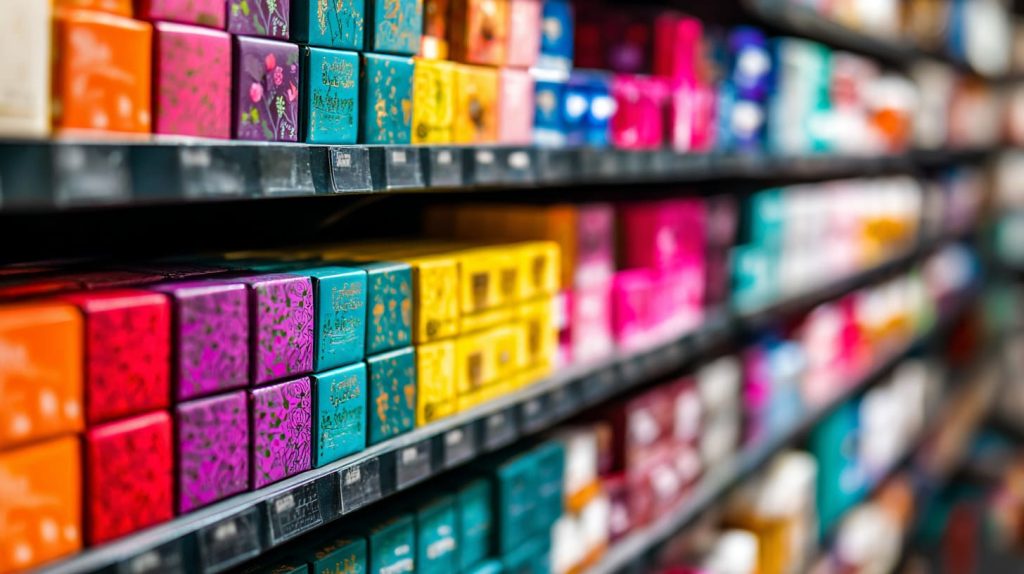
Walk into any store, and chances are—those neatly stacked snacks or trial-size cosmetics are sitting in a corrugated display.
Corrugated display boxes are designed to showcase products, enhance branding, and simplify shipping and assembly in retail settings.

Utility meets marketing
Corrugated boxes do three jobs at once:
- Structure: They keep products upright and organized.
- Transport: Many double as shippers, folding neatly for delivery.
- Promotion: With full-color prints and custom cutouts, they act like mini billboards.
I once worked with a cosmetics client who tripled in-store sales just by switching from generic trays to vibrant corrugated displays. It wasn’t magic. It was the message the box carried.
What is the difference between a corrugated box and a regular box?
To the untrained eye, cardboard is cardboard. But there's a world of difference.
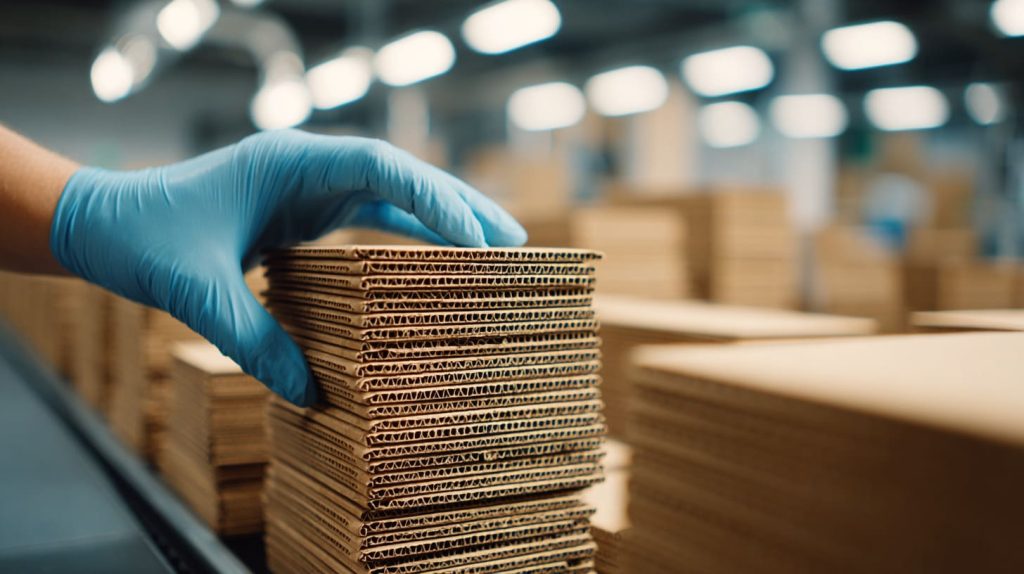
Corrugated boxes have a fluted middle layer that adds strength and durability, while regular boxes (like folding cartons) are thinner and meant for lighter items.
Structure comparison
| Feature | Corrugated Box | Regular Box (Folding Carton) |
|---|---|---|
| Core Material | Liner + Fluting (3+ layers) | Single-layer cardboard or paper |
| Strength | High | Low to medium |
| Ideal For | Shipping, stacking, POP | Inner packaging, shelf items |
| Reusability | Often reusable | Usually disposable |
Think of corrugated like hiking boots and regular boxes like sandals. Both work—but in very different terrains.
What are the disadvantages of corrugated boxes?
I love corrugated boxes—but they’re not perfect.
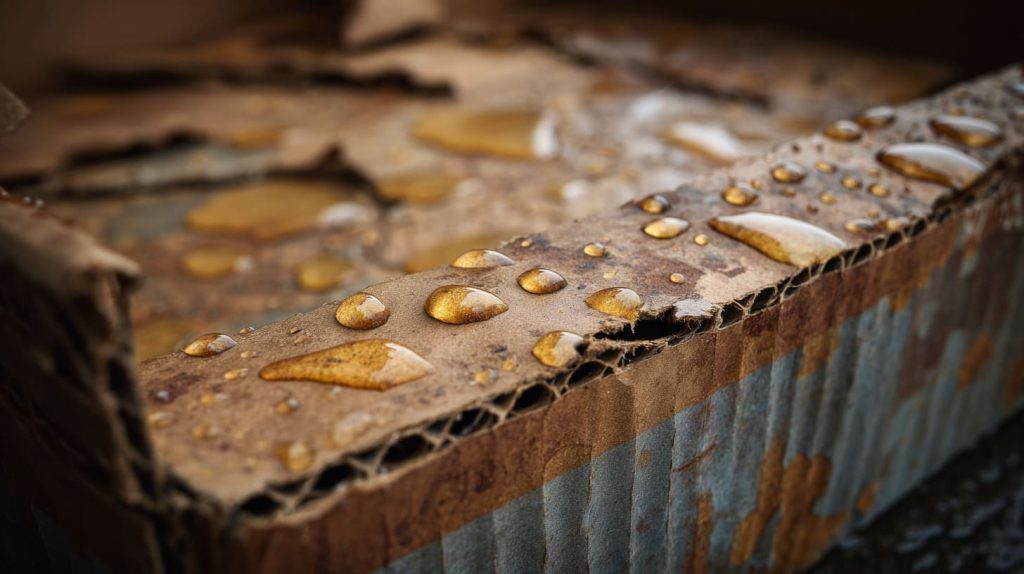
Corrugated boxes can be bulky, prone to moisture damage, and offer a more utilitarian look unless well-designed.

When cardboard falls short
- Moisture sensitivity: Unless coated, they can warp or soften.
- Bulk: Not ideal for ultra-compact packaging.
- Wear and tear: Edges fray with heavy reuse.
If you’ve ever seen a soggy pizza box on a rainy day, you know what I mean. That’s why it’s important to know when to use corrugated—and when not to.
What types of corrugated board/flute sizes are used for display boxes, and how do they affect strength and appearance?
Corrugated isn’t one-size-fits-all. It’s a material with choices.
Flute sizes—like E, B, or F—determine the board’s thickness, print quality, and rigidity.
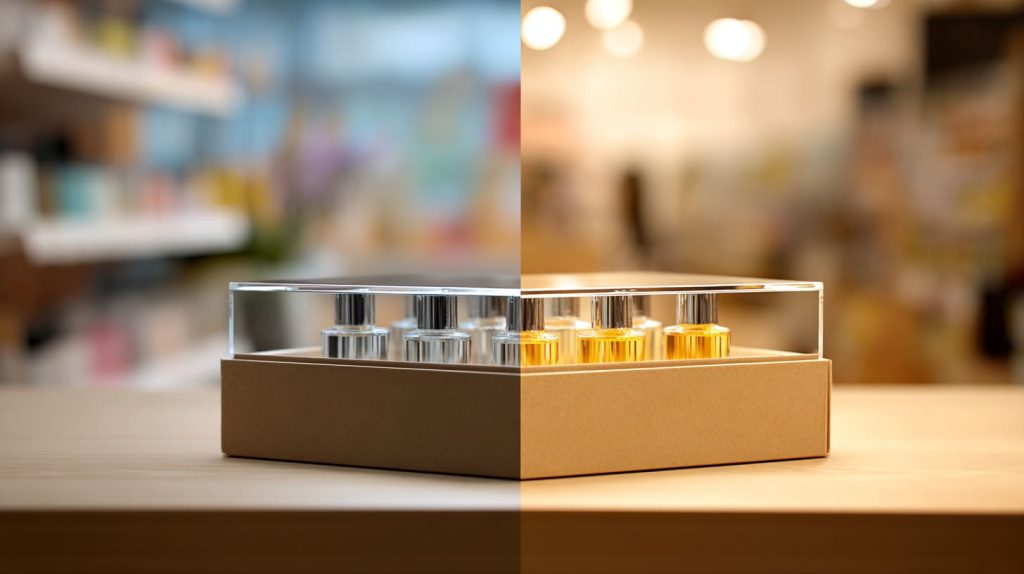
Choosing the right flute
| Flute Type | Thickness (approx) | Best For |
|---|---|---|
| F-Flute | ~0.8 mm | High-resolution printing, cosmetics |
| E-Flute | ~1.5 mm | Lightweight displays, snacks |
| B-Flute | ~3.0 mm | Heavy-duty items, larger products |
When I’m designing for high-end cosmetics, I lean toward E or F flute. The smooth surface is a dream for printing.
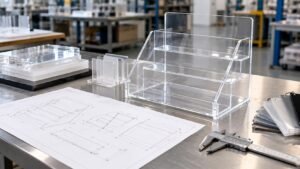
How do corrugated display boxes compare to acrylic display boxes in terms of cost, durability, and visual appeal?
I’ve worked with both. And each tells a different story.
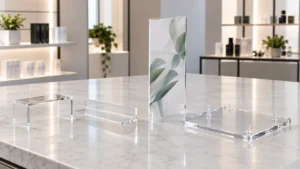
Corrugated is cheaper and easier to customize short-term, while acrylic wins in durability and long-term display aesthetics.
Cost vs. Look vs. Longevity
| Feature | Corrugated Display Box | Acrylic Display Box |
|---|---|---|
| Cost | Low | High |
| Durability | Moderate | Very High |
| Branding | Full-color print, fast updates | Etching, engraving, screen print |
| Ideal Use | Short-term, seasonal promotions | Permanent, upscale environments |
If you're launching a new snack, go corrugated. If you're building a luxury counter, go acrylic.
What are the environmental benefits of using corrugated display boxes?
I care about sustainability—not just for ethics, but because my buyers ask about it.
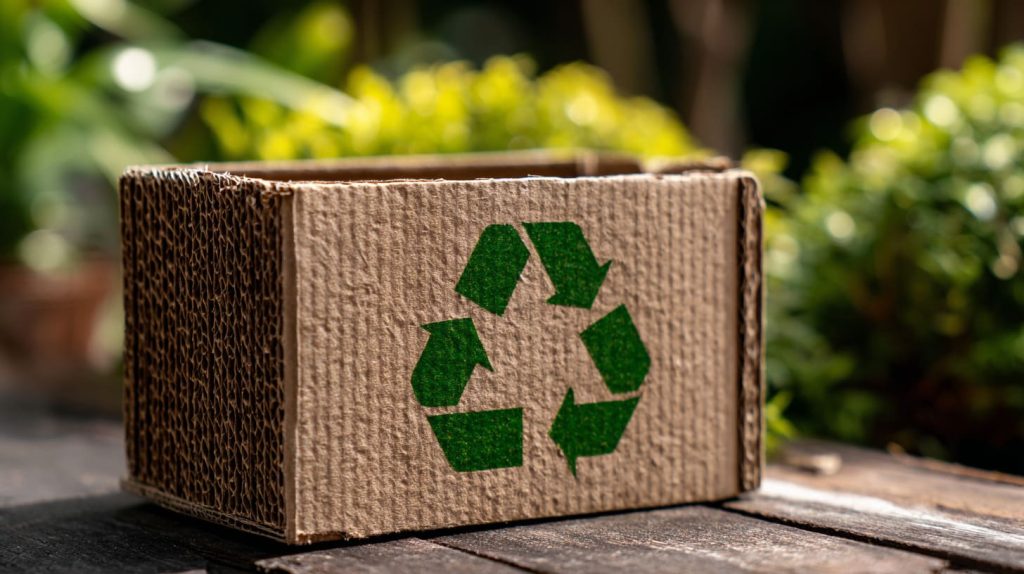
Corrugated boxes are recyclable, biodegradable, and often made from post-consumer material, making them a sustainable choice.

A greener option
- Recyclable: Most boxes are accepted in curbside programs.
- Renewable: Made from wood pulp, often from sustainable forests.
- Lower carbon footprint: Especially when manufactured locally.
Compared to plastics, corrugated is the eco-friendlier option—if kept dry and responsibly sourced.
What design considerations should I keep in mind when customizing corrugated display boxes for retail?
A pretty box isn’t enough. It has to work too.
You should consider size, weight capacity, brand colors, and retail shelf dimensions when customizing your display.

Practical and beautiful
- Structural integrity: Reinforce weak points.
- Print visibility: Use vibrant, bold designs.
- Assembly: Fewer folds = easier setup for store clerks.
I always advise my clients to build a mockup first—it saves a fortune in reprints later.
How are corrugated display boxes manufactured — what are the production steps from design to finished product?
Ever seen a flat sheet turn into a billboard? It’s mesmerizing.
The process involves designing, die-cutting, printing, folding, and gluing.
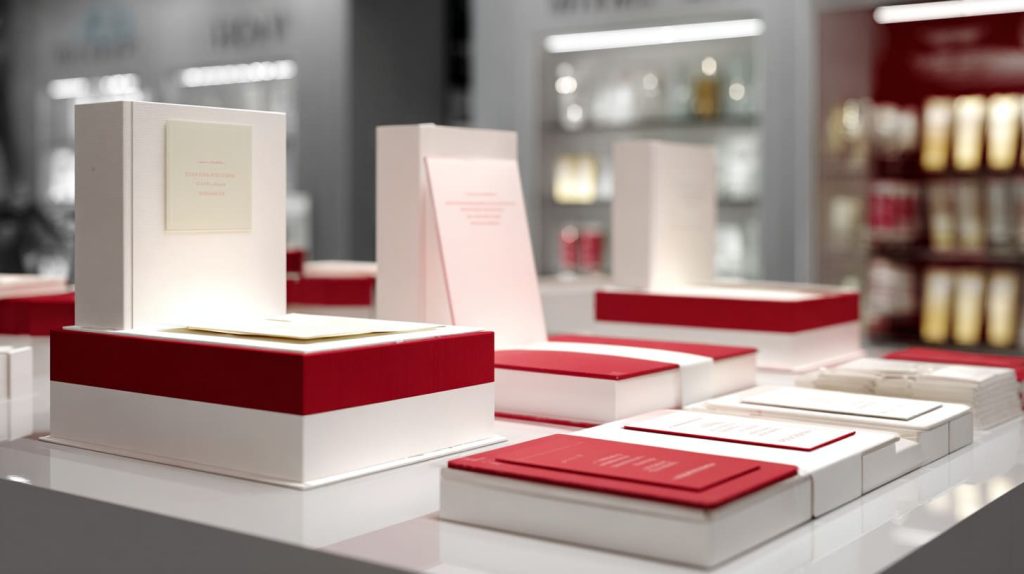
From idea to shelf
- Design: CAD-based dielines define shape and folds.
- Print: Flexo or offset printing, depending on detail needed.
- Cut: Die-cutting machines trim and crease.
- Glue/Fold: Final touches before flat-packing for shipping.
I once toured a box factory in Shenzhen—those machines move fast, but the setup time is where the magic happens.
What are the most common use cases of corrugated display boxes in retail, cosmetics, and trade shows?
From local markets to global expos, they’re everywhere.
Corrugated boxes are used for counter displays, floor stands, endcaps, and promotional bins across industries.
Where you’ll find them
- Retail: Snack displays, limited edition promos
- Cosmetics: Tester trays, seasonal bundles
- Trade shows: Product samplers, brochure holders
I’ve seen brands use the same box for both shipping and displaying—brilliant cost saver.
What are the challenges or limitations of using corrugated display boxes?
Nothing’s perfect—not even cardboard.
Corrugated displays are vulnerable to moisture, wear out faster, and can collapse under heavy loads if poorly designed.
Mitigating risks
- Moisture-proof coatings help but raise costs.
- Double wall fluting improves strength.
- Avoid overloading—stick to tested weight limits.
When in doubt, ask your supplier for drop test results.
How should I choose the right supplier or manufacturer for corrugated display boxes?
Sourcing is where the headaches start—or end.
Look for suppliers with custom design capabilities, strong quality control, clear MOQs, and reasonable lead times.

Vetting checklist
- Sample policy: Always ask for samples.
- Certifications: ISO, FSC for sustainability.
- MOQ: Some factories start at 500 pcs, others at 1,000.
- Lead time: 10–20 days for first orders.
I usually test new suppliers with a small order. It tells you everything.
What finishing and printing options are available for corrugated display boxes to make them stand out?
Plain brown boxes? No thanks.
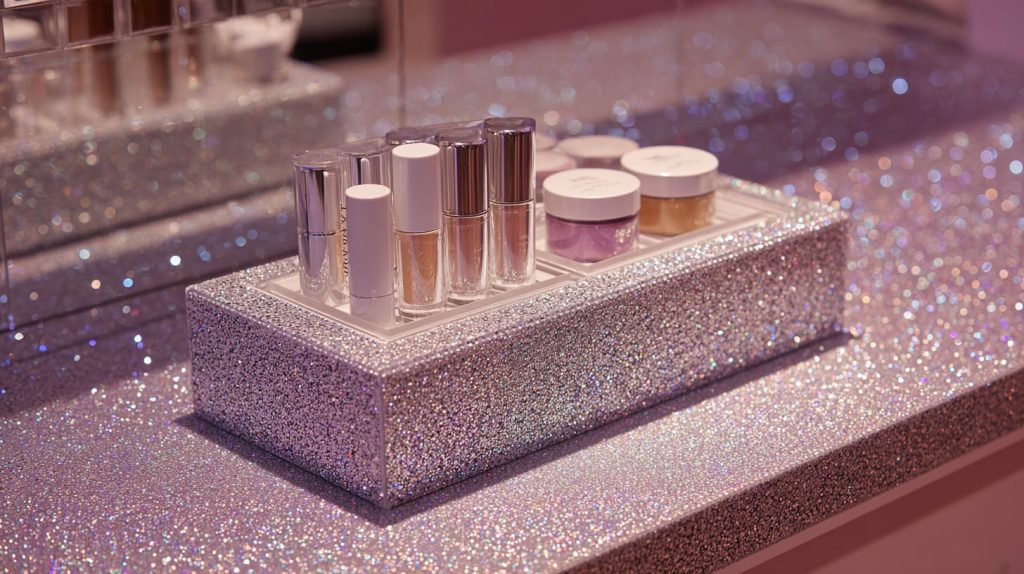
Corrugated displays can feature full-color offset printing, matte/gloss finishes, UV spots, foil stamping, and die cuts for eye-catching effects.
A designer’s playground
- Printing: CMYK, PMS color-matching, white ink on kraft
- Coatings: Glossy UV, matte lamination
- Cut-outs: Windows, handles, or tiered layers
I once worked on a glittery corrugated stand for a skincare client. It sparkled—literally—and so did their sales.
Conclusion
Corrugated display boxes aren’t just packaging—they’re your silent salespeople. Get the design and supplier right, and they’ll speak volumes for your brand.