Skip to content
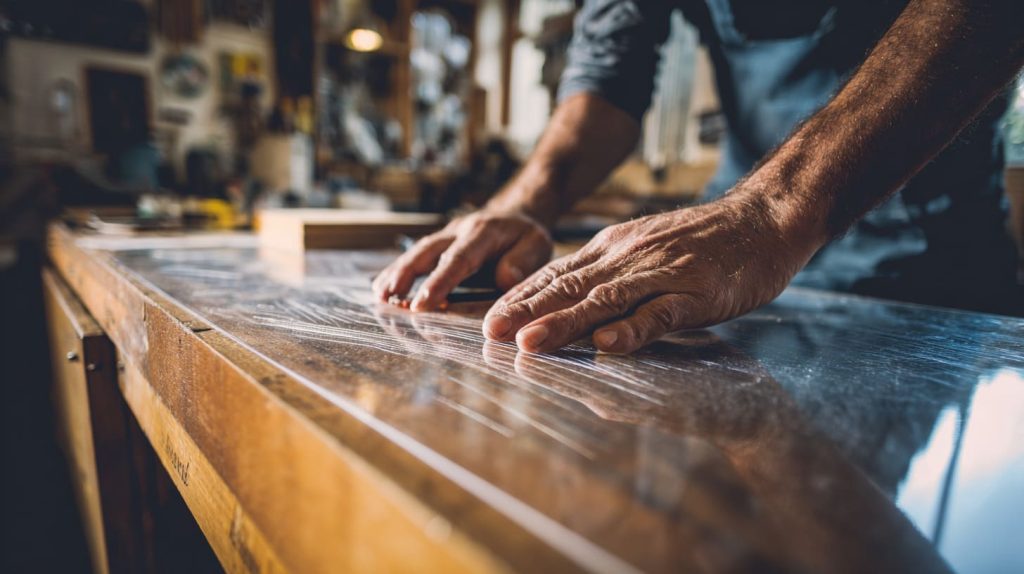
Cutting plexiglass sounds simple—until it’s not.
A glass cutter can score thin plexiglass sheets, but it's not the cleanest or safest tool for the job. Cracks, chips, and frustration are common.
I learned this the hard way, hunched over a sheet in my workshop, the score line barely visible—and then snap. Not satisfying.
What is the best tool to cut plexiglass cleanly without cracking it?
Ever tried scoring, snapping, sanding—and still ended up with edges that look chewed up?
For clean, crack-free results, a fine-tooth blade on a circular saw or jigsaw works best. Laser cutting gives the smoothest edge.
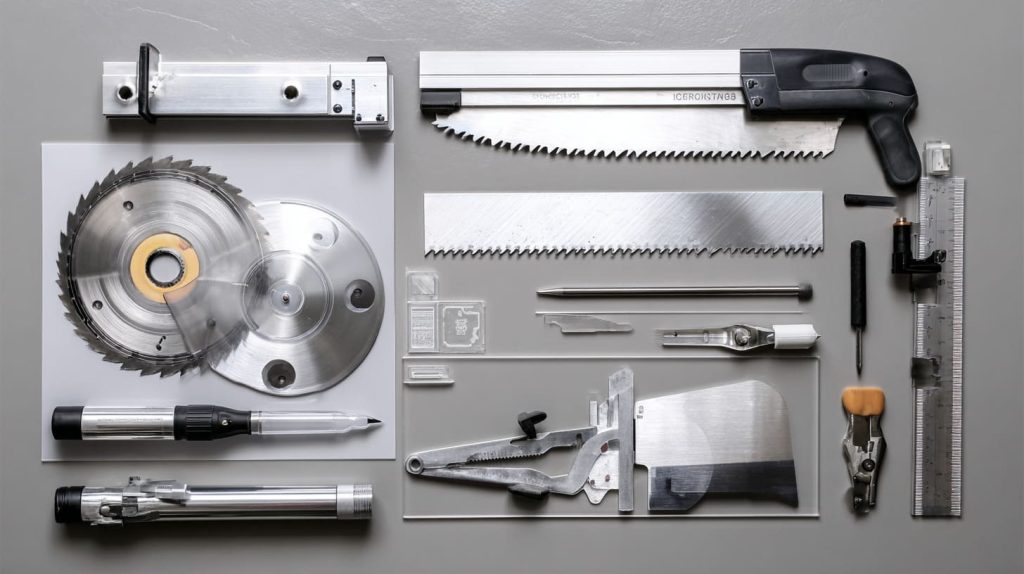
🔧 Choosing the Right Tool Based on Thickness
| Tool Type | Result Quality | Recommended Thickness | Risk of Cracking |
|---|---|---|---|
| Glass Cutter | Poor | ≤ 1/8 inch | High |
| Box Cutter | Poor | ≤ 1/8 inch | High |
| Jigsaw (Fine Blade) | Good | ≤ 1/4 inch | Low |
| Laser Cutter | Excellent | All thicknesses | Very Low |
| Circular Saw | Very Good | ≤ 1/2 inch | Medium |
🧠 Why Blade Type and Sheet Type Matter
Plexiglass comes in cast or extruded form, and they respond differently to cutting. Cast acrylic cuts more cleanly with lasers. Extruded melts easily and is prone to edge distortion. Match the tool to the material to avoid headaches.
How do I prevent plexiglass from melting while cutting?
Melted edges ruin everything—literally and visually.
Use low speed, light pressure, and a blade designed for plastics. Masking tape helps dissipate heat.
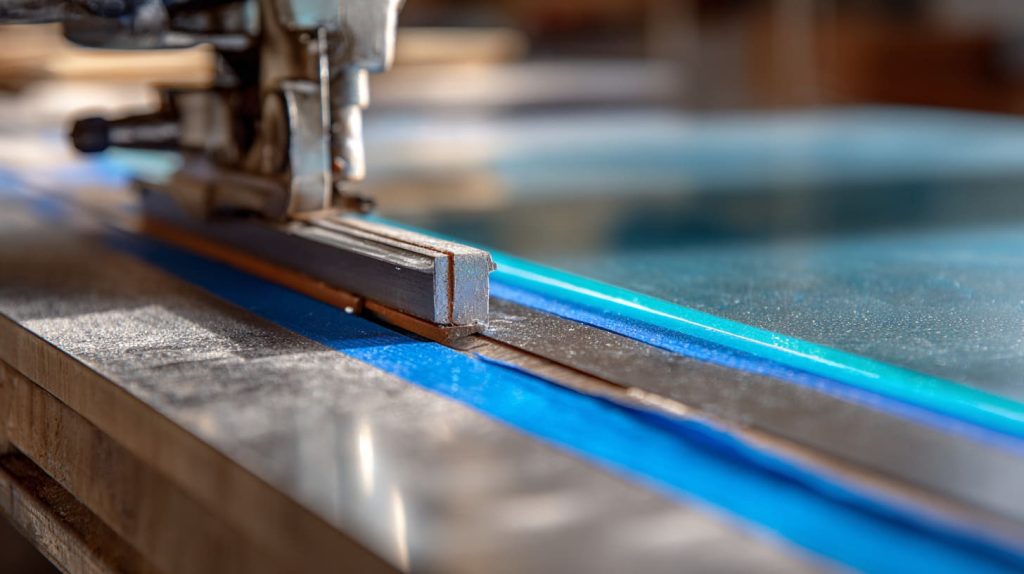
🌡 Simple Tricks to Keep Heat Under Control
The biggest reason for melting? Friction. Reduce it with these steps:
- Use blades meant for acrylic or plastics
- Lower the RPM and feed rate
- Cool the cut with compressed air
- Add painter’s tape to the cut line
Those small steps make a big difference.
Can I cut plexiglass with a box cutter?
You can try—but don’t blame the tool when it snaps.
Box cutters only work on very thin plexiglass (less than 1/8 inch), and even then, it’s risky.
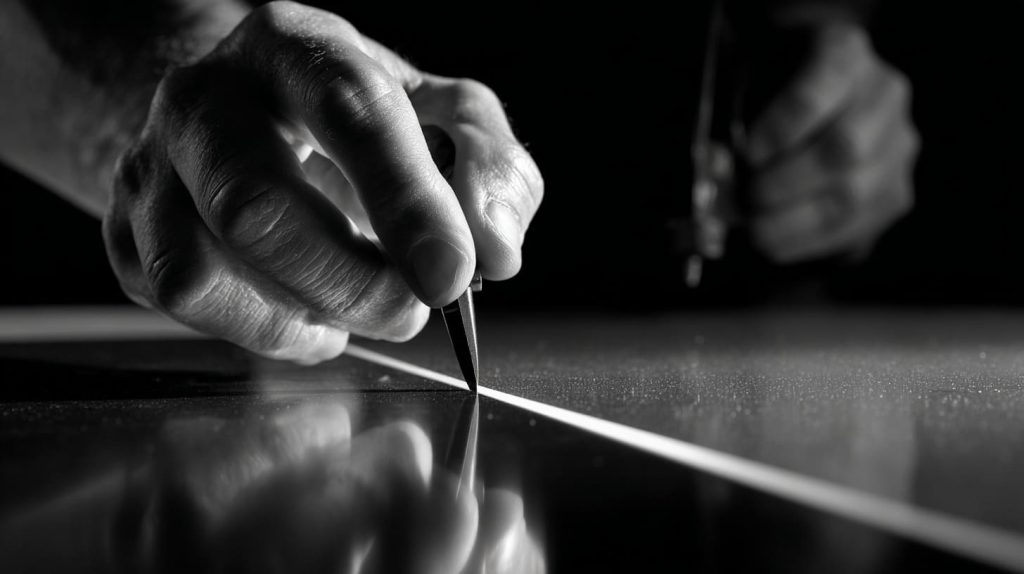
✂️ Score-and-Snap: Does It Really Work?
Scoring might seem simple, but only works with perfect technique, stable surface, and ultra-thin sheets. If you're doing more than one sheet or want reliable results, it's not the method I'd recommend.
Can you laser cut plexiglass at home, or is it only for factories?
You don’t need a factory—but you do need caution.
Yes, many hobbyist laser cutters can handle plexiglass (especially CO2 lasers), but ventilation and fire safety are key.
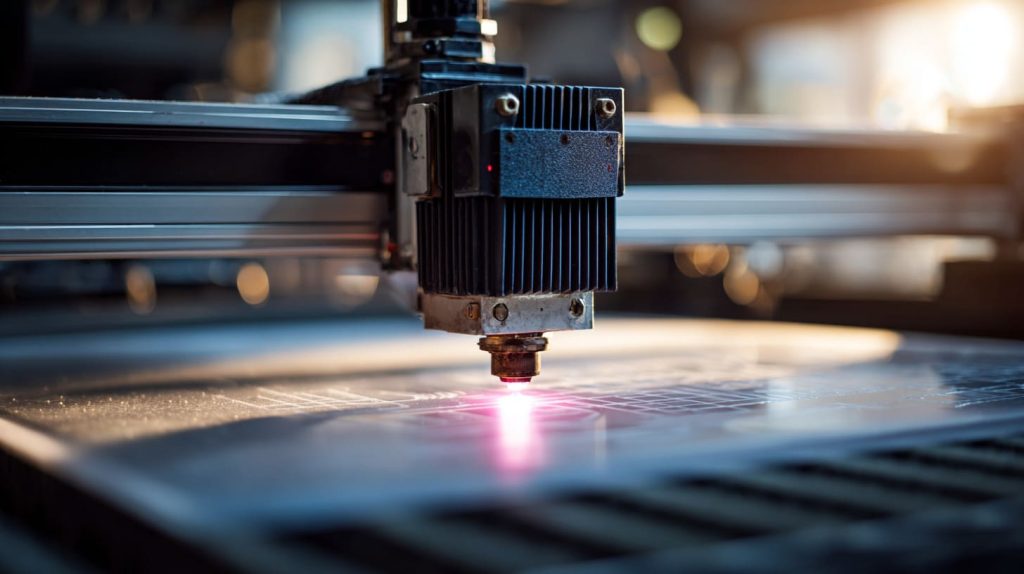
💨 Safety Tips for DIY Laser Cutting
Before you start:
- Use only cast acrylic
- Ventilate your space thoroughly
- Avoid PVC—it looks similar and releases toxic gas
- Always check laser settings before the real cut
It’s doable at home, but only with care.
How thick can plexiglass be for a successful hand cut?
There's a limit, and it's not much.
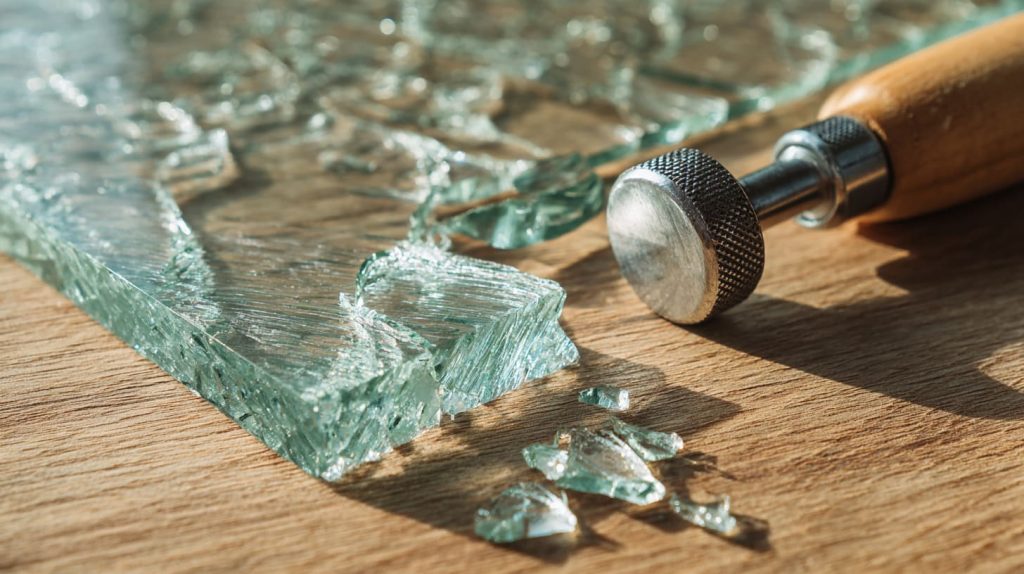
Hand tools like glass or box cutters only work up to 1/8 inch thickness—anything thicker needs power tools.
🧱 Why Thickness Makes a Big Difference
Once you go past 3mm (1/8 inch), scoring and snapping becomes dangerous and unreliable. More force leads to more cracking. I once tried forcing a cut at 1/4 inch—never again.
Does cutting plexiglass with a glass cutter damage the edges?
Short answer: yes, most of the time.
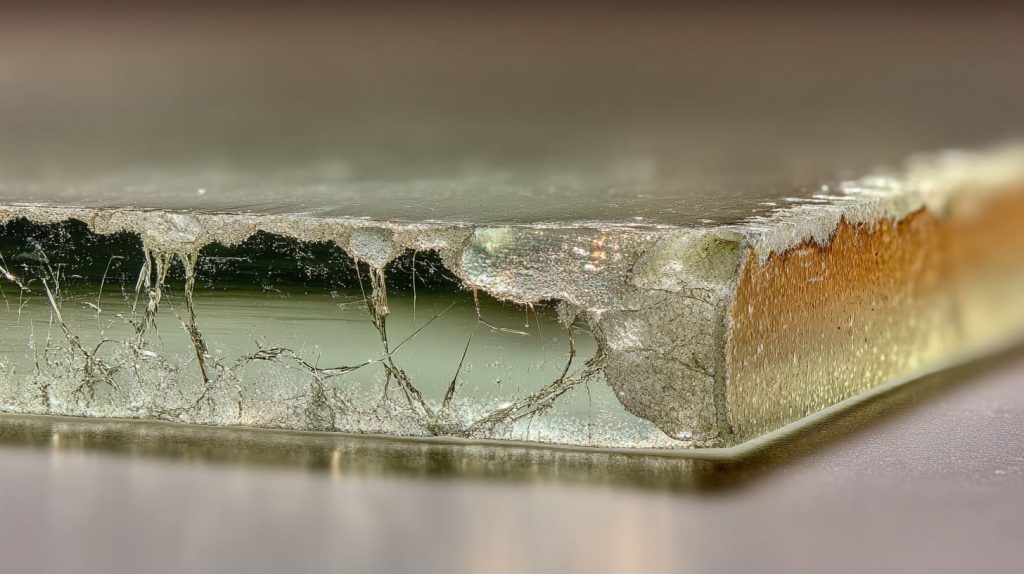
Glass cutters tend to chip or crack the edge, especially if the score isn't clean or even.
🩹 How to Reduce Edge Damage When Scoring
If you’re stuck with using a glass cutter:
- Score with consistent pressure
- Support both sides of the sheet
- Snap gently, never force
- Sand the edge afterward to remove micro-fractures
But honestly, I’d still suggest a better tool.
What’s the difference between cutting plexiglass and polycarbonate?
They may look similar, but they fight back differently.
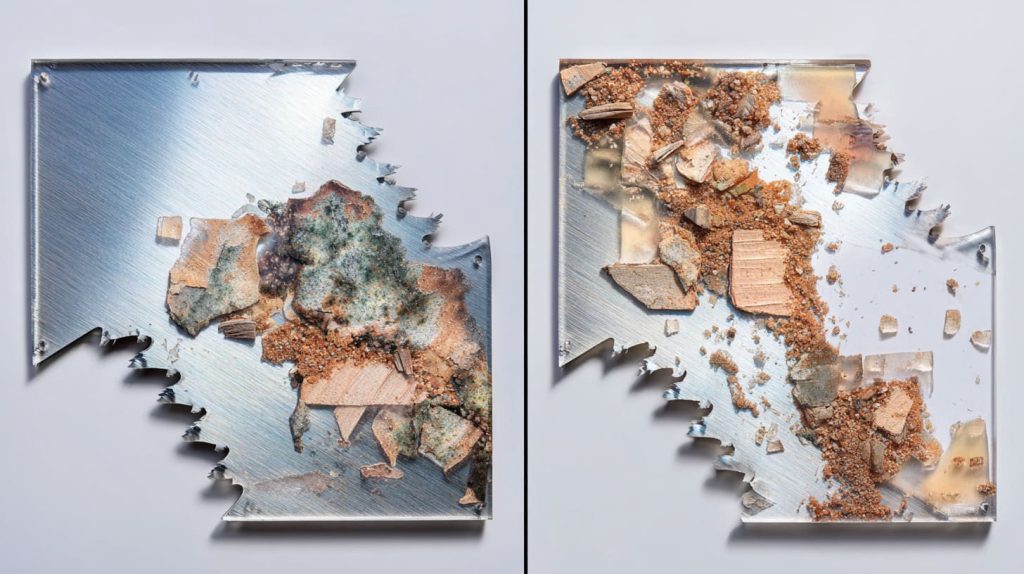
Plexiglass is easier to cut cleanly but cracks more. Polycarbonate resists cracking but melts and gums up blades.
🧪 Plexiglass vs Polycarbonate at a Glance
| Property | Plexiglass | Polycarbonate |
|---|---|---|
| Clarity | Excellent | Good |
| Cut Quality | Very Good | Tricky |
| Melting Risk | Medium | High |
| Crack Risk | High | Low |
Choose based on what matters more: edge quality or impact resistance.
Is it better to use a CNC router or a laser cutter for acrylic sheets?
Both can work—depends on your goals.
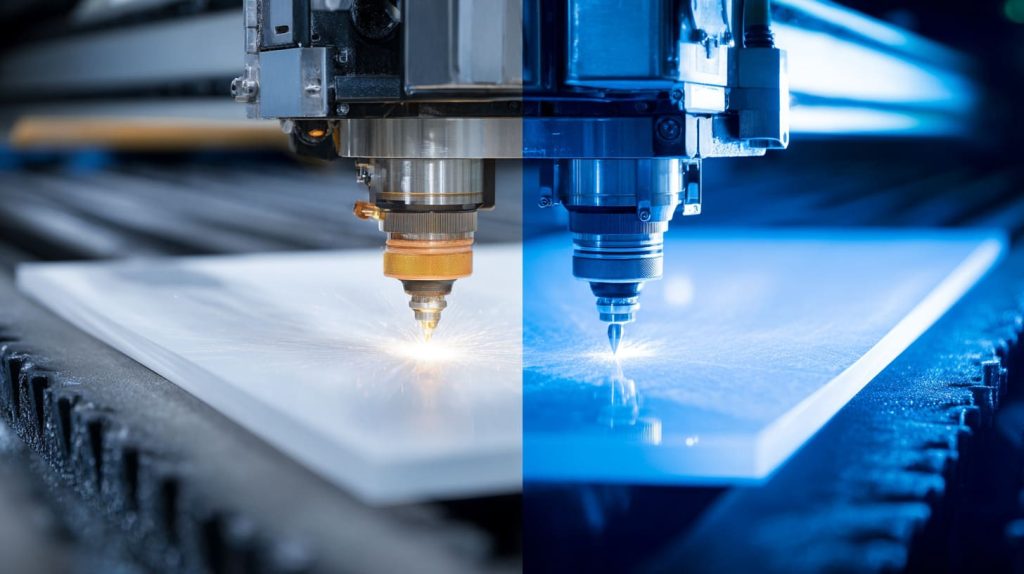
Laser cutters offer cleaner edges for signage or display. CNC routers are better for thick sheets or complex grooves.
🖥 When to Choose CNC and When to Choose Laser
Use laser if:
- You want ultra-smooth edges
- You're cutting logos, signage, or precision shapes
- The acrylic is cast
Use CNC router if:
- You need pockets or layered engraving
- You're working with thicker sheets (5mm+)
- You want to shape the edges with specific profiles
Why does plexiglass crack when cutting, and how to avoid it?
Plexiglass is unforgiving to careless handling.
It cracks from stress—caused by poor support, fast cuts, or dull tools. Use steady pressure, sharp blades, and stable support.
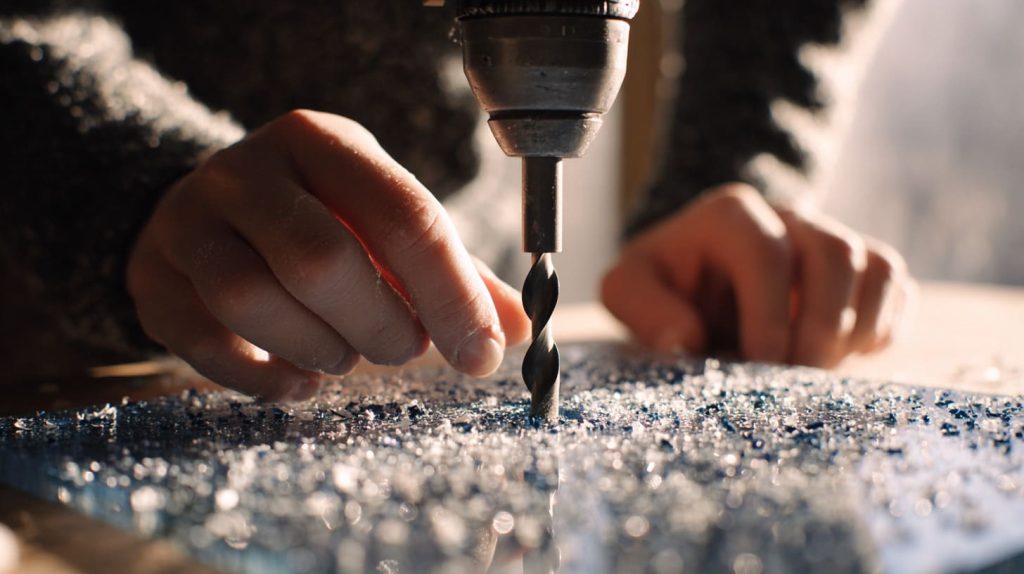
🧯 Stress Points You Should Always Watch For
To avoid sudden cracks:
- Don’t cut near corners or holes without pre-drilling
- Always fully support the panel
- Tape along the cut line
- Avoid jerky movements—let the blade do the work
Stress builds over time, but one mistake is all it takes.
Can I drill holes in plexiglass after cutting it by hand?
Yes—but you’ve got to be gentle.
Drill slowly with a plastic or step bit, and always back the plexiglass with wood.
🛠 Tips for Clean Holes Without Cracks
- Use a dull drill bit or a special acrylic bit
- Keep a scrap wood backing
- Start with a small pilot hole
- No hammer mode, ever
Slow and steady keeps the sheet intact.
Conclusion
You can cut plexiglass with a glass cutter—but it’s usually not worth the mess. Choose tools that match the job, and treat plexiglass with care if you want clean, crack-free results.